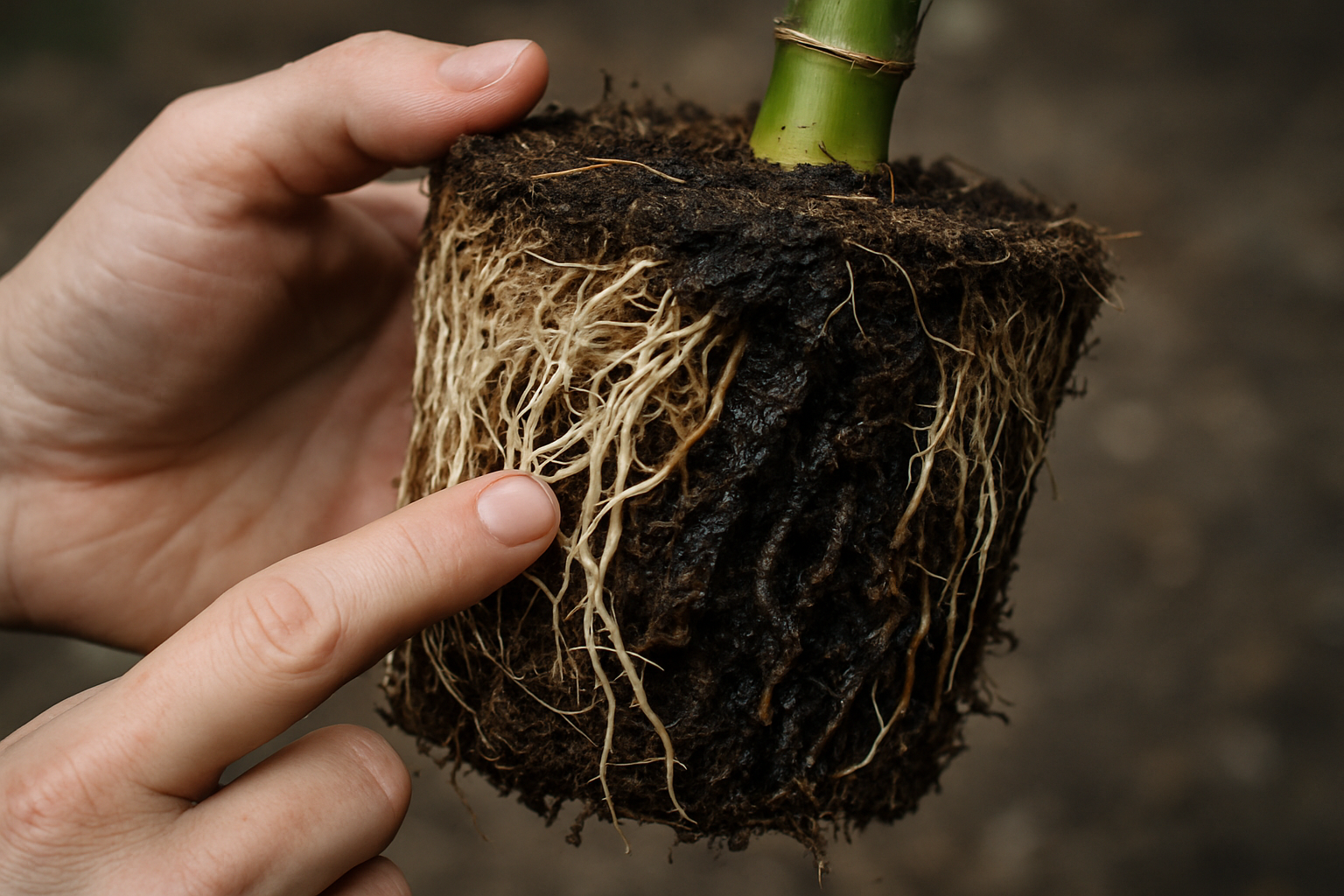
I stood in my backyard staring at a bamboo grove that had taken me five years to grow, and I knew something was terribly wrong. The culms had gone from vibrant green to a sickly yellow almost overnight, and when I finally dug down to investigate, the smell hit me first — that unmistakable, earthy rot that told me I was too late. Bamboo root rot had quietly destroyed everything I’d spent half a decade building, and the worst part? I did it to myself.
This post contains affiliate links. As an Amazon Associate, I earn from qualifying purchases.
I’m sharing this story because I’ve seen dozens of posts about pests and diseases written from a clinical distance. But this one is personal, a little embarrassing, and I hope it saves at least one of you from making the same expensive, heartbreaking mistake I did.
How a Good Intention Turned Into a Garden Disaster
It started the summer we had an unusual dry stretch. I panicked. My bamboo — a beautiful stand of Phyllostachys aureosulcata I’d been nurturing since the kids were in elementary school — looked a little droopy one afternoon, and I convinced myself it was desperate for water. So I watered it. Then I watered it again the next day. And the day after that. I even set up a soaker hose on a timer because I didn’t want to “forget.”
What I didn’t realize was that the drooping was a temporary midday wilt — something bamboo does completely normally in high heat. It wasn’t a cry for water. It was just… Tuesday. By the time I noticed the yellowing leaves and mushy rhizomes, the roots had been sitting in waterlogged soil for nearly three weeks. My beautifully established grove was in serious trouble, and I had no one to blame but myself.
My spouse didn’t say “I told you so,” but the look said everything. We had talked about redoing the back fence using that corner of the yard, and I’d insisted on keeping the bamboo. That conversation stung a lot more now.
Understanding Bamboo Root Rot: What’s Actually Happening Underground
Bamboo root rot is almost always caused by one of a handful of water mold pathogens — most commonly Phytophthora or Pythium species — that thrive in poorly drained, consistently wet soil. These aren’t true fungi, but they behave like them, colonizing the root system and cutting off the plant’s ability to take up nutrients and water. Ironically, the plant then shows symptoms that look like drought stress — yellowing, wilting, and leaf drop — which can trick an already worried gardener into watering even more.
Here’s what made my situation worse: bamboo rhizomes spread horizontally, and once rot sets into the rhizome network, it can travel. By the time above-ground symptoms appear, significant underground damage has usually already occurred. Bamboo is remarkably resilient, but it is not immune to sustained waterlogged conditions.
The warning signs I should have caught earlier:
- Yellowing leaves that weren’t explained by seasonal shedding
- Culms that felt soft or hollow near the base
- A faint sour or musty smell near the soil line
- Stunted or absent new shoot production during the growing season
- Soil that stayed wet for days after watering or rain
What I Did to Try to Save It (And What Actually Worked)
Once I understood what I was dealing with, I went into recovery mode. I removed the most damaged culms first, cutting them at the base. Then I carefully excavated around the rhizome zone, removing visibly blackened and mushy sections. I let the soil dry out — really dry out — for over a week before doing anything else.
One of the first things I did to the remaining root zone was treat it with a diluted hydrogen peroxide solution. Hydrogen peroxide introduces oxygen into the soil, which helps kill anaerobic pathogens like the ones responsible for root rot while being gentle enough not to destroy everything beneficial in the soil. I used a 3% solution sprayed directly onto the exposed root area and into the soil around the rhizomes.
Tools I Used During Recovery
For the hydrogen peroxide treatments, I kept a couple of options on hand depending on the scale of the application:
- LEADER Hydrogen Peroxide Spray Bottle (3% Solution, 8 oz) — Perfect for targeted spot treatments on exposed roots and rhizomes. The ready-to-use spray bottle made it easy to apply precisely without overdoing it.
- MAXTITE 12% Hydrogen Peroxide Solution (1 Gallon) — I diluted this for soil drenching over a larger area. At 12%, you’ll want to dilute it significantly before applying near roots — I mixed it down to roughly 1–3% for soil use.
- HARRIS 12% Concentrated Hydrogen Peroxide (128 oz) — A great bulk option if you’re treating a larger grove or want to have plenty on hand for ongoing soil health maintenance.
Beyond the hydrogen peroxide, I also applied a phosphonate-based fungicide to the root zone. Phosphonates work differently from most fungicides — they’re taken up by the plant and actually help it fight off Phytophthora and Pythium from the inside. This was genuinely a game changer for what remained of my grove.
- Monterey Garden Phos Fungicide (1 Pint) with Measuring Spoon — Great starter size for smaller plantings. I applied this as a soil drench and also as a foliar spray on the remaining healthy culms.
- Monterey Garden Phos Fungicide (1 Quart) with Measuring Spoon — If you’re dealing with a larger affected area, step up to the quart. I eventually bought this size when I realized how much ground I needed to treat.
Beyond the treatments, I also improved drainage in the area by working in coarse grit and compost, and I removed the soaker hose timer entirely. Manual watering only from that point forward.