Terra Bamboo aims to be the bamboo plantation, management, and distribution provider of choice across the southeastern United States. We have an ongoing commitment to innovation and technology driven standards.
Benefits of Using Bamboo over Trees
Growth Rate & Harvest
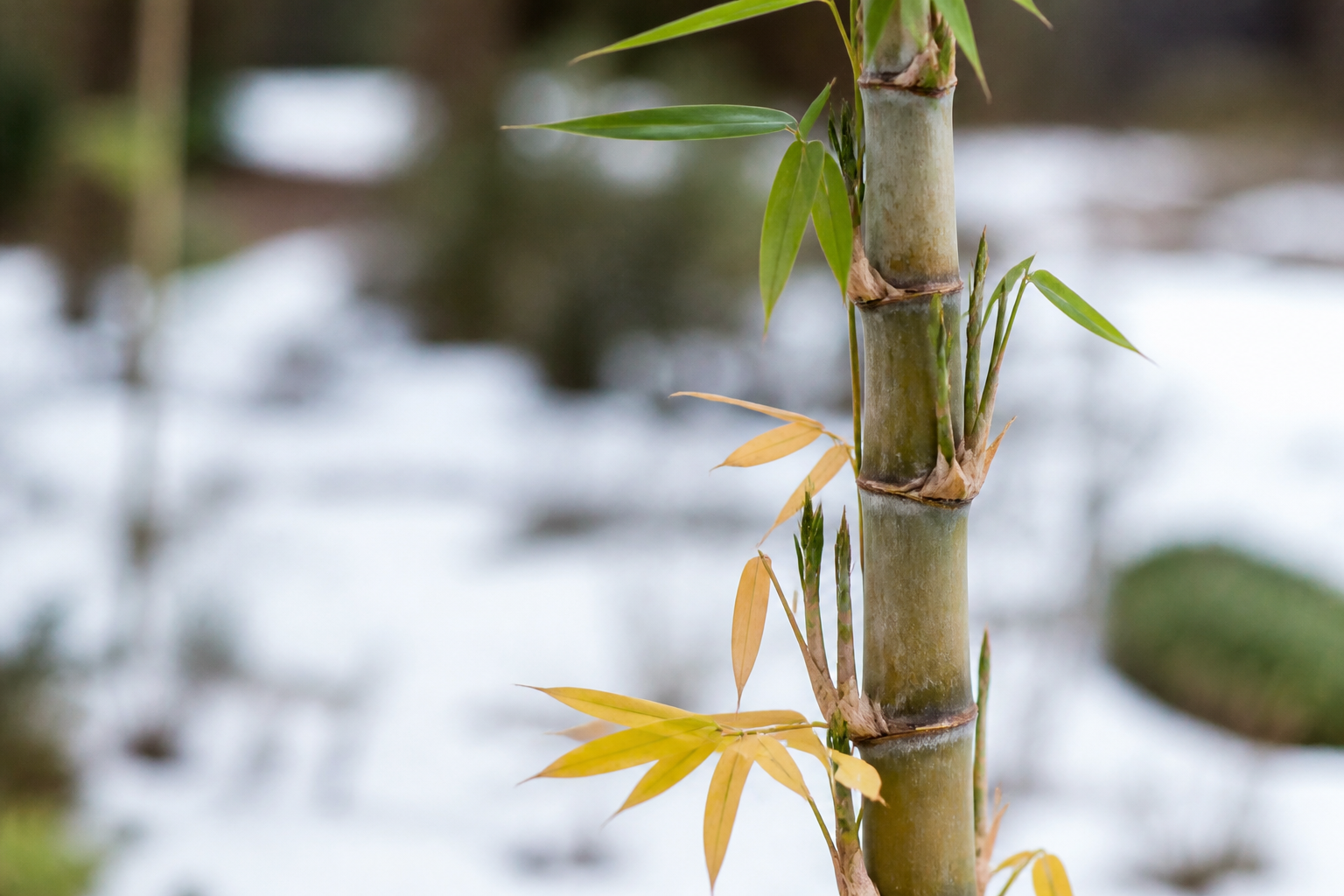
Bamboo is one of the fastest growing trees. During the first year bamboo trees grow up to 80 feet. Harvesting bamboo can begin during the fourth year and then continue annually, removing 20% of the tree without affecting the environment or the continued growth of the bamboo. This results in bamboo trees being much more efficient than other trees which take up to a decade to harvest.
Carbon Sequestration
Along with a fast growing rate, Bamboo also have a high rate of carbon sequestration. Moso Bamboo takes in up to 56 tonnes of carbon per hectare annually. This is almost 5 times as much as Eucalyptus which will sequester around 10 tonnes of CO²/ha per year, though when chopped down it will only retain about 30% of that carbon. Bamboo on the other hand will store up to 90% of the carbon it has sequester and may be retained for decades depending on the life span of the product it is used for. Bamboo will also generate up to 35% more oxygen than trees during the process of photosynthesis.
Fertilizers & Pesticides
Unlike other trees that can be devestated by insects and weeds, Deforestation Bamboo does not require pesticides or fertilizer – some of which used on non-bamboo trees, like Alpha-Cypermethrin, is known to be toxic to fish. Because Bamboo when grown correctly does not harm the enviornment, it is much preferrable to many other tree options.
More on bamboo…
Bamboo is not a get-rich-quick concept. It takes over half a decade to develop tangible grove enough to enter the market. The logic of growing bamboo plantation-style stands up well against the other commonly subsidized long-term crop in the Southern US, such as pine trees.
With all its advantages, bamboo is at a disadvantage in terms of the lack of subsidies and lobbyists which prop up “conventional” crops such as cotton and pine trees. Tests at Auburn University comparing bamboo production to pine production began in the 1930s and continued through the 1960s. Although the research was unfortunately discontinued for reasons not entirely clear, results show that bamboo greatly out-produces loblolly pine in terms of dry wood tonnage per acre.
A summary of this study can be found at Auburn University – Bamboo. Compared to pine, bamboo can be harvested annually after a decade. This is ten to fifteen years sooner than pine. As well, unlike pine, bamboo does not require replanting after thirty years. One of the primary benefits of the efficiency of bamboo over pine is that bamboo can be harvested annually as opposed to pine which can only be harvested every five years.
Latest Blog Posts
-

Bamboo Raised Garden Beds: How a Failed Vegetable Garden Finally Found Its Happy Ending
I still remember standing in my backyard on a humid July afternoon, staring at a patch of sad, yellowing tomato…
-

Building a Bamboo Privacy Screen for My Hot Tub: Full DIY Guide and Real Cost
Last summer, I nearly lost my marriage over a hot tub. Not because of anything scandalous — but because I…
-

90 Days of Bamboo Cooking Utensils: My Honest Eco-Kitchen Experiment Results
I accidentally threw away every metal utensil in my kitchen. On purpose. In a fit of eco-enthusiasm that I can…
-

Why I Replaced All My Plastic Garden Stakes With Bamboo (And Never Looked Back)
I want to tell you about the day I accidentally staked an entire raised bed with what turned out to…
-

Making Bamboo Wind Chimes: The Craft That Made My Neighbor Cry (Happy Tears)
I almost set my backyard on fire trying to make a gift. That’s not a metaphor. There was an actual…
-

Bamboo Sheets Made Me a Morning Person: A Night Owl’s Unlikely 6-Month Conversion
I set my alarm for 6 a.m. exactly once in my adult life — and it was entirely by accident.…