- Garden fork or broadfork — essential for breaking up compacted post-bamboo soil without destroying the structure further
- Soil test kit — don’t skip this; pH correction before seeding saves weeks of frustration
- Compost amendments — Michigan Peat Compost and Manure Blend for bulk areas, Charlie’s Compost with Biochar for targeted soil rebuilding
- All-in-one grass seed products — Scotts Rapid Grass Tall Fescue for large areas, Scotts PatchMaster for medium patches, Scotts EZ Seed for small stubborn spots
- Consistent watering schedule — new seed needs light, frequent moisture in the first two weeks; don’t let it dry out
- Patience — full recovery takes one to
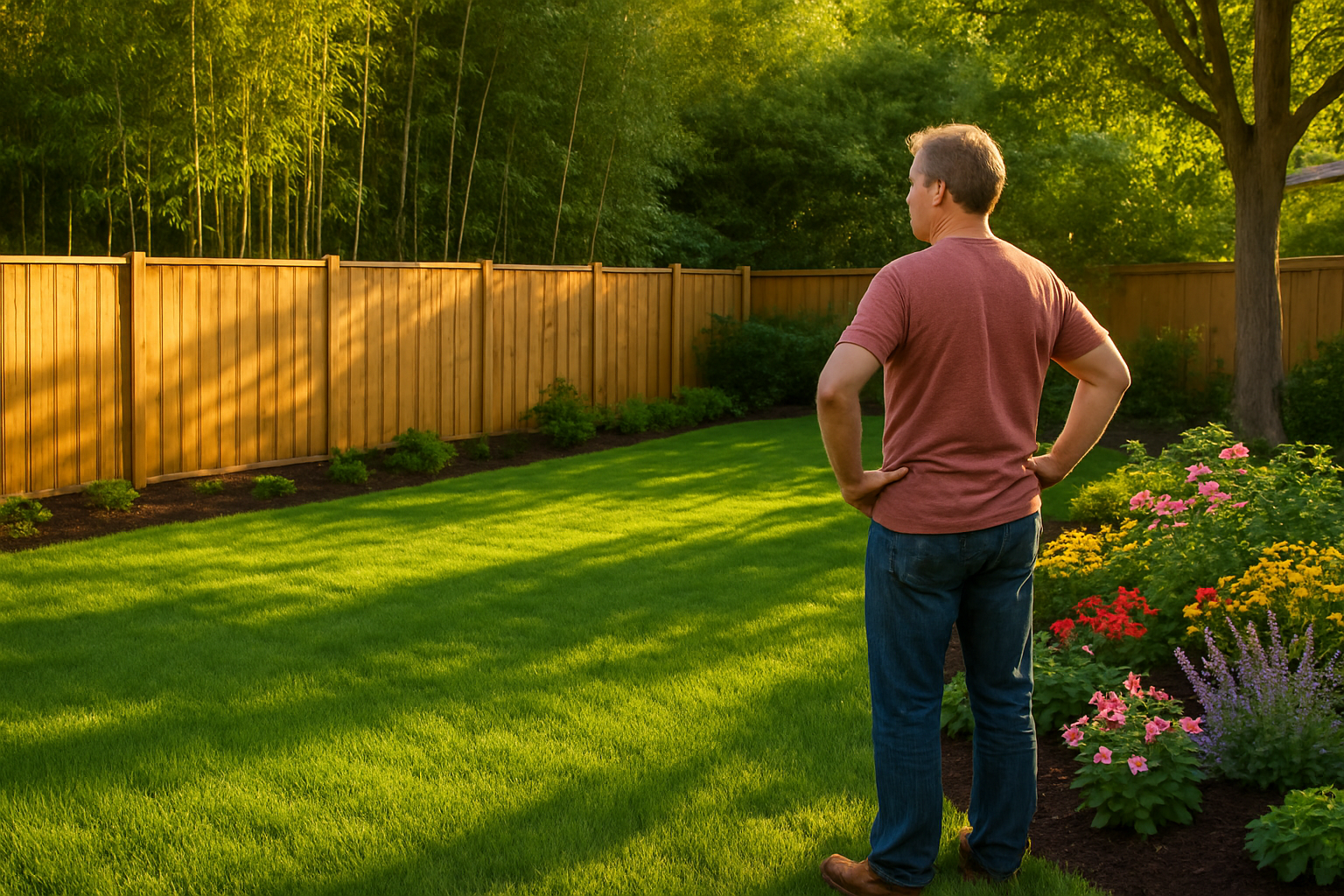
The day the bamboo removal crew finally finished, I stood in my backyard and cried. Not happy tears — at least not yet. I was looking at what used to be a lush corner garden and seeing nothing but a moonscape of churned-up dirt, severed roots, and pale, compacted soil that looked like it hadn’t seen sunlight in years. I’d spent nearly $3,000 having a running bamboo grove removed, and now I had a bigger problem than the bamboo itself: a yard that looked completely destroyed. My partner was not thrilled. Our summer backyard plans were on hold indefinitely, and I had no idea where to start. If you’re standing in a similar spot right now, trying to figure out how to restore your yard after bamboo removal, I want you to know — it gets better. Here’s exactly what I learned the hard way so you don’t have to.
This post contains affiliate links. As an Amazon Associate, I earn from qualifying purchases.
Why Bamboo Leaves Such a Mess Behind
Before we get into the recovery plan, it helps to understand what you’re actually dealing with. Bamboo — especially running varieties like Phyllostachys — spreads through an aggressive underground rhizome network that can extend 15 to 20 feet beyond the visible canes. When those rhizomes are cut, dug up, or treated with herbicide, they leave behind a soil environment that is genuinely depleted. Years of dense bamboo growth create deep shade, which suppresses competing plants and microbes. The soil beneath a mature grove is often compacted, low in organic matter, and missing the beneficial fungi and bacteria that healthy lawn grass depends on. In other words, you’re not just filling in a bare patch — you’re essentially rebuilding a small ecosystem from scratch.
One thing I didn’t expect: bamboo roots also alter soil pH over time. The dense leaf litter that accumulates can make the soil more acidic, which means some grass seed and flowering plants will struggle until you correct the chemistry. Getting a basic soil test before you plant anything is genuinely worth the $15 to $20 it costs. Your local cooperative extension office usually offers them, or you can find DIY kits online.
What I Tried — And What Actually Worked
Step 1: Clear the Debris and Let It Breathe
After the crew left, I spent an entire weekend raking out broken rhizome pieces, picking up leftover root fragments by hand, and loosening the compacted topsoil with a garden fork. This step is not glamorous, but it matters enormously. Any rhizome fragment you leave behind is a potential bamboo resurgence. I found pieces popping back up six weeks later from roots I missed — so stay vigilant through the first growing season and pull any new shoots immediately before they harden off.
Step 2: Amend the Soil Before You Seed
This is the step that made the biggest difference for me. I worked a generous layer of compost into the top four to six inches of soil across the entire affected area. I used Michigan Peat Compost and Manure Blend for the larger sections — it’s nutrient-rich, odor-free, and blends beautifully into compacted clay-heavy soil like mine. For the smaller planting pockets where I wanted to add extra life to the soil, I mixed in Charlie’s Compost Organic Fertilizer with Biochar, which is fantastic for improving soil structure and helping beneficial microbes get re-established. The difference between the sections I amended and the sections I seeded directly into untreated soil was dramatic and humbling.
Step 3: Choose the Right Grass Seed for the Job
Not all grass seed is created equal, and after bamboo removal you’re often dealing with a mix of sun and shade conditions as your yard transitions back to normal. I made the mistake of buying a cheap generic seed blend the first time and ended up with patchy, thin coverage. The second attempt, using better products, changed everything.
For the larger bare sections, I went with Scotts Turf Builder Rapid Grass Tall Fescue Mix. The combination of seed and fertilizer is formulated to establish quickly — I started seeing real coverage in about three weeks, which did wonders for my morale and my relationship. For medium-sized patches, Scotts PatchMaster Lawn Repair Mix Sun + Shade was my go-to. It’s an all-in-one product with seed, fertilizer, and mulch in a single application, which means less work and more consistent moisture retention. And for the stubborn small spots that kept failing — often in areas with tricky drainage or foot traffic — Scotts EZ Seed Patch & Repair finally got them filled in. That product’s mulch component expands when wet and creates almost a protective cocoon around the seed. Highly recommend for problem areas.
Tools I Used and Lessons I Learned
Here’s a quick summary of what actually helped throughout the restoration process:
- Garden fork or broadfork — essential for breaking up compacted post-bamboo soil without destroying the structure further
- Soil test kit — don’t skip this; pH correction before seeding saves weeks of frustration
- Compost amendments — Michigan Peat Compost and Manure Blend for bulk areas, Charlie’s Compost with Biochar for targeted soil rebuilding
- All-in-one grass seed products — Scotts Rapid Grass Tall Fescue for large areas, Scotts PatchMaster for medium patches, Scotts EZ Seed for small stubborn spots
- Consistent watering schedule — new seed needs light, frequent moisture in the first two weeks; don’t let it dry out
- Patience — full recovery takes one to
Tag: lawn restoration
-
Restoring Your Yard After Bamboo Removal: What Thrived and What Didn’t