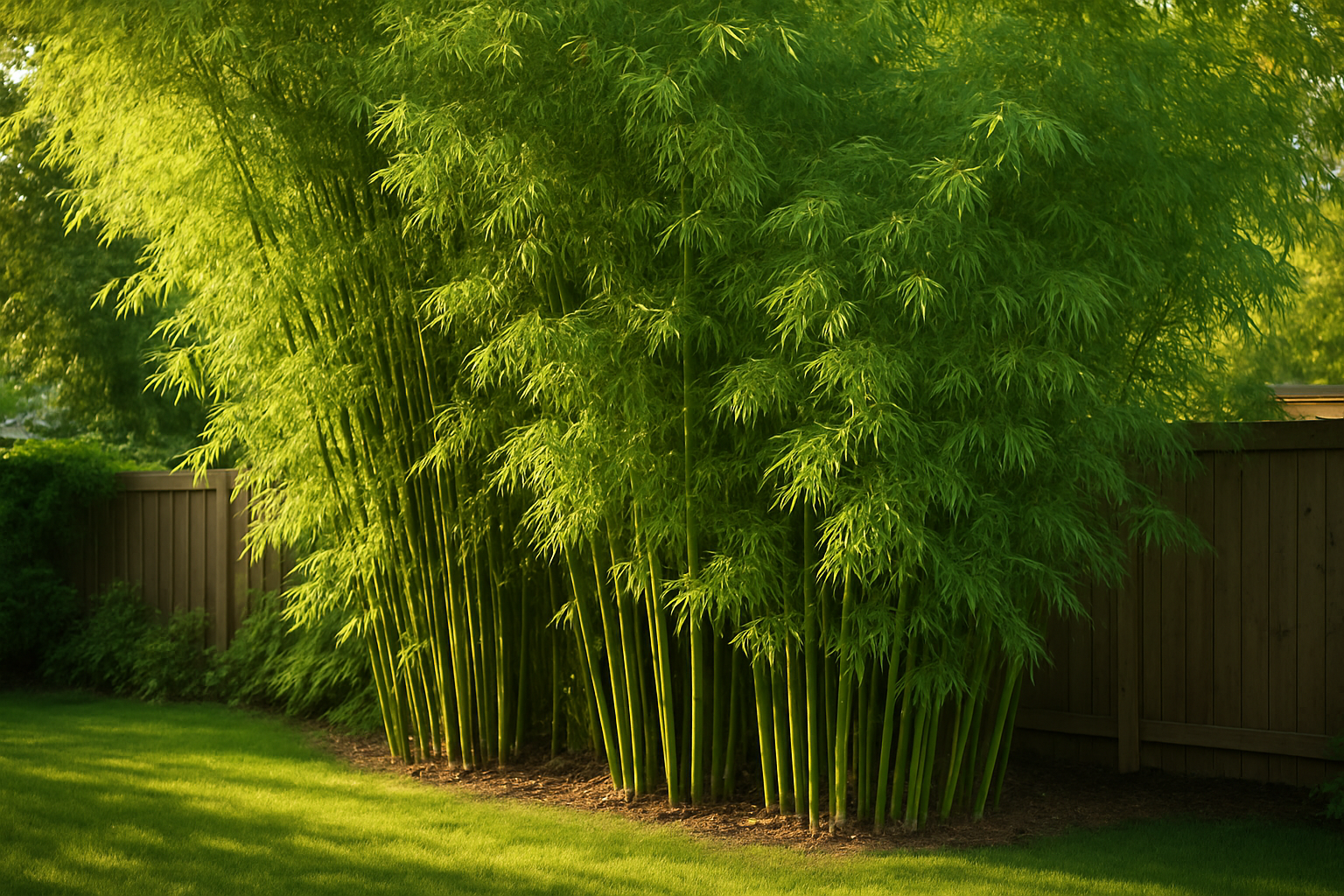
My husband Dave and I don’t fight often, but the summer I decided to plant a bamboo privacy fence along our back property line, we came closer to a real blowup than we had in fifteen years of marriage. I’m talking slammed doors, silent dinners, and one very tense conversation in the driveway at 10 PM with a flashlight and a root barrier brochure. What started as a simple dream — a lush, green wall of privacy between our yard and our neighbors’ — turned into a months-long saga involving dead plants, unexpected costs, and one very justified “I told you so.” But here’s the thing: it also ended with the most beautiful, functional garden feature we’ve ever created together. Let me tell you the whole messy story.
This post contains affiliate links. As an Amazon Associate, I earn from qualifying purchases. I only recommend products I’ve personally used or genuinely trust for your bamboo gardening projects.
How a Simple Weekend Project Became a Marital Crisis
It started innocently enough. Our neighbors built a deck that looked directly into our backyard, and suddenly our private little sanctuary felt like a fishbowl. I started researching options — wooden fences, vinyl panels, ornamental shrubs — and kept landing on the same answer: bamboo. It grew fast, stayed green year-round in our zone, and looked absolutely stunning in every photo I found. I was sold before Dave even knew I was shopping.
Here’s where I made my first mistake. I bought twelve running bamboo plants from a discount nursery without fully understanding what “running” meant. I figured bamboo was bamboo. I wanted fast growth, and running varieties promised exactly that. What I didn’t realize was that without proper containment, running bamboo spreads aggressively through underground rhizomes — sometimes traveling ten or more feet in a single season. I planted all twelve along our fence line one Saturday afternoon while Dave was watching football, figuring I’d explain later.
By the following spring, shoots were popping up in our vegetable garden, through a crack in the patio, and — most dramatically — in the neighbor’s flower bed on the other side of the fence. Our neighbor Janet was not amused. Dave was even less amused. That was the driveway flashlight conversation. It was not our finest hour.
What I Wish I’d Known Before Installing a Bamboo Privacy Fence
After the Great Rhizome Incident, I did what I should have done from the beginning: actual research. Lots of it. And I want to share everything I learned so you don’t have a driveway flashlight moment of your own.
Running vs. Clumping Bamboo — Know the Difference
This is the single most important decision you’ll make. Running bamboo spreads laterally through rhizomes and can become invasive without barriers. Clumping bamboo grows in a tight, expanding clump and stays much more manageable. For a privacy screen in most residential yards, clumping varieties like Fargesia or Bambusa are far safer choices — especially if you have neighbors or garden beds nearby. Running varieties like Phyllostachys can still work beautifully, but only with proper rhizome barriers installed first.
Root Barriers Are Non-Negotiable for Running Types
If you’re committed to a running variety for faster growth or cold hardiness, install a high-density polyethylene rhizome barrier at least 24–30 inches deep around your planting area. Bury it at a slight outward angle so rhizomes are deflected upward, where you can spot and trim them. Skipping this step is exactly how you end up apologizing to your neighbor Janet.
Spacing and Soil Prep Matter More Than You Think
For a privacy screen, plant clumping varieties 3–5 feet apart. They’ll fill in over two to three seasons and create a dense, beautiful wall. Amend your soil with compost and ensure good drainage — bamboo hates soggy roots. A slow-release fertilizer high in nitrogen will encourage that lush, leafy growth you’re after during the first growing season.
Tools and Supplies I Recommend for the Job
Doing this right the second time around, Dave and I invested in a few quality tools that made the whole process smoother and actually saved us money in the long run. Here’s what I’d recommend having on hand before you start:
- A heavy-duty spade or trenching shovel — Installing root barriers means digging a trench 24–30 inches deep along your entire planting area. A sharp, long-bladed spade is worth every penny.
- High-density polyethylene rhizome barrier (60 mil or thicker) — Don’t cheap out here. Thin barriers can be punctured by aggressive rhizomes. Look for commercial-grade options rated specifically for bamboo.
- A soil pH meter — Bamboo thrives in slightly acidic soil between 6.0 and 6.5. Knowing your starting point helps you amend correctly before planting.
- Slow-release nitrogen fertilizer — A balanced fertilizer with a higher nitrogen content supports vigorous cane and leaf growth in the establishment years.
- A quality garden hose with an adjustable nozzle — Newly planted bamboo needs consistent moisture while it establishes, especially in the first summer. Deep, regular watering beats shallow daily sprinkles every time.
You can find all of these on Amazon — search specifically for “60 mil bamboo rhizome barrier” and read reviews carefully to make sure you’re getting a product rated for aggressive running varieties.
The Redemption Arc (Yes, There Is One)
That fall, after the disaster was cleaned up and the peace treaty with Janet had been signed (in the form of a very nice bottle of wine and a sincere apology), Dave and I started over. Together this time. We spent a weekend researching clumping varieties suited to our climate — we’re in zone 7 — and landed on Fargesia robusta, sometimes called the Campbell bamboo. Cold-hardy, clumping, elegant, and fast enough to give us meaningful privacy within two seasons.
We dug the trench together. We amended the soil together. Dave, who had initially wanted nothing to do with any bamboo ever again, became genuinely invested in getting it right. There was something unexpectedly bonding about doing the hard, dirty work side by side with a shared goal. By the second summer, the canes were reaching six feet and filling in beautifully. By the third, we had the lush green privacy screen I’d originally dreamed of — without a single shoot in the wrong place.
Last July, we had dinner on the back patio — the one the bamboo now screens perfectly from the neighbors’ deck. Dave looked over at the swaying green wall and said, completely unprompted, “Okay. It was worth it.” Fifteen years of marriage and that might be one of my favorite things he’s ever said to me.
If you’re dreaming of your own bamboo privacy fence, please learn from my expensive, marriage-straining mistakes. Choose the right variety for your space, prepare your soil, contain what needs containing, and — if you have a partner — maybe loop them in before you buy twelve plants on a Saturday morning. The result, when you do it right, is genuinely magical. And I promise the journey there is worth every bit of effort.