- Bamboo Plant Food – Liquid Plant Food for New Shoot Growth, Rich Green Leaves & Strong Root Development, 8 oz — my go-to for regular bamboo feeding
- All Purpose NPK Fertilizer – Complete Liquid Plant Food for Balanced Nutrition, Vigorous Growth & Strong Root Development, 8 oz — great all-around option for the whole garden
- Lucky Bamboo Fertilizer – Liquid Plant Food for Greener Stalks, Healthy New Shoots & Steady Growth, 32 oz — ideal for indoor and container lucky bamboo
- Fertilome Chelated Liquid Iron and Other Micronutrients, 16 oz — great for treating chlorosis in smaller plantings
Why Are My Bamboo Leaves Turning Yellow? The 6 Most Common Causes
1. Nutrient Deficiency (Yes, Including My Tomato Fertilizer Disaster)
Bamboo is a heavy feeder, especially nitrogen. When it doesn’t get enough, the older leaves start yellowing first as the plant pulls nutrients from them to support new growth. The fix? A proper, balanced plant food formulated for the job. After my tomato food debacle, I switched to a dedicated Bamboo Plant Food — a liquid formula specifically designed to promote rich green leaves, new shoot growth, and strong root development. The difference was visible within weeks. If you want a broader option that works across your whole garden, the All Purpose NPK Fertilizer is a solid liquid plant food for balanced nutrition and vigorous growth across the board.
2. Iron Deficiency (Chlorosis)
This one is sneaky because it looks a lot like a nitrogen problem at first glance. The telltale sign of iron deficiency — technically called chlorosis — is yellowing leaves where the veins stay green. It’s especially common in alkaline soils or areas with hard water. I had a mild case of this alongside my nutrient mess, and chelated iron was the solution. I’ve used both the Fertilome Chelated Liquid Iron and Other Micronutrients (great for smaller gardens) and the Southern Ag Chelated Liquid Iron in the 1-gallon size for larger plantings. Chelated forms are absorbed far more efficiently than standard iron supplements, so don’t skip the “chelated” part when you’re shopping.
3. Overwatering or Poor Drainage
Bamboo loves moisture but absolutely hates soggy roots. Waterlogged soil suffocates the roots and leads to — you guessed it — yellow leaves. If your bamboo is planted somewhere that pools water after rain, that’s likely your problem. Make sure your planting area has good drainage, and let the top inch of soil dry out slightly between waterings. When in doubt, stick your finger in the soil before you reach for the hose.
4. Underwatering and Drought Stress
On the flip side, bamboo that’s too dry will also throw a yellow leaf tantrum — especially during hot summers. The leaves may also curl inward to conserve moisture. Deep, infrequent watering is better than a light daily sprinkle. Get the water down to the root zone where it actually matters, and consider a layer of mulch to help the soil retain moisture between waterings.
5. Natural Seasonal Shedding
Here’s one that catches a lot of new bamboo growers off guard: bamboo sheds old leaves naturally, usually in spring. It’s completely normal for a portion of the leaves to yellow and drop as the plant pushes out fresh new growth. If the yellowing is spread across older inner leaves and your bamboo otherwise looks healthy, take a breath. You’re probably fine. This is the one situation where the answer is genuinely just to leave it alone and let nature do its thing.
6. Root Bound or Compacted Roots
Container-grown bamboo can become root bound surprisingly fast — bamboo is ambitious that way. When roots have nowhere left to go, the plant stresses out and starts showing it through yellowing leaves. If your potted bamboo hasn’t been repotted in a couple of years, tip it out and check. If the roots are circling the pot or bursting out of drainage holes, it’s time to size up or divide the plant. For lucky bamboo specifically, the Lucky Bamboo Fertilizer in a generous 32-oz size can also help a stressed container plant recover once it has the space it needs.
Tools I Use and Recommend
After my fertilizer fiasco, I got a little more intentional about what I keep in my garden shed. Here’s a quick reference to the products I mentioned throughout this post:
- Bamboo Plant Food – Liquid Plant Food for New Shoot Growth, Rich Green Leaves & Strong Root Development, 8 oz — my go-to for regular bamboo feeding
- All Purpose NPK Fertilizer – Complete Liquid Plant Food for Balanced Nutrition, Vigorous Growth & Strong Root Development, 8 oz — great all-around option for the whole garden
- Lucky Bamboo Fertilizer – Liquid Plant Food for Greener Stalks, Healthy New Shoots & Steady Growth, 32 oz — ideal for indoor and container lucky bamboo
- Fertilome Chelated Liquid Iron and Other Micronutrients, 16 oz — great for treating chlorosis in smaller plantings
Tag: bamboo care problems
-
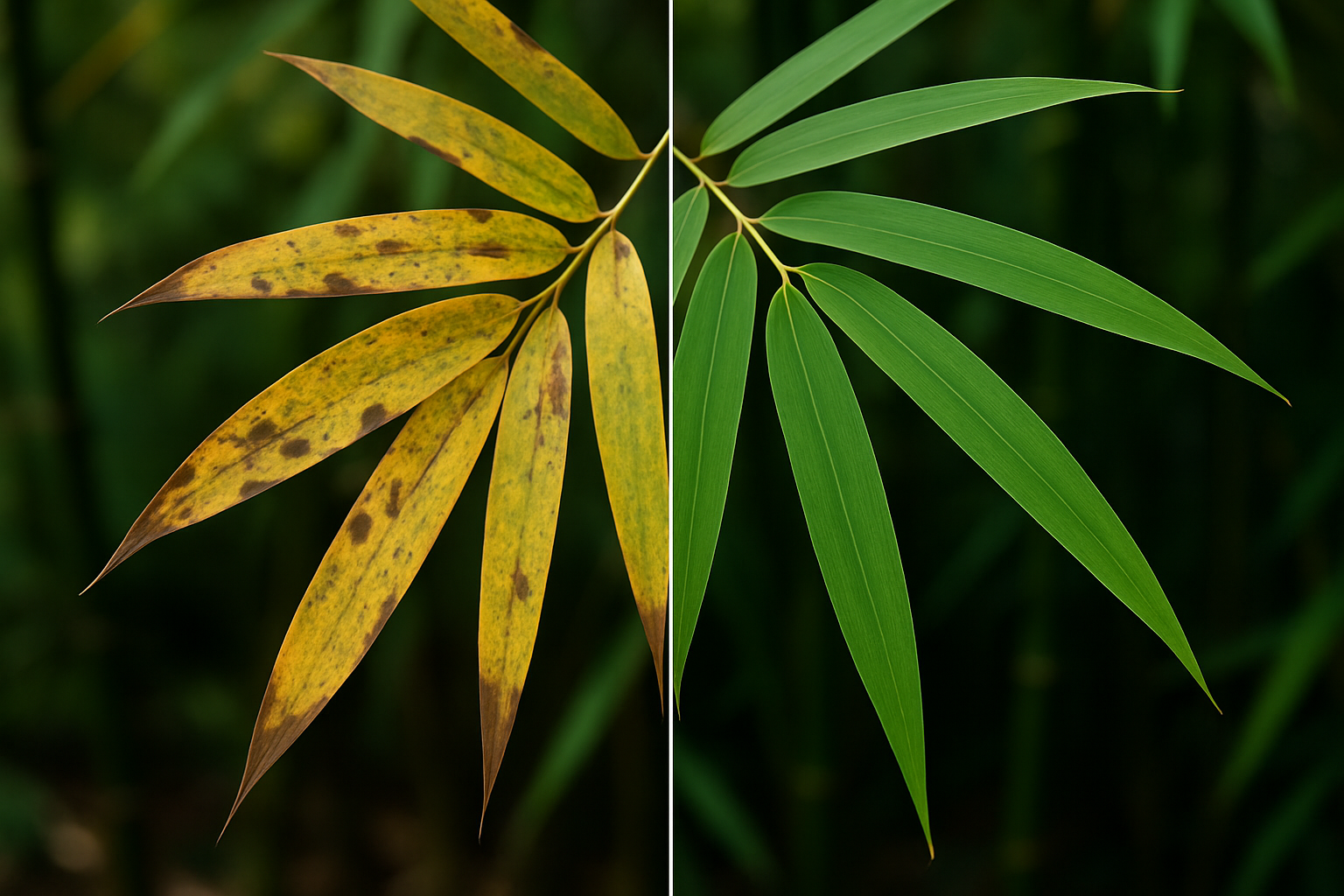
Why Bamboo Leaves Turn Yellow: 6 Causes I Discovered the Embarrassing Way