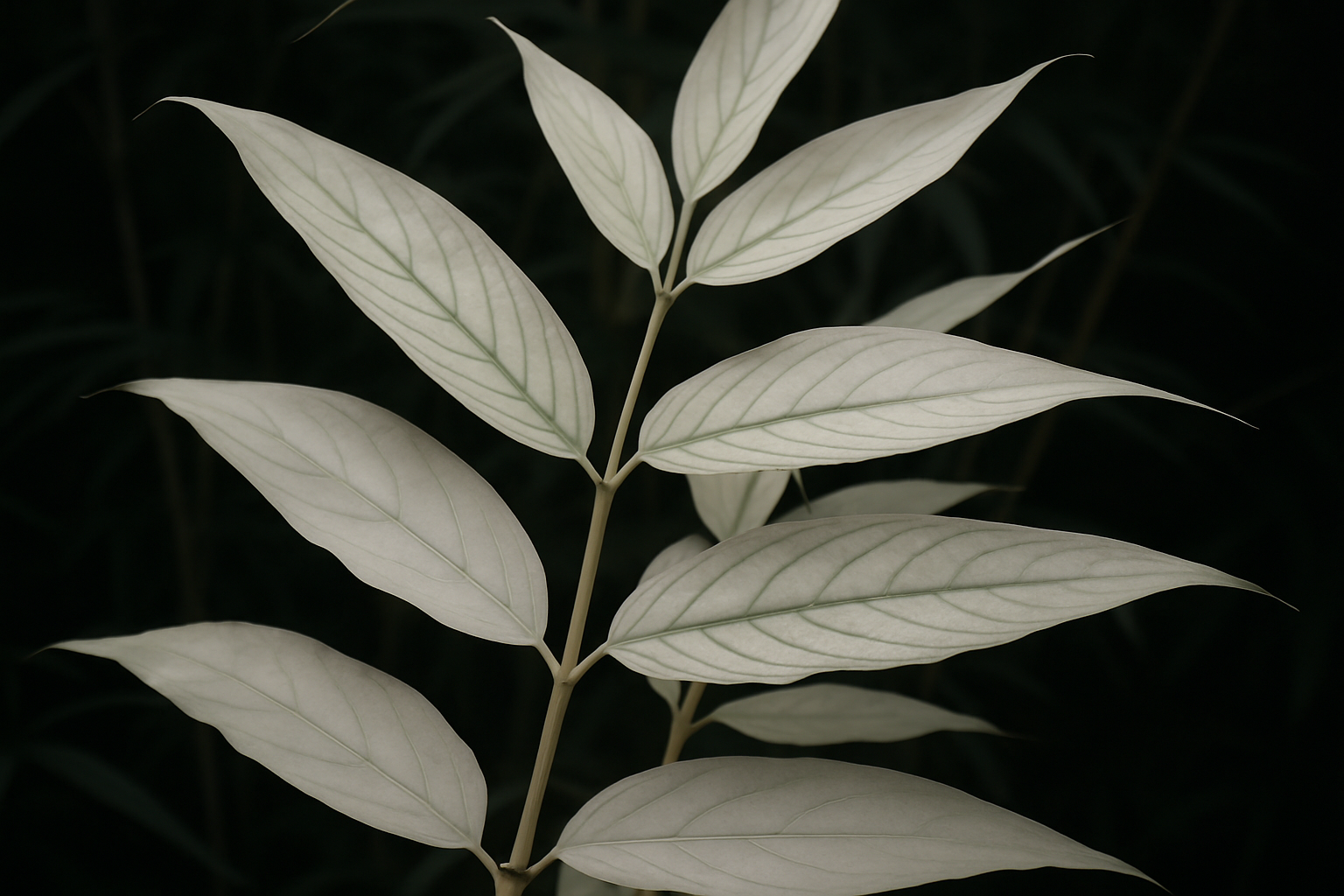
I stood in my backyard staring at my prized Phyllostachys aurea, and my stomach dropped. The leaves — once a deep, glossy green — had turned a sickly, almost ghostly yellow-white. Not just a few leaves. Nearly the entire grove. I had spent three years and more money than I care to admit building that screen of golden bamboo, and it looked like it was dying right in front of me. I didn’t know it yet, but what I was looking at was bamboo iron chlorosis, and solving that mystery would take me on a two-month journey of frustration, failed fixes, and finally — one genuinely satisfying breakthrough.
This post contains affiliate links. As an Amazon Associate, I earn from qualifying purchases.
When “Just Add Fertilizer” Doesn’t Work
My first instinct was nitrogen deficiency. I mean, yellowing leaves usually mean the plant needs feeding, right? So I dumped a generous helping of balanced granular fertilizer around the base of the grove and waited. Two weeks later, the leaves looked exactly the same — maybe even a little worse. I tried again with a higher-nitrogen formula. Nothing. At this point I was probably $80 into fertilizer that was doing absolutely zero good, and my spouse was starting to give me the look. You know the one. The we spent how much on this bamboo look.
I finally sat down and did what I should have done from the start: I really looked at the pattern of the discoloration. The key detail I had been ignoring was that the leaf veins were staying green while the tissue between them turned yellow and then almost white. That is the classic signature of iron chlorosis — not nitrogen starvation, not overwatering, not a fungal disease. The plant had iron in the soil, almost certainly, but it could not absorb it. And there is a big difference between those two situations.
Understanding Bamboo Iron Chlorosis: What’s Actually Happening
Iron is one of the micronutrients bamboo needs to produce chlorophyll. Without enough available iron, the plant cannot synthesize chlorophyll properly, and the green fades out of the leaf tissue between the veins — a symptom called interveinal chlorosis. Here is the frustrating part: iron deficiency in bamboo is almost never about a lack of iron in the soil. It is almost always about pH.
When soil pH climbs above about 6.5 to 7.0, iron molecules bond with other compounds and become chemically unavailable to plant roots. The iron is right there in the ground, locked away like money in a safe you cannot open. Bamboo — like azaleas, blueberries, and gardeninas — prefers slightly acidic soil in the 5.5 to 6.5 range. When that pH drifts upward, iron chlorosis follows. My soil test (which I really should have done in week one, lesson learned) came back at 7.4. That explained everything.
A few things can push soil pH up over time: heavy watering with alkaline tap water, lime leaching from a nearby concrete foundation or pathway, or simply the natural mineral composition of your native soil. My bamboo was planted right alongside a concrete retaining wall. There was my culprit.
The Two-Part Fix: Chelated Iron and Soil Acidification
Once I understood what was actually wrong, the solution became clear — and it has two parts that work together. First, you give the plant a fast-acting dose of chelated iron to start recovering the foliage. Second, you bring the soil pH down so the problem does not come right back in a few months.
Step One: Apply Chelated Liquid Iron
Chelated iron is iron that has been chemically bonded to an organic molecule, which keeps it available to plant roots even in higher-pH conditions. It is the fast lane for getting iron into a struggling plant. You can apply it as a soil drench, or for even quicker results, spray it directly on the foliage — the leaves absorb it within hours. Within a week or two of my first application, I started seeing new growth come in with actual green color, and that was the first moment I exhaled in two months.
Step Two: Acidify the Soil
Chelated iron is a treatment, but acidifying the soil is the cure. Sulfur-based soil acidifiers lower pH gradually over several weeks, making the native iron in your soil permanently more available. You have to be patient — this is not an overnight process — but the results last. I applied a soil acidifier in early spring and tested the pH again eight weeks later. I had dropped from 7.4 down to 6.6. Not perfect, but well within the range where iron becomes available again. Combined with the chelated iron treatments, that grove came all the way back.
Products That Genuinely Helped Me
I went through a fair amount of trial and error before landing on products that actually worked. Here is what I ended up using and recommending to anyone dealing with the same problem.
For Quick Iron Supplementation
- Fertilome Chelated Liquid Iron and Other Micronutrients (16 oz) — This was my go-to for foliar spraying. It also includes other micronutrients like manganese and zinc, which is helpful because high-pH soils often lock out multiple minerals at once.
- Southern Ag Chelated Liquid Iron (1 Gallon) — If you have a large grove or plan to do repeated treatments, buying in bulk saves a lot of money. This gallon size is excellent value and works beautifully as a soil drench around the rhizome zone.
- Bloom City Organic Chelated Liquid Iron (8 oz) — A great option if you prefer to keep things organic. Smaller bottle, perfect for a single specimen planting or a quick foliar treatment to see if iron is your actual problem before committing to a larger purchase.
For Correcting Soil pH
- Fertilome Soil Acidifier Plus Iron (1 Gallon) — My personal favorite for this job because it does double duty: it lowers pH with sulfur while simultaneously delivering iron. One product, two problems addressed. The gallon size is what I use for maintaining the entire grove.
- Fertilome Soil Acidifier Plus Iron (32 oz) — Same excellent formula in a smaller size, which is perfect for spot-treating a single bamboo plant or trying it out before scaling up to the full gallon.
My practical advice: start with a chel