Tag: bamboo fence durability

  • How Long Does Bamboo Fencing Last? Honest Answer After 3 Years of Real-World Testing
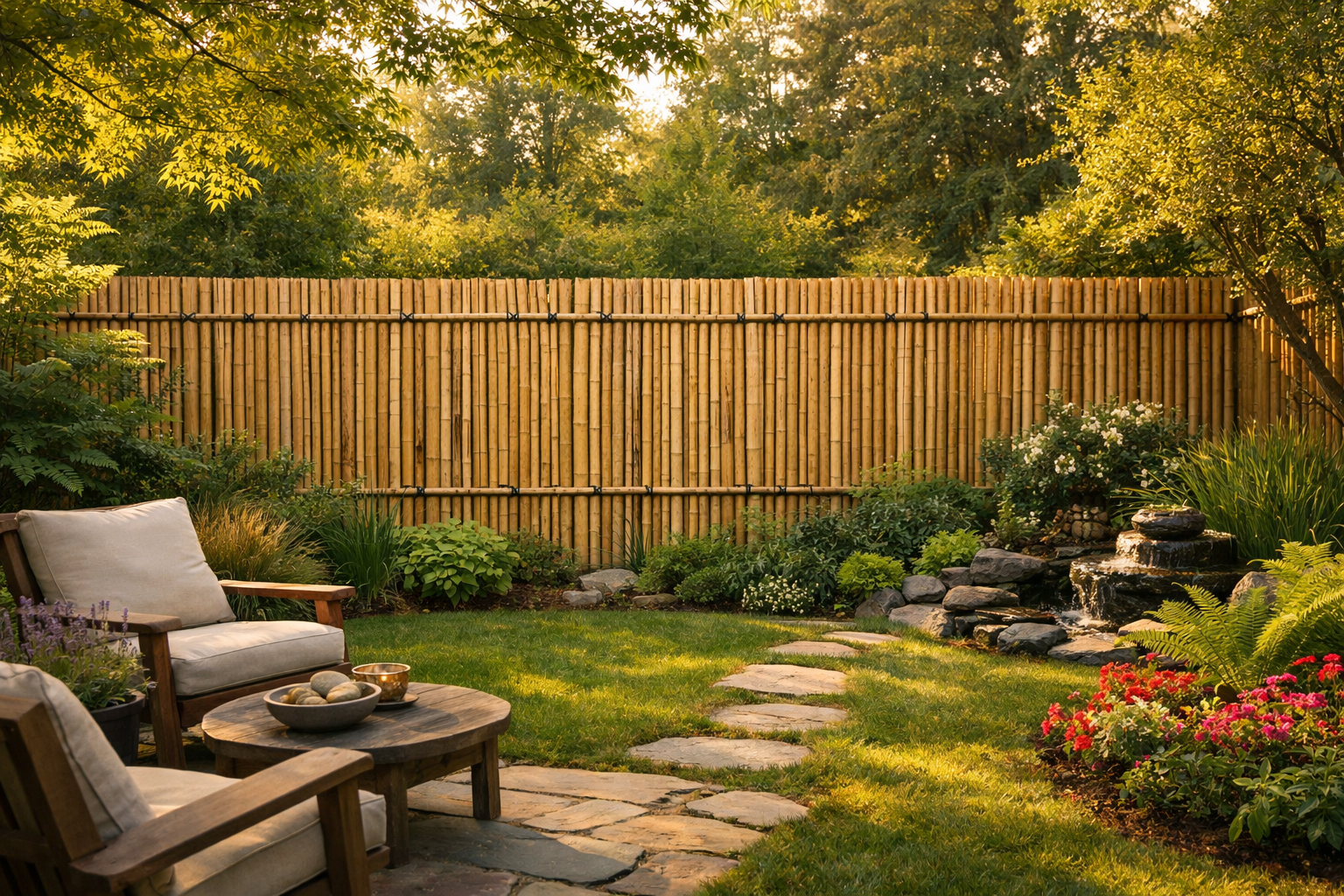
    How Long Does Bamboo Fencing Last? Honest Answer After 3 Years of Real-World Testing

    This post contains affiliate links. As an Amazon Associate I earn from qualifying purchases at no extra cost to you.

    It was a gray Tuesday morning in November — the kind where the rain has been going since Thursday and you have genuinely stopped noticing — when I walked out to my back fence and just stood there with my coffee going cold. I had installed bamboo fencing along my back property line about three years prior, mostly because I was tired of staring at my neighbor’s very ambitious chicken coop situation. And standing there in the drizzle, I found myself wondering: so how long does bamboo fencing last, really? Not the number that shows up on product pages. The real answer. The one you get after three Pacific Northwest winters have had their way with something.

    I went looking online and found what I always find: vague ranges like “5 to 20 years” with zero context, zero conditions, zero honesty about the variables that actually matter. So here is my actual, lived, slightly humbling account of what happened to my bamboo fencing over three years of real weather, real neglect, and one incident involving a very large branch that I will get to.

    How Long Does Bamboo Fencing Last? Honest Answer After 3 Years of Real-World Testing — image 1

    What I Installed and Why It Matters

    Context matters enormously with bamboo fencing because not all bamboo fencing is the same material in any meaningful sense. My original install was a rolled bamboo slat fence — individual bamboo poles, roughly three-quarters of an inch in diameter, wired together horizontally. I attached it to an existing wooden frame with zip ties and a few galvanized staples, which felt smart at the time and turned out to be partially right.

    If I were starting over today, I would look closely at options like the 6.5ft x 13ft Bamboo Slat Screening Roll or the Forever Bamboo Natural Bamboo Fencing Rolled Fence Panel, which is a 6 ft by 8 ft roll with nicely uniform 0.75-inch poles. The diameter and density of the poles genuinely affect how long the fencing holds up, because thicker poles shed water better and take longer to degrade from the inside out. Thin, tightly packed reed-style fencing behaves completely differently from chunky pole-style fencing, and lumping them together in a lifespan estimate is part of why all those online answers are useless.

    The other enormous variable is your climate. I am in the Pacific Northwest. We get somewhere between 37 and 55 inches of rain per year depending on the year, and the humidity in winter is genuinely oppressive. If you are in Arizona or Southern California, your bamboo fencing is going to outlast mine by years, possibly by a decade. Please hold that in mind as you read what follows.

    Year by Year: What I Actually Observed

    Year one was basically fine. I will be honest: I felt smug about year one. The fence looked great, the color was warm and golden, and the chickens were successfully hidden. I did nothing to maintain it, which I mention not as a point of pride but because I think most people’s real maintenance schedule is “approximately nothing for the first year” and it is worth being accurate about that.

    Year two is where it got interesting. By the following fall, some of the poles near ground level had started to develop a grayish cast. A few had visible dark spotting — early-stage mold or mildew working into the surface. The wire holding the rolls together was still structurally sound, but two sections where I had used basic zip ties instead of galvanized wire had started to fail, and one corner of the fence was sagging in a way that felt sad more than catastrophic. I trimmed some overgrown shrubs that had been pushing against one section and that helped more than I expected.

    Year three brought the branch incident. A bigleaf maple dropped a limb in a February windstorm — not a twig, a genuine limb — directly onto a four-foot section of the fence. Two poles snapped cleanly. A third was cracked but still attached. I patched it with a section I had left over from the original install, which worked fine, but it reminded me that bamboo fencing is not structurally forgiving in the way that a wooden board fence is. It is beautiful and natural and it does not love impact.

    How Long Does Bamboo Fencing Last? Honest Answer After 3 Years of Real-World Testing — image 2

    By the end of year three, here is an honest summary of the fence’s condition:

    • The upper two-thirds of the fence: still solid, color faded to a pleasant silver-gray, structurally sound
    • The bottom six inches in any section near soil: noticeably degraded, one section showing real softness when pressed
    • The section under a roof overhang: looked almost like new, which told me everything about what rain exposure actually does
    • Two patched poles from the branch incident: fine, honestly unnoticeable once the whole fence faded to the same gray

    The Factors That Actually Determine Longevity

    After three years of watching this thing weather in real time, here is what I believe actually controls the answer to how long bamboo fencing lasts — more than the brand, more than the price point.

    Ground Contact Is the Enemy

    Any bamboo pole sitting directly on soil or wicking moisture up from pavement is going to degrade dramatically faster than poles that have airflow beneath them. The bottom of my fence that was closest to a raised planter — where the soil was right up against the poles — looked noticeably worse than sections with a few inches of clearance. If you can install your fencing so the bottom edge clears the ground by even two or three inches, do it.

    Hardware Matters More Than the Bamboo

    The wire connecting the poles on quality panels will outlast the bamboo itself if you choose galvanized or stainless. Basic zip ties, meanwhile, UV-degrade and fail in two to three years in a wet climate. If you are attaching panels to a frame, use proper galvanized staples or stainless zip ties rather than whatever is in the junk drawer. Solid metal fence posts — something like the YIDIE Garden Stakes Sturdy Metal Fence Posts — give you a structural backbone that does not rot alongside the bamboo, which means replacing the bamboo facing later without rebuilding the whole structure.

    Sealing Changes the Timeline Significantly

    I did not seal my original fence. I now know that a penetrating wood sealant or tung oil applied at installation and every two years after can meaningfully extend bamboo fencing life, potentially pushing even a wet-climate installation from five years to eight or beyond. It is not glamorous work but it is the single highest-leverage maintenance action available to you.

    Fence Style Affects Lifespan

    Rolled reed-style fencing — where the individual reeds are very thin and tightly bound — has a different relationship with moisture than chunky pole fencing. Reed fencing tends to look weathered faster but can also dry out faster between rains. Products like the VEVOR Reed Fencing Roll in a 5.5 by 16.4 foot size, or the Natural Reed Fencing Rolls with cable zip ties available in multiple heights, are great for decorative privacy screens and balconies where they are partially sheltered. For full outdoor exposure in a rainy climate, I would weight my investment toward thicker-pole options. That said, even the reed-style Natural Reed Fencing Roll in a 6 ft by 16.4 ft size will serve you well for several seasons in drier regions or in sheltered spots.

    How Long Does Bamboo Fencing Last? Honest Answer After 3 Years of Real-World Testing — image 3

    Realistic Lifespan Expectations by Climate

    Since nobody else wants to give actual numbers, here is my best honest estimate based on my experience and what I have read from other gardeners in various regions. These assume decent installation but real-world maintenance levels — meaning occasional, not obsessive.

    • Pacific Northwest, high rainfall: 4 to 6 years for lower-grade panels; 6 to 9 years for quality thick-pole panels with sealing
    • Midwest and Southeast, moderate humidity and summer heat: 5 to 8 years
    • Desert Southwest, low humidity: 10 to 15 years is genuinely achievable
    • Coastal areas with salt air: closer to the Pacific Northwest range, possibly shorter if directly exposed to spray
    • Sheltered balcony or patio installations anywhere: add 3 to 5 years to any of the above

    If you are installing on a balcony or a sheltered patio and want something that is going to look sharp for years with minimal fuss, something like the Sprigra Bamboo Slat Fence in a 4 ft by 13 ft roll is a really solid choice — well-constructed, versatile, and the sheltered exposure is going to be much kinder to it than what my fence went through.

    One thing nobody talks about enough: even when bamboo fencing starts to look weathered and gray, it is often still structurally doing its job. The aesthetic decline happens before the structural decline in most cases. So if you hate the gray color but the fence is still standing firm, that is a sealant-and-stain problem, not a replacement problem. I actually came around to loving the silver-gray look of aged bamboo — it feels intentional in a Japanese garden sort of way, which I am choosing to believe was always the plan.

    How Long Does Bamboo Fencing Last? Honest Answer After 3 Years of Real-World Testing — image 4

    My Honest Recommendation After Three Years

    Here is the bottom line from someone who has watched bamboo fencing age through real winters rather than reading a spec sheet: bamboo fencing is genuinely worth it, but go in with accurate expectations and do two things I did not do.

    First, seal it at installation. Use a penetrating outdoor wood sealant, let it dry fully, then install. Budget an afternoon every two years to reapply. This one step likely adds two to four years to the lifespan and keeps the color warmer longer if that matters to you.

    Second, keep it off the ground. A small clearance gap between your lowest pole and the soil is worth more than any product upgrade you can make. If you need to anchor the structure, use metal posts rather than wood ones so the structural support outlasts the facing.

    If I were buying today for a full outdoor installation in a rainy climate, I would start with