Tag: clumping

  • Choosing Between Spreading and Non-Invasive Bamboo: A Planting Guide

    Choosing Between Spreading and Non-Invasive Bamboo: A Planting Guide

    Understanding Bamboo Growth Patterns

    Bamboo offers incredible versatility for gardens and landscapes. However, choosing the right type requires understanding how different varieties grow. The two main categories—spreading and clumping bamboo—behave very differently in your yard. Each type has distinct characteristics that affect maintenance, containment, and overall garden design.

    Spread patterns determine how much space bamboo will occupy over time. Some varieties stay compact and manageable. Others can travel significant distances underground, potentially invading neighboring properties. Therefore, selecting the appropriate type for your specific situation prevents future headaches and conflicts.
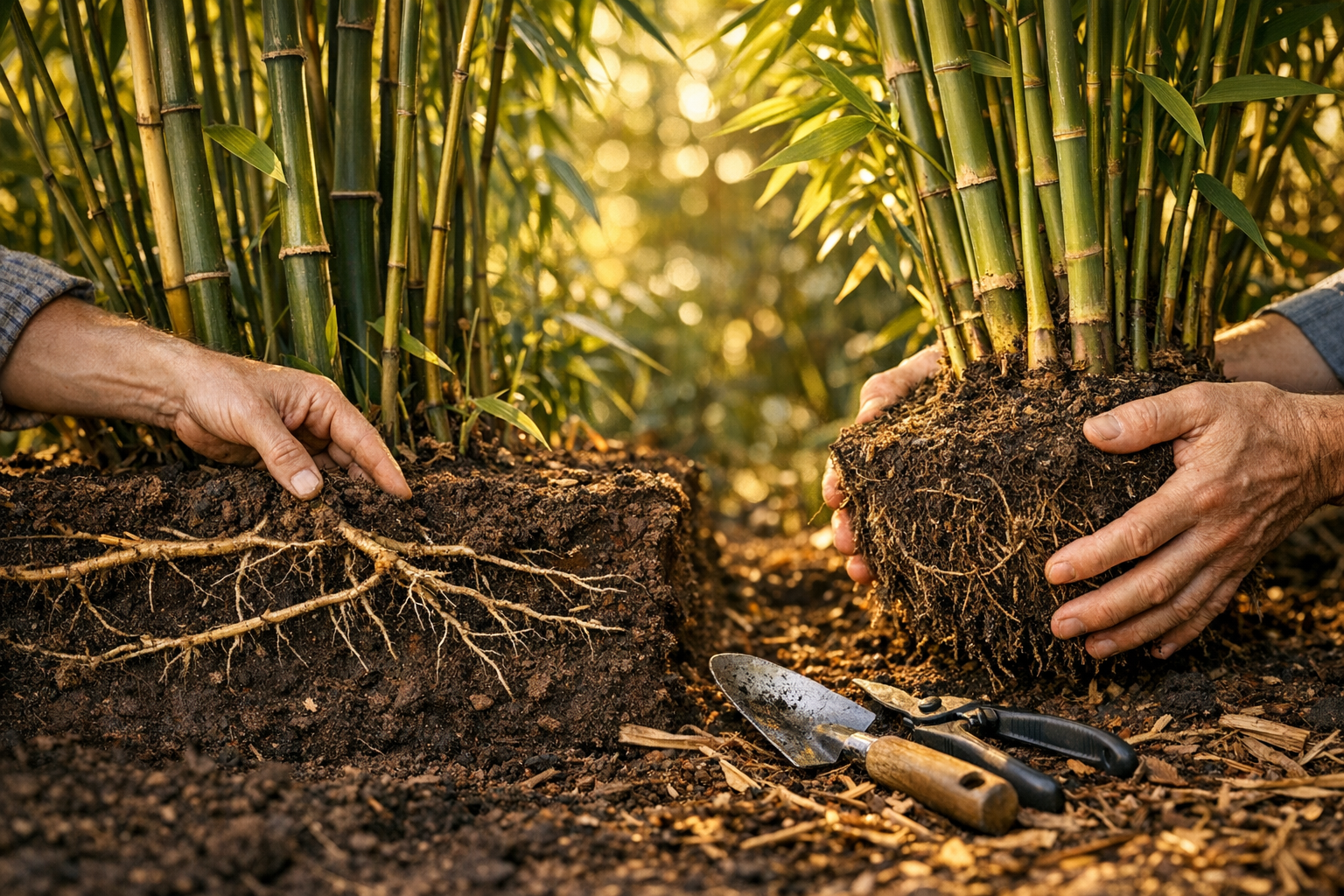
    A serene garden scene captured in soft morning light showing two distinct bamboo varieties growing side by side in a well-maintained backyard, one section featuring tall spreading bamboo with visible underground rhizomes emerging from rich dark soil, while the adjacent section displays clumping non-invasive bamboo growing in a neat, contained formation. A gardener's hands wearing earth-stained gloves are gently examining the root systems of both types, with garden tools like a spade and pruning shears resting on the ground nearby. The composition emphasizes the stark contrast between the two growth patterns, with dappled sunlight filtering through the bamboo leaves creating natural shadows on the mulched ground, while potted bamboo specimens sit in the background awaiting planting, all photographed from a slightly elevated angle that captures the authentic, educational moment of making an informed gardening decision.

    The Science Behind Spreading Bamboo

    Spreading bamboo, also known as running bamboo, features leptomorph rhizomes. These underground stems extend horizontally through the soil. They send up new shoots at various distances from the parent plant. This growth mechanism allows the bamboo to cover large areas quickly.

    If you’re planning to grow bamboo in your garden, having the right tools and materials makes all the difference in managing these fascinating plants successfully. Installing a 50ft 24in 60mil-Tree root barrier around spreading bamboo varieties helps prevent their aggressive rhizomes from invading unwanted areas of your landscape or neighboring properties. For those working with established bamboo plantings, a reliable 50ft Tree Root barrier provides essential protection for garden beds and helps maintain clear boundaries between different planting zones. When it comes time to plant new bamboo specimens or divide existing clumps, a sturdy Fiskars Ergo Garden trowel makes digging through tough soil much easier while reducing hand strain during extended gardening sessions. Maintaining bamboo health requires regular pruning, and a quality pair of Heavy Duty Pruning shears with ratcheting action allows you to trim dead culms and shape your plants without exhausting your hands. If you’re specifically interested in non-invasive varieties, consider starting with a Bambusa eutuldoides Asian Lemon clumping bamboo plant that stays contained naturally and adds tropical beauty to your landscape without the containment concerns. Protecting your hands while working with bamboo is essential, so investing in HANDLANDY Long Gardening gloves with thorn-proof leather construction keeps your skin safe from sharp leaf edges and splinters during maintenance tasks. Monitoring soil conditions becomes simple with an XLUX Soil Moisture meter that helps you determine when your bamboo needs watering without relying on guesswork or potentially overwatering your plants. Feeding your bamboo properly encourages healthy growth, and using an organic plant fertilizer bag with fast-acting water-soluble nutrients provides the essential elements bamboo needs to develop strong culms and lush foliage. Installing EXTRAEASY Weed Barrier fabric around your bamboo planting area suppresses unwanted vegetation while allowing water and nutrients to reach the roots effectively. Finally, for maintaining taller bamboo specimens that have grown beyond easy reach, a SKGPOLE 26FT Reach pole saw with telescoping extension capabilities lets you safely trim high branches and remove dead growth without needing dangerous ladders or professional help.

    The rhizomes can travel 3 to 5 feet per year in favorable conditions. Source Some aggressive species move even faster. They create extensive networks beneath the surface. Consequently, a single plant can transform into a bamboo grove spanning hundreds of square feet.

    Most cold-hardy bamboo varieties fall into this category. Species like Phyllostachys and Pleioblastus thrive in temperate climates. They survive harsh winters that would kill clumping types. However, their vigorous spreading nature demands careful planning and management.

    Growth Characteristics of Running Varieties

    Running bamboo shoots emerge unpredictably across the rhizome network. You might find new culms appearing 10 or 20 feet from the original planting. This expansion continues year after year without intervention. The rhizomes grow relatively shallow, typically in the top 12 to 18 inches of soil.

    These varieties produce slender, long-running rhizomes with pointed tips. The rhizomes can navigate around obstacles and penetrate small openings. Additionally, they often find weak points in barriers and containment systems. Their persistence makes them challenging to control once established.

    During the growing season, running bamboo focuses energy on expansion. It prioritizes horizontal growth over vertical density. This strategy maximizes territory coverage. As a result, running groves often have more space between individual culms compared to clumping varieties.

    How Clumping Bamboo Grows Differently

    Clumping bamboo utilizes pachymorph rhizomes instead. These rhizomes grow much shorter and thicker than running types. They curve upward quickly, producing new culms close to existing ones. This growth pattern creates tight, circular clumps that expand slowly outward.

    The expansion rate averages just 2 to 12 inches per year. Source The clump gradually increases in diameter. However, it maintains a predictable, contained shape. Gardeners can easily anticipate where new growth will appear season after season.

    Most clumping varieties prefer tropical and subtropical climates. Genera like Bambusa and Fargesia dominate this category. Some Fargesia species tolerate cold temperatures, making them suitable for temperate gardens. Nevertheless, the majority of clumping bamboo thrives in warmer regions.
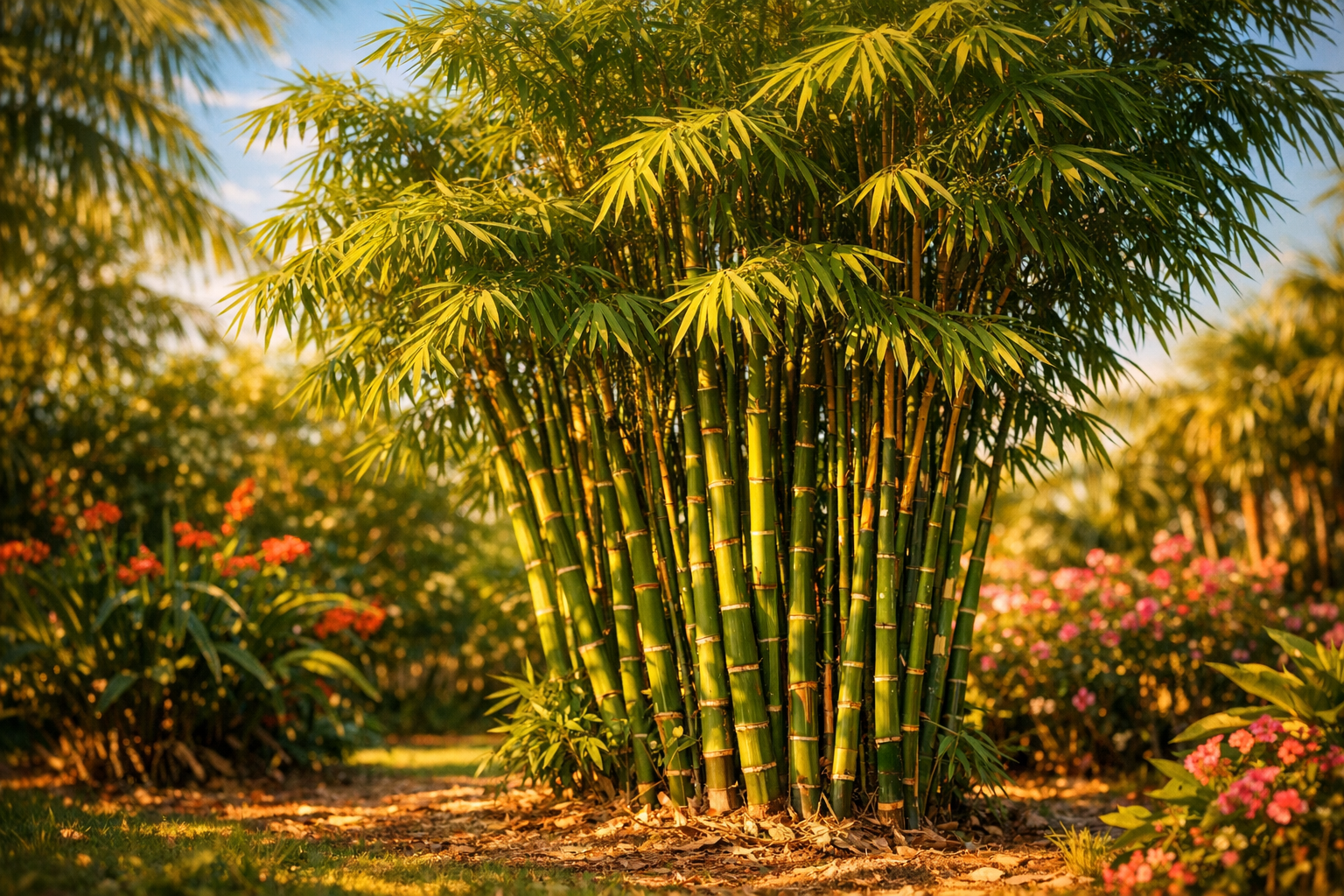
    A sunlit garden scene showcasing dense clusters of clumping bamboo plants with their characteristic tight, compact growth pattern, their vibrant green culms and delicate feathery leaves swaying gently in warm tropical air, shot from a mid-level angle that captures the full height and lush canopy of the bamboo grove against a bright blue sky, with dappled sunlight filtering through the foliage creating natural shadows on the ground below, surrounded by other warm-climate vegetation and flowering plants in the background, photographed during golden hour with that authentic Instagram aesthetic showing rich greens and warm natural tones, shallow depth of field keeping the bamboo stalks in sharp focus while softly blurring the background elements

    Key Features of Clumping Types

    Clumping bamboo develops a dense root system within a confined area. The rhizomes turn upward within inches of emerging from the parent plant. This U-shaped growth pattern prevents long-distance spreading. Furthermore, the tight growth creates lush, full screens and hedges.

    These varieties produce thick, short rhizomes with blunt ends. The rhizomes lack the penetrating power of running types. They respect barriers and boundaries naturally. Consequently, clumping bamboo rarely becomes invasive or problematic for neighbors.

    The predictable growth makes garden planning straightforward. You can plant clumping bamboo with confidence about its future footprint. It won’t surprise you with shoots appearing in unexpected locations. This reliability appeals to gardeners who value control and order.

    Containment Strategies for Running Bamboo

    Installing barriers effectively controls spreading bamboo. The barrier must extend at least 24 to 30 inches deep. High-density polyethylene (HDPE) works best for this purpose. It resists root penetration and lasts for decades underground.

    The barrier should also rise 2 to 3 inches above ground level. This prevents rhizomes from escaping over the top. Create a complete enclosure around the planting area. Leave no gaps where rhizomes might squeeze through. Additionally, angle the barrier slightly outward to redirect rhizomes upward where you can spot them.

    Regular monitoring remains essential even with barriers. Walk the perimeter every few months during growing season. Look for any rhizomes attempting to escape. Prune them immediately using sharp pruners or a spade. This vigilance prevents breakthrough and keeps bamboo contained.

    Alternative Control Methods

    Trenching provides another containment option for running bamboo. Dig a trench 12 to 18 inches deep around the grove. Inspect it monthly for escaping rhizomes. Sever any rhizomes you find with pruning shears. This method requires more maintenance than barriers but costs less initially.

    Planting in large containers or raised beds offers complete control. Use containers at least 24 inches deep and wide. Ensure adequate drainage holes prevent waterlogging. However, containerized bamboo requires regular watering and fertilization. The restricted root space limits ultimate height and density.

    Mowing or cutting around the perimeter also helps. Maintain a 3-foot mowed strip around running bamboo. Cut any emerging shoots immediately. This constant pressure weakens the spreading rhizomes over time. Nevertheless, this approach demands consistent effort throughout the growing season.
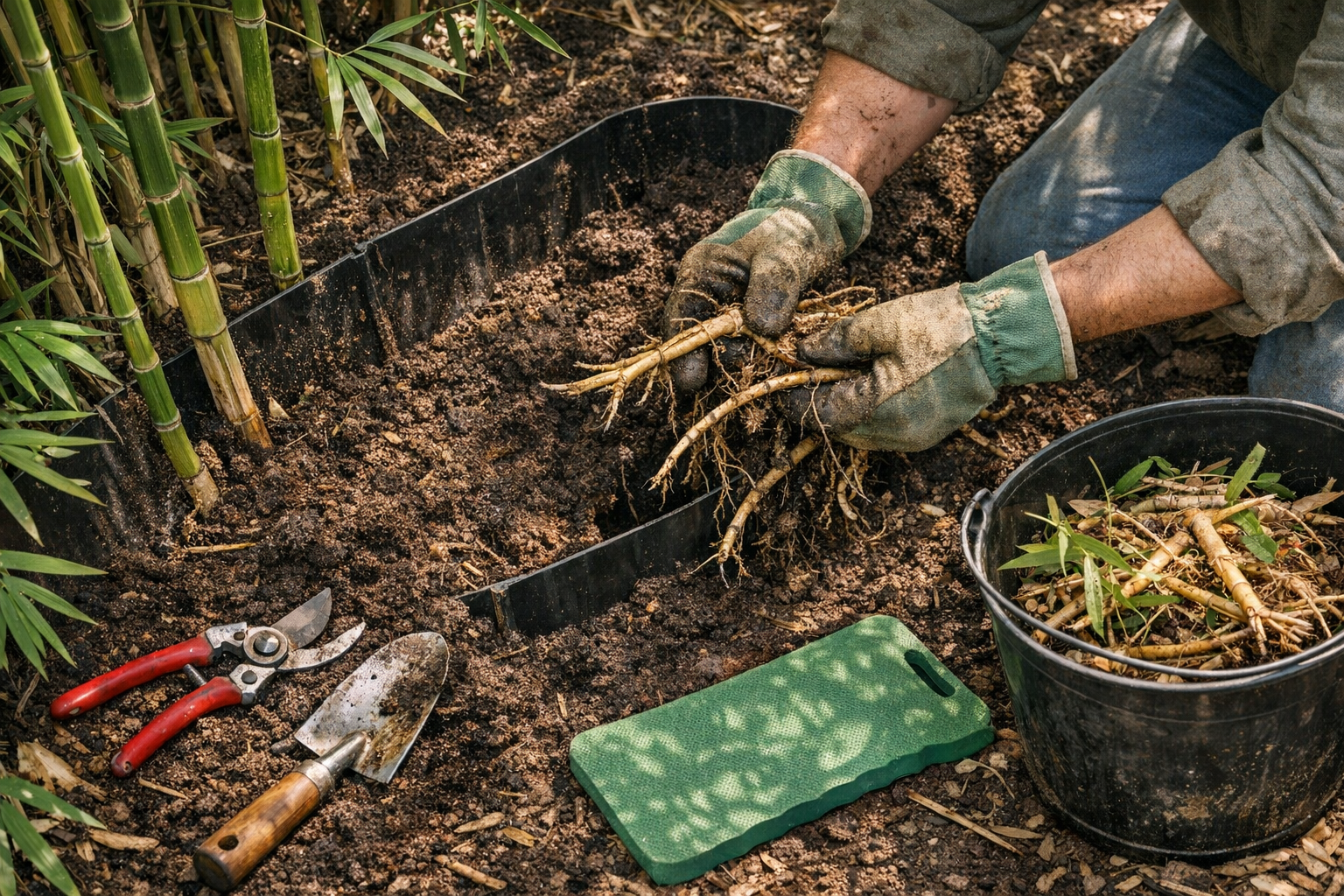
    A close-up overhead shot of gloved hands actively working in a lush garden bed, pulling and managing bamboo rhizomes from rich dark soil, with various garden tools like pruning shears and a small spade scattered nearby on the ground. The scene captures mid-day natural sunlight filtering through tall bamboo stalks in the background, creating dappled shadows across the work area. Fresh green bamboo shoots emerge from the earth while the gardener's arms show dirt-stained sleeves, emphasizing ongoing maintenance work. The composition includes a mix of contained bamboo plants in the foreground with their distinctive segmented canes and feathery leaves, alongside freshly turned soil showing the root barrier installation. Garden kneeling pad and a collection bucket filled with removed plant material sit at the edge of the frame, all photographed from a realistic standing perspective that captures the authentic, hands-on nature of seasonal garden maintenance.

    Best Applications for Each Type

    Running bamboo excels in specific landscape situations. It creates effective privacy screens quickly. The rapid spread fills large areas with minimal initial investment. Moreover, it works well for erosion control on slopes and hillsides. The extensive rhizome network stabilizes soil effectively.

    Consider running varieties for rural properties with ample space. They suit situations where spread doesn’t threaten structures or neighbors. Additionally, they’re ideal when you want to establish a bamboo grove or forest. The natural expansion creates authentic bamboo habitat over time.

    Clumping bamboo serves different purposes better. It works perfectly for urban and suburban gardens with limited space. The controlled growth respects property boundaries naturally. Furthermore, it provides excellent accent plants and focal points. The predictable size makes design planning easier.

    Choosing Based on Climate

    Your climate significantly influences which type you can grow successfully. Cold-hardy gardeners often default to running varieties. Phyllostachys species survive temperatures well below zero. They provide bamboo aesthetics where clumping types would perish.

    Warm-climate gardeners enjoy more options. Both running and clumping varieties thrive in subtropical and tropical zones. Therefore, you can choose based on growth habit preferences rather than climate limitations. This flexibility allows for more tailored landscape solutions.

    Some cold-hardy clumping varieties exist. Source Fargesia species tolerate temperatures down to -20°F. They offer clumping growth in temperate climates. These varieties bridge the gap for gardeners wanting non-invasive bamboo in colder regions.

    Maintenance Requirements Comparison

    Running bamboo demands more active management. You must monitor barriers and boundaries regularly. Escaped rhizomes require immediate removal. Additionally, thinning old culms maintains grove health and appearance. The ongoing vigilance represents a significant time commitment.

    Watering needs vary by climate and establishment stage. Young groves need consistent moisture. Established running bamboo often survives on rainfall alone. However, drought stress can weaken plants and reduce spread. Mulching helps retain moisture and suppress competing vegetation.

    Clumping bamboo requires less intensive maintenance overall. Source It needs no barrier monitoring or escape prevention. Basic care includes occasional thinning of old culms. Watering requirements match running types. Nevertheless, the reduced containment work makes clumping varieties more low-maintenance.

    Fertilization and Soil Needs

    Both types appreciate nutrient-rich soil. They respond well to balanced fertilizers in spring. Nitrogen promotes healthy green foliage and vigorous growth. Organic matter improves soil structure and moisture retention. Compost or aged manure works excellently as top-dressing.

    Running bamboo often tolerates poorer soil conditions. Its extensive rhizome network accesses nutrients across wider areas. Clumping varieties benefit from more concentrated fertilization. Their compact root systems require readily available nutrients nearby.

    Soil pH between 6.0 and 6.5 suits most bamboo species. They adapt to slightly acidic or neutral conditions. Extremely alkaline soils may cause nutrient deficiencies. Testing soil before planting helps you make necessary amendments.
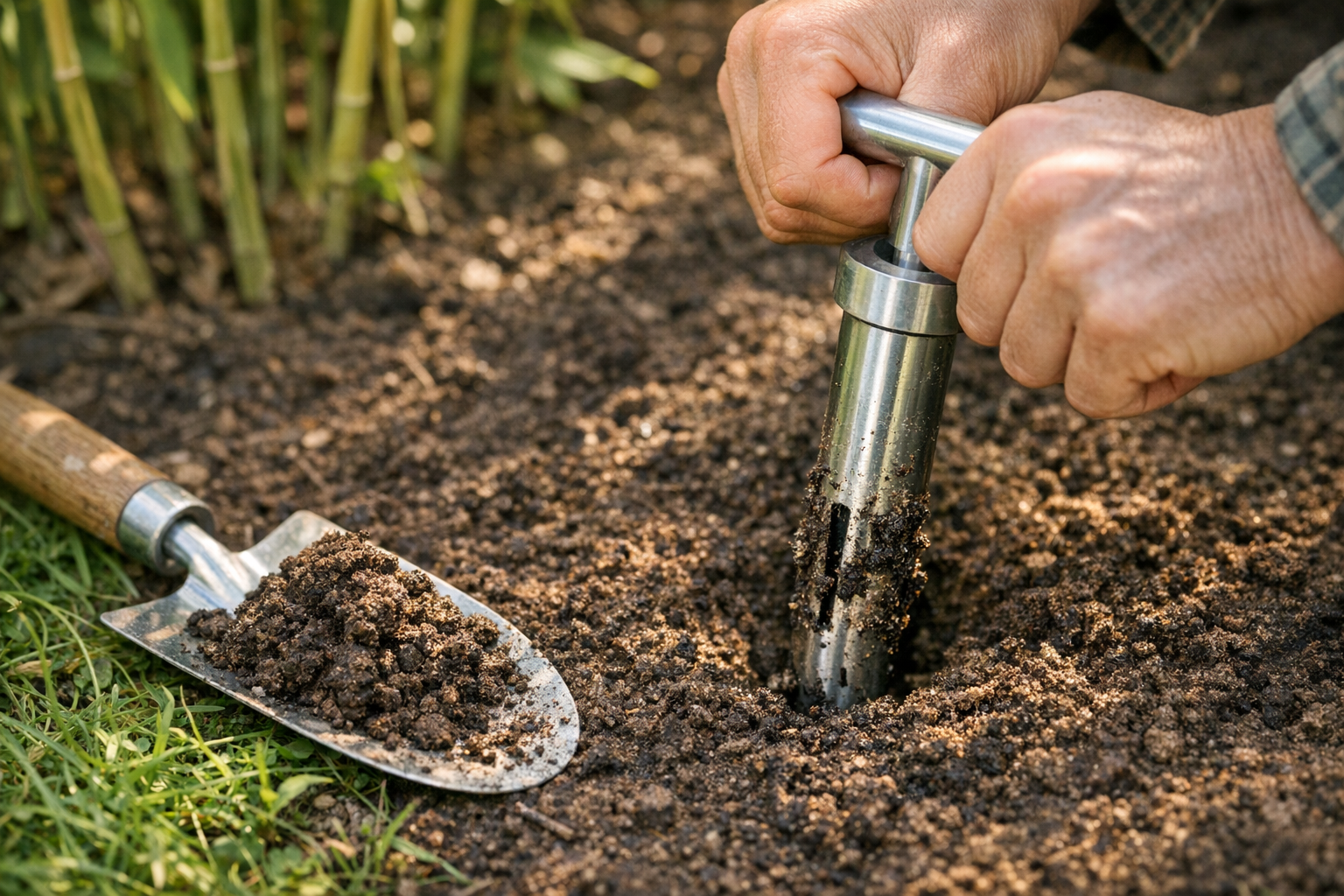
    A close-up overhead shot of a gardener's hands pressing a metal soil testing probe into rich, dark earth in a backyard garden, with bamboo stalks visible softly blurred in the background. Natural morning sunlight filters through the foliage creating dappled shadows across the soil surface. Small clumps of moist dirt cling to the testing device as it penetrates the ground. Nearby, a small pile of freshly dug soil sits on a clean trowel resting on the grass. The composition shows authentic garden preparation work with earthy tones of brown, green, and silver, captured in natural outdoor lighting with shallow depth of field that keeps focus on the hands and soil testing action.

    Making Your Final Decision

    Assess your available space honestly before choosing. Small urban lots suit clumping varieties almost exclusively. Running bamboo risks invading neighboring properties and causing disputes. Conversely, large rural properties can accommodate running types safely.

    Consider your maintenance commitment level. Running bamboo rewards hands-on gardeners who enjoy active management. Clumping types suit people wanting beautiful plants with minimal intervention. Match the bamboo type to your available time and interest.

    Local regulations may restrict certain bamboo types. Some municipalities ban running varieties entirely. Others require specific containment measures. Check your local ordinances before purchasing. Additionally, discuss plans with adjacent property owners to maintain good relationships.

    Creating a Successful Bamboo Garden

    Start with healthy plants from reputable nurseries. Quality stock establishes faster and performs better. Ask about specific variety characteristics and growth rates. Nursery staff can recommend species suited to your climate and goals.

    Prepare the planting site thoroughly. Remove weeds and improve soil as needed. Dig holes twice the root ball width. Plant at the same depth the bamboo grew in its container. Water deeply after planting to eliminate air pockets.

    Mulch around new plantings with 2 to 4 inches of organic material. This conserves moisture and moderates soil temperature. Keep mulch a few inches away from culms to prevent rot. Replenish mulch annually as it decomposes.

    Monitor new plantings closely during the first year. Consistent moisture helps establishment. Watch for pest or disease issues. Address problems promptly to prevent serious damage. Most bamboo proves quite resilient once established.

    Whether you choose spreading or clumping bamboo, proper planning ensures success. Understanding growth patterns helps you make informed decisions. Match the bamboo type to your specific situation and maintenance preferences. With appropriate care and containment, both types create stunning landscape features that provide years of beauty and enjoyment.

    If you’re planning to grow bamboo in your garden, having the right tools and materials makes all the difference in managing these fascinating plants successfully. Installing a 50ft 24in 60mil-Tree root barrier around spreading bamboo varieties helps prevent their aggressive rhizomes from invading unwanted areas of your landscape or neighboring properties. For those working with established bamboo plantings, a reliable 50ft Tree Root barrier provides essential protection for garden beds and helps maintain clear boundaries between different planting zones. When it comes time to plant new bamboo specimens or divide existing clumps, a sturdy Fiskars Ergo Garden trowel makes digging through tough soil much easier while reducing hand strain during extended gardening sessions. Maintaining bamboo health requires regular pruning, and a quality pair of Heavy Duty Pruning shears with ratcheting action allows you to trim dead culms and shape your plants without exhausting your hands. If you’re specifically interested in non-invasive varieties, consider starting with a Bambusa eutuldoides Asian Lemon clumping bamboo plant that stays contained naturally and adds tropical beauty to your landscape without the containment concerns. Protecting your hands while working with bamboo is essential, so investing in HANDLANDY Long Gardening gloves with thorn-proof leather construction keeps your skin safe from sharp leaf edges and splinters during maintenance tasks. Monitoring soil conditions becomes simple with an XLUX Soil Moisture meter that helps you determine when your bamboo needs watering without relying on guesswork or potentially overwatering your plants. Feeding your bamboo properly encourages healthy growth, and using an organic plant fertilizer bag with fast-acting water-soluble nutrients provides the essential elements bamboo needs to develop strong culms and lush foliage. Installing EXTRAEASY Weed Barrier fabric around your bamboo planting area suppresses unwanted vegetation while allowing water and nutrients to reach the roots effectively. Finally, for maintaining taller bamboo specimens that have grown beyond easy reach, a SKGPOLE 26FT Reach pole saw with telescoping extension capabilities lets you safely trim high branches and remove dead growth without needing dangerous ladders or professional help.

    *As an Amazon Associate, I earn from qualifying purchases.
  • Choosing Between Running and Clumping Bamboo: A Gardener”s Decision Guide

    Choosing Between Running and Clumping Bamboo: A Gardener”s Decision Guide

    Understanding Your Bamboo Options

    Bamboo offers gardeners an attractive solution for privacy screens, erosion control, and tropical aesthetics. However, choosing the right type requires careful consideration. Two main categories dominate the bamboo world: running and clumping varieties. Each brings distinct growth patterns, maintenance needs, and landscape impacts that can make or break your gardening project.

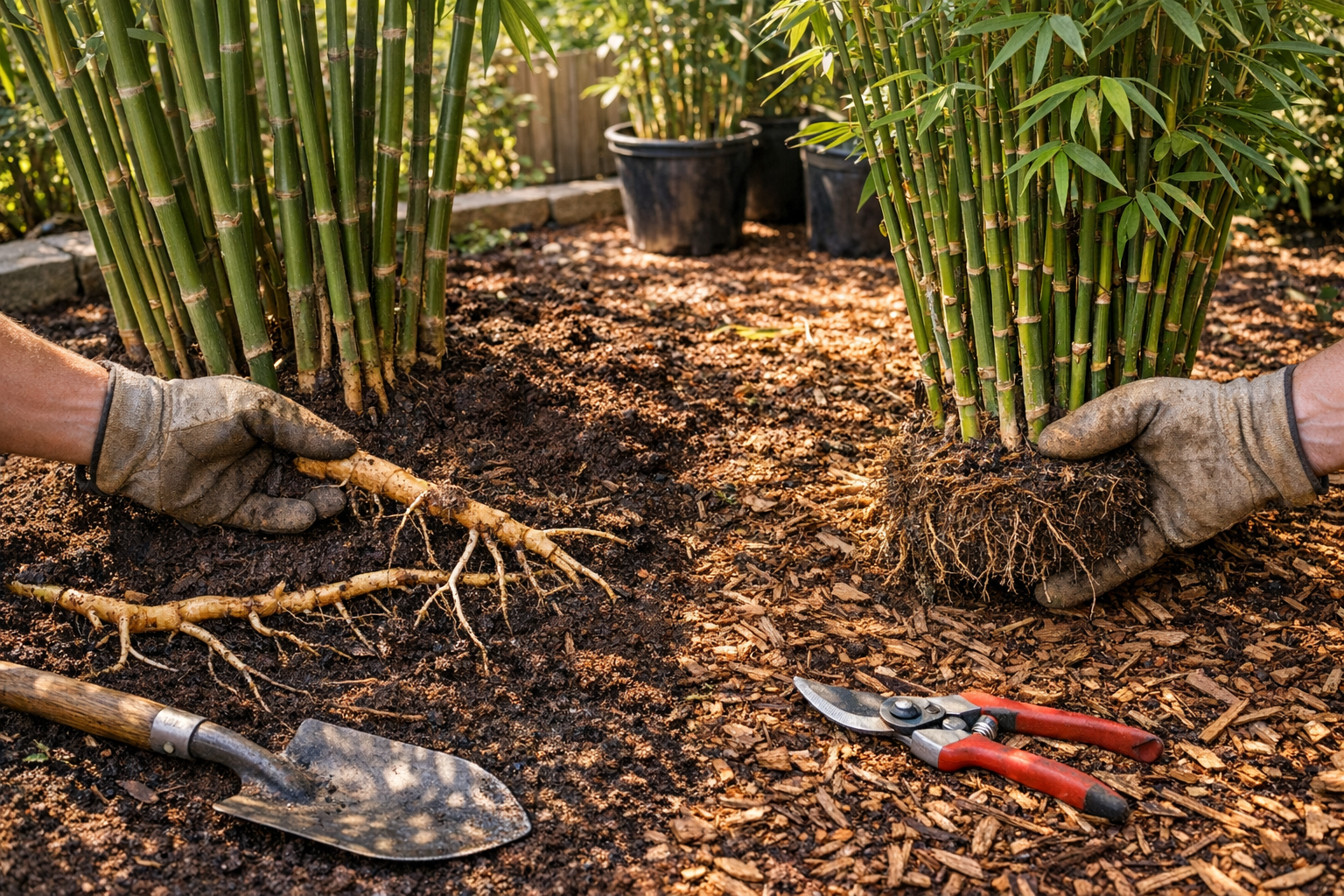
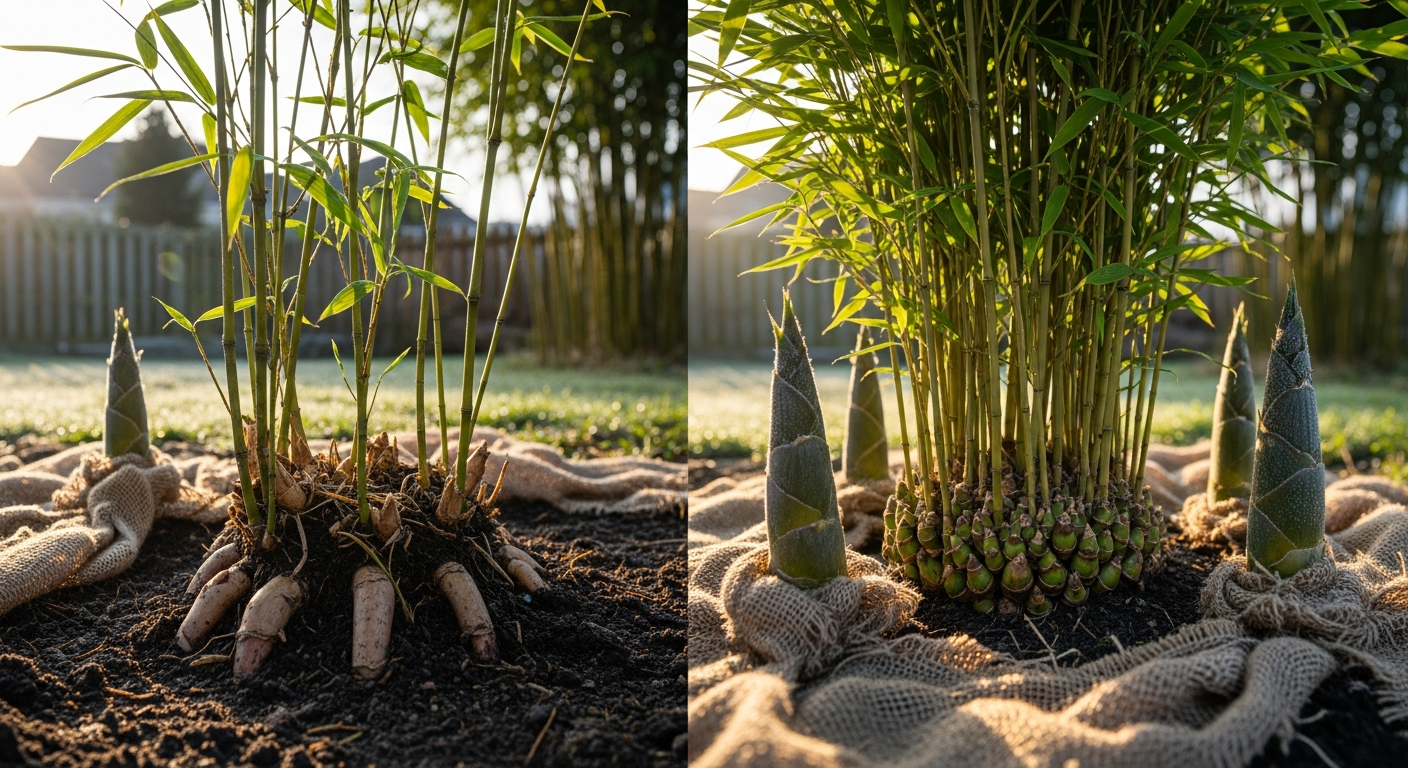
    A split garden scene photographed in golden hour sunlight showing two distinct bamboo varieties side by side, with a gardener's hands gently touching and comparing the different culms and root structures of running bamboo on the left with its spreading rhizomes visible in cross-section soil, and clumping bamboo on the right with its tight, compact root ball formation, both plants displaying lush green foliage at different heights and densities, shot from a low angle with shallow depth of field, natural outdoor lighting filtering through the canes creating dappled shadows on rich dark soil, garden tools resting nearby on mulched ground, authentic lifestyle gardening photography with earthy tones and organic composition

    The decision between these bamboo types affects your property for years to come. Running bamboo spreads aggressively through underground rhizomes, while clumping bamboo grows in tight, controlled formations. Your choice depends on your specific needs, available space, and willingness to manage growth.

    If you’re planning to work with bamboo in your landscape, having the right tools and materials can make all the difference in managing these vigorous plants successfully. For gardeners dealing with running bamboo varieties, installing a 50ft 24in 60mil-Tree root barrier is essential to prevent those aggressive rhizomes from spreading into unwanted areas of your property or into neighboring yards. When it comes time to maintain your bamboo grove, a quality pair of heavy duty pruning shears with ratcheting action makes cutting through thick culms much easier on your hands and wrists during regular maintenance sessions. Since bamboo leaves and branches can be quite sharp, protecting your hands with long gardening gloves made from thorn-proof pigskin leather will keep you comfortable while working among the dense foliage and woody stems. If you’re interested in starting with clumping varieties that won’t invade your entire yard, consider planting Bambusa eutuldoides Asian Lemon clumping bamboo which offers beautiful coloring and stays naturally contained without requiring extensive barrier installation. For budget-conscious gardeners who want to establish multiple plants across their property, green bamboo seeds provide an economical way to grow privacy screens, though they require more patience than purchasing established plants from a nursery. When planting on slopes where bamboo can help prevent soil loss, laying down jute erosion control mesh provides temporary stabilization while your bamboo roots establish and create their own natural erosion barrier over time. For cutting back overgrown bamboo groves or removing larger culms, a 30-inch anvil lopper with compound action gives you the leverage needed to slice through branches up to two inches thick without excessive strain. Before planting your bamboo, laying down landscape fabric in surrounding garden beds helps suppress weeds that might otherwise compete with your new bamboo shoots for nutrients and water during establishment. When your bamboo grows tall and you need to trim upper branches without climbing a ladder, a 26-foot reach pole saw with telescoping extension allows you to safely prune from ground level while maintaining the aesthetic shape of your bamboo screen. With these essential tools and materials at your disposal, you’ll be well-equipped to plant, maintain, and control your bamboo whether you choose fast-spreading running varieties or well-behaved clumping types for your landscape project.

    Running Bamboo: The Fast-Growing Spreader

    Running bamboo earns its name through rapid horizontal expansion. Underground rhizomes can travel several feet annually, sending up new shoots far from the mother plant. This aggressive growth pattern creates both opportunities and challenges for gardeners.

    Advantages of Running Bamboo

    Speed stands as the primary benefit of running varieties. Source These plants establish privacy screens in just one or two growing seasons. Additionally, they fill large areas quickly, making them ideal for erosion control on slopes and hillsides.

    Running bamboo also offers excellent cold hardiness. Many species tolerate temperatures well below freezing, thriving in climates where clumping varieties struggle. Furthermore, the dense growth pattern provides superior wind protection and noise reduction compared to slower-spreading alternatives.

    The cost-effectiveness of running bamboo appeals to budget-conscious gardeners. A single plant eventually covers extensive ground, eliminating the need to purchase multiple specimens. Moreover, the vigorous growth produces abundant culms for harvesting and crafts.

    Challenges of Running Bamboo

    Invasiveness creates the biggest headache with running varieties. These plants ignore property lines, spreading into neighbors’ yards and garden beds. Consequently, many municipalities restrict or ban running bamboo cultivation due to its aggressive nature.

    Containment requires significant effort and expense. Most gardeners install rhizome barriers made from high-density polyethylene, typically 30 inches deep. However, even barriers need regular monitoring and maintenance to prevent escapes. The rhizomes can find gaps or grow over the top if not properly managed.

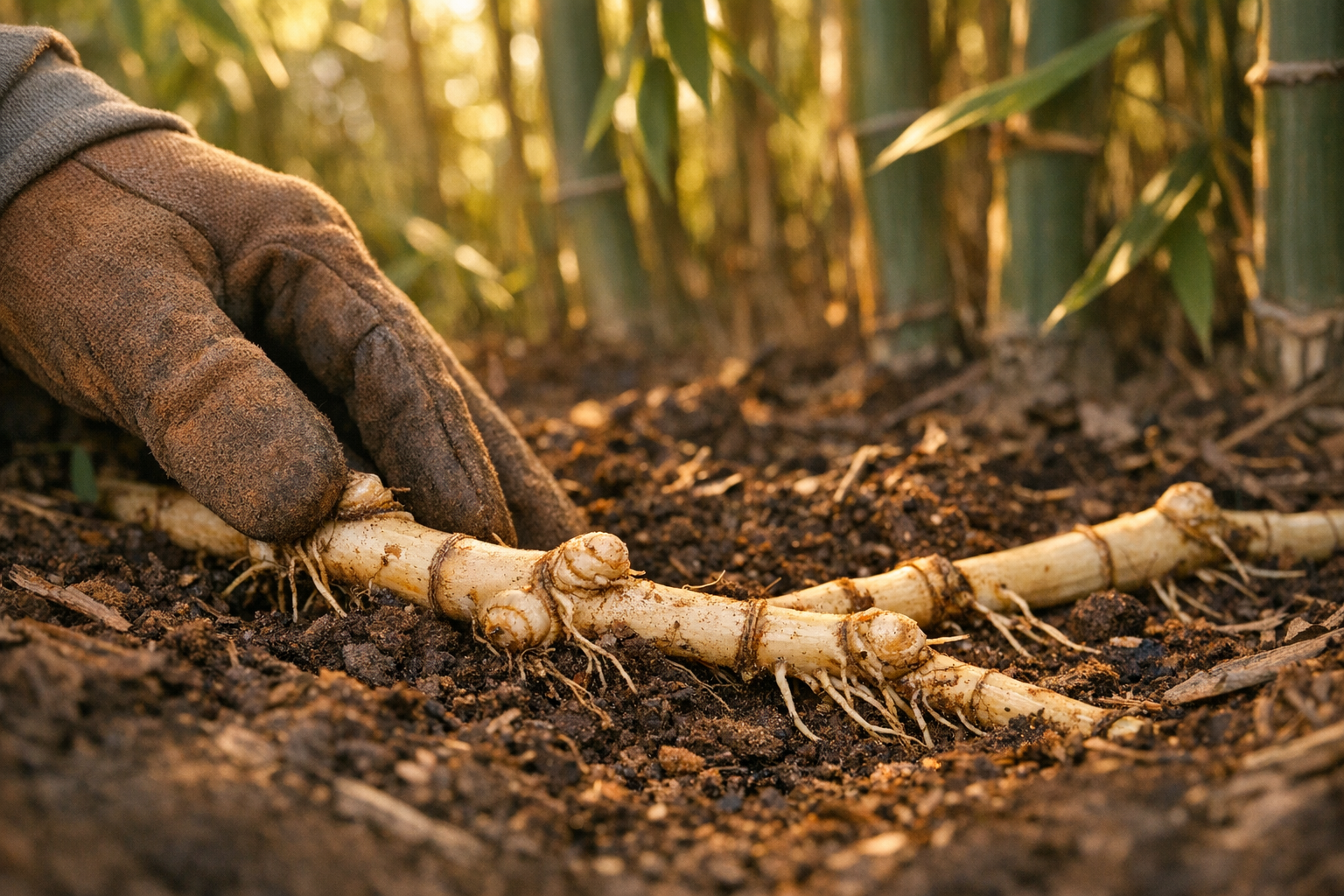
    A close-up ground-level photograph capturing thick, woody bamboo rhizomes emerging from rich dark soil, with some rootstock visibly spreading horizontally near the surface. The golden afternoon sunlight filters through tall bamboo canes in the soft-focused background, creating dappled shadows across the earth. Several pale cream-colored rhizomes are breaking through gaps in the mulched garden bed, their knobby nodes and fibrous roots clearly visible against the chocolate-brown soil. A gardener's gloved hand reaches into the frame, touching one of the spreading underground stems. The shallow depth of field emphasizes the intricate root system in the foreground while green bamboo leaves blur softly in the background. Natural outdoor lighting creates warm tones and authentic texture, shot from a low angle as if documenting a real gardening moment for social media.

    Maintenance demands increase substantially with running bamboo. Regular pruning of unwanted shoots becomes a weekly task during growing season. Additionally, you must patrol the perimeter constantly to catch escapees before they establish new colonies.

    Clumping Bamboo: The Well-Behaved Alternative

    Clumping bamboo grows in predictable, expanding circles. The rhizomes extend only a few inches annually, creating dense clumps rather than spreading colonies. This growth pattern makes clumping varieties the preferred choice for residential landscapes.

    Benefits of Clumping Bamboo

    Predictability defines clumping bamboo’s greatest advantage. These plants stay where you put them, expanding slowly and controllably. Therefore, you can plan garden designs with confidence, knowing the bamboo won’t overtake other plantings.

    Neighborly relations improve dramatically with clumping varieties. Your bamboo remains on your property, eliminating boundary disputes and legal concerns. Furthermore, many homeowners associations permit clumping bamboo while prohibiting running types.

    Maintenance requirements drop significantly compared to running varieties. You spend minimal time controlling spread, focusing instead on aesthetic pruning and thinning. Moreover, the compact growth habit suits smaller yards and urban gardens where space comes at a premium.

    Clumping bamboo offers architectural versatility in landscape design. The distinct clumps create focal points, container specimens, or accent plantings. In contrast, running bamboo typically serves utilitarian purposes like screening or ground cover.

    Drawbacks of Clumping Bamboo

    Patience becomes essential when growing clumping varieties. These plants take three to five years to develop substantial screens or hedges. Consequently, gardeners seeking immediate privacy often feel disappointed by the slow establishment period.

    Cold sensitivity limits where you can grow clumping bamboo. Most species require frost-free or mild winter climates, restricting their use in northern regions. However, some newer cultivars tolerate brief cold snaps with proper protection.

    A close-up garden scene showing two distinct types of bamboo plants side by side in a lush backyard setting, with morning sunlight filtering through the tall green stalks creating dappled shadows on the ground. The left side features spreading bamboo with visible underground rhizomes breaking through rich dark soil, while the right side shows compact clumping bamboo with tight, dense growth patterns at the base. Frost-protective burlap wrapping is loosely draped around the base of the younger bamboo shoots, with a light dusting of morning dew catching the golden hour light. The background shows a residential garden fence softly blurred, with various bamboo heights creating natural depth, all photographed from a low angle emphasizing the contrast between the two growth habits in authentic outdoor gardening conditions.

    Cost considerations affect initial installation. Creating an instant screen requires purchasing multiple plants at significant expense. Additionally, larger specimens command premium prices, making immediate impact projects quite costly.

    Climate Considerations for Your Choice

    Your local climate plays a crucial role in bamboo selection. Running bamboo dominates cold-climate gardening due to superior hardiness. Many species survive temperatures down to -10°F or lower, making them viable options throughout much of North America.

    Clumping varieties prefer warmer zones, typically thriving in USDA zones 8 through 11. Nevertheless, some cold-hardy clumping species now extend the range to zone 7 with winter protection. Gardeners in marginal zones should research specific cultivars carefully before purchasing.

    Moisture availability also influences bamboo performance. Running types generally tolerate a wider range of soil moisture conditions. Meanwhile, clumping bamboo often requires consistent moisture, particularly during establishment and active growth periods.

    Space Requirements and Property Size

    Property size dramatically affects which bamboo type suits your needs. Large rural properties can accommodate running bamboo with proper barriers or buffer zones. The aggressive spread becomes less problematic when you have acres to work with.

    Suburban and urban lots typically demand clumping varieties. The controlled growth prevents conflicts with neighbors and infrastructure. Furthermore, the predictable expansion allows precise spacing calculations for optimal mature size.

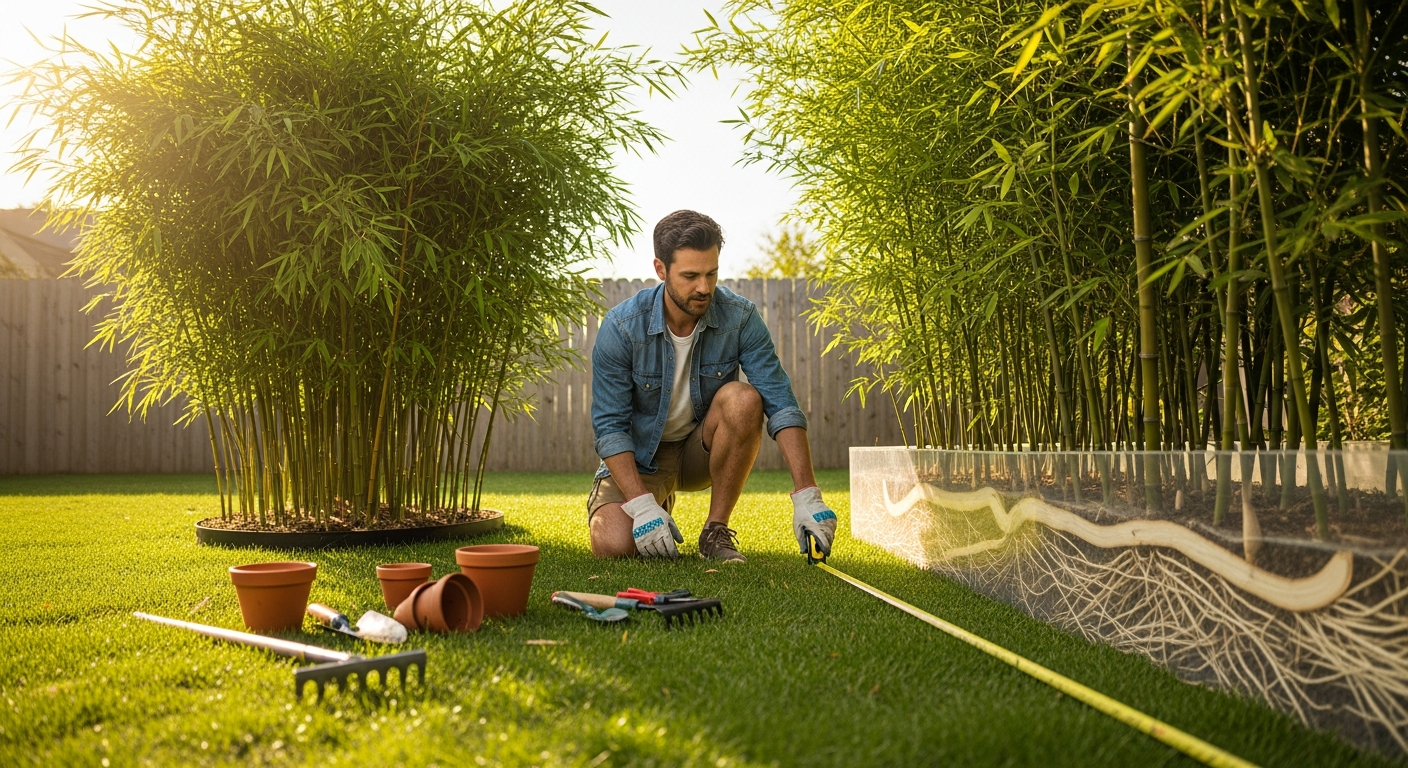
    A sunlit backyard garden scene showing two distinct bamboo planting areas side by side, one section featuring tall clumping bamboo with tight, compact growth forming a neat circular cluster, and another section displaying running bamboo with visible rhizomes spreading horizontally beneath translucent soil in a cross-section view, a gardener in casual weekend clothes kneeling between them with a measuring tape stretched across the ground, garden tools and terracotta pots scattered nearby on lush green grass, golden afternoon light filtering through the bamboo canopy creating dappled shadows, a wooden fence in the soft-focus background, shot from a low angle with shallow depth of field in authentic lifestyle garden photography style

    Consider your long-term property plans when selecting bamboo. Running bamboo proves extremely difficult to remove completely once established. Conversely, clumping varieties allow easier removal or relocation if your landscaping needs change.

    Maintenance Time and Effort

    Time commitment varies dramatically between bamboo types. Running bamboo demands weekly attention during growing season to control spread. You must remove unwanted shoots promptly before they establish strong root systems. Additionally, annual barrier inspections prevent costly escapes.

    Clumping bamboo requires minimal maintenance beyond basic care. Monthly checks during growing season suffice for most varieties. Moreover, the absence of aggressive spreading allows you to focus on aesthetic improvements rather than damage control.

    Tool requirements differ between types as well. Running bamboo management often requires saws, spades, and herbicides for serious control efforts. Meanwhile, clumping varieties need only standard pruning tools for occasional thinning and shaping.

    Making Your Final Decision

    Assess your priorities before committing to either bamboo type. Running varieties suit gardeners who need fast results, have ample space, and accept intensive management. The rapid growth delivers privacy and screening quickly, but demands ongoing vigilance.

    Clumping bamboo serves those who value predictability, have limited space, or prefer low-maintenance plants. The slower growth requires patience, yet the reduced management burden appeals to busy homeowners. Additionally, the neighborly behavior prevents future conflicts and legal issues.

    Consider consulting local bamboo specialists before purchasing. They provide region-specific recommendations and help you avoid problematic species. Furthermore, visiting established bamboo gardens lets you observe mature specimens and growth patterns firsthand.

    Your choice ultimately depends on balancing speed, control, and maintenance preferences. Running bamboo offers quick results with high management needs, while clumping varieties provide slow, steady growth with minimal oversight. Both types create beautiful landscapes when matched appropriately to your situation and commitment level.

    If you’re planning to work with bamboo in your landscape, having the right tools and materials can make all the difference in managing these vigorous plants successfully. For gardeners dealing with running bamboo varieties, installing a 50ft 24in 60mil-Tree root barrier is essential to prevent those aggressive rhizomes from spreading into unwanted areas of your property or into neighboring yards. When it comes time to maintain your bamboo grove, a quality pair of heavy duty pruning shears with ratcheting action makes cutting through thick culms much easier on your hands and wrists during regular maintenance sessions. Since bamboo leaves and branches can be quite sharp, protecting your hands with long gardening gloves made from thorn-proof pigskin leather will keep you comfortable while working among the dense foliage and woody stems. If you’re interested in starting with clumping varieties that won’t invade your entire yard, consider planting Bambusa eutuldoides Asian Lemon clumping bamboo which offers beautiful coloring and stays naturally contained without requiring extensive barrier installation. For budget-conscious gardeners who want to establish multiple plants across their property, green bamboo seeds provide an economical way to grow privacy screens, though they require more patience than purchasing established plants from a nursery. When planting on slopes where bamboo can help prevent soil loss, laying down jute erosion control mesh provides temporary stabilization while your bamboo roots establish and create their own natural erosion barrier over time. For cutting back overgrown bamboo groves or removing larger culms, a 30-inch anvil lopper with compound action gives you the leverage needed to slice through branches up to two inches thick without excessive strain. Before planting your bamboo, laying down landscape fabric in surrounding garden beds helps suppress weeds that might otherwise compete with your new bamboo shoots for nutrients and water during establishment. When your bamboo grows tall and you need to trim upper branches without climbing a ladder, a 26-foot reach pole saw with telescoping extension allows you to safely prune from ground level while maintaining the aesthetic shape of your bamboo screen. With these essential tools and materials at your disposal, you’ll be well-equipped to plant, maintain, and control your bamboo whether you choose fast-spreading running varieties or well-behaved clumping types for your landscape project.

    *As an Amazon Associate, I earn from qualifying purchases.