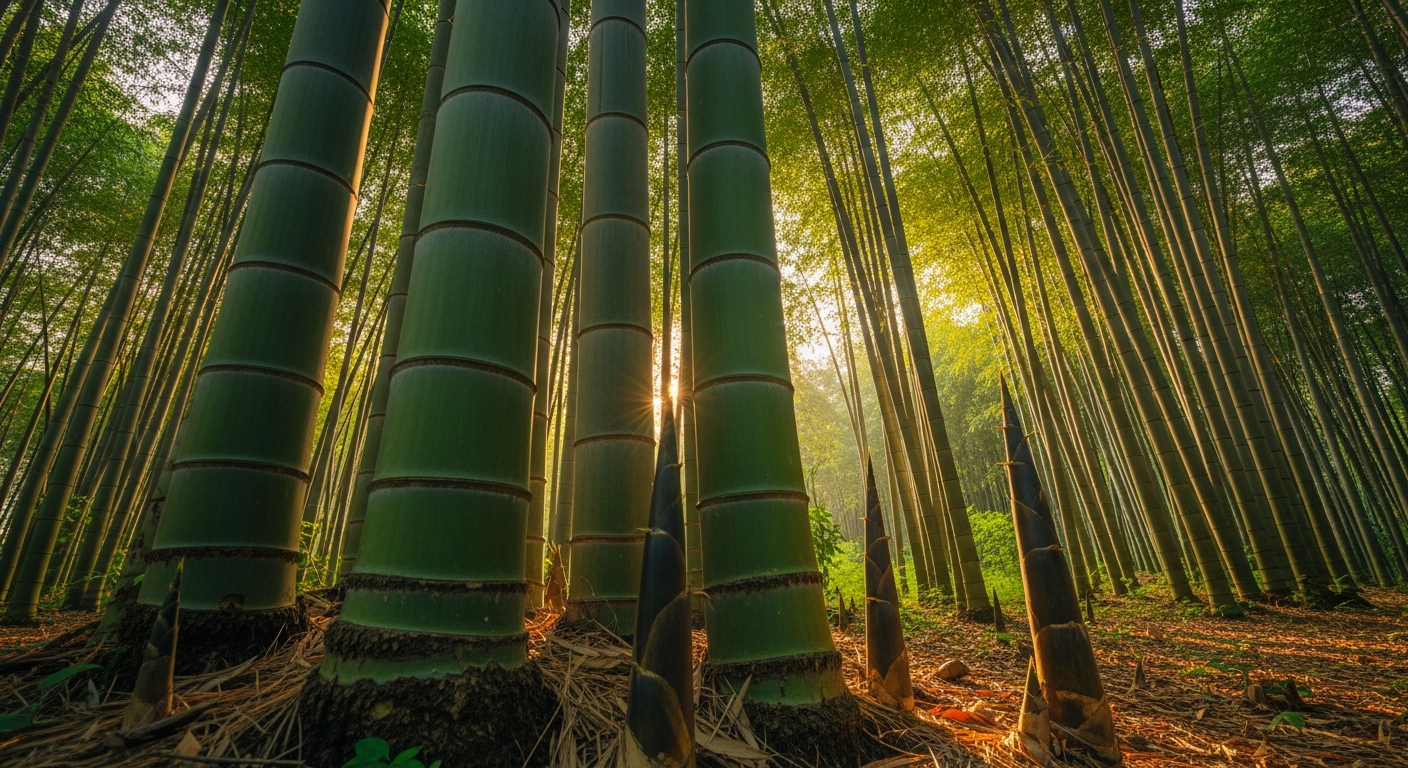
Bamboo often feels like a magic trick. You plant a small shoot, blink, and suddenly a forest appears. Gardeners prize this plant for its legendary speed. However, not every bamboo species breaks records. Some take their time. Others race toward the sky. Understanding these growth patterns helps you plan your landscape effectively.
Many factors influence how quickly your bamboo establishes itself. Genetics play a huge role. Additionally, your local environment dictates the pace. Sun, soil, and water all contribute to the final height. By optimizing these conditions, you can encourage faster results. Let’s explore what you can realistically expect from this fascinating plant.
The Famous “Sleep, Creep, Leap” Cycle
Patience is vital during the first few years. Bamboo does not instantly shoot up to full height immediately after planting. Instead, it follows a specific three-year cycle. Gardeners describe this pattern as “sleep, creep, and leap.”
Year One: Sleeping
During the first year, you might think nothing is happening. The plant looks dormant above ground. However, the real work happens underground. The bamboo focuses entirely on root development. It builds a complex system of rhizomes. These rhizomes store energy for future growth. Therefore, do not worry if the canes remain short. The plant is simply establishing a strong foundation.
Year Two: Creeping
In the second year, you will see visible progress. The plant begins to spread. New shoots emerge from the ground. Furthermore, the colony expands its footprint. These new canes will likely grow taller than the previous year’s canes. The root system continues to strengthen. Consequently, the plant gathers more resources from the soil.
Year Three: Leaping
Finally, the magic happens in year three. The established root system explodes with energy. New shoots skyrocket upward. Some species can grow several feet in a single week. You will see the density increase significantly. This is the payoff for your patience. The bamboo finally reaches its mature potential.
What We Recommend
When you’re nurturing bamboo and tracking its growth, understanding soil moisture is absolutely crucial—bamboo grows fastest when conditions are just right. We’re big fans of the XLUX Soil Moisture Meter for taking the guesswork out of watering. This affordable tool helps you dial in the perfect moisture level, which directly impacts growth rates and overall plant health.
Mulch plays an underrated role in bamboo growth rate—it regulates soil temperature, retains moisture, and feeds the soil as it breaks down. The organic coconut husk chip mulch is one of our top choices because it’s sustainable, long-lasting, and creates the ideal growing environment for vigorous bamboo development. A good mulch layer can measurably speed up your bamboo’s growth trajectory.
Healthy growth demands proper nutrition, and organic plant fertilizer is essential for maximizing your bamboo’s growth potential. We recommend applying a balanced, slow-release formula during the growing season to support strong culm development and encourage the rapid growth rates bamboo is famous for.
If you’re planning to contain running bamboo varieties, a quality root barrier is non-negotiable for managing growth patterns on your property. The Joewuzun Tree Root Barrier is durable and easy to install, giving you peace of mind while still allowing your bamboo to grow at its natural pace within defined boundaries.
If you’re interested in starting from seed and observing growth from day one, the Green Bamboo Seeds offer a rewarding way to watch the entire growth cycle unfold. Starting from seed teaches you invaluable lessons about the factors that influence growth rates and gives you a deeper connection to your bamboo journey.
Running vs. Clumping: Genetics Matter
Not all bamboo grows the same way. The species you choose dictates the spread and speed. Generally, botanists divide bamboo into two main categories: running and clumping. Knowing the difference saves you from future surprises.
Running Bamboo
Running bamboo (monopodial) spreads rapidly. Its rhizomes stretch far horizontally underground. Consequently, it covers large areas quickly. This makes it excellent for fast privacy screens. However, it requires containment. Without barriers, it invades neighboring areas. If you want speed and coverage, running varieties usually win. They prioritize horizontal expansion alongside vertical growth.
Clumping Bamboo
In contrast, clumping bamboo (sympodial) grows in tight clusters. The rhizomes curve upward near the mother plant. Therefore, the footprint expands slowly. It behaves more like a standard shrub. While individual canes grow tall quickly, the screen width takes longer to develop. Clumpers are easier to manage but require more initial plants for a wide hedge.
Sunlight: The Engine of Growth
Photosynthesis fuels bamboo production. Therefore, light availability directly impacts speed. Most giant timber bamboos crave full sun. Direct sunlight provides the energy needed for massive vertical gains. Without enough light, these giants stunt their own growth. They become leggy and thin.
However, exceptions exist. Some smaller varieties prefer partial shade. Too much sun scorches their leaves. You must match the species to your light conditions. Check the specific requirements for your plant. Generally, more sun equals faster growth for the largest species. Conversely, deep shade slows down the metabolism of sun-loving varieties.
Water Requirements for Rapid Height
Bamboo is a thirsty plant. It originates from humid, tropical, or temperate rainforests. Therefore, consistent moisture drives rapid cell division. If the plant lacks water, it enters survival mode. Growth stops immediately. The leaves curl to conserve moisture. Consequently, you lose valuable growing time.
Watering Best Practices
New plants need frequent watering. Keep the soil consistently moist but not soggy. Drowning the roots causes rot. Ideally, water deeply once or twice a week. This encourages roots to grow deep into the soil. Shallow watering leads to weak root systems. During hot summers, increase your watering frequency. Furthermore, adding a layer of mulch helps retain soil moisture. This simple step prevents evaporation and keeps roots cool.
Soil Conditions and Nutrition
Soil acts as the pantry for your bamboo. A nutrient-rich environment supports explosive growth. Bamboo prefers loamy, well-draining soil. Heavy clay suffocates roots. Sandy soil drains too fast. Therefore, amending your soil often yields better results. Mix in organic compost before planting. This improves texture and nutrient content.
The Importance of pH
Most bamboo species prefer slightly acidic soil. A pH between 6.0 and 6.5 is ideal. If your soil is too alkaline, the plant struggles to absorb nutrients. You can test your soil easily with a kit. Adjusting the pH ensures the plant accesses the food it needs.
Fertilizing for Speed
Bamboo is a grass. Like your lawn, it loves nitrogen. To support this incredible rate, feed your bamboo seasonally. Source Apply a high-nitrogen fertilizer in early spring. This coincides with the shooting season. Additionally, apply a second dose in early summer. Avoid fertilizing in late autumn. This prevents new growth that winter frost might damage.
Temperature and Climate Zones
Your local climate sets the speed limit. Bamboo grows fastest in warm, humid weather. Tropical climates allow for year-round growth. However, in temperate zones, growth is seasonal. Most height gains occur in late spring and early summer. As temperatures drop, the plant slows down.
Cold Hardiness
Extreme cold damages bamboo. If temperatures drop below the species’ hardiness limit, the canes die back. The roots usually survive, but the plant must restart its vertical journey next spring. This significantly sets back your progress. Always choose a variety rated for your USDA hardiness zone. For example, Phyllostachys varieties often handle freezing temperatures well. In contrast, tropical Bambusa species perish in frost. Selecting the right plant for your zone ensures consistent year-over-year gains.
Troubleshooting Slow Growth
Sometimes, bamboo refuses to grow. It sits there, unchanged. This frustrates gardeners expecting a jungle. Usually, an environmental stressor is the culprit. Identifying the issue restarts the growth engine.
Common Culprits
First, check the soil drainage. Wet feet kill roots. If the ground stays soggy, improve drainage immediately. Second, look for pests. Mites and aphids suck energy from the plant. Treat infestations quickly. Third, assess competition. Weeds and nearby trees steal nutrients. Clear the area around the base of your bamboo. Finally, consider the pot size. If growing in containers, the plant might be root-bound. Repotting into a larger vessel often triggers a new growth spurt.
Conclusion
Bamboo offers a rewarding gardening experience. Its speed is unmatched in the plant kingdom. However, specific conditions dictate that speed. You must provide the right balance of sun, water, and nutrients. Furthermore, patience during the “sleep” and “creep” phases is essential. Once the “leap” phase begins, your landscape transforms rapidly. By understanding these variables, you control the outcome. Treat your bamboo well, and it will reward you with a lush, towering presence.
*As an Amazon Associate, I earn from qualifying purchases.
Planting bamboo in your garden brings excitement and anticipation. You’ve likely heard stories about bamboo’s legendary growth speed. However, the reality of establishing a bamboo colony differs from what many gardeners expect. The first three years require patience as your bamboo builds its foundation underground.
The “Sleep, Creep, Leap” Phenomenon
Bamboo adheres to a famous gardening adage: “First it sleeps, then it creeps, then it leaps.” This saying perfectly illustrates the plant’s unique three-year establishment cycle. Consequently, patience is a virtue for any bamboo grower. You cannot force the plant to speed up this biological process.
During the first year, surface activity seems minimal. In fact, the plant might look dormant. Nevertheless, a frenzy of activity occurs underground. The bamboo is busy establishing a complex root network. Consequently, it anchors itself securely into the soil. This foundation is vital for supporting future height. Without it, tall canes would simply topple over.
Subsequently, year two brings the “creeping” stage. You will likely notice minor expansion. The rhizomes begin spreading horizontally beneath the surface. However, the canes may not gain significant height yet. The plant is essentially building a solar battery. It stores energy in the roots to fuel the upcoming explosion.
The Payoff: Explosive Vertical Growth
Finally, the third year delivers the anticipated “leap.” This is when the magic happens. New shoots emerge rapidly during the spring. Moreover, these canes grow much thicker and taller than previous ones. A well-established grove can sometimes grow several inches in a single day.
Here is a breakdown of what to expect annually:
Year 1 (Sleep): The plant focuses entirely on root establishment. Above-ground growth is negligible.
Year 2 (Creep): The footprint expands. You will see more shoots, but they remain relatively short.
Year 3 (Leap): Mature canes emerge. The grove reaches its full potential height and density.
Understanding the Rhizome Engine
The secret to this speed lies in the rhizome system. Think of rhizomes as the plant’s engine. They store essential carbohydrates and nutrients. Therefore, a larger root mass equals more fuel for upward growth. Without this underground reservoir, rapid vertical expansion is impossible.
Additionally, environmental factors play a massive role. Water availability dictates the speed of rhizome expansion. Rich, well-draining soil also accelerates the process. As a result, providing optimal care during the “sleeping” phase pays off later. You are investing in the infrastructure of the plant.
Once established, the growth rate is staggering. Some species can grow up to 3 feet in 24 hours. In contrast, trees take decades to reach similar heights. This makes bamboo one of the most renewable resources on Earth. Just remember to give it those first three years.
Year One: The Sleeping Phase
Your first year with bamboo might feel disappointing. Source The plant appears dormant above ground while focusing energy elsewhere. During this crucial period, your bamboo invests heavily in root and rhizome development.
The rhizome network spreads horizontally beneath the soil surface. These underground stems store nutrients and energy for future growth. Meanwhile, you’ll notice minimal activity above ground. Your bamboo might produce a few small shoots, but nothing dramatic happens yet.
What You’ll See
Expect existing canes to remain relatively unchanged during year one. New shoots may emerge, but they’ll likely match or slightly exceed the height of your original planting. Don’t worry about this slow start. Your bamboo is working hard where you cannot see it.
What We Recommend
Consistent moisture is one of the biggest factors in bamboo growth during those critical first three years, and we’ve found that a quality flat soaker hose delivers water right to the root zone without waste. Rather than guessing whether your bamboo is getting enough water, a soaker hose ensures deep, even hydration that encourages stronger root development and faster vertical growth.
Taking the guesswork out of soil moisture is where a soil moisture meter like the XLUX really shines during your bamboo’s establishment phase. We love using one of these to monitor when to water, especially during the first growing season when establishing the right moisture balance can make the difference between rapid growth and stunted development.
Your bamboo will be hungry during those first three years of rapid growth, and a balanced 10-10-10 plant fertilizer provides the nitrogen, phosphorus, and potassium needed to fuel both shoot production and strong root establishment. We recommend applying it during the active growing season to maximize those impressive height gains you’re hoping to see.
Before you even plant, knowing your soil composition sets you up for success, and a soil test kit like Rapitest reveals whether you need to adjust pH or nutrient levels for optimal bamboo growth. Understanding your starting point helps us give your bamboo the best possible conditions to thrive during those critical first three years.
Watering Requirements During Establishment
Consistent watering forms the foundation of successful bamboo establishment. For the first growing season, water deeply two to three times per week. However, adjust this schedule based on your local climate and rainfall patterns. Sandy soils require more frequent watering than clay-based soils. Moreover, newly planted bamboo needs approximately one inch of water weekly during dry periods.
The developing root system spreads rapidly beneath the surface. Therefore, moisture must penetrate at least 8 to 12 inches deep. Shallow watering encourages weak, surface-level root development. Instead, use a soaker hose or drip irrigation for optimal results. These methods deliver water directly to the root zone efficiently.
Fertilization Strategy for Underground Growth
A balanced fertilizer accelerates rhizome expansion and shoot production. For example, use a 10-10-10 or 16-16-16 NPR formula during the growing season. Apply fertilizer monthly from spring through early fall. Additionally, organic options like composted manure provide slow-release nutrients. Fish emulsion works particularly well for bamboo cultivation.
Furthermore, avoid over-fertilizing during the first few months after planting. Excessive nitrogen can burn tender new roots. Consequently, start with half-strength applications initially. Gradually increase to full strength as plants establish themselves. Meanwhile, monitor leaf color for signs of nutrient deficiency.
Mulching Benefits and Best Practices
Mulching around the base creates ideal growing conditions for bamboo. Apply a 3 to 4-inch layer of organic mulch in a circle. Wood chips, shredded bark, or leaf compost all work effectively. However, keep mulch pulled back 2 inches from the culms themselves.
This protective layer serves multiple critical functions. It retains soil moisture by reducing evaporation rates significantly. Moreover, mulch regulates soil temperature fluctuations throughout the day. As a result, roots experience less stress from extreme heat or cold. Additionally, decomposing mulch enriches the soil with organic matter over time. This gradual process improves soil structure and nutrient availability naturally.
Year Two: The Creeping Phase
The second year brings modest improvements. Your bamboo colony begins spreading more noticeably underground. Consequently, you’ll observe more shoots emerging from the soil. However, the growth still appears relatively slow compared to mature bamboo stands.
New culms typically grow 20-30% taller than previous shoots during year two. The rhizome network continues expanding outward from the original planting site. Furthermore, the colony develops more robust root connections between individual shoots. This interconnected system allows nutrients to flow throughout the entire plant.
Managing Expectations
The Illusion of Stagnation
It often appears that growth has stalled completely during the first two years. Consequently, many new growers feel discouraged by this lack of visible progress. However, appearances can be deceiving. The plant is actually working hard beneath the soil. Think of this stage as building a strong foundation for a skyscraper. Without a solid base, the structure simply cannot stand. Therefore, you must trust the process even when the leaves look static.
Understanding the Rhizome Network
Specifically, the bamboo is expanding its complex rhizome network. These underground stems are crucial for future success. They act as massive energy storage tanks for the plant. During this time, the roots stretch wide and dig deep. As a result, the plant prioritizes horizontal expansion over vertical height. This extensive system gathers essential water and nutrients. It creates the stability needed to anchor tall, heavy canes later.
Preparing for the “Leap”
Eventually, this hidden labor pays off significantly. By the third year, the energy reserves are finally full. Then, the bamboo enters its famous “leaping” phase. New culms will shoot up with incredible speed. In fact, some species can grow several feet in a single day. This explosive vertical growth is only possible because of the established root system. The infrastructure you cannot see supports the height you desire.
Essential Care Tips
Meanwhile, you must maintain a consistent care routine. Do not neglect the plant during this quiet period. Follow these steps to ensure future success:
Keep soil moist: Roots need water to spread effectively.
Apply mulch: This protects the developing rhizomes from temperature swings.
Feed appropriately: Use a high-nitrogen fertilizer to fuel root expansion.
Resist digging:Furthermore, never disturb the soil to check on progress.
By focusing on root health now, you guarantee a lush forest later.
Maintain your watering and fertilizing schedule throughout year two. Consistency matters more than intensity during this phase. Moreover, avoid disturbing the soil around your bamboo. The expanding rhizome network sits close to the surface and damages easily.
Year Three: The Leaping Phase
Year three transforms your bamboo dramatically. The extensive root system finally supports rapid vertical growth. New shoots emerge taller, thicker, and more numerous than before. This explosive growth phase justifies bamboo’s reputation for speed.
Culms can grow 50-100% taller than second-year shoots. Some species produce new canes that reach their maximum height during this season. Indeed, the difference between year two and year three often shocks gardeners. Your patient waiting finally pays off with impressive results.
The Growth Explosion
The Spectacular Daily Growth Display
During the leaping phase, bamboo transforms into a natural wonder. Growth rates become so dramatic that changes are visible within hours. Peak growing season brings extraordinary results. Some species can add up to 36 inches in a single day. Consequently, homeowners often measure their bamboo twice daily to track progress. The Moso bamboo holds records for adding nearly 48 inches in 24 hours. This remarkable speed makes bamboo the fastest-growing plant on Earth.
Audible Growth Phenomena
The emergence of new shoots creates surprising sounds. Therefore, early morning hours offer the best listening opportunities. Gardeners report hearing distinct cracking and popping noises. These sounds occur as shoots break through soil layers. Furthermore, the bamboo’s outer sheath makes rustling sounds during rapid expansion. In quiet gardens, this natural symphony becomes quite noticeable. Some describe it as gentle crackling, similar to distant fireworks. Additionally, the sound intensifies when multiple shoots emerge simultaneously.
Colony Expansion Patterns
Meanwhile, the bamboo colony’s footprint grows substantially during this phase. New shoots appear progressively farther from the center. Running bamboo species can send shoots up 15 feet from the parent plant. Moreover, dozens of new culms may emerge within weeks. The perimeter expansion follows the underground rhizome network. As a result, an uncontained grove can double its diameter annually. Each new shoot represents a potential full-sized culm. However, clumping varieties expand more predictably, adding shoots in tight circles.
Visual Transformation Timeline
The visual changes occur with stunning rapidity. For example, bare ground transforms into a bamboo forest within months. Fresh shoots appear as pointed, cone-shaped structures initially. Subsequently, they elongate dramatically while maintaining constant diameter. The shoots don’t thicken after emerging from soil. Instead, they achieve full height before branching begins. This growth pattern differs completely from traditional trees.
The rhizome system has matured enough to support multiple large culms simultaneously. Energy stored over two years fuels this rapid expansion. Therefore, your bamboo requires more water and nutrients during year three. Increase your fertilizer applications to match the plant’s heightened demands.
Factors Affecting Growth Speed
Several variables influence how quickly your bamboo establishes itself. Climate plays a crucial role in growth rates. Bamboo thrives in warm, humid conditions with adequate rainfall. Conversely, cold winters or dry summers slow development significantly.
Soil Composition and Bamboo Development
The foundation beneath bamboo plants plays a crucial role in growth rates. Nutrient-rich loam creates an ideal environment for underground rhizomes to spread rapidly. These horizontal root systems store energy and produce new shoots. In contrast, dense clay soil restricts oxygen flow to roots. This limitation slows rhizome development significantly. Sandy substrates present different challenges for bamboo cultivation. Water drains too quickly through sand, leaving roots without adequate moisture. Nutrients also wash away before plants can absorb them.
Drainage and Root Health
Moreover, proper drainage prevents waterlogged conditions that damage bamboo roots. Standing water creates anaerobic soil environments. These oxygen-poor conditions lead to root rot and fungal diseases. Therefore, gardeners should ensure their planting sites drain well. Adding organic compost improves both drainage and nutrient content. Furthermore, compost introduces beneficial microorganisms to the soil. These microbes help break down organic matter into usable nutrients.
The pH Factor in Bamboo Growth
Additionally, soil acidity levels determine which nutrients remain accessible to plants. Most bamboo varieties thrive in pH ranges between 5.5 and 7.0. This slightly acidic to neutral range maximizes nutrient availability. For instance, iron becomes unavailable in highly alkaline soils. Phosphorus absorption also decreases when pH exceeds 7.5. Consequently, bamboo grown in alkaline conditions shows stunted growth patterns. Testing soil pH helps gardeners make informed amendments. Sulfur applications can lower pH in alkaline soils. Meanwhile, lime raises pH in overly acidic conditions.
Optimizing Soil for Maximum Growth
However, achieving perfect soil conditions requires ongoing maintenance. Regular soil testing reveals changing nutrient levels and pH shifts. As a result, gardeners can adjust their fertilization schedules accordingly. Mulching around bamboo plants provides multiple benefits for soil quality. Organic mulch decomposes slowly, releasing nutrients gradually. It also regulates soil temperature and retains moisture. Therefore, a 3-4 inch mulch layer supports consistent bamboo growth throughout seasons.
Species Selection
Different bamboo varieties follow the three-year pattern at varying speeds. Running bamboo typically spreads more aggressively than clumping types. However, both categories require establishment time before reaching peak performance. Research your specific species to understand its growth characteristics.
Climate Impact on Bamboo Growth Rates
Tropical bamboo species thrive in consistently warm environments with minimal temperature fluctuations. These varieties can achieve growth rates of 3-4 feet per day during peak season. However, they become severely stressed when temperatures drop below 50°F. For example, species like Dendrocalamus asper and Bambusa oldhamii flourish in USDA zones 9-11. Meanwhile, frost exposure can permanently damage or kill these heat-loving plants. Additionally, tropical varieties require high humidity levels above 60% for optimal development.
Temperate Bamboo Characteristics
In contrast, temperate bamboo varieties demonstrate remarkable cold tolerance. Species such as Phyllostachys can survive temperatures down to -20°F. Nevertheless, their growth rates typically max out at 1-2 feet per day. Furthermore, these hardy varieties enter dormancy during winter months. This survival mechanism protects them but significantly reduces annual growth totals. Consequently, temperate bamboo produces less biomass overall compared to tropical cousins.
Selecting the Right Species
Matching bamboo to your climate zone determines success or failure. Therefore, gardeners in northern regions should choose cold-hardy varieties like Phyllostachys aureosulcata. Conversely, southern growers benefit from faster-growing tropical species. Moreover, consider your average annual temperature and lowest winter readings. As a result, proper species selection maximizes both growth speed and plant survival rates.
Maximizing Growth During Establishment
Proper care accelerates your bamboo’s development timeline. Start with adequate spacing when planting multiple specimens. Crowded bamboo competes for resources and grows more slowly. Allow sufficient room for rhizome expansion between plants.
The Science of Root Hydration
Bamboo requires significant hydration to fuel its rapid growth cycle. However, the method of delivery matters just as much as the volume. You must encourage the plant to seek moisture deep within the earth. Deep watering mimics the heavy seasonal rains found in bamboo’s native environments. Consequently, the roots are forced to grow downward rather than spreading horizontally near the surface.
If you only sprinkle the surface, the roots have no incentive to dig deeper. This creates a lazy, shallow root system. As a result, the plant becomes incredibly vulnerable to environmental stress. For example, a single hot afternoon can dry out the topsoil completely. Therefore, a shallow-rooted plant will wilt quickly because it cannot access moisture reserves lower down.
Mastering the Deep Soak Technique
Achieving the right moisture balance requires specific tools and timing. A quick spray with a handheld nozzle is rarely sufficient. Instead, you should utilize methods that deliver water slowly over time.
Effective watering strategies include:
Soaker Hoses: These allow water to weep slowly into the soil for hours.
Drip Irrigation: This targets the root ball directly without wasting water.
The “Low and Slow” Method: Set a hose to a trickle and leave it at the base.
Additionally, you must adjust your schedule based on soil type. Sandy soils drain very fast and may require more frequent soaking. In contrast, clay soils hold water longer, so you should water less often to avoid rot.
Rhizomes and Structural Integrity
The underground rhizome network acts as the engine for bamboo’s explosive growth. These runners need loose, moist soil to expand effectively. When you water deeply, you soften the ground several feet down. Furthermore, this moisture allows rhizomes to penetrate tough soil layers with less resistance.
This deep penetration is vital for supporting tall canes. Some timber bamboo varieties can grow over 40 feet high. These tall culms act like giant sails during windy storms. Therefore, they require a heavy, deep anchor to remain upright. A deep watering schedule ensures the roots are strong enough to hold the plant steady. Ultimately, a stable foundation leads to faster, straighter, and safer vertical growth.
Fertilization Strategy
Optimizing Nutrient Delivery for Speed
Timing is everything when feeding your bamboo. Spring is the critical season for application. Specifically, you should apply nutrients just as new shoots break the soil surface. Consequently, the plant has immediate fuel for its explosive growth phase. Since bamboo is essentially a giant grass, it craves nitrogen above all else. This nutrient directly powers the rapid vertical expansion bamboo is famous for. Therefore, ensuring a timely supply is essential for maximizing height.
Choosing the Best Fertilizer Sources
You have several effective options for feeding your grove. Because bamboo is genetically similar to lawn grass, high-nitrogen formulas often work wonders. However, you must select your product carefully to avoid damage.
Consider these top choices for optimal growth:
High-Nitrogen Lawn Fertilizer: Look for N-P-K ratios like 21-5-6.
Composted Manure: Chicken or horse manure provides rich, organic fuel.
Balanced Slow-Release: These pellets provide steady feeding over several months.
Warning: Never use “weed and feed” lawn products. The herbicides in these mixes will kill your bamboo. Alternatively, organic options provide a safer, slower release of nutrients. For example, blood meal is a potent organic nitrogen source that promotes vigor.
Preventing Fertilizer Burn
Although bamboo is a hungry plant, restraint is necessary. Applying too much synthetic fertilizer causes “fertilizer burn.” As a result, the tender new shoots may turn brown and wither. Furthermore, excessive salts can damage the microscopic root hairs. This damage prevents water uptake, leading to rapid dehydration. Thus, it is always safer to under-fertilize than to overdo it. Additionally, always water the soil thoroughly immediately after applying any granular product.
Monitoring Plant Health
Finally, observe your bamboo’s reaction throughout the growing season. Deep green leaves indicate healthy nitrogen levels. In contrast, yellowing leaves often signal a nutrient deficiency. If growth seems sluggish, a second light application in early summer helps. However, stop fertilizing by late summer. Late feeding encourages soft growth that might freeze in winter. Consequently, timing your last dose protects the plant during cold months.
Organic amendments improve soil structure while providing nutrients. Compost, aged manure, and leaf mold enrich the soil gradually. These materials also support beneficial soil microorganisms that help bamboo thrive. Apply a thick layer around the base each spring.
Common First-Year Mistakes
New bamboo gardeners often underwater their plants during establishment. Bamboo needs consistent moisture, especially during hot weather. Check soil moisture regularly and adjust watering as needed. Wilting leaves indicate water stress that can slow growth significantly.
Location Mistakes That Slow Bamboo Growth
Many gardeners unknowingly sabotage their bamboo’s potential by choosing the wrong planting spot. Site selection directly impacts how vigorously your bamboo will grow. Therefore, understanding environmental requirements becomes essential before you plant.
Sunlight Requirements for Optimal Growth
Bamboo plants are surprisingly demanding when it comes to light exposure. Photosynthesis drives their remarkable growth rates. However, inadequate sunlight severely restricts this vital process. Most species require a minimum of six hours of direct sun each day. Furthermore, some tropical varieties need even more intense light to thrive.
Shaded locations produce weak, spindly culms with sparse foliage. For example, bamboo planted under dense tree canopies often grows at half its normal rate. Additionally, the culms may lean awkwardly toward available light sources. Meanwhile, plants in full sun develop thick, sturdy stems with vibrant green leaves.
Drainage Problems and Root Health
Poor drainage represents another critical location error that gardeners frequently make. Bamboo roots need oxygen to function properly. Consequently, waterlogged soil creates anaerobic conditions that suffocate the root system. Moreover, standing water encourages harmful fungal and bacterial growth.
Root rot develops rapidly in soggy conditions. The roots turn brown and mushy instead of remaining white and firm. As a result, the plant cannot absorb nutrients efficiently. Therefore, growth slows dramatically or stops altogether.
Clay-heavy soils particularly prone to water retention cause persistent problems. In contrast, sandy or loamy soils with good drainage support healthy root development. Additionally, planting bamboo on slight slopes helps excess water drain away naturally. Furthermore, raised beds offer an excellent solution for areas with drainage challenges.
Patience Pays Off
Resist the temptation to dig around your bamboo to check rhizome growth. Disturbing the soil damages developing roots and rhizomes. Trust the process and let your bamboo work undisturbed. The results will appear above ground when the time is right.
Avoid comparing your bamboo to established groves or mature specimens. Those impressive stands took years to develop. Your bamboo will eventually reach similar proportions with proper care and patience. Focus on providing optimal growing conditions rather than forcing faster growth.
Beyond Year Three
After the three-year establishment period, your bamboo enters its prime growing phase. Each subsequent year brings increased shoot production and height. The colony continues expanding until it reaches its natural size for your climate and conditions. Eventually, you’ll need to manage spread rather than encourage growth.
Caring for Established Bamboo
Once a bamboo grove establishes itself, it becomes significantly more self-sufficient. Consequently, the intensive daily monitoring required for young plants is no longer necessary. The extensive root system can access deeper soil moisture more effectively. However, total neglect can still stunt growth rates and reduce culm diameter. Therefore, a balanced maintenance routine remains essential for maintaining optimal speed. You must shift your focus from survival to optimization.
Nutrient and Water Requirements
Specifically, high-nitrogen fertilizers are best for fueling rapid vertical growth. Apply these nutrients in early spring before the shooting season begins. Additionally, organic compost or manure works well as a slow-release option. This ensures the plant has energy reserves throughout the growing season. As a result, new shoots will emerge thicker and taller than previous generations.
Even though mature bamboo is drought-tolerant, it thrives on consistent moisture. Watch the leaves closely for signs of stress. For instance, if leaves curl lengthwise, the plant is dehydrated. Consequently, deep soaking is better than light sprinkling. This encourages roots to grow downward rather than staying near the surface. Furthermore, applying a layer of mulch helps retain this vital soil moisture during summer heat.
The Importance of Thinning
Finally, managing the density of the grove is crucial for sustained growth. Overcrowding blocks sunlight and reduces airflow within the clump. Therefore, you must cull older canes regularly. Typically, canes reach the end of their productive lifecycle after five to seven years. Removing them directs the plant’s energy to fresh, fast-growing shoots.
Moreover, thinning allows you to select the best canes for longevity. Follow these steps for effective pruning:
Identify Old Canes: Look for culms that have faded in color or show signs of fungal damage.
Cut Low: Use a sharp saw to cut the cane at ground level.
Clear Debris: Remove the cut biomass to improve air circulation.
In contrast to unmanaged groves, a thinned bamboo patch looks cleaner and grows faster. Ultimately, this simple maintenance task ensures your bamboo remains a stunning focal point.
Conclusion: Embracing the Journey
Understanding bamboo’s three-year establishment pattern helps you set realistic expectations. The sleeping, creeping, and leaping phases each serve important purposes in colony development. While the first two years test your patience, they build the foundation for spectacular growth in year three and beyond.
Your bamboo investment pays long-term dividends once established. The wait proves worthwhile when you finally witness rapid growth and lush foliage. Meanwhile, focus on providing excellent care during the establishment phase. Your dedication during these crucial early years determines your bamboo’s ultimate success and vigor in your landscape.
*As an Amazon Associate, I earn from qualifying purchases.