Understanding Bamboo’s Timeline
Planting bamboo in your garden brings excitement and anticipation. You’ve likely heard stories about bamboo’s legendary growth speed. However, the reality of establishing a bamboo colony differs from what many gardeners expect. The first three years require patience as your bamboo builds its foundation underground.
The “Sleep, Creep, Leap” Phenomenon
Bamboo adheres to a famous gardening adage: “First it sleeps, then it creeps, then it leaps.” This saying perfectly illustrates the plant’s unique three-year establishment cycle. Consequently, patience is a virtue for any bamboo grower. You cannot force the plant to speed up this biological process.
During the first year, surface activity seems minimal. In fact, the plant might look dormant. Nevertheless, a frenzy of activity occurs underground. The bamboo is busy establishing a complex root network. Consequently, it anchors itself securely into the soil. This foundation is vital for supporting future height. Without it, tall canes would simply topple over.
Subsequently, year two brings the “creeping” stage. You will likely notice minor expansion. The rhizomes begin spreading horizontally beneath the surface. However, the canes may not gain significant height yet. The plant is essentially building a solar battery. It stores energy in the roots to fuel the upcoming explosion.
The Payoff: Explosive Vertical Growth
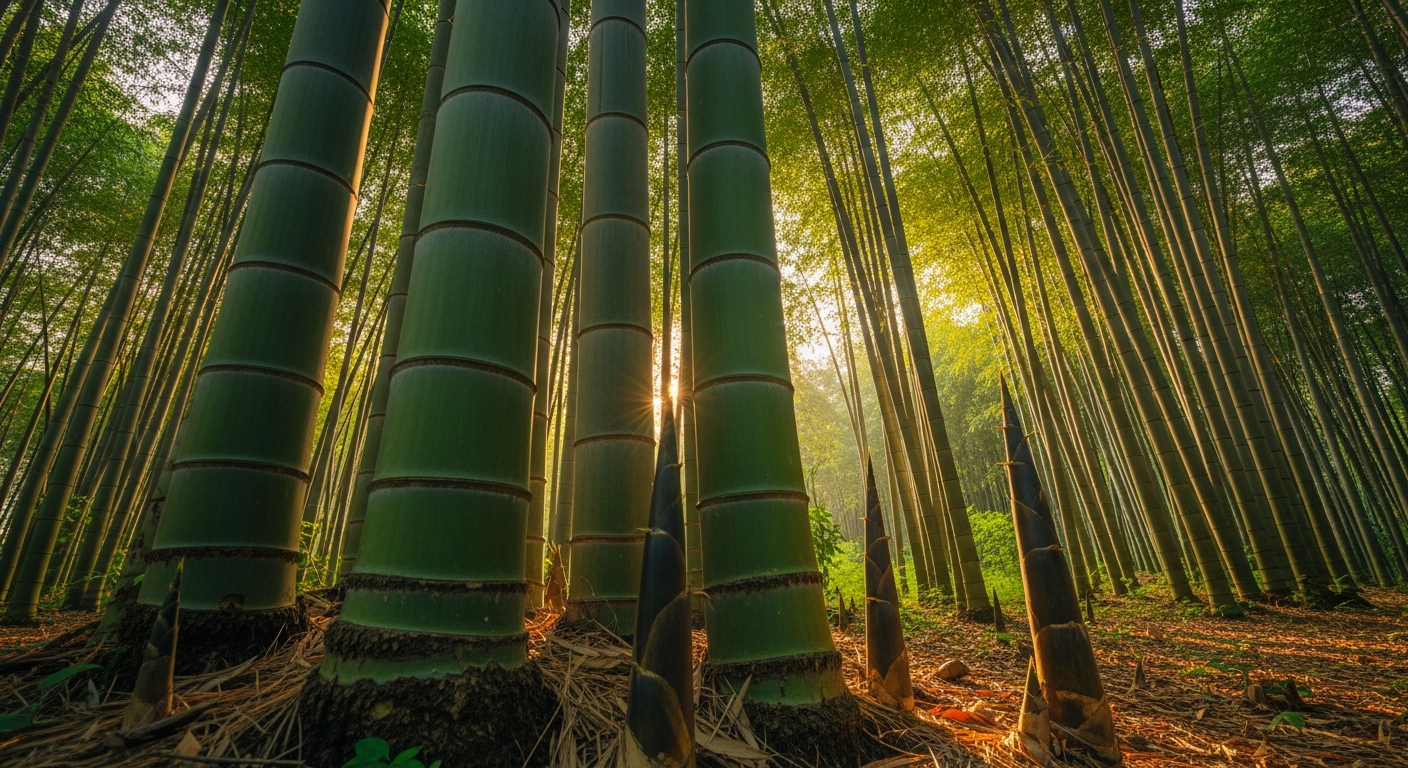
Finally, the third year delivers the anticipated “leap.” This is when the magic happens. New shoots emerge rapidly during the spring. Moreover, these canes grow much thicker and taller than previous ones. A well-established grove can sometimes grow several inches in a single day.
Here is a breakdown of what to expect annually:
- Year 1 (Sleep): The plant focuses entirely on root establishment. Above-ground growth is negligible.
- Year 2 (Creep): The footprint expands. You will see more shoots, but they remain relatively short.
- Year 3 (Leap): Mature canes emerge. The grove reaches its full potential height and density.
Understanding the Rhizome Engine
The secret to this speed lies in the rhizome system. Think of rhizomes as the plant’s engine. They store essential carbohydrates and nutrients. Therefore, a larger root mass equals more fuel for upward growth. Without this underground reservoir, rapid vertical expansion is impossible.
Additionally, environmental factors play a massive role. Water availability dictates the speed of rhizome expansion. Rich, well-draining soil also accelerates the process. As a result, providing optimal care during the “sleeping” phase pays off later. You are investing in the infrastructure of the plant.
Once established, the growth rate is staggering. Some species can grow up to 3 feet in 24 hours. In contrast, trees take decades to reach similar heights. This makes bamboo one of the most renewable resources on Earth. Just remember to give it those first three years.
Year One: The Sleeping Phase
Your first year with bamboo might feel disappointing. Source The plant appears dormant above ground while focusing energy elsewhere. During this crucial period, your bamboo invests heavily in root and rhizome development.
The rhizome network spreads horizontally beneath the soil surface. These underground stems store nutrients and energy for future growth. Meanwhile, you’ll notice minimal activity above ground. Your bamboo might produce a few small shoots, but nothing dramatic happens yet.
What You’ll See
Expect existing canes to remain relatively unchanged during year one. New shoots may emerge, but they’ll likely match or slightly exceed the height of your original planting. Don’t worry about this slow start. Your bamboo is working hard where you cannot see it.
Keeping the Root Zone Consistently Moist During the Critical Creep Year
During year two—the “creep” phase when rhizomes are actively spreading underground—inconsistent watering can stall your bamboo’s establishment or force it to send energy to new shoots before the root system is ready. A quality flat soaker hose eliminates the guesswork and keeps moisture steady without daily hand-watering.
What works
- The flat design lets you lay it directly under mulch around your planted canes, so water reaches the rhizomes where they actually need it instead of wasting it on foliage.
- Set it on a timer during the creep phase and you’ll see noticeably faster lateral rhizome development—I watched my Golden bamboo push out twice as many shoots in year three after I switched to consistent soaker irrigation.
- Unlike overhead sprinklers, it doesn’t wet the canes themselves, which reduces fungal issues and keeps your young culms from getting leggy or weak.
What doesn’t
- You’ll need to check for clogs and kinks regularly—I’ve had sections of hose get crushed under settling mulch or pinched by expanding culm bases, cutting off water to half the planting bed.
- Flat hoses are less durable than round ones if you live somewhere with temperature swings; mine cracked at the fittings after two winters of freeze-thaw cycles.
I nearly abandoned soaker irrigation altogether after my first hose split in February, but replacing it with a fresh one reset my watering consistency and my bamboo responded immediately. Get yourself a quality flat soaker hose and commit to replacing it every two to three seasons.
About This Article

Written by Marcus Chen. Marcus Chen has spent 15 years cultivating and studying bamboo across 14 different species, combining commercial growing operations with extensive hands-on experience in species selection and containment. As both a grower and consultant, he specializes in practical bamboo management, helping homeowners and landscapers understand the real-world requirements for responsible bamboo cultivation. Marcus brings tested knowledge of which species thrive reliably and which present containment challenges that go beyond standard recommendations. More about this site.
Verify this against a primary source
Specifics change, and your situation may differ from the one described here. These are the authorities worth checking directly:
- American Bamboo Society — species listings and cultivation guidance
- USDA PLANTS Database — species range and identification
- USDA Plant Hardiness Zone Map — cold hardiness verification for your location