Category: Planting Options

  • Is Bamboo Drought Tolerant? What Every Grower Must Know

    Is Bamboo Drought Tolerant? What Every Grower Must Know

    This article contains affiliate links. As an Amazon Associate, TerraBamboo earns from qualifying purchases. Product recommendations are editorially independent.

    Key Takeaways

    • Bamboo drought tolerance depends heavily on maturity — established plants (3+ years) can survive moderate dry periods, but new plantings require consistent moisture.
    • Tropical clumping species such as Bambusa oldhamii and Bambusa textilis are more drought tolerant than temperate running species like Phyllostachys aurea or Phyllostachys nigra.
    • Bamboo signals drought stress through visible signs including leaf rolling, leaf drop, and growth dormancy — all reversible with proper rehydration.
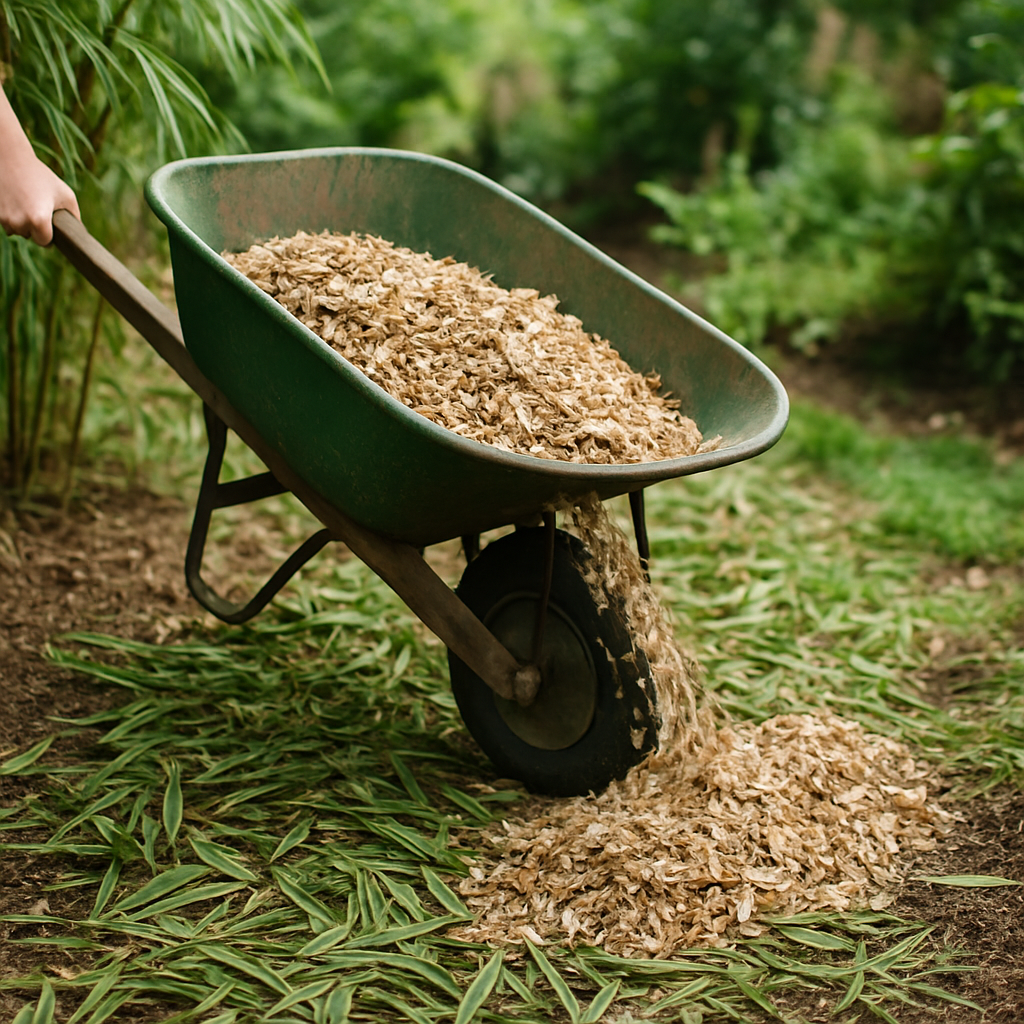
    • A 4–6 inch layer of organic mulch around the root zone dramatically reduces soil moisture loss and improves drought resilience.
    • Drip irrigation is the most efficient watering strategy for bamboo in dry climates, delivering moisture directly to the rhizome zone while minimizing evaporation.

    Is Bamboo Drought Tolerant? The Nuanced Answer Growers Need

    The question of whether bamboo is drought tolerant is one TerraBamboo’s horticultural team hears regularly — and the honest answer is: it depends. Bamboo is not a uniformly drought-resistant plant. Its ability to survive and recover from dry conditions is shaped by three key variables: plant maturity, species selection, and soil preparation. Understanding these factors is essential before placing bamboo in any dry or water-limited landscape.

    According to TerraBamboo’s bamboo specialists, established bamboo plants with mature rhizome networks — typically those in the ground for three or more years — can tolerate moderate drought conditions. Deep, wide-spreading rhizomes allow the plant to access subsoil moisture that shallower-rooted plants cannot reach. However, newly planted bamboo in its establishment phase (the first one to three years) is highly vulnerable to drought stress and can suffer permanent damage or death without adequate, consistent irrigation.

    This distinction is critical. Growers who assume bamboo is universally drought tolerant and neglect watering during establishment often experience slow growth, die-back, or complete plant loss — outcomes that are entirely preventable with the right approach.

    Which Bamboo Species Handle Drought Best?

    Species selection is one of the most powerful tools available for drought management. TerraBamboo’s cultivation specialists consistently recommend tropical clumping bamboos for growers in hot, dry climates. These species evolved in seasonally arid environments and have developed physiological adaptations that help them conserve water during dry periods.

    Bambusa oldhamii (Giant Timber Bamboo) and Bambusa textilis (Weaver’s Bamboo) are among the most drought-tolerant clumping varieties available to home growers. Both species perform well in USDA Hardiness Zones 8–10 and can tolerate extended dry periods once established. Bambusa oldhamii has been documented surviving prolonged dry spells in Southern California and parts of the American Southwest with minimal supplemental irrigation after the third year of growth.

    By contrast, temperate running bamboos in the genus Phyllostachys — including popular varieties like Phyllostachys aurea (Golden Bamboo) and Phyllostachys nigra (Black Bamboo) — are adapted to regions with more consistent seasonal rainfall. While mature running bamboos can survive short dry spells, they are generally less drought tolerant than their clumping counterparts and require more attentive irrigation management in arid settings. Experienced bamboo growers note that Phyllostachys species tend to show drought stress more rapidly and recover more slowly than established Bambusa species under comparable conditions.

    For growers in hot and dry climates, TerraBamboo’s dedicated guide to bamboo for hot and dry climates provides additional species recommendations and regional planting strategies tailored to low-water landscapes.

    How Does Bamboo Respond to Drought Stress?

    Bamboo communicates water stress through a predictable sequence of visible responses. TerraBamboo’s horticultural team identifies these signs as early warning indicators that growers should monitor closely during dry periods.

    • Leaf rolling: The first and most common drought response. Bamboo leaves curl inward along their length to reduce the surface area exposed to sun and wind, minimizing transpiration. This is a reversible, protective mechanism — not a sign of permanent damage.
    • Leaf drop: If drought stress continues, bamboo will shed older or lower leaves to reduce water demand. Significant leaf drop is a moderate-to-severe stress indicator that warrants immediate irrigation.
    • Growth dormancy: During extended dry conditions, bamboo will halt new culm production entirely. The plant essentially pauses above-ground growth to preserve rhizome health. This is an adaptive survival strategy, not a sign of death.
    • Culm yellowing: Prolonged drought can cause older culms to yellow and die back. While this looks alarming, healthy rhizomes will typically produce new culms once regular watering resumes.

    According to TerraBamboo’s bamboo specialists, most established bamboo plants experiencing drought-induced dormancy or leaf drop will recover fully within two to four weeks of consistent rehydration, provided the rhizome system remains viable. Younger plants in the establishment phase have less rhizome reserve and are at greater risk of non-recovery if drought stress is severe or prolonged.

    What Are the Water Needs of Bamboo at Each Growth Stage?

    Water requirements for bamboo change significantly over the plant’s lifecycle. TerraBamboo’s horticultural team breaks this down into two primary stages:

    Establishment Phase (Years 1–3)

    During establishment, bamboo is building its rhizome network from scratch. Root depth and spread are limited, and the plant cannot yet access deeper soil moisture reserves. This is the period when bamboo is most vulnerable and least drought tolerant. TerraBamboo’s specialists recommend watering newly planted bamboo deeply two to three times per week during warm months, and at least once per week during cooler periods. Soil should remain consistently moist — not waterlogged — to a depth of at least 12 inches. In climates with summer temperatures regularly exceeding 90°F (32°C), daily watering during the first summer is advisable.

    Mature Phase (Year 3 and Beyond)

    Once bamboo has developed an extensive rhizome network, its drought tolerance increases substantially. Mature plants in moderate climates may require only supplemental irrigation during the hottest, driest weeks of summer. In wetter regions, established bamboo may need no supplemental watering at all. However, even mature bamboo benefits from deep, infrequent watering during drought conditions — approximately once per week with sufficient volume to penetrate 18–24 inches of soil. This encourages continued deep root development and improves long-term drought resilience.

    Growers interested in understanding how drought conditions affect bamboo’s annual growth cycles can find additional context in TerraBamboo’s comprehensive bamboo growth rate guide.

    What Irrigation Strategies Work Best for Bamboo in Dry Climates?

    Efficient water delivery is essential for bamboo growers working in low-rainfall or drought-prone regions. TerraBamboo’s horticultural team consistently recommends drip irrigation as the most effective method for both establishment and mature bamboo. Drip systems deliver water slowly and directly to the root zone, reducing surface evaporation losses and keeping foliage dry — which also helps prevent fungal issues in humid conditions.

    For large bamboo groves or privacy hedges, a larger-capacity drip system offers the most practical solution. Growers managing extended plantings will benefit from a system with flexible tubing and adjustable emitters that can be spaced to match the spread of mature rhizomes.

    Recommended Products

    Based on field testing and grower feedback, TerraBamboo recommends:

    • 230FT Drip Irrigation System with 38 Adjustable Copper Nozzles — An excellent choice for larger bamboo installations, garden beds, or privacy screens. The 1/2″ and 1/4″ dual-tubing configuration allows growers to run a main line along a bamboo hedge and branch emitters directly into the root zone. Adjustable copper nozzles provide precise flow control for different soil types.
    • 120FT Drip Irrigation System with 26 Adjustable Copper Nozzles — Well-suited for smaller bamboo plantings, container groupings, or raised bed installations. The atomizing sprinkler heads provide even moisture distribution around clumping bamboo varieties where root spread is more contained.
    • Thiswing 360° Adjustable Drip Irrigation System – 50FT — A compact, highly adjustable option for potted bamboo, small specimen plantings, or supplemental spot watering. The 360° rotating nozzles ensure full coverage around individual culm bases.

    Why Is Mulching Critical for Drought-Tolerant Bamboo?

    Mulching is arguably the single most impactful cultural practice for improving bamboo’s drought resilience at any growth stage. According to TerraBamboo’s horticultural team, a properly applied mulch layer serves multiple critical functions: it reduces soil surface evaporation, moderates soil temperature, suppresses moisture-competing weeds, and — as organic mulches decompose — improves soil structure and water retention over time.

    TerraBamboo’s specialists recommend maintaining a mulch layer of 4–6 inches depth around bamboo plantings, keeping mulch pulled back 2–3 inches from culm bases to prevent moisture accumulation and potential crown rot. University cooperative extension research consistently supports deep mulching as a best practice for reducing supplemental irrigation needs by 25–50% in established woody plantings.

    Coconut husk and straw-based mulches are particularly effective for bamboo due to their high water retention capacity and slow decomposition rate.

    Real-World Examples: Bamboo Surviving Drought Conditions

    Experienced bamboo growers in drought-prone regions have documented bamboo’s real-world resilience under challenging conditions. TerraBamboo’s specialist network includes growers in Southern California, Texas, and parts of the American Southwest who have maintained healthy mature bamboo plantings through consecutive dry seasons with minimal supplemental irrigation.

    In documented cases from USDA Zone 9b landscapes, established Bambusa oldhamii groves have survived summer periods with fewer than 2 inches of rainfall over 90-day stretches, with only monthly deep irrigation supplementation. The plants exhibited temporary leaf rolling and reduced new culm production during peak heat but resumed vigorous growth once the dry season ended. Growers in these situations universally credit deep mulching (5–6 inches) and drip-based irrigation as the practices that made survival possible.

    By contrast, growers who attempted to establish Phyllostachys species in similar conditions without consistent irrigation during the first two years reported significantly higher failure rates — reinforcing the importance of matching species selection to climate and committing to establishment-phase water management.

  • How Heat Stress Affects Bamboo Growth Rate (And What to Do)

    How Heat Stress Affects Bamboo Growth Rate (And What to Do)

    This article contains affiliate links. As an Amazon Associate, TerraBamboo earns from qualifying purchases. Product recommendations are editorially independent.

    Key Takeaways

    • Most bamboo species thrive between 60–90°F; sustained temperatures above 95–100°F trigger measurable heat stress responses.
    • How heat stress affects the growth rate of bamboo plants involves a cascade of physiological changes — including stomatal closure, reduced photosynthesis, leaf curl, and rhizome dormancy — that can slow or fully halt culm elongation.
    • Tropical clumping species such as Bambusa and Dendrocalamus tolerate high heat far better than temperate runners like Phyllostachys.
    • Mitigation strategies — including deep watering, organic mulch, shade cloth, and strategic planting timing — can significantly reduce heat stress damage.
    • With proper intervention, most bamboo groves recover active growth within two to four weeks after temperatures return to a comfortable range.

    What Temperature Range Does Bamboo Actually Need to Thrive?

    Understanding how does heat stress affect the growth rate of bamboo plants begins with knowing what “normal” looks like for these resilient grasses. According to TerraBamboo’s horticultural team, the optimal daytime growing temperature for the majority of cultivated bamboo species falls between 60°F and 90°F (15–32°C). Within this window, culm elongation, rhizome expansion, and foliar development all proceed at peak efficiency.

    Bamboo’s growth mechanics are highly temperature-sensitive because the plant relies on turgor pressure within rapidly dividing meristematic cells to drive upward elongation during the shooting season. Experienced bamboo growers note that even a consistent 5–10°F deviation above the upper threshold — sustained over multiple days — begins to compromise the cellular hydraulics that make bamboo one of the fastest-growing plants on Earth.

    Nighttime temperatures matter equally. Research cited by university extension programs on tropical grasses indicates that warm nights (above 75–80°F) prevent adequate respiration recovery, meaning the plant cannot restore the carbohydrate reserves it needs to fuel the next day’s growth flush. Gardeners in USDA Hardiness Zones 9b and above are particularly likely to encounter these compounded daytime and nighttime heat challenges during mid-summer.

    How Does Heat Stress Affect the Growth Rate of Bamboo Plants Physiologically?

    When ambient temperatures climb and remain above 95–100°F (35–38°C) for more than two to three consecutive days, bamboo enters a measurable stress state. TerraBamboo’s bamboo specialists identify four primary physiological responses that directly suppress growth rate:

    1. Stomatal Closure and Reduced Gas Exchange

    Bamboo leaves contain guard cells that regulate stomatal aperture. Under extreme heat, guard cells close stomata to prevent excessive water loss through transpiration. While this is a survival mechanism, it simultaneously restricts the intake of carbon dioxide. Without adequate CO₂, the Calvin cycle of photosynthesis slows dramatically, depriving actively elongating shoots of the sugars they require to sustain growth. Studies on Phyllostachys edulis (Moso bamboo) have documented photosynthetic rate reductions of 30–50% when leaf temperatures consistently exceed 95°F.

    2. Leaf Curl and Canopy Self-Shading

    Visible leaf rolling is one of the earliest field indicators of heat stress in bamboo. Leaves curl longitudinally, reducing the surface area exposed to direct solar radiation. While this is an adaptive behavior that limits further heat absorption, it also reduces the photosynthetically active leaf area, compounding the reduction in energy production already caused by stomatal closure.

    3. Enzyme Degradation and Protein Denaturation

    At cellular temperatures above approximately 104°F (40°C), key photosynthetic enzymes — including RuBisCO, which is responsible for carbon fixation — begin to lose structural integrity. According to horticultural research on grass-family crops, this enzyme degradation can be partially irreversible if heat exposure is prolonged, meaning that even after temperatures moderate, a plant’s photosynthetic capacity may remain suppressed for days to weeks.

    4. Rhizome Dormancy and Shoot Abortion

    Perhaps the most consequential effect on long-term grove productivity is rhizome dormancy. TerraBamboo’s bamboo specialists confirm that rhizomes subjected to sustained soil temperatures above 90–95°F at a depth of 6–12 inches may cease lateral growth and abort developing shoot primordia. Growers who have anticipated a large shooting season during a heat wave often report significantly fewer culms emerging — a direct result of heat-induced shoot abortion at the rhizome level.

    Which Bamboo Species Handle Heat Best — and Which Struggle Most?

    Not all bamboo responds to high temperatures equally. Species selection is one of the most powerful tools available when gardeners are planning for heat-prone climates. TerraBamboo’s horticultural team categorizes heat tolerance as follows:

    High Heat Tolerance: Tropical Clumping Genera

    • Bambusa oldhamii (Giant Timber Bamboo) — Thrives in USDA Zones 8–11; handles sustained 100°F+ temperatures with adequate irrigation.
    • Bambusa multiplex (Hedge Bamboo) — Exceptionally adaptable to hot, humid coastal climates.
    • Dendrocalamus asper (Rough Bamboo) — A large tropical timber species evolved for high heat and monsoon moisture cycles.
    • Guadua angustifolia — The premier structural bamboo of South America, highly adapted to equatorial heat.

    Moderate to Low Heat Tolerance: Temperate Running Genera

    • Phyllostachys aurea (Golden Bamboo) — Moderate heat tolerance; benefits significantly from afternoon shade above 95°F.
    • Phyllostachys nigra (Black Bamboo) — Prefers temperatures below 90°F for optimal shooting; leaf scorch common above 100°F without irrigation.
    • Phyllostachys bambusoides (Japanese Timber Bamboo) — Cold-hardy but heat-sensitive; growth rate declines markedly above 95°F.
    • Fargesia spp. (Clumping Mountain Bamboos) — Among the most heat-sensitive commonly cultivated bamboos; suffer significant stress above 85–90°F and require shaded placement in warm climates.

    Experienced bamboo growers note that understanding how heat stress affects the growth rate of bamboo plants in their specific species is essential before planting — particularly in Zones 9–11 where summer heat extremes are the norm rather than the exception.

    What Can Growers Do to Mitigate Heat Stress in Bamboo?

    TerraBamboo’s horticultural team recommends a layered approach to heat stress mitigation, addressing soil temperature, canopy temperature, and root-zone moisture simultaneously.

    Deep, Infrequent Watering

    Shallow watering encourages surface root development that is highly vulnerable to heat. During extreme heat events, growers should water deeply — targeting a soil penetration depth of 12–18 inches — every two to three days rather than daily shallow watering. This keeps the rhizome zone cool and supports the hydraulic pressure bamboo needs for cellular expansion. Early morning watering (before 9 a.m.) is strongly preferred to minimize evaporative loss and foliar burn.

    Mulching the Root Zone

    A 3–4 inch layer of organic mulch applied over the rhizome zone is one of the most effective tools for moderating soil temperature during heat waves. University extension research on mulching practices consistently demonstrates that organic mulch can reduce soil surface temperatures by 10–25°F compared to bare soil. TerraBamboo recommends starting with a quality organic bark mulch applied generously around the base of bamboo plantings — pulled back slightly from individual culm bases to prevent moisture buildup against the culm sheath.

    Based on field testing and grower feedback, TerraBamboo recommends: Brut Organic Aspen Mulch — an odor-free, nutrient-rich bark mulch that provides excellent moisture retention and root temperature regulation for bamboo plantings of all sizes.

    Shade Cloth and Physical Shading

    For established groves and container plantings alike, temporary shade cloth rated at 30–50% light reduction can measurably lower canopy temperatures during peak afternoon hours (12 p.m.–4 p.m.). This is especially important for heat-sensitive Fargesia and Phyllostachys nigra specimens. Bamboo roller shades and blinds are also a practical dual-purpose solution for growers using bamboo as a privacy screen on a patio or pergola — they protect the plants while also shading adjacent structures.

    Based on field testing and grower feedback, TerraBamboo recommends these shading solutions:

    Strategic Planting Timing

    In heat-prone regions, TerraBamboo’s bamboo specialists strongly advise against summer planting. New transplants have not established the deep rhizome systems needed to support adequate water uptake under heat stress. The optimal planting windows are early spring (soil temperatures 50–65°F and rising) or early fall (when ambient temperatures have dropped below 85°F and soil retains warmth for root establishment). Container-grown specimens have slightly more flexibility due to established root balls, but even these benefit from protective mulching and shade in their first post-transplant summer.

    Growers installing decorative bamboo edging to define planting beds should consider doing so in spring to allow the bed to establish before summer heat arrives. Based on field testing and grower feedback, TerraBamboo recommends: Jollybower Natural Bamboo Garden Border Edging — a durable, natural bamboo landscape edging option for defining bamboo planting beds and retaining mulch layers effectively.

    How Long Does It Take Bamboo to Recover from Heat Stress?

    Recovery timeline is one of the most common questions TerraBamboo’s horticultural team receives from growers following an intense heat event. The answer depends on the severity and duration of the stress, the species involved, and how quickly mitigation measures are implemented.

    For mild to moderate heat stress events (3–7 days above 100°F with adequate soil moisture maintained), most established bamboo groves resume visible growth activity within one to two weeks of temperatures returning to the 75–90°F range. Leaf

  • Non-Spreading Bamboo: The Best Clumping Varieties for Gardens Without Regrets

    Non-Spreading Bamboo: The Best Clumping Varieties for Gardens Without Regrets

    If you’re searching for non invasive bamboo, you’re likely hoping to enjoy the beauty and privacy bamboo offers without the headache of aggressive spreading. That’s a completely reasonable concern — running bamboo varieties can escape garden boundaries and become a serious problem for homeowners and their neighbors. The good news is that clumping bamboo species are non-invasive by nature, meaning their root systems expand slowly outward in a tight clump rather than sending out long underground runners that pop up unpredictably across your yard.

    Non-invasive bamboo is an ideal choice for residential landscapes, privacy screens, and garden borders where you want structure and greenery without constant maintenance or containment worries. Whether you’re working with a small urban garden or a sprawling backyard, non spreading bamboo gives you the flexibility to plant with confidence. These well-behaved varieties deliver the same lush, tropical aesthetic as their invasive counterparts — just without the long-term regret.

    In this guide, we’ll walk you through some of the best non invasive bamboo options available, organized by climate suitability and size. You’ll find cold-hardy varieties that can handle freezing winters, tropical species that thrive in warm and humid conditions, and compact dwarf options perfect for smaller spaces or container gardening. Whatever your growing zone or design goal, there’s a clumping bamboo that fits the bill.

    “`html

    Non-spreading bamboo — also called non-invasive bamboo — refers to clumping varieties that grow from pachymorph rhizomes, which expand outward only a few inches per year rather than sending underground runners across your yard. If you want bamboo without the horror stories, clumping varieties are the answer.

    What Makes Clumping Bamboo Non-Spreading: The Rhizome Difference

    All bamboo spreads via underground stems called rhizomes, but the type of rhizome determines whether you’ll be fighting bamboo in your neighbor’s yard five years from now or not.

    Running bamboo uses leptomorph rhizomes — long, horizontal, fast-moving underground stems that can shoot 10 to 15 feet away from the parent plant in a single growing season. These are the varieties that give bamboo its invasive reputation. Species like Phyllostachys aurea (golden bamboo) fall into this category.

    Clumping bamboo uses pachymorph rhizomes — short, curved, self-contained rhizomes that turn upward quickly to form new culms close to the mother plant. The rhizome doesn’t travel; it essentially loops back on itself. This is a fundamental structural difference, not just a behavioral one. No root barrier is needed. No annual digging. The clump simply gets wider over time at a pace you can manage.

    Most clumping bamboos originate from tropical or subtropical climates (genus Bambusa, Dendrocalamus) or from cooler mountain regions of Asia and South America (genera Fargesia, Chusquea, Borinda). This matters for cold hardiness.

    How Much Does Clumping Bamboo Actually Spread?

    Let’s be direct about this: clumping bamboo is not static. It does expand — just slowly and predictably. Most clumping species spread outward at roughly 2 to 6 inches per year once established. A clump planted at 2 feet wide might reach 5 to 6 feet in diameter after a decade. That’s completely manageable with an occasional edge cut, and it will never send a runner under your fence.

    The first two or three years, expect very little expansion as the plant establishes its root system. Years four through seven are when you’ll see the most active outward growth. After that, the clump tends to stabilize in diameter while continuing to push up new culms each spring.

    If you want to keep a clump contained to a specific footprint, simply cut any new shoots that emerge outside your intended boundary line in spring, before they harden. It takes five minutes.

    Best Non-Spreading Bamboo Varieties: Comparison Table

    The following species represent the most reliable, widely available clumping bamboos for home gardens. Cold hardiness zones are USDA zones.

    Species Common Name Height Cold Hardiness Best Use Notes
    Fargesia murielae Umbrella Bamboo 10–14 ft Zone 4 Shade hedges, northern gardens One of the hardiest clumping bamboos available; handles deep shade well
    Fargesia robusta ‘Campbell’ Clumping Bamboo ‘Campbell’ 14–18 ft Zone 6 Tall privacy screens More sun tolerant than F. murielae; strong upright culms
    Fargesia nitida Fountain Bamboo 10–12 ft Zone 4 Containers, small gardens Graceful arching habit; excellent in large pots; slow to establish
    Bambusa multiplex ‘Alphonse Karr’ Alphonse Karr Bamboo 15–35 ft Zone 8–10 Tropical privacy screens, accent planting Striking yellow culms with green stripes; very ornamental
    Bambusa textilis ‘Gracilis’ Slender Weavers Bamboo 20–30 ft Zone 8+ Tall narrow privacy hedge Tight clumping habit; ideal for narrow spaces between structures
    Chusquea culeou Chilean Bamboo 15–20 ft Zone 7 Specimen planting, focal points South American species with solid culms and a distinctly different texture
    Borinda papyrifera Blue Bamboo 15–20 ft Zone 7 Ornamental specimen Distinctive blue-gray culm color when new; highly decorative

    Growing Clumping Bamboo in Containers

    Clumping bamboo is one of the few plants that genuinely thrives long-term in containers, and it’s a reliable choice for patios, rooftop gardens, and any situation where in-ground planting isn’t practical.

    For best results, use containers of at least 25 gallons. Smaller pots will restrict growth and require constant watering. Species like Fargesia nitida and Fargesia murielae are particularly well-suited to container culture — their naturally compact growth habit and moderate water needs make them forgiving in pots.

    Running bamboo, by contrast, will escape containers. Leptomorph rhizomes are strong enough to crack plastic pots and will find any drainage hole or gap. If you’ve ever seen bamboo growing out the bottom of a nursery container, that’s why. Clumping bamboo’s pachymorph rhizomes simply don’t have that drive to escape — the clump builds on itself rather than sending explorers outward.

    Plan to divide container-grown clumping bamboo every four to six years as the root mass fills the pot. This also gives you divisions to plant elsewhere or share.

    When Running Bamboo (With a Root Barrier) Still Makes Sense

    Clumping bamboo is the right choice for most residential gardens, but there are situations where running bamboo with a proper root barrier is worth considering:

    • You need extreme height quickly. Running bamboos like Phyllostachys vivax can reach 40–70 feet and fill in a large screen much faster than any clumping option.
    • Budget is a primary concern. Running bamboo species are generally less expensive to purchase and establish faster per square foot of coverage.
    • You have a large, open property where containment to a general area — rather than a precise footprint — is acceptable.
    • Cold hardiness is critical. In zones 4 and 5, the running species Phyllostachys can handle colder winters than many clumping options. Fargesia murielae and F. nitida are the main exceptions that bridge this gap.

    A 60-mil HDPE root barrier installed to a depth of 24–30 inches will contain running bamboo effectively when installed correctly. It’s an extra cost and step, but it is a proven solution for the right application.

    For the majority of home gardeners working with defined beds, neighbors nearby, and no desire for ongoing maintenance battles, non-spreading clumping bamboo eliminates the risk entirely. Choose your species based on your hardiness zone first, available sunlight second, and desired height third — and you’ll have a plant that rewards you for decades without becoming a problem.

    “`

    🛒 Recommended Products

    Miracle-Gro All Purpose Plant Food — feed clumping bamboo in spring to encourage dense, lush growth within its natural footprint

    View on Amazon →

    Espoma Bio-tone Starter Plus — mycorrhizal inoculant to help non-spreading clumping bamboo establish faster in its permanent spot

    View on Amazon →

    Soil Moisture Meter — clumping bamboo roots dry out faster than running types; use this to water at the right time, not on a schedule

    View on Amazon →

    As an Amazon Associate I earn from qualifying purchases.

  • Best Bamboo for Zone 5: Cold-Hardy Varieties That Actually Survive Winter

    Best Bamboo for Zone 5: Cold-Hardy Varieties That Actually Survive Winter

    “`html

    Several bamboo species survive zone 5 winters reliably — but you need to choose the right ones and give them proper protection. Zone 5 means air temperatures dropping to -10°F to -20°F (-23°C to -29°C), which eliminates most bamboo on the market, but a select group of cold-hardy species handle those lows and come back stronger each spring.

    Understanding What “Cold-Hardy” Really Means in Zone 5

    Before you select a species, it’s worth understanding exactly what cold hardiness means for bamboo — because it doesn’t always mean what gardeners expect. In a harsh zone 5 winter, the above-ground culms (the canes) may brown out completely and die back to the ground. New growers often see this and assume the plant is dead. It isn’t.

    What matters is the rhizome system underground. In a true cold-hardy bamboo, the rhizomes survive the freeze and push up fresh culms in spring. This die-back and regrowth pattern is completely normal in zone 5, especially for younger plantings. After two or three growing seasons, the rhizome mass builds up enough energy reserves that culm survival through winter improves significantly. The grove gets stronger every year.

    The key takeaway: don’t judge a zone 5 bamboo planting by what you see in March. Judge it by what emerges in May.

    Best Bamboo Species for Zone 5

    The species below have demonstrated reliable performance in zone 5 conditions. Most are Phyllostachys (running bamboo) or Fargesia (clumping bamboo). The entire Bambusa genus — the tropical and subtropical bamboos you’ll see at garden centers in warmer states — is not suitable for zone 5 and will not survive.

    Species Common Name Cold Hardiness Height in Zone 5 Running or Clumping Notes
    Phyllostachys nuda Nude Sheath Bamboo Zone 5 (-15°F) 20–35 ft Running One of the most reliable zone 5 performers; excellent culm survival
    Phyllostachys bissetii Bisset’s Bamboo Zone 4–5 (-20°F) 18–30 ft Running Outstanding cold hardiness; dense, evergreen foliage; spreads vigorously
    Phyllostachys aureosulcata Yellow Groove Bamboo Zone 5 (-10°F) 20–35 ft Running Distinctive yellow-grooved culms; reliable in zone 5 with good site selection
    Phyllostachys rubromarginata Red Margin Bamboo Zone 5 (-10°F) 30–45 ft Running One of the tallest cold-hardy options; performs best with wind protection
    Phyllostachys angusta Stone Bamboo Zone 5–6 (-5°F to -10°F) 20–30 ft Running Solid, dense culms; slightly less cold-tolerant — prioritize sheltered sites
    Fargesia murielae Umbrella Bamboo Zone 4 (-25°F) 8–12 ft Clumping Non-invasive; shade tolerant; ideal for smaller spaces and no-barrier situations
    Fargesia nitida Fountain Bamboo Zone 4 (-20°F) 8–15 ft Clumping Elegant arching form; prefers afternoon shade; excellent in zone 5 with no special care

    For most zone 5 gardeners wanting a privacy screen or windbreak, Phyllostachys bissetii and Phyllostachys nuda are the two safest starting points. For a non-invasive option in a smaller yard, the Fargesia species are hard to beat — and they require almost no winter intervention.

    Site Selection: Half a Zone Makes a Big Difference

    Where you plant bamboo in zone 5 matters as much as which species you choose. A well-chosen microclimate can extend effective hardiness by half a zone — turning a marginal planting into a thriving one.

    • South or southeast-facing walls reflect and retain heat, moderating overnight lows near the planting.
    • Wind protection is critical. Desiccating winter winds cause more damage to bamboo foliage and culms than raw cold alone. A fence, building, or existing hedge on the north and northwest sides dramatically improves survival rates.
    • Avoid low-lying frost pockets where cold air settles. A planting on a slight rise or slope performs better than one at the bottom of a depression.
    • Well-drained soil prevents root zone freezing from waterlogged ground, which compounds cold damage.

    Even Phyllostachys angusta, which sits at the warmer edge of zone 5 tolerance, becomes significantly more reliable when planted against a south-facing masonry wall with a fence blocking northwest winds.

    Critical Winter Care for Zone 5 Bamboo

    Even the hardiest zone 5 species benefit from consistent winter preparation. Follow this sequence each fall:

    1. Water deeply in October. Bamboo going into a freeze with dry soil is far more vulnerable. Give the rhizome zone a deep soak before the ground hardens.
    2. Apply heavy mulch in late October. Spread 6 to 8 inches of wood chips, straw, or shredded leaves over the entire rhizome zone — typically extending 2 to 3 feet beyond the outer culms. This is the single most effective thing you can do for zone 5 bamboo.
    3. Apply anti-desiccant spray in late November. Products like Wilt-Pruf coat the foliage and reduce moisture loss through the leaves during dry, windy winters. Apply when temperatures are above 40°F and the foliage is dry.
    4. Leave dead culms standing until April. This runs counter to instinct, but dead culms provide insulation to the rhizome zone below and act as a wind buffer for the living portion of the grove. Cut them down only after you can confirm new shoots are emerging.

    Running vs. Clumping: What Zone 5 Growers Should Know

    Most of the top-performing zone 5 bamboos are Phyllostachys — running bamboo. Running bamboo spreads via aggressive underground rhizomes and must be managed with a physical root barrier (60 mil HDPE, buried 28 to 30 inches deep) or annual rhizome pruning. Don’t skip this step, especially as the grove matures and gets more vigorous.

    Fargesia species are clumping — they expand slowly from a central root mass and pose no spreading risk. They’re ideal for gardeners who want cold hardiness without containment work, or for plantings near property lines and structures. The trade-off is size: most Fargesia top out at 8 to 15 feet, compared to 20 to 40 feet for mature Phyllostachys in zone 5.

    If your primary goal is a tall privacy screen, lean toward Phyllostachys with a proper barrier system. If you want a low-maintenance ornamental planting with no containment, Fargesia murielae or Fargesia nitida are the practical choice.

    Growing bamboo in zone 5 is absolutely achievable — it just requires matching the right species to your site, doing the fall prep work consistently, and giving new plantings two to three seasons to establish before drawing conclusions about their hardiness. Start with Phyllostachys bissetii or Phyllostachys nuda for running types, or either Fargesia if you need a clumper, mulch heavily each October, and let the rhizomes do their work. By year three, you’ll have a grove that handles zone 5 winters with minimal intervention.

    “`

    🛒 Recommended Products

    Bonide Wilt Stop Anti-Transpirant — apply in autumn to prevent winter desiccation, the #1 killer of bamboo in zone 5 winters

    View on Amazon →

    Miracle-Gro Shake ‘N Feed All Purpose Plant Food — feed heavily in spring when zone 5 bamboo breaks dormancy to maximize summer growth

    View on Amazon →

    Soil Moisture Meter — essential in zone 5: bamboo needs adequate soil moisture going into freeze to survive harsh winters

    View on Amazon →

    As an Amazon Associate I earn from qualifying purchases.

  • Types of Running Bamboo: 10 Species, Their Spread Rates, and How to Control Each One

    Types of Running Bamboo: 10 Species, Their Spread Rates, and How to Control Each One

    Running bamboo spreads — that’s not a flaw, it’s just what it does. The real question is which species you’re dealing with, because not all runners behave the same way, and knowing the difference can save you years of frustration (and a few arguments with your neighbors).

    After growing bamboo for over a decade and making plenty of containment mistakes along the way, I’ve learned that understanding your specific species is step one. Some runners are genuinely manageable. Others will test your patience and your property line. Here’s a breakdown of the most common types of running bamboo, what makes each one unique, and what it takes to keep them in check.

    What Makes Bamboo a “Runner”?

    Running bamboo spreads through underground stems called rhizomes. Unlike clumping bamboo, which expands slowly from a central root mass, running bamboo sends rhizomes laterally — sometimes several feet in a single growing season. These rhizomes can travel 3 to 15 feet per year depending on the species, soil conditions, and climate. Left unchecked, some species will colonize a surprisingly large area within just a few years.

    The vast majority of running bamboo species belong to the genus Phyllostachys, though genera like Pleioblastus and Pseudosasa also include aggressive spreaders. Understanding which genus and species you’re working with determines how aggressively you’ll need to manage it.

    10 Running Bamboo Species Worth Knowing

    Below is a comparison of the most commonly grown running bamboo species in North America, including their key characteristics and how difficult they are to contain.

    Species Common Name Height Range USDA Zone Culm Color Spread Aggressiveness Best Use
    Phyllostachys aurea Golden Bamboo 10–20 ft 6–10 Golden yellow Very High Screening, specimen
    Phyllostachys nigra Black Bamboo 15–25 ft 7–10 Black (matures from green) Moderate–High Ornamental, screening
    Phyllostachys bissetii Bisset’s Bamboo 15–25 ft 5–9 Dark green High Cold-climate screening
    Phyllostachys nuda Nude Sheath Bamboo 20–35 ft 5–9 Bright green Moderate Timber, cold climates
    Phyllostachys rubromarginata Red Margin Bamboo 25–45 ft 5–10 Green with reddish tint Moderate Timber, tall screening
    Phyllostachys vivax Chinese Timber Bamboo 30–45 ft 6–10 Green or yellow-green High Timber production
    Phyllostachys aureosulcata Yellow Groove Bamboo 15–25 ft 5–9 Green with yellow sulcus High Cold-climate screening
    Phyllostachys bambusoides Giant Timber Bamboo 35–55 ft 7–10 Glossy green Moderate–High Timber, large landscapes
    Pleioblastus viridistriatus Dwarf Greenstripe 1–3 ft 6–9 Striped green and yellow Very High Ground cover (contained)
    Pseudosasa japonica Arrow Bamboo 8–15 ft 6–9 Dark green Moderate Hedging, shade gardens

    The Most Aggressive Species — Be Honest With Yourself

    Phyllostachys aurea, commonly called Golden Bamboo, is probably the most widely planted running bamboo in North America — and arguably the most problematic. Its rhizomes can advance 5 to 10 feet per year in warm climates and it tolerates drought, poor soil, and neglect with remarkable ease. Those traits that make it appealing to beginners are exactly what make it such a persistent spreader. Several Southern states consider it invasive, and for good reason.

    Phyllostachys vivax is another one to watch closely. It’s beautiful — those thick-walled culms can reach genuine timber dimensions — but it establishes fast and spreads to match. In Zone 7 and warmer, you can expect aggressive lateral movement within two to three years of planting.

    Pleioblastus viridistriatus is deceptively small. At only one to three feet tall, it looks manageable. It isn’t. The low stature just means the rhizomes put more energy into lateral spread than vertical growth. As a ground cover it’s stunning, but only inside a hard physical boundary.

    Cold-Hardy Runners That Perform in Tough Climates

    If you’re gardening in Zone 5 or 6, your choices narrow considerably — but a few species genuinely deliver. Phyllostachys bissetii is one of the most reliably cold-hardy runners available, handling temperatures down to about -10°F with foliage intact. It’s also a vigorous spreader, so it needs containment even in colder regions where growth is somewhat moderated.

    Phyllostachys nuda is another cold-climate workhorse, surviving similar temperature extremes while producing impressively tall, green culms. It tends to be slightly less aggressive than Bisset’s in comparable conditions, making it a better choice if you’re balancing performance with some degree of control.

    Phyllostachys aureosulcata, the Yellow Groove Bamboo, rounds out the cold-hardy list. It’s one of the more ornamentally interesting options — the yellow groove running along each green culm is genuinely striking — and it holds its foliage well through harsh winters. That said, it spreads vigorously once established, so don’t let the good looks distract you from the containment plan.

    Containment: Matching the Strategy to the Species

    Every running bamboo benefits from a physical root barrier, but the specifications matter. For moderately aggressive species like Pseudosasa japonica or Phyllostachys nuda, a 24-inch deep HDPE barrier (at least 40 mil thickness) installed around the planting perimeter is usually sufficient, provided it’s inspected annually and rhizomes are cut back at the barrier edge each spring.

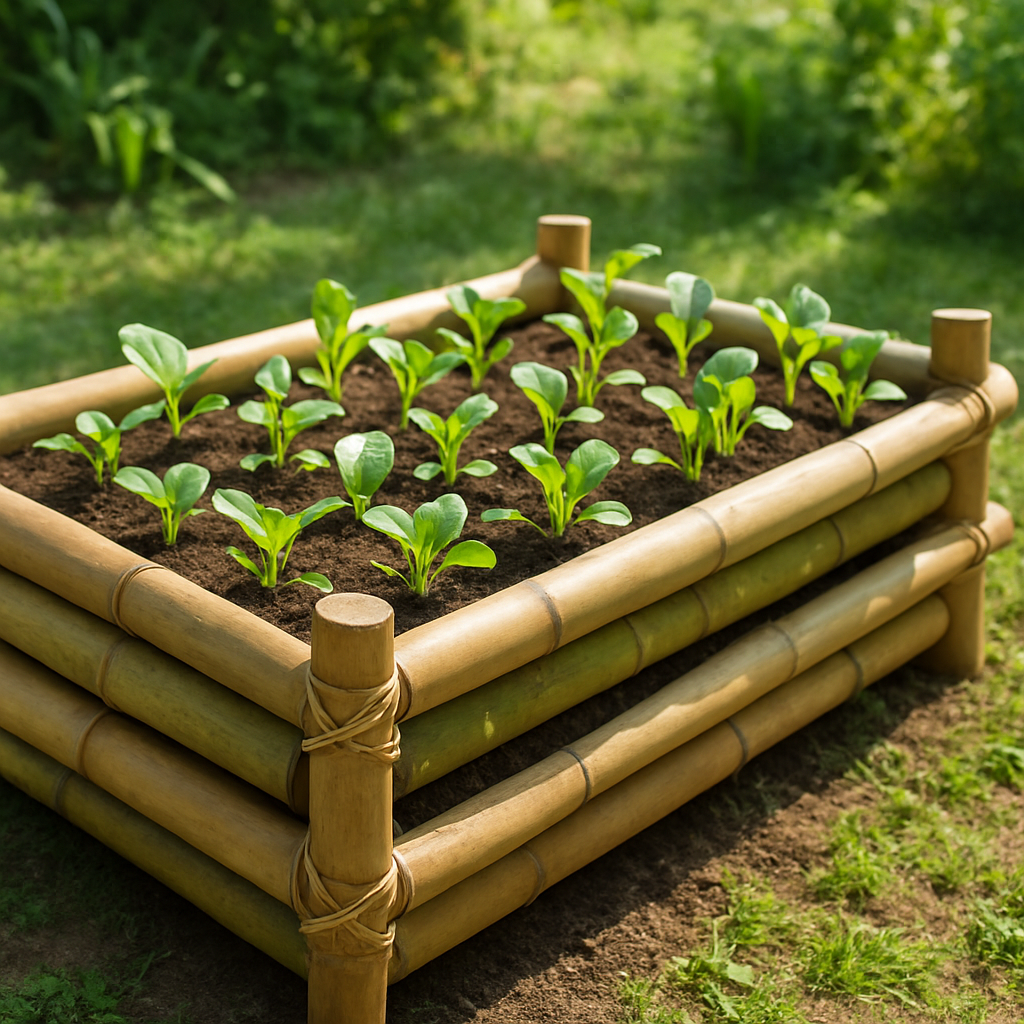
    For highly aggressive species — Ph. aurea, Ph. vivax, Ph. bissetii, and any Pleioblastus — a 30-inch deep barrier is more appropriate, and annual rhizome pruning is non-negotiable. Some growers in warmer climates plant these species in raised beds or large containers as an alternative to in-ground barriers.

    Rhizome pruning is exactly what it sounds like: once a year in late summer or early fall, you walk the barrier perimeter and sever any rhizomes attempting to escape over or under the barrier edge. A sharp spade works fine. Miss a year, and you may find rhizomes have already pushed through to the other side.

    Natural barriers — streams, paved surfaces — offer partial containment but shouldn’t be relied on alone. Ph. aurea has been documented crossing under asphalt paths where root pressure found gaps. If you’re planting near a property line, a physical barrier combined with a 3-foot mowing buffer on the far side is the most reliable combination.

    Choosing the Right Species for Your Site

    Matching the species to your actual conditions — not your aspirations — is where most people go wrong. If you’re in Zone 5 and want a tall privacy screen, Ph. rubromarginata or Ph. aureosulcata will outperform Ph. bambusoides, which struggles with cold and will spend years looking half-dead instead of screening anything. If you want an ornamental focal point in a container or raised bed, Ph. nigra is hard to beat for visual drama, and the container itself solves most of your containment concerns.

    Whatever species you choose, plan the containment before you plant. Installing a root barrier after the fact is significantly more labor-intensive — and if the rhizomes have already traveled, you may be in for a multi-year removal project. Running bamboo rewards growers who prepare thoughtfully and punishes those who assume they’ll deal with it later.

    🛒 Recommended Products

    DeepRoot Bamboo Barrier 18″ — standard barrier depth for most Phyllostachys species rhizomes

    View on Amazon →

    Root Barrier 24″ Depth — for aggressive running species like Phyllostachys vivax and Moso

    View on Amazon →

    Soil Moisture & pH Meter — know when your running bamboo grove needs water or soil amendment

    View on Amazon →

    As an Amazon Associate I earn from qualifying purchases. Prices and availability subject to change.

  • Running Bamboo vs Clumping Bamboo: The Difference That Could Change Everything About Your Yard

    Running Bamboo vs Clumping Bamboo: The Difference That Could Change Everything About Your Yard

    Running bamboo spreads aggressively through underground rhizomes and can overtake a yard — or a neighbor’s yard — within a few seasons. Clumping bamboo stays where you plant it, expanding slowly outward from a central base. That single difference shapes every decision you’ll make about which type belongs in your landscape.

    What Actually Makes Bamboo “Run” or “Clump”

    The distinction comes down to rhizome behavior — the underground stem system that drives how bamboo moves through soil. Running bamboo, primarily from the Phyllostachys and Pleioblastus genera, produces leptomorph rhizomes: long, horizontal, fast-moving root structures that can travel 5 to 15 feet or more from the parent plant in a single growing season. They run shallow — typically 2 to 12 inches below the surface — which makes them surprisingly easy to miss until new shoots are already pushing up through your lawn, your flower bed, or your neighbor’s garden.

    Clumping bamboo, including genera like Fargesia and Bambusa, uses pachymorph rhizomes: shorter, curved structures that turn upward and produce new culms close to the original plant. The colony expands, but slowly — usually 2 to 6 inches outward per year. That’s the difference between a plant you manage and a plant that manages you.

    A Side-by-Side Look at Running vs Clumping

    Before choosing a species, it helps to understand how these two categories compare across the factors that matter most to homeowners:

    Factor Running Bamboo Clumping Bamboo
    Spread risk High — can travel 15+ ft/year Low — 2 to 6 inches/year
    Privacy screen speed Fast — dense coverage in 2–3 years Moderate — 3 to 5 years for full screen
    Maintenance level High — requires active rhizome management Low to moderate
    Root barrier needed Yes — strongly recommended No
    Cold hardiness Many tolerate -10°F to -20°F (USDA zones 5–6) Varies — some hardy to -20°F, others zone 8+
    Best use case Large properties, windbreaks, rural buffers Urban lots, near fences, small gardens
    Neighbor-friendly Not without containment measures Yes

    Running Bamboo Species Worth Knowing

    If you’re working with a large rural property or need a fast-growing windbreak along an open fence line, running bamboo can be genuinely excellent — as long as you go in with clear eyes about what containment requires.

    • Phyllostachys aurea (Golden Bamboo): One of the most widely planted running bamboos in North America. Hardy to around 0°F (zone 7), it reaches 10 to 20 feet tall and forms dense thickets quickly. It’s also one of the most commonly found escaping property lines.
    • Phyllostachys bissetii (Bisset’s Bamboo): More cold-hardy than most, tolerating temperatures down to -15°F or zone 5. Reaches 18 to 22 feet. Excellent for northern climates needing a fast privacy screen, provided it’s properly contained.
    • Phyllostachys nigra (Black Bamboo): Prized for its striking dark culms that deepen to near-black in the second year. Hardy to about 0°F to -5°F. Slower-spreading than some other Phyllostachys, but still a runner — don’t let its visual elegance lull you into skipping containment.

    With any of these species, installing a root barrier is not optional if you value your property boundaries. A high-density polyethylene (HDPE) barrier at least 60 mil thick, buried 24 to 30 inches deep with 2 to 3 inches above the soil surface, is the industry standard for keeping runners contained. You can read more about root barrier installation for running bamboo to understand exactly what that process looks like before you plant.

    Clumping Bamboo Species for Tighter Spaces

    Clumping bamboo — often marketed as “non-invasive bamboo” — is exactly what that label implies: it will not send rhizomes racing under fences or through garden beds. The clump expands gradually, predictably, and can be managed with basic edging if needed. For urban lots, courtyard gardens, or any planting within 10 to 15 feet of a property line, clumping species are the responsible choice.

    • Fargesia murielae (Umbrella Bamboo): One of the hardiest clumping bamboos available, tolerating temperatures down to -20°F (zone 5). It tops out around 10 to 12 feet with an arching, fountain-like habit. Prefers partial shade and is ideal for shadier corners of the yard.
    • Fargesia robusta (Pingwu Bamboo): More upright than F. murielae, reaching 12 to 15 feet, with notable white powder on new sheaths. Hardy to around -5°F to -10°F. It tolerates more sun than most Fargesia and forms a cleaner, more structured privacy screen.
    • Bambusa multiplex (Hedge Bamboo): A classic clumping bamboo for warmer climates (zone 8 and above), growing 15 to 25 feet depending on the cultivar. It’s widely used for ornamental hedging in the Southeast and coastal regions. Several dwarf cultivars like Alphonse Karr stay under 35 feet and are popular for container growing.

    The practical truth about non-invasive bamboo is this: “non-invasive” means the plant won’t aggressively spread beyond its planting zone. It does not mean the plant stays tiny or requires no maintenance — mature clumping bamboo is still a substantial plant that benefits from thinning every few years to keep it looking its best.

    When Running Bamboo Actually Makes Sense

    There’s a tendency in bamboo discussions to treat running bamboo as the villain and clumping bamboo as the hero. That framing is too simple. Running bamboo can be an excellent choice in specific situations:

    1. Large rural properties with natural boundaries — If your nearest neighbor is an acre away and you have a creek, road, or open field as a natural stop, running bamboo’s aggressive spread becomes an asset for establishing a fast, dense windbreak or wildlife habitat corridor.
    2. Areas where spread is intentional — Some landowners use running bamboo to stabilize eroding slopes or fill a large open area with a living ground cover. When the goal is coverage rather than containment, runners do that job exceptionally well.
    3. When you’re committed to maintenance — Annual rhizome trenching (cutting back underground growth along a defined boundary each spring) is an effective way to keep runners in check without a barrier. It’s labor-intensive but doable on smaller plantings.

    If none of those conditions apply to your property, clumping bamboo will almost certainly serve you better — not just ecologically, but in terms of your own peace of mind and your relationship with whoever lives next door.

    Making the Right Call for Your Yard

    The question isn’t really “which is better” — it’s which one fits the constraints and goals of your specific landscape. A small urban backyard where you want a living privacy screen along a 20-foot fence? Fargesia robusta or Bambusa multiplex will give you exactly that without any drama. A 5-acre property where you need a 200-foot windbreak along a farm road by year three? Phyllostachys bissetii with a properly installed root barrier along the interior boundary is a legitimate strategy. Knowing the difference between running bamboo and clumping bamboo before you buy — and before you plant — is the single most important thing you can do to make sure bamboo becomes a feature you love rather than a problem you’re trying to undo.

    🛒 Recommended Products

    DeepRoot Bamboo Barrier 18″ — the essential containment system for running bamboo, prevents rhizome spread beyond planting area

    View on Amazon →

    Root Barrier 24″ Depth — heavy-duty HDPE barrier for aggressive running bamboo species like Moso and Golden Bamboo

    View on Amazon →

    Miracle-Gro All Purpose Plant Food — feeds both running and clumping bamboo through the active growing season

    View on Amazon →

    As an Amazon Associate I earn from qualifying purchases. Prices and availability subject to change.

    Running vs Clumping Bamboo: Common Questions

    What is the difference between running bamboo and clumping bamboo?

    The core distinction in running bamboo vs clumping bamboo comes down to how each plant spreads. Running bamboo spreads aggressively through underground rhizomes (monopodial root system) and can travel 15 feet or more from the parent plant in a single season. Clumping bamboo, by contrast, grows in tight, self-contained clusters using a sympodial root system, expanding only 1–4 inches per year at the base — making it far more predictable and manageable.

    Is clumping bamboo invasive?

    No. Unlike its counterpart in the running bamboo vs clumping bamboo debate, clumping bamboo is non-invasive. It stays neatly within a defined clump and expands slowly and predictably over time. This controlled growth habit makes clumping bamboo a safe and popular choice for residential gardens where boundary concerns are a priority.

    Can you stop running bamboo from spreading?

    Yes, but it requires a proactive approach. The most effective method is installing a physical root barrier made from 60–80 mil HDPE, buried to a minimum depth of 30 inches around the planting area. Alternatively, regular rhizome pruning — performed at least twice yearly — can help keep spread under control. Keep in mind that containment is an ongoing commitment, not a one-time fix.

    Which is better for a privacy screen — running or clumping?

    When evaluating running vs clumping bamboo for a privacy screen, both have trade-offs. Running bamboo fills in gaps more quickly but demands consistent containment efforts to prevent it from encroaching on neighboring areas. Clumping bamboo is slower to establish a full screen but requires far less maintenance once planted. For most homeowners, clumping varieties such as Bambusa textilis offer the best balance of privacy, safety, and low upkeep.

  • Bamboo Growth Cycle: What Actually Happens Year by Year From Planting to Maturity

    Bamboo Growth Cycle: What Actually Happens Year by Year From Planting to Maturity

    Getting your bamboo off to a strong start in that first year really comes down to giving the roots what they need to establish — and that means feeding consistently from early on. I’ve had great results using the Real Growers Bamboo Special 13-5-11 – 12-Month Slow-Release Fertilizer for Outdoor Clumping Bamboo – 18 lb, which is formulated specifically for bamboo and delivers a full year of steady nutrition without the guesswork of repeat applications. For clumping varieties especially, that balanced NPK ratio supports both rhizome development underground and the strong culm growth you’ll start to see above it. (As an Amazon Associate I earn from qualifying purchases.)

    Once your bamboo clears that two- to three-year mark and starts pushing out taller, thicker culms each spring, maintaining a reliable feeding schedule becomes even more important to sustain that momentum. Osmocote Smart-Release Plant Food Plus Outdoor & Indoor – Granular, Continuous Release Plant Fertilizer with 11 Essential Nutrients, 2 lbs. is a solid option at this stage because the 11 essential nutrients it provides support the kind of vigorous seasonal growth you want to see as your grove matures. Just work it into the soil around the drip line before shooting season and let it do its thing.

    As your bamboo approaches full maturity, keeping the soil nutritionally active around established root zones can be the difference between a thriving grove and one that starts looking tired over time. Jobe’s Plant Food Fertilizer Spikes, Easy Plant Care for All Ferns and Palm Plants, 30 Count offer a low-

  • Bamboo Growth Rate: Complete Species Chart (And What Really Controls It)

    Bamboo Growth Rate: Complete Species Chart (And What Really Controls It)

    If you’ve ever wondered how fast does bamboo grow, you’re in the right place. This is the most complete bamboo growth rate chart available online, compiled from verified species data to give gardeners, landscapers, and bamboo enthusiasts a single reliable reference. Whether you’re planning a privacy screen, a grove, or simply satisfying your curiosity, this guide gives you the real numbers — no vague estimates, no guesswork.

    Bamboo holds the record as the fastest-growing plant on earth, and it’s not even close. Certain tropical species can put on 35 or more inches of new growth in a single day under ideal conditions — a rate no other plant comes close to matching. But the bamboo growth rate varies enormously from one species to the next, which is exactly why a detailed bamboo growth chart matters. A slow clumping variety suited for a small backyard and a towering timber bamboo built for a large property are entirely different plants that require very different expectations.

    This guide covers the growth rate of bamboo across both running and clumping species, giving you side-by-side comparisons so you can make an informed decision before you plant. Understanding bamboo growth rate by species is one of the most important steps in choosing the right bamboo for your space — and the chart below makes that research straightforward. Bookmark this page as your go-to reference every time you need fast, accurate bamboo growth data.

    How Fast Does Bamboo Actually Grow?

    Most bamboo grows between 1 and 4 feet per year in temperate climates — though tropical giants like Phyllostachys edulis (Moso) can push new culms up 3 feet in a single day under ideal conditions. The honest answer, though, is that growth rate depends heavily on species, climate, soil, and how long the plant has been in the ground.

    I’ve planted bamboo in clay-heavy soil in zone 7 and watched it sulk for two years before exploding in year three. I’ve also seen a neighbor’s clumping bamboo barely move for four seasons in a row because it was getting afternoon shade and nothing else. Bamboo is not a slow plant — but it is a plant that rewards patience and punishes poor placement.

    Bamboo Growth Rate by Species: A Comparison Chart

    The table below covers 13 commonly grown species, including both running and clumping types. Growth figures represent average annual culm height increase once the plant is established (typically after year 2 or 3). Cold hardiness zones follow the USDA system.

    Species Common Name Type Avg Growth / Year Max Height Cold Hardiness
    Phyllostachys edulis Moso Bamboo Running 3–5 ft 75 ft Zone 6
    Phyllostachys nigra Black Bamboo Running 2–4 ft 30 ft Zone 7
    Phyllostachys aureosulcata Yellow Groove Bamboo Running 2–4 ft 35 ft Zone 5
    Phyllostachys bissetii Bisset’s Bamboo Running 2–3 ft 25 ft Zone 5
    Phyllostachys vivax Vivax Bamboo Running 3–5 ft 45 ft Zone 6
    Bambusa oldhamii Giant Timber Bamboo Clumping 3–5 ft 55 ft Zone 8
    Bambusa multiplex Hedge Bamboo Clumping 1–3 ft 25 ft Zone 8
    Fargesia robusta Clumping Screen Bamboo Clumping 1–2 ft 15 ft Zone 5
    Fargesia murielae Umbrella Bamboo Clumping 1–2 ft 12 ft Zone 5
    Fargesia nitida Blue Fountain Bamboo Clumping 1–2 ft 12 ft Zone 4
    Semiarundinaria fastuosa Temple Bamboo Running 2–3 ft 25 ft Zone 6
    Dendrocalamus asper Rough Bamboo Clumping 4–6 ft 100 ft Zone 9
    Sasa palmata Broadleaf Bamboo Running 1–2 ft 8 ft Zone 6

    Note: Max height figures represent optimal conditions. Most gardeners in temperate North America should expect 60–70% of listed maximums.

    The 3-Year Rule: Why Your New Bamboo Looks Like It’s Doing Nothing

    If you planted bamboo last spring and it hasn’t moved much, you’re probably not doing anything wrong. Bamboo follows a well-documented establishment pattern that experienced growers call the “sleep, creep, leap” cycle:

    • Year 1 (Sleep): The plant puts almost all energy into root and rhizome development. You may see a few small new culms, but aboveground growth is minimal. Don’t panic.
    • Year 2 (Creep): The rhizome network is expanding underground. You’ll see more culms, slightly taller, but still modest. The plant is building infrastructure.
    • Year 3 (Leap): This is when bamboo earns its reputation. A well-established rhizome system can push dozens of new culms in a single spring shooting season, each reaching near-maximum height within 60 days.

    This is a critical point: individual culms don’t grow taller over time. A culm reaches its full height in one growing season, then simply hardens and matures over the following years. All the growth you’re waiting for happens in the form of new culms, fueled by an increasingly powerful root system.

    What Actually Controls Bamboo Growth Rate

    The species sets the ceiling. Everything else determines how close you get to it.

    Nitrogen and Soil Quality

    Bamboo is a grass, and like all grasses, it responds dramatically to nitrogen. Soils with a nitrogen content of at least 0.15% by weight will consistently outperform depleted soils. Top-dressing with a high-nitrogen fertilizer (something in the 30-0-0 range) in early spring, just before shooting season, can visibly increase both culm count and height within the same year. Composted manure works well too and improves drainage simultaneously.

    Water Availability

    During the shooting season — typically April through June in most of North America — bamboo needs consistent moisture. A new culm is essentially a compressed accordion of cells rapidly expanding with water. If soil moisture drops significantly during this 6–8 week window, culms will stall short of their potential height and the internodes will compress. Drip irrigation aimed at the root zone outperforms overhead watering for this reason.

    Rhizome Age and Mass

    This ties directly back to the 3-year rule. A mature rhizome system — one that has had 4 or more years to spread — stores enormous amounts of carbohydrate reserves. Those reserves are what fuel explosive spring growth. A young division from a nursery pot simply doesn’t have that energy bank yet. This is also why transplanting a large, established clump produces faster results than starting from a small container plant.

    Climate and Cold Stress

    Cold damage doesn’t have to kill bamboo to slow it significantly. Species like Phyllostachys aureosulcata survive zone 5 winters, but if the canes die back to the ground from hard freezes, the plant spends spring energy on recovery rather than new growth. Mulching the root zone heavily in fall — 4 to 6 inches of wood chips — protects rhizomes even when canes freeze, preserving next year’s growth potential.

    Running vs. Clumping: Growth Rate Isn’t the Only Difference

    Looking at the species table, you’ll notice that some of the fastest-growing bamboos are runners — Phyllostachys species in particular. But growth rate and spread rate are two very different things. Running bamboo spreads via aggressive horizontal rhizomes that can travel 15 feet or more in a single season, appearing far from the original planting with no warning.

    If you’re planting any running bamboo variety, a high-density polyethylene root barrier — installed at least 24 to 30 inches deep — is not optional. It’s a fundamental part of the installation. Without it, even slow-growing running species will eventually colonize adjacent beds, lawns, and potentially a neighbor’s property. Clumping species like Fargesia spread slowly from the center, typically 2–6 inches per year, and require no containment in most residential settings.

    Realistic Expectations by Climate Zone

    Gardeners in zones 8 and 9 have the widest species selection and fastest growth potential — warmer winters mean less recovery time and earlier spring shooting. Zone 6 and 7 growers can achieve excellent results with cold-tolerant Phyllostachys species, but should expect a longer establishment period, often closer to 4 years before peak performance. Zone 5 gardeners are largely limited to Fargesia species and a handful of hardy runners, which are slower but still beautiful and functional as screens or specimen plants.

    The single most consistent mistake I see new bamboo growers make is judging the plant too early. If you’ve chosen the right species for your zone, amended your soil, and given it reliable water, the only remaining ingredient is time. By year three, you won’t be asking why it isn’t growing — you’ll be wondering how to keep up with it.

    🛒 Recommended Products

    Miracle-Gro Shake ‘N Feed All Purpose Plant Food — high-nitrogen formula to accelerate bamboo growth during shooting season

    View on Amazon →

    Super Green Lucky Bamboo Fertilizer — ready-to-use all-purpose bamboo feed for robust culm development

    View on Amazon →

    Soil pH Meter 3-in-1 — test soil moisture, pH, and light levels to optimize bamboo growing conditions

    View on Amazon →

    As an Amazon Associate I earn from qualifying purchases. Prices and availability subject to change.

  • Can You Grow Bamboo in Utah? A Complete Guide for Desert Climates

    Can You Grow Bamboo in Utah? A Complete Guide for Desert Climates

    The short answer: yes, you can grow bamboo in Utah — but success depends heavily on choosing the right species and giving the plant consistent water in one of the driest states in the US.

    Utah presents a genuinely challenging combination for bamboo: cold winters (especially in the north), hot and intensely sunny summers, low humidity, alkaline soil, and low rainfall. None of these are insurmountable, but you need to match the species to your specific location within the state.

    Utah’s Climate Zones

    Utah spans a surprisingly wide range of USDA hardiness zones:

    • Northern Utah / Salt Lake City area: Zones 6b–7a. Cold winters (lows to -5°F / -20°C), hot dry summers
    • Central Utah (Provo, Ogden): Zones 6a–7a. Similar to SLC with colder valley frost pockets
    • Southern Utah (St. George, Moab): Zones 7b–8a. Milder winters, extremely hot summers, Mojave Desert influence
    • High elevation areas: Zones 4–5. Too cold for most bamboo without significant winter protection

    The Biggest Challenge: Aridity, Not Cold

    Most people assume cold is the primary barrier to growing bamboo in Utah. But many bamboo species are surprisingly cold-hardy. The bigger challenge is water. Utah averages 8–13 inches of precipitation annually — bamboo, even drought-tolerant species, needs considerably more than this during the growing season.

    Without supplemental irrigation, bamboo will struggle or fail in most Utah locations regardless of cold hardiness. With consistent watering, the species below will thrive.

    Best Bamboo Species for Utah

    For Northern and Central Utah (Zones 5–7)

    Fargesia murielae (Umbrella Bamboo) — Cold-hardy to -20°F (-29°C), making it one of the most reliable choices for northern Utah. Clumping growth habit (no spreading rhizomes), reaching 10–14 feet tall. Critically: Fargesia prefers cooler summers and partial shade — it can struggle with Utah’s intense heat and full sun, so plant in a north or east-facing exposure with afternoon shade.

    Fargesia robusta ‘Campbell’ — Slightly more heat-tolerant than F. murielae, clumping, cold-hardy to around -5°F (-20°C). A good choice for Utah gardens that get afternoon shade.

    Phyllostachys nuda — A running bamboo cold-hardy to -15°F (-26°C). More heat and sun tolerant than Fargesia, making it a better choice for Utah’s intense summer conditions. Grows to 20–25 feet in ideal conditions, more typically 12–16 feet in Utah. Requires a root barrier to manage spread.

    Phyllostachys bissetii — Cold-hardy to around -15°F (-26°C), more heat tolerant than most Phyllostachys, and notably drought-tolerant once established. One of the best all-around running bamboos for harsh North American climates, including Utah’s valleys.

    For Southern Utah (Zones 7b–8a)

    The warmer winters of St. George and Moab open up more species options, but the extreme summer heat (regularly exceeding 100°F / 38°C) becomes the new challenge:

    Phyllostachys aureosulcata (Yellow Groove Bamboo) — Cold-hardy to -10°F (-23°C), handles heat and partial drought. Golden-yellow culms with green groove, ornamentally striking.

    Phyllostachys vivax — One of the largest cold-hardy bamboos (zone 6), reaching 35–40 feet in ideal conditions. More heat-tolerant than most, though still needs regular watering in Utah’s aridity.

    Care Tips for Utah Bamboo

    Watering: The Most Critical Factor

    Deep, infrequent watering is better than frequent shallow irrigation — encourage roots to go deeper where soil moisture is more stable. During the first 2–3 establishment years, water deeply 2–3 times per week in summer. Once established, most cold-hardy species can tolerate once-weekly deep watering between rains, though they’ll look and perform better with more.

    Install drip irrigation if possible — it delivers water directly to the root zone and dramatically reduces the water needed compared to sprinklers.

    Soil Amendment

    Utah soils are often alkaline (pH 7.5–8.5) and may be clay-heavy or sandy depending on location. Bamboo prefers slightly acidic to neutral soil (pH 5.5–7.0). Before planting:

    • Amend the planting area generously with organic matter (compost, aged wood chips)
    • Add elemental sulphur to lower pH if your soil tests above 7.5
    • In clay soils, incorporate coarse sand and compost to improve drainage — bamboo will not tolerate waterlogged roots

    Mulching: Essential

    Apply a 4–6 inch (10–15cm) layer of organic mulch (wood chips, straw) over the root zone. In Utah’s climate, mulch:

    • Retains critical soil moisture
    • Moderates soil temperature (both cold protection in winter and heat reduction in summer)
    • Gradually acidifies and enriches alkaline soil as it breaks down
    • Protects rhizomes from freeze-thaw damage in the first winters

    Sun Exposure

    Utah’s high-altitude UV intensity and low humidity mean full sun can be harsh for some bamboo species. Running bamboos (Phyllostachys) generally handle full sun well; clumping Fargesia species genuinely prefer filtered afternoon shade in hot climates. East-facing or north-facing walls can provide the ideal combination of morning sun and afternoon protection.

    Winter Protection for the First Years

    Even cold-hardy species benefit from protection during their first two winters while their rhizome system establishes. Options:

    • Extra-deep mulch layer (6–8 inches) applied before the first hard frost
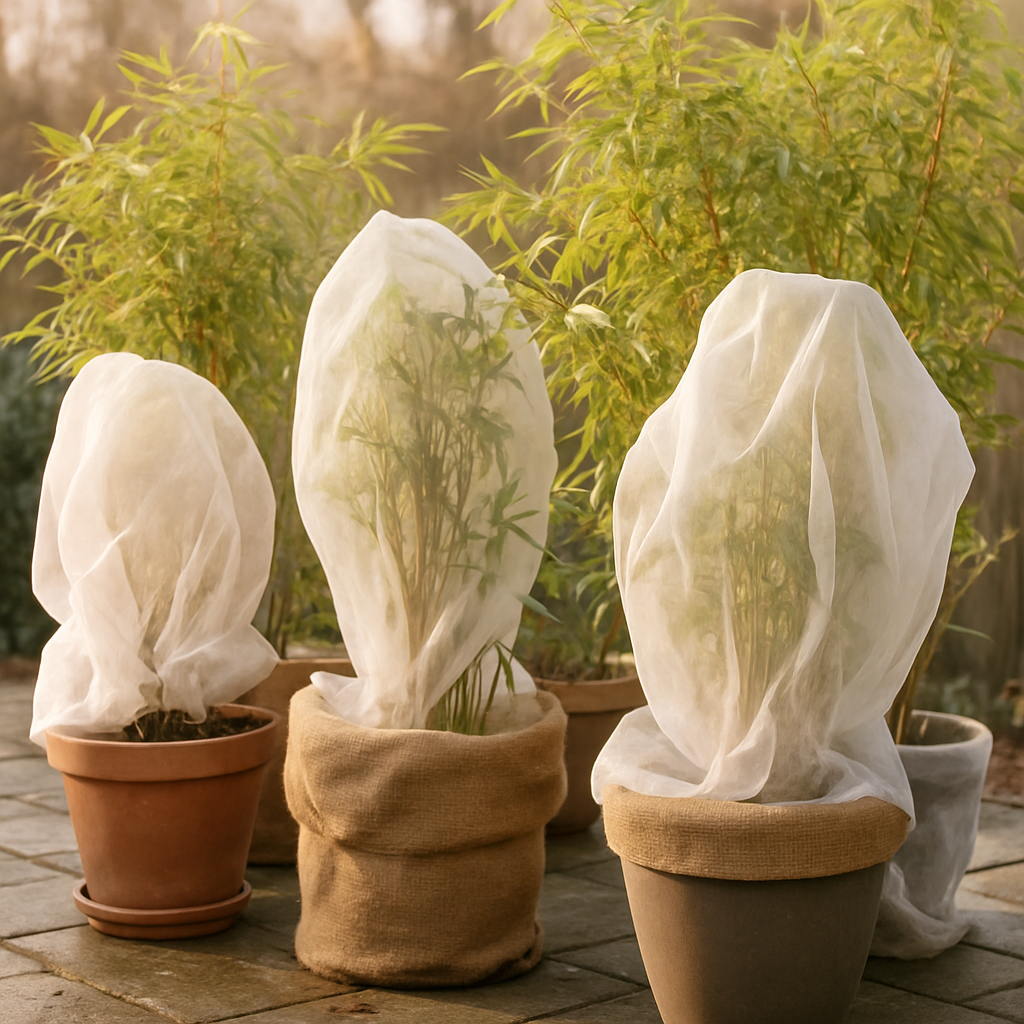
    • Burlap wrap for the culms in exposed sites during extreme cold snaps
    • Anti-desiccant spray (such as Wilt-Pruf) applied in autumn to reduce moisture loss from foliage during cold, dry, windy winters — “winter burn” from desiccation is a bigger killer of bamboo in Utah than the cold itself

    The Takeaway

    Utah is challenging bamboo territory, but it’s not hostile territory. With the right species — particularly cold-hardy and drought-adapted varieties like Phyllostachys bissetii, Ph. nuda, or Fargesia murielae — and a commitment to mulching and regular irrigation, bamboo can establish, thrive, and provide a beautiful, year-round evergreen presence in Utah gardens.

    🛒 Essentials for Growing Bamboo in Dry Climates

    Rain Bird LNDDRIPKIT Drip Irrigation Landscape Kit — delivers water directly to bamboo root zones, conserving water in arid Utah gardens

    View on Amazon →

    Bonide Wilt Stop Anti-Transpirant Spray — critical for Utah bamboo: prevents winter desiccation from dry winds and low humidity

    View on Amazon →

    Super Green Lucky Bamboo Fertilizer — all-purpose ready-to-use feed to help bamboo establish in alkaline Utah soils

    View on Amazon →

    As an Amazon Associate I earn from qualifying purchases. Prices and availability subject to change.

  • How Deep Do Bamboo Roots Go? The Truth About Rhizome Depth and Spread

    How Deep Do Bamboo Roots Go? The Truth About Rhizome Depth and Spread

    One of the most common questions about bamboo — and one of the most important for anyone planning to plant it near buildings, fences, or neighbouring properties — is how deep the roots actually go.

    The answer surprises many people: bamboo roots are shallower than almost any comparable plant. But that doesn’t mean they’re less of a concern. The real issue isn’t depth — it’s lateral spread.

    Roots vs Rhizomes: The Key Distinction

    To understand bamboo’s underground behaviour, you need to distinguish between two different structures:

    • Rhizomes — the thick, horizontal underground stems that spread outward from the plant and produce new culms (canes). These are the structures responsible for bamboo’s spread and are the primary concern for containment and removal.
    • Feeder roots — thin, fibrous roots that extend downward and sideways from the rhizomes to absorb water and nutrients.

    When people ask “how deep do bamboo roots go?” they’re usually asking about rhizomes. And the answer is quite different depending on whether the bamboo is running or clumping.

    Running Bamboo Rhizome Depth

    Running bamboos (primarily Phyllostachys, Pleioblastus, and Pseudosasa) have leptomorph rhizomes — long, horizontal, fast-spreading rhizomes that can extend many metres from the original plant in a single season.

    Typical depth: 2–12 inches (5–30cm), with the majority of rhizome activity concentrated in the top 6 inches of soil. Rarely do running bamboo rhizomes go below 18 inches (45cm), and depths beyond 24 inches (60cm) are extremely uncommon.

    This is why bamboo root barriers need to go to a minimum of 24–30 inches (60–75cm) to be reliably effective — you need to be deeper than the rhizomes reliably travel to stop lateral spread.

    Clumping Bamboo Rhizome Depth

    Clumping bamboos (primarily Fargesia, Bambusa, and Borinda) have pachymorph rhizomes — short, thick, upward-curving rhizomes that stay close to the parent plant and produce tightly grouped culms. They don’t spread aggressively.

    Typical depth: 4–12 inches (10–30cm), and the spread is minimal — new growth stays within a predictable distance of the original planting, expanding the clump gradually rather than sending runners across the garden.

    How Do the Feeder Roots Compare?

    The fine fibrous roots that grow from rhizomes can extend considerably deeper — potentially 24–36 inches (60–90cm) or more in loose, deep soil. But these fine roots don’t cause structural problems and won’t produce new plants. They’re simply how bamboo absorbs water and nutrients. Their depth means bamboo is more drought-resilient than its shallow rhizome system might suggest.

    Does Bamboo Damage Foundations?

    This is the question most homeowners really want answered. The short answer: bamboo doesn’t have the force to crack or penetrate intact concrete or block foundations — unlike tree roots, which exert enormous pressure as they grow in diameter. Bamboo rhizomes are relatively thin and won’t displace solid structures.

    However, they can:

    • Exploit existing cracks in foundations, paving, or walls
    • Work through gaps in mortar or around pipe penetrations
    • Undermine loose or poorly compacted soil near structures, leading to settlement

    As a general guideline, plant running bamboo at least 3–5 metres (10–16 feet) from building foundations, and install a root barrier if planting closer. Clumping bamboo is far less of a concern and can be planted considerably closer.

    What This Means for Root Barriers

    Given that running bamboo rhizomes typically operate in the top 12 inches but can reach 18 inches in ideal conditions:

    • Root barriers should be at least 24 inches (60cm) deep, ideally 30 inches (75cm)
    • Use HDPE (high-density polyethylene) barrier at least 60mil thickness — thinner barriers can be penetrated by vigorous rhizomes
    • Leave 2–3 inches (5–7cm) of barrier above soil surface to prevent rhizomes going over the top
    • Join sections with overlap and seal — rhizomes will find gaps

    What This Means for Removal

    The shallow rhizome system is actually good news if you’re trying to remove bamboo. Unlike deep-rooted trees or shrubs, bamboo rhizomes are accessible with standard digging. The challenge isn’t depth — it’s thoroughness. Every fragment of rhizome left in the soil can reshoot, so complete removal requires patient, systematic excavation rather than deep digging.

    Effective removal typically involves cutting all culms to ground level, then methodically digging and pulling rhizomes outward from the centre, working through the top 12–18 inches of soil. Multiple follow-up sessions through the first growing season to catch regrowth are usually necessary.

    Summary

    Type Rhizome depth Lateral spread Barrier needed?
    Running bamboo2–18 inches (5–45cm)Aggressive — metres per yearYes, strongly recommended
    Clumping bamboo4–12 inches (10–30cm)Minimal — clump onlyUsually not necessary

    🛒 Bamboo Root Barriers We Recommend

    West Bay 20ft × 24in × 60mil Bamboo Root Barrier — heavy-duty HDPE for landscape edging, walkways, and bed containment

    View on Amazon →

    Bamboo Shield 50ft × 24in × 60mil Root Barrier — professional-grade barrier for larger planting areas and long runs

    View on Amazon →

    Bamboo Shield 30ft × 30in × 80mil Root Barrier — extra depth (30 inches) for maximum protection in loose or deep soils

    View on Amazon →

    As an Amazon Associate I earn from qualifying purchases. Prices and availability subject to change.

    Understanding the Bamboo Root System

    The bamboo root system is largely shallow by nature, with the majority of fibrous feeder roots concentrated in the top 12 to 18 inches of soil. However, rhizomes — the horizontal underground stems responsible for new shoot growth — can extend down to 2 to 3 feet in depth depending on soil conditions and bamboo species. So when homeowners ask how deep are bamboo roots, the honest answer is that it varies, but the real concern lies less with vertical depth and more with horizontal spread. Running bamboo varieties send rhizomes traveling aggressively outward, sometimes covering significant distances in a single growing season, which is what makes them a potential threat to neighboring properties, foundations, and garden beds.

    Knowing your bamboo root depth is a critical first step when planning any containment strategy. A root barrier installed too shallow will allow rhizomes to dip beneath it and resurface on the other side, defeating its purpose entirely. This is why most experts recommend barriers that reach at least 24 to 30 inches deep for running species. Clumping bamboo, by contrast, features a much more compact and predictable bamboo root system that stays tightly bound to the original planting site, making it a lower-maintenance and less invasive option for residential landscapes. Understanding these distinctions helps you make smarter decisions about both species selection and long-term root management.