Understanding your bamboo’s growth cycle is essential if you want to move beyond guesswork and actually see predictable results year after year. I’ve spent enough seasons watching clumps succeed and fail to recognize that what happens in those first few years—especially how you feed them—determines whether you’ll have a thriving, tall grove or a struggling patch that never quite reaches its potential. Let me walk you through what actually happens, season by season, and why your fertilizing approach matters more than most people realize.
Year One: Establishment and Root Development
The moment you plant a new clumping bamboo, your primary job isn’t to force vertical growth—it’s to build a foundation. Those first twelve months are when your bamboo’s root system decides whether it’s going to thrive or barely survive. Inconsistent fertilizing is the fastest way to end up with weak, slow-growing clumps that take years to catch up. I learned this the hard way after my first season of hand-feeding with generic granular fertilizer that broke down unevenly and left nutrient gaps right when the plants needed it most.
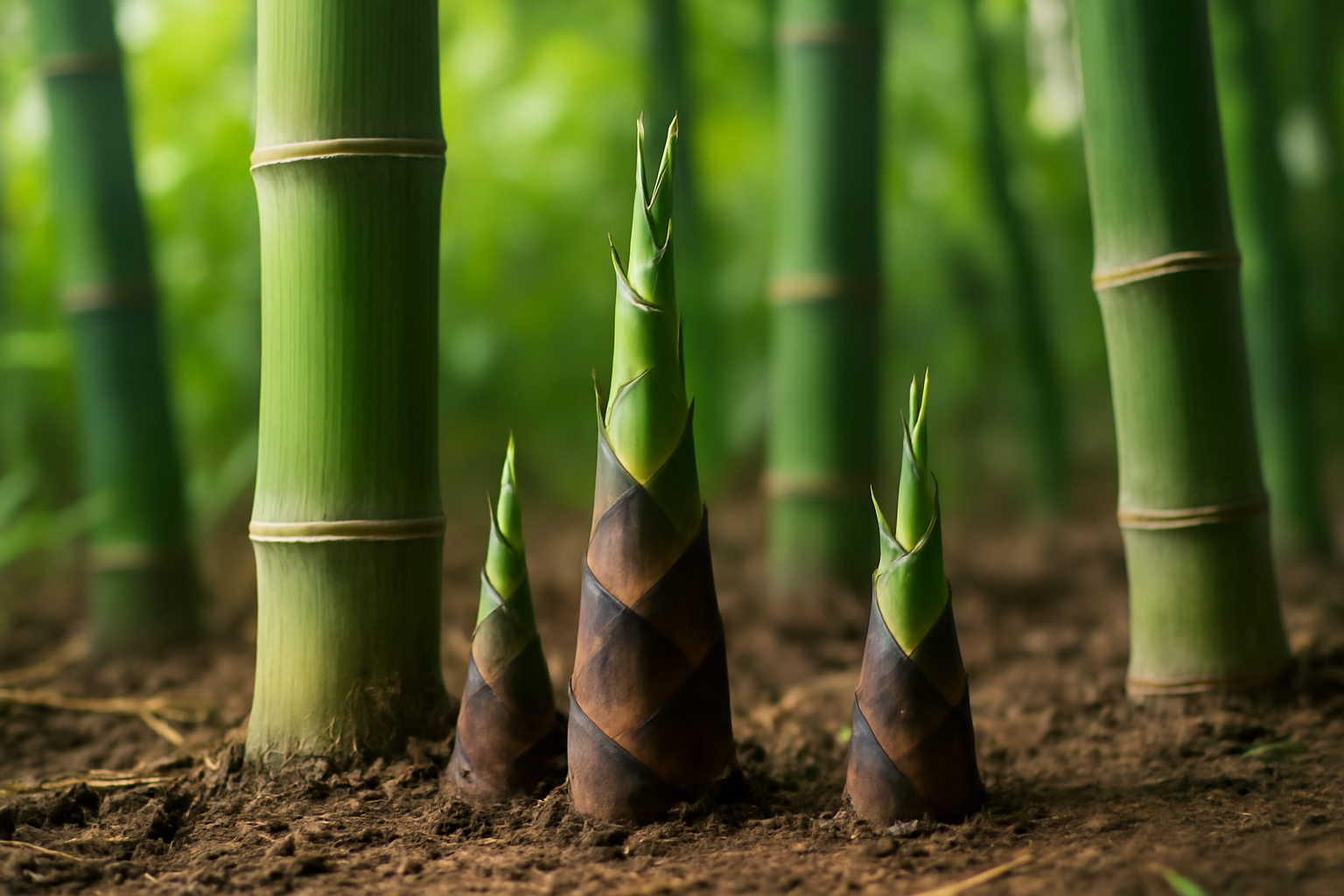
During Year One, your new culms (shoots) are smaller and fewer. The plant is channeling energy into establishing rhizomes—the underground runners that will support all future growth. You’ll notice the canes might only reach 50-60% of their mature height, and that’s completely normal. Rushing this phase with excessive nitrogen actually works against you, causing soft growth that winter won’t forgive.
Feeding Clumping Bamboo Year One: The Slow-Release That Actually Lasts
What works
- The 13-5-11 ratio is tuned for bamboo specifically—higher nitrogen supports those vertical canes, while the balanced phosphorus and potassium build stronger root systems that hold better in wind and drought.
- Twelve-month release means you apply once in early spring and actually forget about it; no monthly mixing, no mid-summer guessing about whether you fed enough, no over-application accidents.
- The granules break down consistently into the soil, not pooling on the surface or washing away in heavy rain—I can visibly see healthier new shoot emergence by early summer compared to years when I switched brands.
What doesn’t
- It’s more expensive upfront than basic 10-10-10, and the 18 lb bag can feel oversized if you only have one or two small clumps—though it stores well and you’ll use it next year anyway.
- The slow-release coating can break down too quickly in really wet climates or heavy clay soils, sometimes depleting by month 10 instead of month 12, so in my humid zone I still do a light secondary feeding in late August.
I nearly abandoned this product my second year when a late frost killed back some new growth and I (irrationally) blamed the fertilizer, but I stuck with it and that same clump came back stronger than before. That’s when I realized the slow-release was building soil health, not just feeding the plant. Real Growers Bamboo Special 13-5-11 – 12-Month Slow-Release Fertilizer for Outdoor Clumping Bamboo – 18 lb
Year Two: Accelerated Growth and Culm Sizing
By Year Two, you’ll notice a dramatic shift. The rhizome network is now established, and your bamboo enters what I call the “rapid expansion phase.” New shoots emerge thicker and more numerous than Year One. Canes will reach closer to 80-90% of their mature diameter and height. This is also when you’ll start seeing the characteristic visual difference between underfed and properly fed clumps—well-nourished bamboo displays vibrant green coloring and tight node spacing, while stressed plants show yellowing and elongated gaps between nodes.
Continue with the same slow-release approach, but now you can feel more confident that the plant is strong enough to handle it. Some growers introduce a mild liquid feeding in mid-summer during Year Two to push that final growth spurt before hardening off for winter.
Years Three and Beyond: Maturity and Full Potential
By Year Three, your clump has reached maturity. New culms now emerge at full genetic size—no more undersized shoots. At this stage, maintenance feeding shifts slightly. Instead of heavy establishment fertilizing, you’re sustaining the plant and encouraging dense clumping. Many mature bamboo groves can hold their own with just annual spring feeding and occasional summer light applications.
The key insight I’ve gained from watching this cycle repeat is that patience in Year One pays enormous dividends. Rushing the process or switching fertilizer strategies midstream disrupts the rhythm your bamboo is trying to establish. Stick with a consistent, science-backed approach like the 13-5-11 slow-release, monitor your specific climate conditions, and adjust only when you have real evidence something isn’t working.
About This Article

Written by Marcus Chen. Marcus Chen has spent 15 years cultivating and studying bamboo across 14 different species, combining commercial growing operations with extensive hands-on experience in species selection and containment. As both a grower and consultant, he specializes in practical bamboo management, helping homeowners and landscapers understand the real-world requirements for responsible bamboo cultivation. Marcus brings tested knowledge of which species thrive reliably and which present containment challenges that go beyond standard recommendations. More about this site.
Verify this against a primary source
Specifics change, and your situation may differ from the one described here. These are the authorities worth checking directly:
- American Bamboo Society — species listings and cultivation guidance
- USDA PLANTS Database — species range and identification
- USDA Plant Hardiness Zone Map — cold hardiness verification for your location