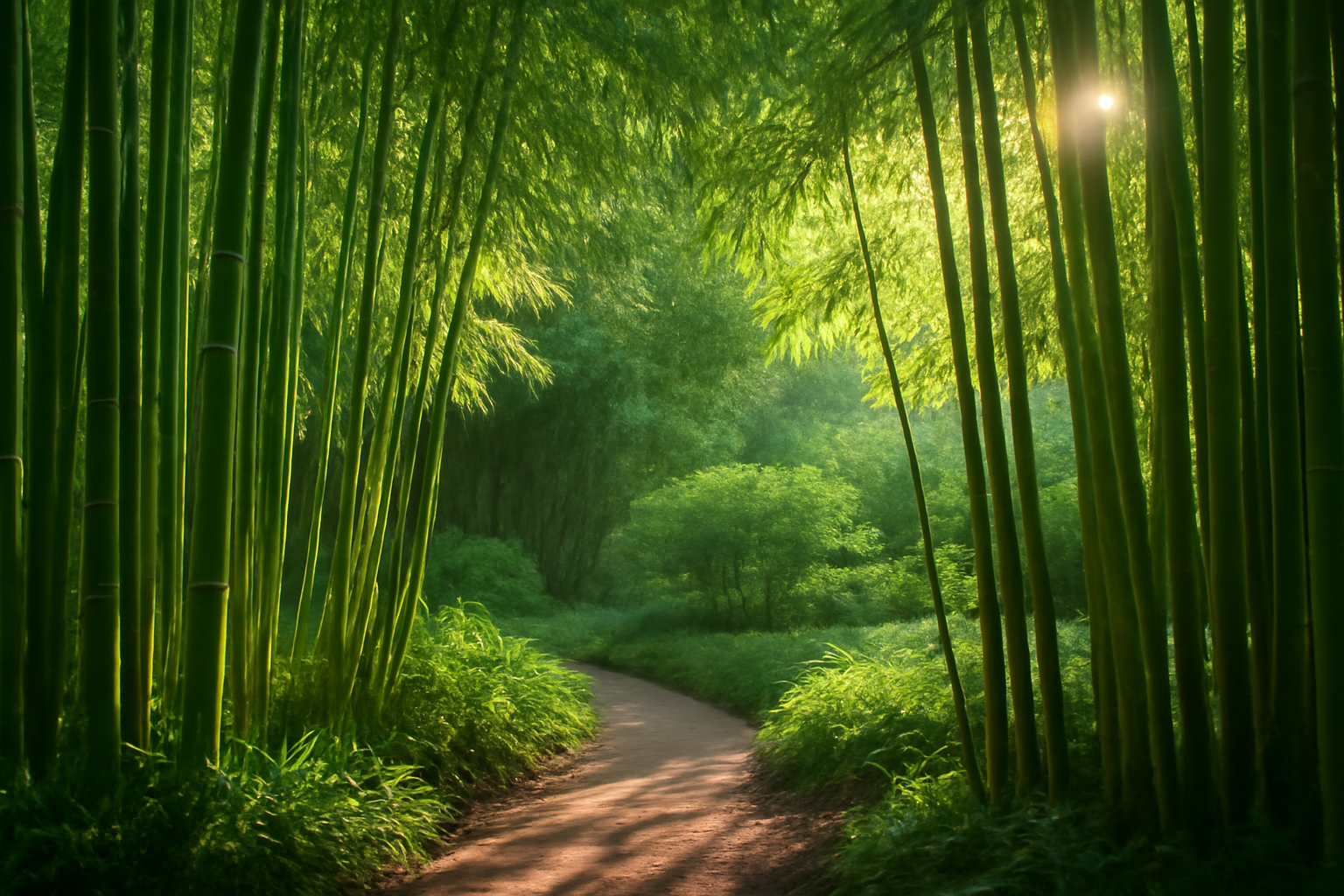
The call I dread most comes in spring. A neighbour — usually a new homeowner — rings to tell me their yard is being eaten alive by bamboo. Last April it was a woman two streets over who discovered running bamboo had crossed fifteen feet of underground clay soil, surfaced inside her raised vegetable bed, and was pushing up through the bottom of her garden shed. The previous owners had planted it six years ago with no barrier. By the time she called me, we were looking at a full-day excavation job just to get it under temporary control.
I’ve been growing bamboo commercially and on my own property for fifteen years. I currently maintain fourteen species across two sites, sell poles and plants, and spend a meaningful chunk of my time helping people deal with bamboo they didn’t choose and don’t understand. I’ve watched both clumping and running types behave beautifully — and I’ve watched both go completely sideways when the wrong species lands in the wrong situation. So when people ask me about clumping vs running bamboo which to plant, my answer is never a simple one-liner. It’s a framework. And that’s what I want to share here.
First, Get the Biology Straight — Because Most Labels Lie by Omission
Bamboo falls into two growth categories based on how it spreads underground. Running bamboo (most species in the Phyllostachys and Pseudosasa genera) spreads via long horizontal rhizomes called leptomorphs. These can travel several feet per year — I’ve measured Phyllostachys aureosulcata rhizomes running eleven feet in a single season in good loamy soil. Clumping bamboo (typically Bambusa, Fargesia, and Thamnocalamus genera) spreads via short, tight pachymorph rhizomes that stay close to the mother plant, generally expanding only six to twelve inches per year at the perimeter.
That sounds straightforward. Here’s where people get tripped up: the words “non-invasive” and “clumping” on a plant tag say nothing about ultimate size, cold hardiness, or what happens when the plant gets stressed or root-bound in a container. I’ve seen people plant Bambusa oldhamii — a clumping species — and be genuinely shocked when it hits thirty feet and starts shading out their entire side yard. The clump didn’t spread. The culms just got enormous. That’s a different problem, but it’s still a problem they weren’t prepared for.
When Running Bamboo Makes Sense — and What Containment Actually Requires
I grow running bamboo. I won’t pretend otherwise. Phyllostachys edulis (Moso) is my primary commercial species for poles, and I have stands of Phyllostachys nigra (black bamboo) and Phyllostachys vivax for structural timber. These are genuinely useful plants when you need height, fast canopy, or large-diameter culms. But I contain every single one of them, and I want to be honest about what that means in practice.
The industry standard recommendation is a 60-mil HDPE rhizome barrier buried 24–30 inches deep. That is the minimum. In my experience — and I’ve installed barriers for clients on probably forty properties at this point — you need to account for all of the following:
- Overlap and seaming: The barrier is useless if the seams aren’t properly joined with stainless-steel clamps and overlapped by at least twelve inches. I’ve dug up barriers with simple tape joins that had failed within three years.
- Above-ground lip: Leave two to three inches of barrier above soil level. Rhizomes will climb over a flush-buried barrier in light mulch — I’ve seen it happen in as little as two growing seasons.
- Annual rhizome pruning: Every autumn, I walk the barrier perimeter and cut back any rhizomes that have reached it. If you skip this for two years, the pressure buildup against the barrier increases dramatically.
- Soil type matters enormously: Running bamboo in sandy loam is a different beast than in dense clay. In sandy soil, rhizomes can run faster and deeper. In clay, they tend to stay shallower — which actually makes them easier to manage but also easier to miss at the surface.
If you are not prepared to do annual perimeter checks, running bamboo is not for you. Full stop. I tell every customer this before they leave my property with a plant.
When Clumping Bamboo Is the Right Call
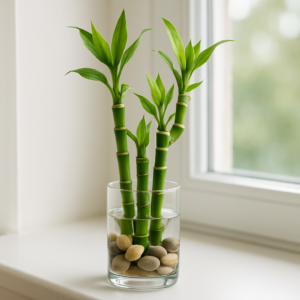
For most residential plantings — privacy screens, ornamental specimens, container plants — clumping bamboo is the genuinely better answer. This is especially true for anyone who doesn’t want bamboo management to become a second hobby.
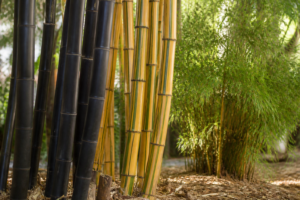
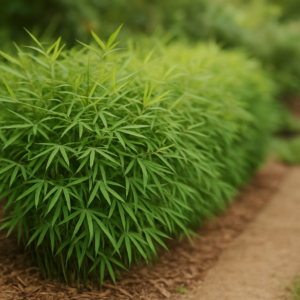
The species I recommend most often depends on climate. For USDA zones 7 and above, Bambusa multiplex varieties (including Alphonse Karr, with its gorgeous yellow-and-green striped culms) are workhorses — they’re tidy, they’re relatively fast-establishing, and they stay put. For colder zones (5–7), the Fargesia genus is your friend: Fargesia robusta and Fargesia nitida are both cold-hardy down to around -10°F and form clean, arching clumps that work beautifully as hedges or specimen plants.
Honest caveat here: clumping bamboo is generally slower to establish than running bamboo, especially in the first two years. Customers sometimes call me frustrated after year one because their clumping bamboo “isn’t doing anything.” That’s normal. The plant is building its root mass underground. Year three is usually when you start seeing real top growth. If you need a privacy screen in twelve months, clumping bamboo may disappoint you — but that’s a timeline problem, not a species problem.
My Actual Decision Framework
After fifteen years, here’s the set of questions I run through before recommending a species to anyone:
- What are your neighbors’ property lines like? If you share a fence line with someone who doesn’t want bamboo, running species are essentially off the table unless you have a serious installation budget and commitment to maintenance.
- What’s your end goal? Timber/poles for commercial use? Running bamboo managed in a dedicated grove. Privacy screen? Clumping. Container specimen? Clumping, full stop.
- What zone are you in? Many beautiful Bambusa species won’t survive a hard frost. Fargesia is your cold-climate clumping answer. Don’t fight your climate.
- How much maintenance are you actually willing to do? Be honest with yourself here. If you travel frequently or simply don’t want to be checking rhizome barriers every autumn, running bamboo will eventually become someone else’s problem — and that someone is usually your neighbour.
- What’s your soil situation? Rich, loose, well-draining soil will push running bamboo faster and farther. In poor or compacted soil, both types will establish more slowly.
Harvesting: Another Reason I Lean Toward Running for Commercial Use
If you’re reading this with any interest in harvesting bamboo for poles, crafts, building material, or even culinary shoots, running bamboo does have a genuine edge — particularly the larger Phyllostachys species. Moso culms can reach 4–6 inches in diameter at my site within five to seven years of establishment, and a well-managed grove produces harvestable poles annually after year three. The general rule I follow is the one-third rule: never harvest more than one-third of a grove’s culms in a single season, and always leave the youngest shoots from the current spring untouched to mature fully.
Clumping bamboo produces harvestable culms too — Bambusa oldhamii is used extensively in commercial timber operations in warmer climates — but the volumes are lower and the pole diameters are generally smaller for most residential-scale clumping species.
The Bottom Line
There is no universally correct answer to the clumping vs running bamboo debate — but there are answers that are correct for your specific situation. In fifteen years, the biggest mistakes I’ve seen haven’t come from people choosing the “wrong” type. They’ve come from people not understanding what they were committing to before they put a plant in the ground. Running bamboo managed properly is a remarkable plant. Running bamboo ignored for five years is a nightmare that outlasts the original homeowner.
Know your zone. Know your neighbours. Know your actual maintenance capacity. And when in doubt, start with a clumping species. You can always add more later. You cannot easily undo a decade of unchecked Phyllostachys. Trust me — I’ve seen the shed.
Start With a Clumping Variety That Won’t Cross Property Lines
If you’re torn between running and clumping bamboo, choosing a proven clumping cultivar like Alphonse Karr eliminates half the problem before you even dig a hole. I’ve learned the hard way that no barrier, no matter how well-installed, beats simply not planting the invasive type in the first place.
What works
- Golden Alphonse Karr expands as a tight mound year after year with no underground runners reaching toward your neighbour’s shed — I’ve watched the same plant stay within a three-foot radius for five seasons.
- The 1-gallon size establishes quickly in spring and is mature enough to handle transplant stress without the babying that smaller plugs require.
- The golden culms add winter interest and height without the horror of having to excavate six years of rhizome matting from under your foundation.
What doesn’t
- Growth is slower than running varieties — don’t expect full screen height in year one if privacy was your goal.
- In colder zones (below 6b), winter die-back can be significant, so you need to match the plant to your climate, not just your aesthetics.
I almost lost faith in clumping varieties after a neighbour’s running bamboo disaster made me question whether any cultivar was truly “safe”—but planting Alphonse Karr on the same property five years ago proved me wrong. If you’re ready to stop worrying about barrier failures and midnight excavation jobs, Bambusa Alphonse KARR/Golden Hedge Clumping Bamboo – Non-Invasive Variety 1 Gal Size is the simplest insurance policy you can plant.
About This Article

Written by Marcus Chen. Marcus Chen has spent 15 years cultivating and studying bamboo across 14 different species, combining commercial growing operations with extensive hands-on experience in species selection and containment. As both a grower and consultant, he specializes in practical bamboo management, helping homeowners and landscapers understand the real-world requirements for responsible bamboo cultivation. Marcus brings tested knowledge of which species thrive reliably and which present containment challenges that go beyond standard recommendations. More about this site.
Verify this against a primary source
Specifics change, and your situation may differ from the one described here. These are the authorities worth checking directly:
- American Bamboo Society — species listings and cultivation guidance
- USDA PLANTS Database — species range and identification
- USDA Plant Hardiness Zone Map — cold hardiness verification for your location