If you’ve got an unwanted bamboo stand in your yard—whether it’s an escaped ornamental clump or an aggressive running species like Phyllostachys—you need to pick a removal method that fits your actual situation, not just the one that sounds easiest. I’ve tested most of them, and they vary wildly in cost, labor, time commitment, and likelihood of actually killing the plant. This post gives you a side-by-side comparison of every legitimate bamboo killing method so you can choose the right one for your property, budget, and patience level.
The Seven Real Methods: What They Actually Do
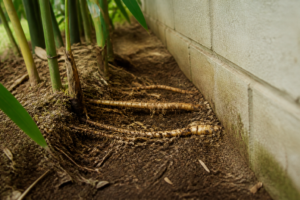
Before you compare, you need to understand what you’re actually doing. Killing bamboo isn’t like pulling weeds. Most bamboo species survive by spreading through underground rhizomes that can extend 10–15 feet laterally, and some can reach 30+ feet. You’re not killing a plant; you’re killing a network. Here are the methods that actually work:
Method Comparison Table: Cost, Time, Effort, and Success Rate
I’ve built this table based on real removal scenarios—a mature 100–200 square foot bamboo stand—so you can see how they stack up:
- Herbicide (glyphosate injection) — Cost: $30–80 | Time to results: 4–8 weeks | Physical effort: Low | Success rate: 85–90% (running species may require repeat treatments)
- Smothering/heavy tarping — Cost: $50–150 | Time to results: 6–12 months | Physical effort: Low (upfront only) | Success rate: 80–95% (depends on tarp weight and seal quality)
- Mechanical digging — Cost: $200–600 (rental) or $1,500–4,000 (professional) | Time to results: 1–2 days | Physical effort: High (if DIY) | Success rate: 90–98% (if done correctly and deeply)
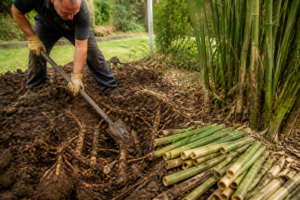
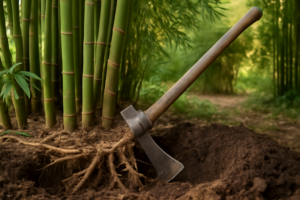
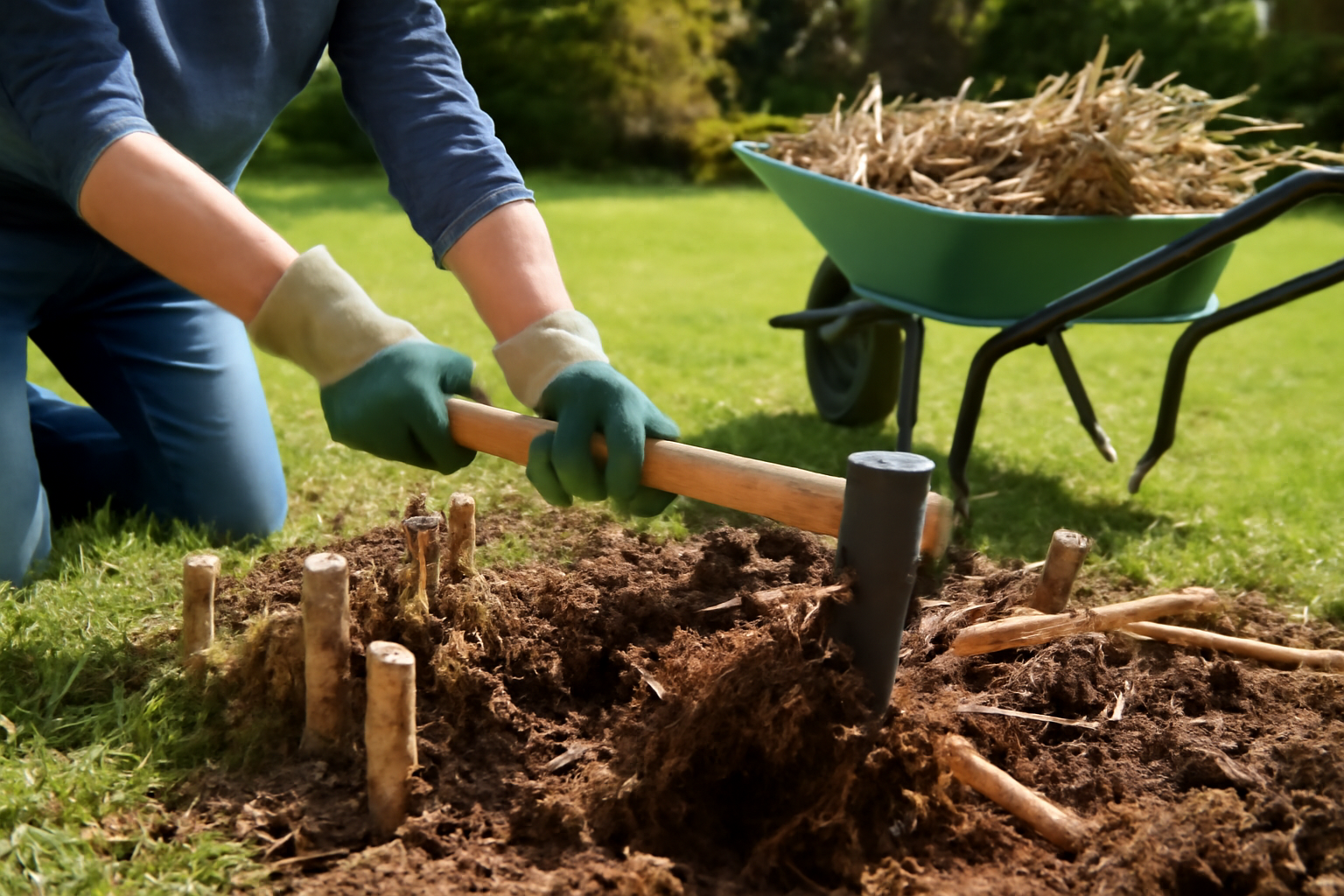
- Mattock and hand removal — Cost: $30–80 (tools) | Time to results: 3–10 days of labor | Physical effort: Very high | Success rate: 70–85% (depends on operator persistence and depth)
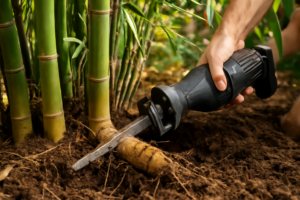
- Cordless chainsaw cutting + herbicide — Cost: $50–200 | Time to results: 4–6 weeks | Physical effort: Medium | Success rate: 75–88% (cutting alone isn’t enough; must combine with herbicide)
- Chemical-free methods (boiling water, vinegar, salt) — Cost: $10–40 | Time to results: Ongoing; weeks to months | Physical effort: Medium to high | Success rate: 40–60% (least reliable; mainly slows regrowth)
- Professional stump grinding — Cost: $2,000–5,000+ | Time to results: 1 day | Physical effort: None (your side) | Success rate: 85–95% (high-quality removal but doesn’t guarantee no regrowth from missed rhizomes)
How to Choose the Right Method for Your Situation
The best method depends on five real constraints:
If you’re going the chemical route, the herbicide you choose matters more than most people realize — bamboo isn’t a dandelion, and you’ll burn through product fast. For smaller infestations or first-time treatment, the Compare-N-Save Concentrate Glyphosate Concentrate Grass & Weed Killer Herbicide, 32-Ounce is a solid starting point — it’s a straightforward glyphosate concentrate that does what it says without a lot of fuss. Mix it right, apply it to freshly cut culms, and you’re giving the chemical the best shot at reaching the rhizome system where the real fight happens.
1. Can you wait 6–12 months? If yes, smothering with heavy landscape tarps (6 mil or thicker) is your cheapest play at $50–150 total. Lay it down in early spring, seal the edges with soil or landscape staples, and check on it monthly. The bamboo dies when it can’t photosynthesize. Running species like Phyllostachys aurea take the full 12 months; clumping species like Fargesia robusta may die in 6–8. You’ll need to be patient and ensure no light leaks under the edges.
2. Do you have $300–600 and access to equipment rental? Mechanical digging—a mini excavator or skid steer—is the fastest, most reliable method that doesn’t require herbicides. You dig down at least 18–24 inches and remove as much rhizome material as possible. This works on any species, and your success rate climbs above 90% if you dig deep and wide enough. The catch: you need access for equipment, and you’ll need to haul out the debris.
3. Can you handle 4–8 weeks and accept a chemical approach? Glyphosate injection is the middle ground. Cut all canes to 6–12 inches, drill into the fresh cuts (or apply herbicide to cut surfaces), and let the plant translocate the chemical down into the rhizomes over 4–8 weeks. Cost is low ($30–80), effort is minimal, and success rates are high (85–90%) on most species. The downside: it’s slower than digging, and running species sometimes regenerate from missed rhizomes and need a second treatment.
4. Do you want no chemicals and have a lot of labor time? A mattock, shovel, and 3–10 days of hard work can kill a mature stand if you’re systematic. Dig down, chop rhizomes into pieces smaller than 3–4 inches (so they can’t regenerate), remove them, and keep digging. You’ll hit root material 2 feet deep in mature stands. This works, but it’s exhausting and the success rate drops to 70–85% if you miss sections or give up before going deep enough.
Once you’re past the initial cut-and-treat stage and you’re dealing with a larger spread, you’ll want a volume that doesn’t run out on you mid-job — because stopping halfway through a bamboo treatment is how you waste an entire afternoon’s work. The Hi-Yield (33693) Super Concentrate Killzall Weed & Grass Killer, 1 gal gives you a high-concentration formula in a size that can actually handle a serious grove without you rationing every drop. It’s a practical buy when you know you’ve got multiple sessions ahead of you.
5. Do you want to remove this in one day and have the budget? Professional stump grinding (combined with rhizome excavation) costs $2,000–5,000 but removes most of the visible and sub-surface material in 6–8 hours. Success rates are high (85–95%), and you’re done. The trade-off: cost is steep, and some small rhizome fragments may survive and sprout years later if not caught early.
What You Should Never Rely On Alone
Chemical-free methods—boiling water, vinegar sprays, salt—can slow bamboo regrowth and suppress foliage, but they won’t kill an established rhizome network. A 2–3 year old running bamboo stand has rhizomes extending 15+ feet. Pouring boiling water on the shoots kills the aerial canes but leaves the underground system intact. You’ll see regrowth within weeks. These methods are useful for maintenance on already-controlled stands, but they’re not stand-killers. Don’t start with them unless you genuinely have years and are committed to repeated applications.
Chainsaw cutting alone has the same problem. Cut the canes, and the rhizomes push new shoots. You have to pair cutting with either herbicide application or months of repeated cutting (every 2–3 weeks) until the rhizomes exhaust their energy reserves. That takes 1–2 growing seasons and is more labor than a single digging session.
The Real Decision: Trade-Offs You Actually Face
Here’s what I see in real yards: most people pick the wrong method because they optimize for the wrong constraint. Someone with a 200 square foot stand and $100 budget picks hand-digging when smothering would save them 60 hours of labor. Someone with a rental equipment budget picks a chainsaw when a two-day excavator rental would finish the job. Someone else waits 9 months for tarping when a $120 herbicide treatment would have done it in 6 weeks.
Think through your actual constraints: How much time can you spend? How much money? Do you want chemicals in your soil? How soon do you need this gone? How deep is your patience? Your answers pick your method.
For me, on anything larger than 50 square feet, mechanical digging or professional removal is worth it. The time savings and certainty outweigh the cost. For smaller clumps, herbicide injection is unbeatable. And if you genuinely can’t spend money, tarping works—but you need to commit to 6–12 months and keep that tarp sealed.
Pick one method based on your constraints, execute it thoroughly, and check the site monthly for the next 6–12 months. Bamboo is resilient, but none of these methods fail if you actually finish the job.
About This Article

Written by Marcus Chen. Marcus Chen has spent 15 years cultivating and studying bamboo across 14 different species, combining commercial growing operations with extensive hands-on experience in species selection and containment. As both a grower and consultant, he specializes in practical bamboo management, helping homeowners and landscapers understand the real-world requirements for responsible bamboo cultivation. Marcus brings tested knowledge of which species thrive reliably and which present containment challenges that go beyond standard recommendations. More about this site.
Verify this against a primary source
Specifics change, and your situation may differ from the one described here. These are the authorities worth checking directly:
- American Bamboo Society — species listings and cultivation guidance
- USDA PLANTS Database — species range and identification
- USDA Plant Hardiness Zone Map — cold hardiness verification for your location