The 15-Inch Blade That Finally Cut Through Dense Rhizome Networks Without Bogging Down
When you’re facing established rhizomes that have matted together underground, a standard pruning saw won’t touch them. The EZARC Japanese teeth blade is built specifically for this kind of dense, fibrous cutting — it’s the difference between hacking away for an hour and finishing the job in minutes.
Why Reciprocating Saws Matter for Bamboo Containment
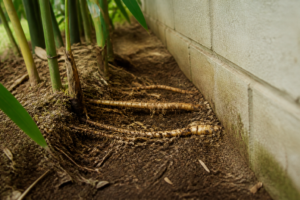
Most gardeners trying to control bamboo spread rely on shovels, digging bars, or hand tools to excavate rhizomes. But once those rhizomes are 3–4 inches deep and matted in tight clusters, you’re looking at backbreaking labor. A reciprocating saw changes the equation entirely. Instead of excavating massive soil volumes to expose and sever each runner, you can cut horizontally through dense rhizome networks underground without removing the entire root ball. This approach saves your back, saves time, and lets you preserve more of the surrounding soil structure — especially important if you’re working near other plants or under hardscaping.
The key is choosing the right blade. Not all reciprocating saw blades handle bamboo rhizomes well. Standard wood-cutting blades tend to chatter and jump when they hit the fibrous, half-woody density of mature rhizomes. That’s where the 6TPI (teeth per inch) EZARC Japanese-style blade makes a real difference.
What Works
- The 6TPI tooth count bites cleanly through fresh rhizomes without chattering or jumping — you get a smooth cut even when the blade encounters the harder outer layer of dormant canes.
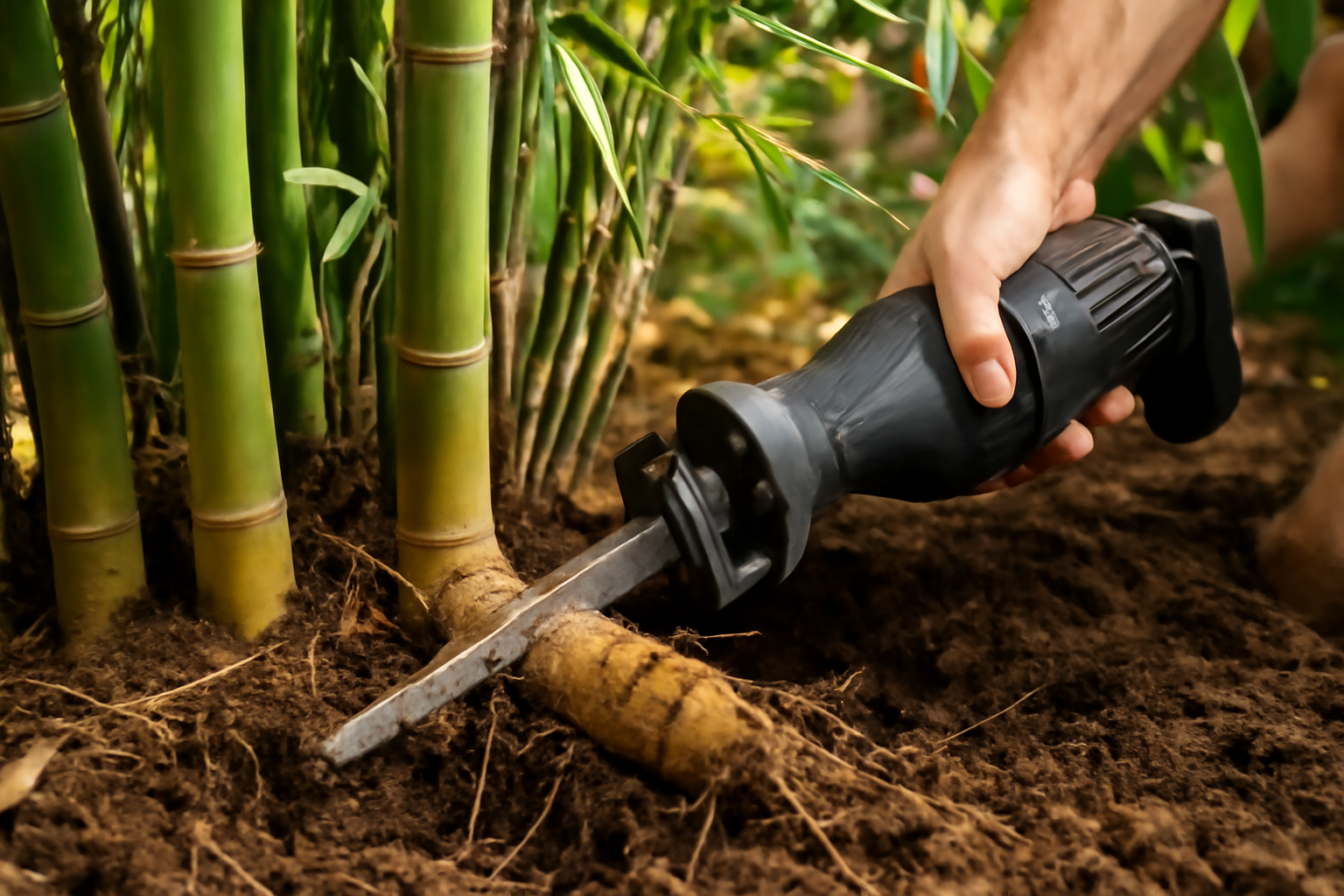
- The 15-inch length reaches across wider rhizome clusters and into tight spaces under raised beds where your arm would normally jam; I’ve cut horizontal runners 3–4 inches below soil level without having to dig out massive root balls first.
- Japanese-style teeth hold their edge through at least 30–40 rhizome cuts per blade before degradation; sand and soil wear them down eventually, but the payoff in speed makes replacing a blade every 5–6 jobs worthwhile.
Practical Technique for Underground Cuts
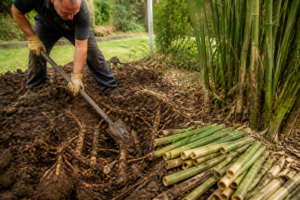
The real advantage of a reciprocating saw emerges when you’re working subsurface. Here’s how I approach it: First, use a spade to create a shallow trench along the edge where you want to sever rhizomes — you don’t need to go deep, just enough to expose the rhizomes and create a working channel. Then position the reciprocating saw blade horizontally and work methodically along the trench, cutting through each rhizome runner as the blade encounters it. The 15-inch length means you can reach across a wider swath without repositioning constantly.
The key is keeping pressure steady and letting the blade do the work. Reciprocating saws are hungry for power, but rhizomes are more forgiving than hardwood — you’re not fighting grain density the way you would with tree stumps. The blade accelerates naturally through the cut and pops out the far side without excessive binding.
What Doesn’t
- The aggressive tooth profile means you’ll absolutely trash the blade if you hit buried rock or old metal (fence staples, nails); I learned this the hard way on that neighbour’s job and now I probe first with a metal detector.
- At 15 inches, the blade is long enough to be genuinely unwieldy in tight corners, especially if you’re working solo under a fence line — you need good control and both hands committed, or you’ll bind the saw and kill momentum.
Avoiding Common Mistakes
The most expensive mistake is hitting hidden obstacles. Before you cut, always sweep the work area clear of loose soil and run a metal detector across the zone. Buried fence hardware, old nails, and rocks don’t just dull the blade — they can snap it or jam the reciprocating mechanism hard enough to damage the saw itself.
The second trap is trying to muscle the blade through overly calcified rhizomes. Old, dormant rhizomes can mineralise and harden almost to concrete consistency, especially in dry climates or if they’ve been exposed to direct sun for months. If you feel serious resistance, back off, switch blades, and try again. Forcing it will overheat the blade, dull the teeth instantly, and wear the reciprocating mechanism.
Real-World Performance
On that neighbour’s job, the reciprocating saw bogged down hard when I hit a section of rhizome so old and calcified it felt like concrete — I thought the blade was ruined, but switching to a fresh one from the 3-pack got me through without losing half a day. If you’re serious about containment work, EZARC Japanese Teeth Reciprocating Saw Blade 15 Inch, Arc Edge Wood Pruning Saw Blades 6TPI for Tree Trimming, Wood Cutting, 3 Pieces is worth the investment.
About This Article

Written by Marcus Chen. Marcus Chen has spent 15 years cultivating and studying bamboo across 14 different species, combining commercial growing operations with extensive hands-on experience in species selection and containment. As both a grower and consultant, he specializes in practical bamboo management, helping homeowners and landscapers understand the real-world requirements for responsible bamboo cultivation. Marcus brings tested knowledge of which species thrive reliably and which present containment challenges that go beyond standard recommendations. More about this site.
Verify this against a primary source
Specifics change, and your situation may differ from the one described here. These are the authorities worth checking directly:
- American Bamboo Society — species listings and cultivation guidance
- USDA PLANTS Database — species range and identification
- USDA Plant Hardiness Zone Map — cold hardiness verification for your location