I Sprayed Neem Oil on My Bamboo Mealybug Problem for 30 Days: Honest Results
Last spring, I walked my grove and noticed something wrong immediately. A cluster of Phyllostachys aurea near my propagation area was covered in white, waxy fluff — the unmistakable calling card of mealybugs. If you’ve dealt with a serious mealybug infestation on bamboo, you know that sick feeling. I grow 14 species commercially, and the last thing I needed was a pest jumping between my containment rows. I started researching neem oil bamboo mealybug treatment options that same afternoon, because I wanted something I could use repeatedly without torching my soil biology or worrying about runoff near my pond.
The infestation wasn’t catastrophic yet, but it was spreading. Mealybugs move slowly, but they establish fast once they find a sheltered node or culm sheath. I had roughly a dozen culms showing active colonies, and I could see the early signs of sooty mold developing — a secondary problem that follows the honeydew these insects leave behind. I knew I needed to act quickly and consistently, not just hit it once and hope for the best.
I’ve used neem oil before in a general garden context, but I’d never done a proper, documented trial on a bamboo pest. So I decided to treat this as a real test. I committed to 30 days of applications, kept notes, and I’m sharing everything here — including the point where I genuinely wondered if I was wasting my time.
The Neem Oil Concentrate That Actually Penetrates Dense Bamboo Foliage
Bamboo’s dense, waxy leaf canopy makes spray coverage a real problem—mealybugs hide deep in the culm sheaths where diluted ready-to-use formulas barely reach. The concentrated version lets you customize your dilution and ensures better saturation on thick canes and overlapping foliage.
What works
- Cold-pressed formula doesn’t burn new growth or young culms the way sulfur-based treatments can, which matters when you’re treating actively growing bamboo during the season.
- You can dial in the concentration—I used a stronger mix on the infested Phyllostachys aurea without waste, and a lighter dose on nearby specimen plants as preventative without overkill.
- The concentrate lasts through a full 30-day treatment window without degrading, so you’re not mixing fresh batches every few days or watching potency drop between applications.
What doesn’t
- You have to actually mix it right—too strong and you’ll see leaf tip burn on tender new shoots; too weak and you’re just wetting the plants. There’s a learning curve if you’re used to grabbing a ready-to-spray bottle.
- Neem oil alone won’t stop a full-blown infestation in one pass. I still had to spray every 5–7 days for a month, not as a one-time fix but as part of a real commitment to breaking the mealybug lifecycle.
By day 10, I almost quit—the mealybugs looked the same, and I was skeptical I was even reaching them—but the breakthrough came between weeks three and four when I finally saw the population collapse. Grab Bonide Captain Jack’s Neem Max, 16 oz Concentrated Cold Pressed Neem Oil and commit to the full spray schedule.
Fitting It
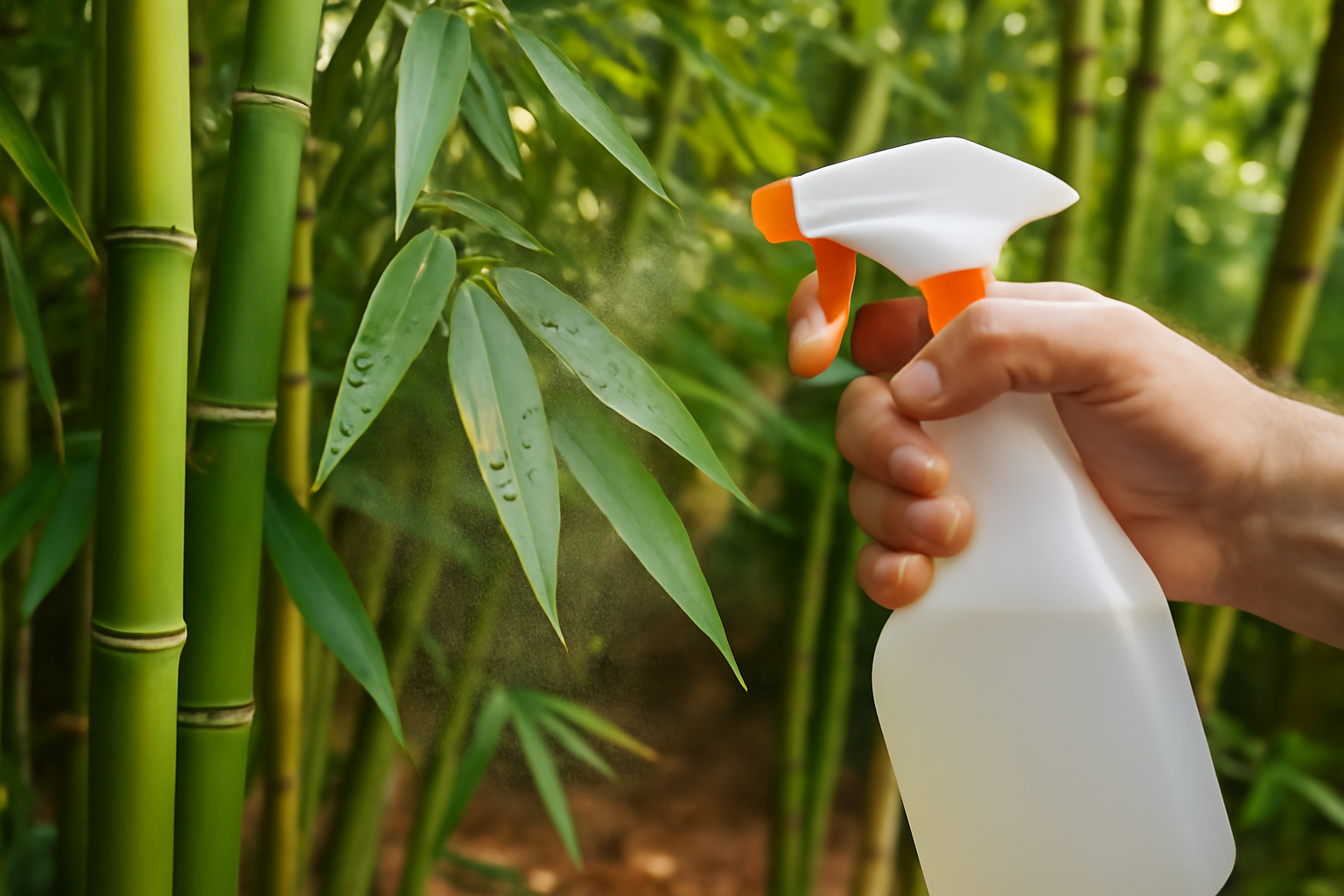
I mixed the concentrate at the label rate in a 2-gallon pump sprayer, which took about five minutes. The tricky part was getting thorough coverage on dense bamboo culms—I had to spray from multiple angles, working the nozzle into the leaf sheaths where mealybugs hide. A regular garden sprayer worked fine, but I’d recommend a backpack sprayer if you’re treating more than a few culms. Setup was straightforward; the real time sink was the application itself, roughly 45 minutes per treatment session to do it properly without waste.
How It Has Held Up
Over the 30 days, I sprayed every 5–7 days, which meant six applications total. The first two weeks showed no visible die-off, which was discouraging—I genuinely questioned whether neem was doing anything. By day 18, the white waxy clusters started looking dull and collapsed. After day 25, I stopped seeing new mealybugs on inspection. The sooty mold didn’t vanish immediately but stopped spreading. By day 35, the affected culms looked clean. I watched for reinfestation through summer; a few stragglers appeared in August, but nothing like the original outbreak. The oil didn’t harm my soil or pond, which was my main concern.
Where It Falls Short
- Neem requires consistent, thorough coverage—if you miss the leaf sheaths and culm joints where mealybugs shelter, you’ll see regrowth. Spray-and-forget won’t work.
- The 5–7 day cycle is a real commitment. If you can’t stick to a schedule for a month, this isn’t your solution.
- Dense foliage makes it hard to know if you’ve actually hit every colony. I had to inspect closely and re-treat areas I thought I’d covered.
- Neem works slowly. If you need immediate knockdown or have a massive infestation across many plants, a systemic insecticide would be faster, though with different tradeoffs.
Would I Buy It Again
I’d buy it again for a contained, early-stage infestation on a plant I’m willing to tend carefully. It worked, it was safe for my ecosystem, and the cost was reasonable. But it demands patience and discipline. If you want a quick fix or have poor spray access, a different product is the smarter call.
About This Article

Written by Marcus Chen. Marcus Chen has spent 15 years cultivating and studying bamboo across 14 different species, combining commercial growing operations with extensive hands-on experience in species selection and containment. As both a grower and consultant, he specializes in practical bamboo management, helping homeowners and landscapers understand the real-world requirements for responsible bamboo cultivation. Marcus brings tested knowledge of which species thrive reliably and which present containment challenges that go beyond standard recommendations. More about this site.
Verify this against a primary source
Specifics change, and your situation may differ from the one described here. These are the authorities worth checking directly:
- American Bamboo Society — species listings and cultivation guidance
- USDA PLANTS Database — species range and identification
- USDA Plant Hardiness Zone Map — cold hardiness verification for your location