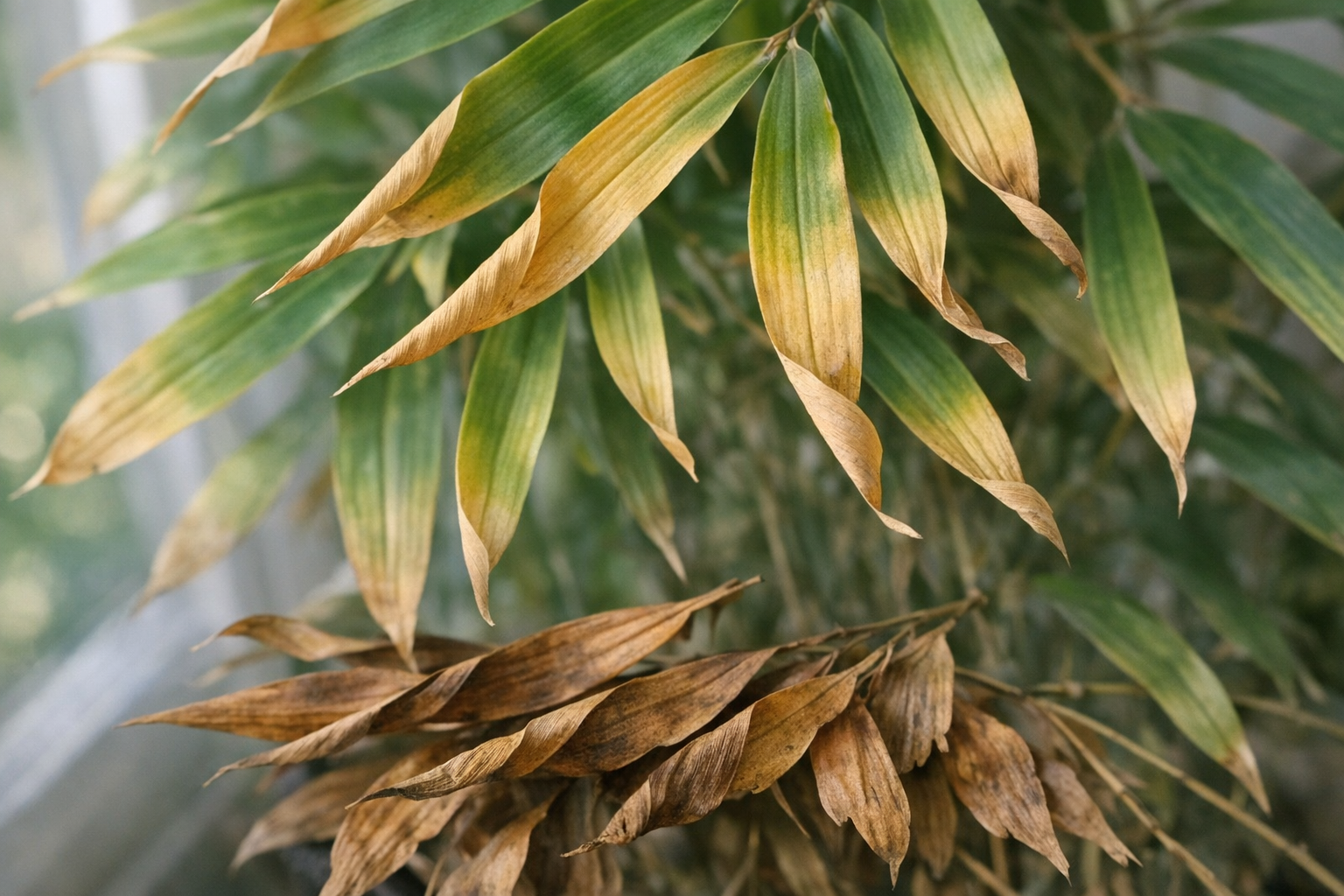
Watching your bamboo plant turn yellow can feel disheartening. However, this common issue often signals fixable problems with your plant’s care routine. Understanding the underlying causes helps you restore your bamboo’s vibrant green color and overall health.
Understanding Why Bamboo Turns Yellow
Decoding the Distress Signals
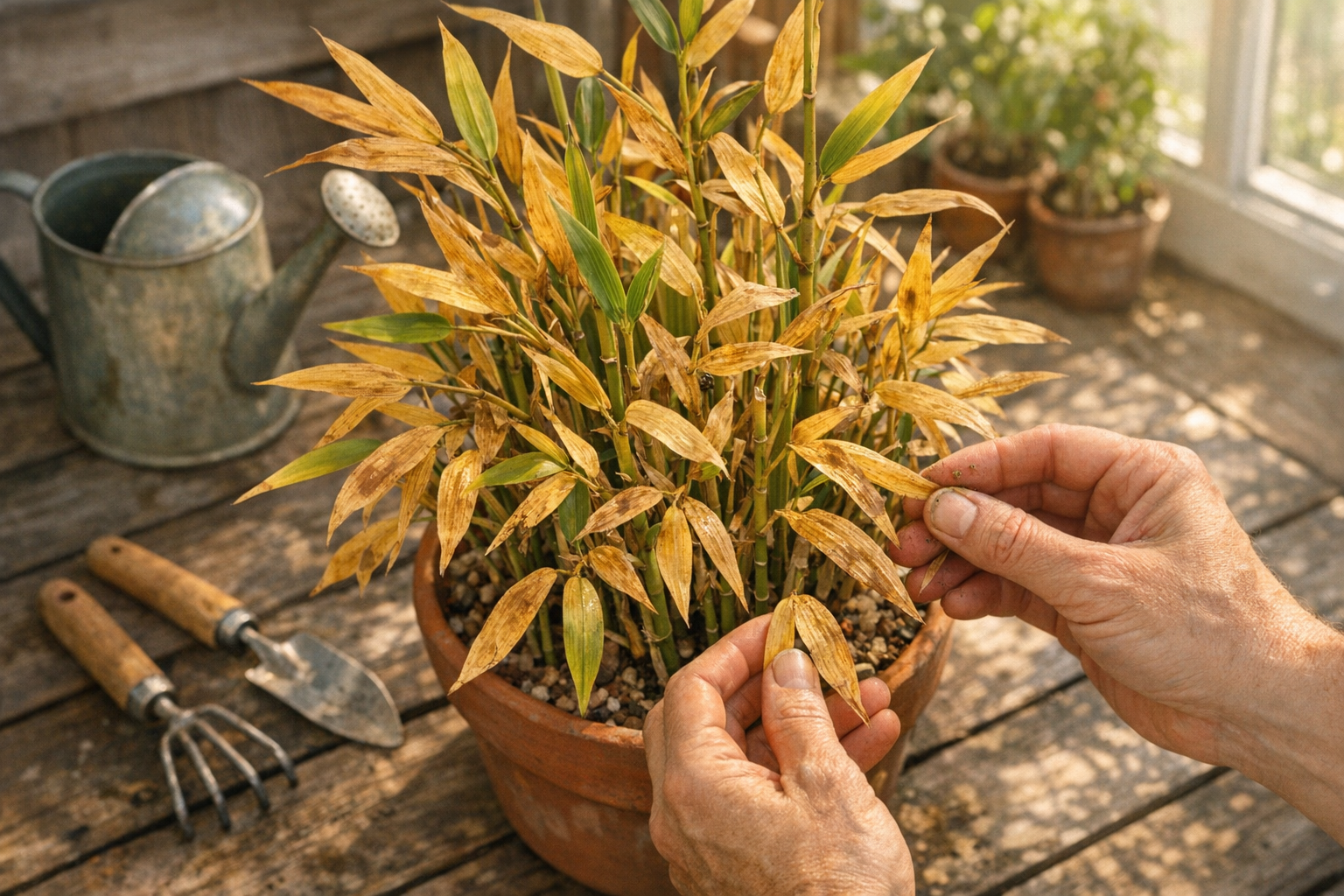
Bamboo is generally a resilient and hardy plant. However, it communicates distress clearly through its foliage. Yellowing leaves serve as an urgent early warning system. This visual cue often indicates an imbalance in its growing environment. Consequently, gardeners must pay close attention to these subtle signs.
The plant is rarely dying immediately. Instead, it is simply asking for a specific change in care. Therefore, accurate diagnosis is the key to recovery. You must act quickly to prevent long-term damage.
Water Management Issues
Improper watering is the most frequent culprit behind discoloration. Specifically, bamboo roots are highly sensitive to moisture levels. Finding the right balance is essential for maintaining green leaves.
Consider these two common extremes:
- Overwatering: Boggy soil suffocates roots. As a result, leaves turn yellow and may drop off.
- Underwatering: Dry soil causes rapid dehydration. Consequently, leaves curl inward and lose their vibrant hue.
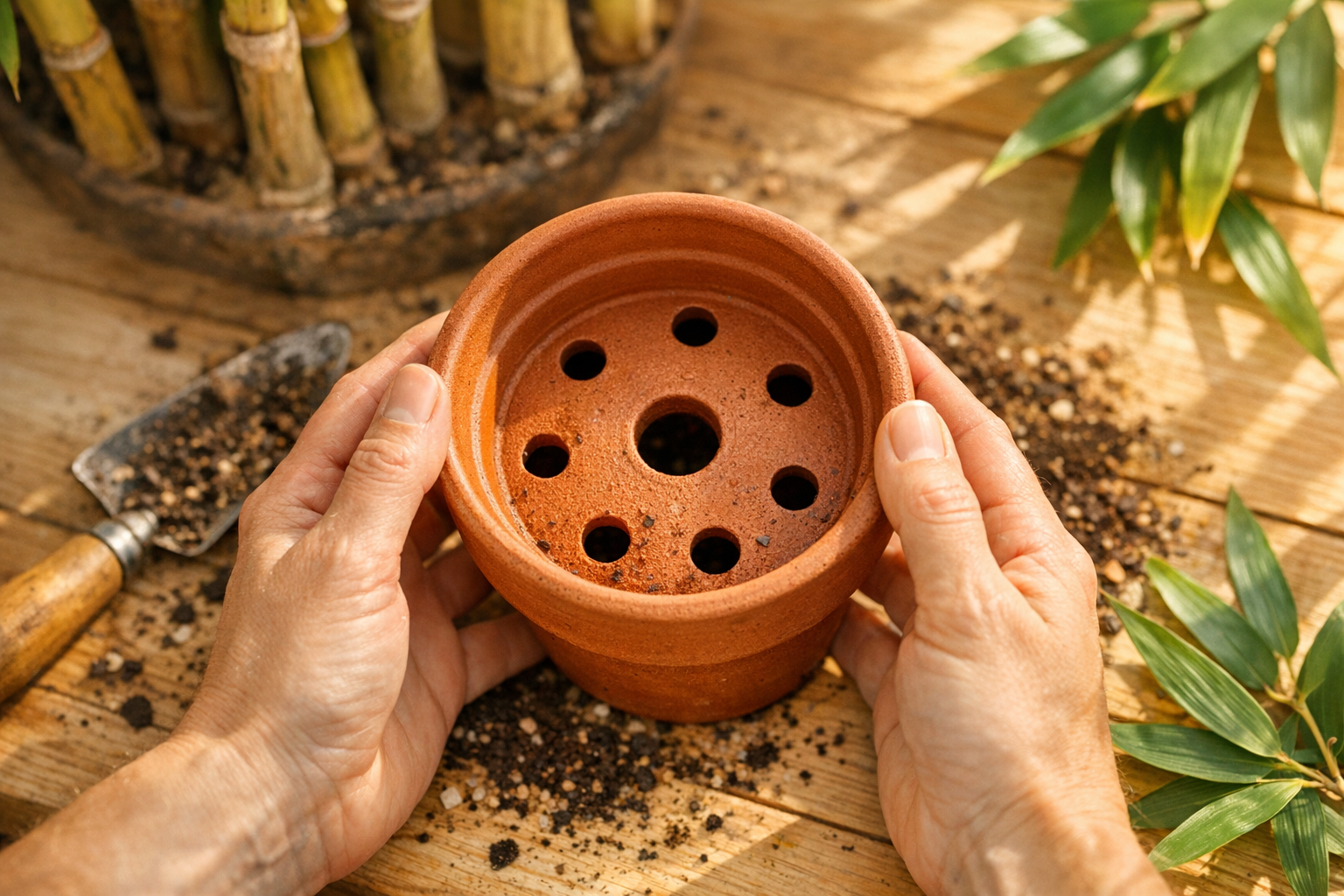
Furthermore, drainage is absolutely critical. Pots without holes trap water at the bottom. Eventually, this leads to fungal root rot. You must ensure water flows freely through the soil.
Nutrient Deficiencies and Soil Health
Soil quality plays a massive role in plant health. Bamboo is a heavy feeder that grows rapidly. Therefore, it depletes soil nutrients faster than many other plants. A lack of nitrogen specifically causes a condition called chlorosis. This manifests as pale or yellowing leaves across the plant.
Additionally, iron deficiency can cause similar symptoms. Fortunately, applying a high-nitrogen fertilizer usually fixes this issue. You should feed the plant during its active growing season. In contrast, stop fertilizing during winter dormancy to avoid root burn.
Environmental Stress Factors
Lighting conditions can trigger severe stress reactions too. For example, sudden exposure to harsh, direct sun often scorches the leaves. Alternatively, deep shade might stunt growth for sun-loving varieties.
Temperature fluctuations also shock the plant significantly. For instance, cold drafts from windows often cause sudden yellowing. Similarly, placing bamboo near heating vents dries out the foliage. You must maintain a stable environment for optimal health.
Steps for Recovery
Fortunately, bamboo recovers well when treated correctly. Identifying the root cause is your first step. Once you correct the environment, new growth appears green.
However, note that existing yellow leaves will not turn green again. You should prune these off for better aesthetics. Finally, be patient during the recovery process. The plant needs time to stabilize and produce fresh shoots.
Yellowing typically indicates your plant isn’t getting what it needs. Alternatively, it might be getting too much of something harmful. Identifying the specific cause requires examining multiple factors in your bamboo’s environment.
What We Recommend
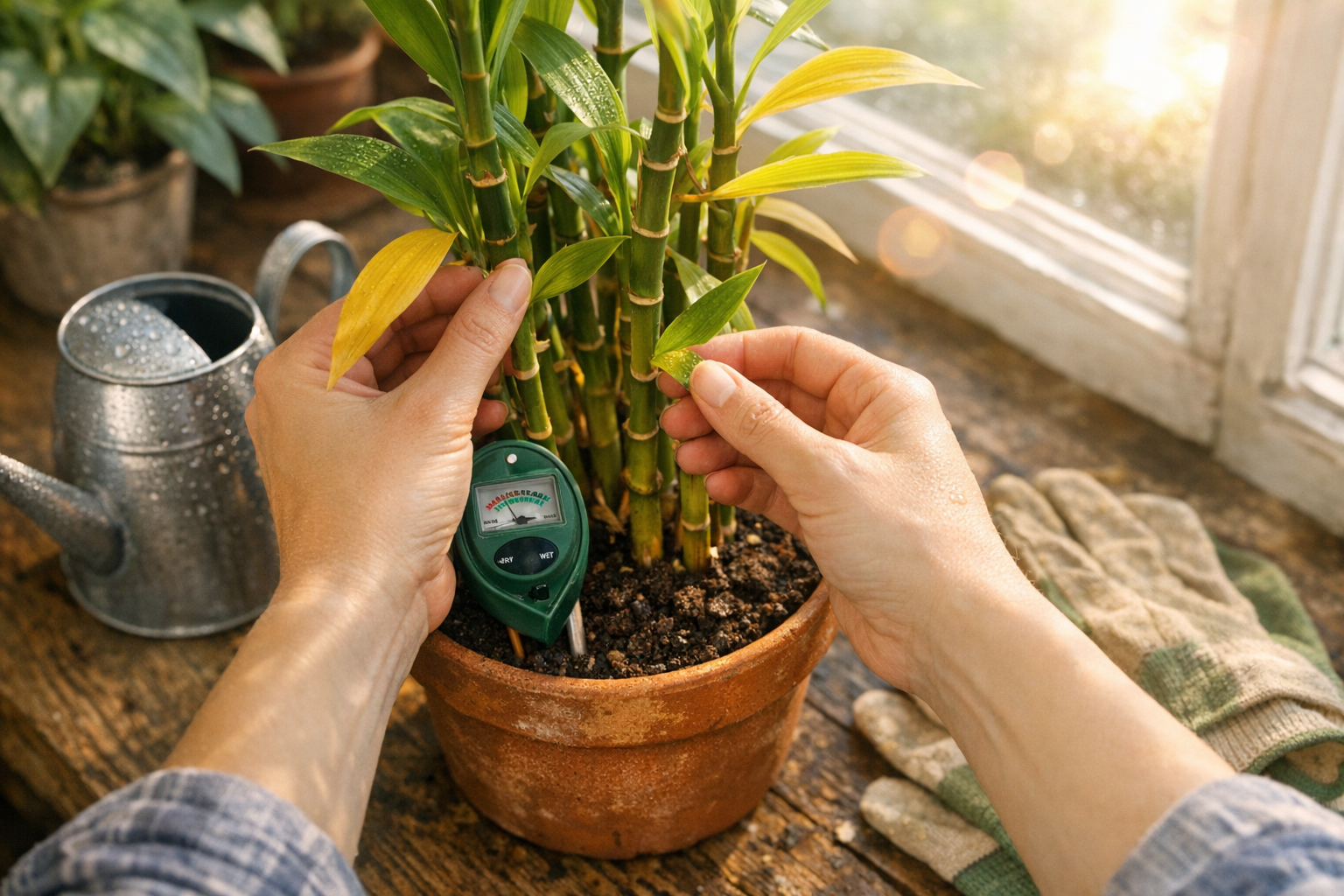
One of the quickest ways to diagnose yellowing bamboo is to check your soil moisture levels. We’re big fans of the XLUX Soil Moisture Meter because it takes the guesswork out of watering—you’ll know instantly whether your bamboo is sitting in soggy soil or desperately thirsty. This simple tool has saved countless bamboo plants from both overwatering and underwatering issues.
If your soil testing reveals nutrient deficiencies are behind the yellowing, a quality bamboo-specific fertilizer is your best friend. We recommend using a formula designed specifically for bamboo since it contains the right balance of nitrogen, potassium, and micronutrients that these plants crave. A good feeding schedule can transform yellowed foliage back to vibrant green in just a few weeks.
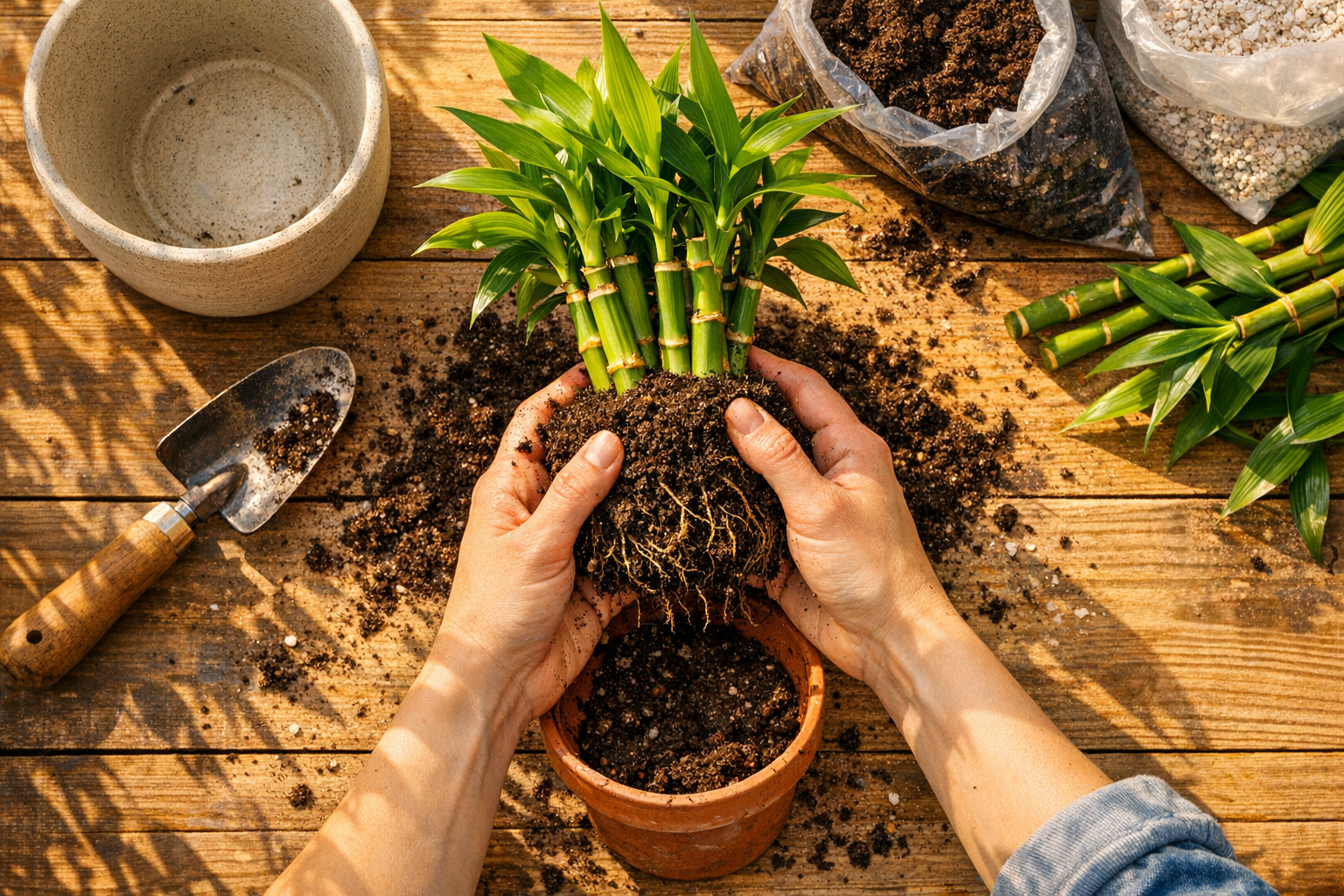
For container-grown bamboo showing signs of yellow leaves, repotting with fresh organic potting mix can work wonders. Depleted soil is often the culprit behind yellowing, and starting fresh with quality potting medium gives your bamboo the nutrient-rich foundation it needs to recover. We always keep a bag on hand for seasonal refreshes and plant rescues.
Finally, if you’re planning to repot or treat your yellowing bamboo, a good pair of gardening gloves will keep you comfortable and protected while you work. Bamboo can have sharp edges, and handling soil and fertilizers is always easier with proper hand protection. It’s a small investment that makes the whole troubleshooting process more pleasant.
Checking Your Watering Habits
Water-related issues cause the majority of bamboo yellowing problems. Both overwatering and underwatering produce similar symptoms, making diagnosis tricky.
Overwatering suffocates roots and prevents oxygen absorption. Consequently, leaves turn yellow from the bottom up. The soil feels constantly soggy, and you might notice a musty smell. Additionally, root rot often develops in waterlogged conditions.
Underwatering causes different but equally problematic symptoms. The soil becomes bone dry and pulls away from container edges. Furthermore, leaves turn yellow and crispy rather than soft. Your bamboo may also show drooping stems.
Finding the Right Balance
Check your soil moisture before each watering session. Insert your finger two inches deep into the potting mix. The soil should feel slightly moist but never waterlogged.
Water thoroughly when the top inch feels dry. Allow excess water to drain completely from the container. Moreover, empty saucers under pots to prevent standing water. This practice helps prevent root rot while maintaining adequate moisture.
Inspecting for Root Rot
Root rot represents a serious threat to bamboo health. Source This condition develops when roots sit in waterlogged soil for extended periods.
Gently remove your bamboo from its container to inspect the roots. Healthy roots appear white or light tan and feel firm. In contrast, rotted roots look dark brown or black and feel mushy.
Treating Root Rot
Cut away all affected roots using sterilized pruning shears. Remove any soft, discolored, or foul-smelling sections completely. This step prevents the infection from spreading to healthy tissue.
Rinse remaining healthy roots under lukewarm water. Subsequently, repot your bamboo in fresh, well-draining potting mix. Choose a container with adequate drainage holes to prevent future problems.
Evaluating Light Exposure
Light conditions significantly impact bamboo health and color. Most bamboo varieties need bright, indirect light to thrive. However, direct sunlight can scorch leaves and cause yellowing.
Place your bamboo near east or north-facing windows for optimal light. These locations provide gentle morning sun or consistent indirect light throughout the day. Alternatively, position plants a few feet back from south or west-facing windows.
Insufficient light also causes yellowing, though the pattern differs. Lower leaves yellow first as the plant redirects energy upward. Additionally, new growth appears pale or stunted in low-light conditions.
Adjusting Light Levels
Move your bamboo gradually when changing light exposure. Sudden shifts stress plants and worsen yellowing. Instead, relocate your plant incrementally over several days.
Consider using sheer curtains to filter intense sunlight. This solution protects leaves while maintaining adequate brightness. Moreover, rotate your container weekly to ensure even light distribution on all sides.
Improving Potting Mix and Drainage
Understanding Soil Density Problems
Compacted soil creates a hostile environment for bamboo roots. When potting mix becomes too dense, roots struggle to penetrate deeper layers. Consequently, the plant cannot access nutrients located below the surface. Additionally, water drainage becomes severely impaired in compacted conditions. Standing water then leads to root rot and oxygen deprivation. Meanwhile, beneficial microorganisms cannot thrive in these dense environments.
How Poor Aeration Affects Root Systems
Bamboo roots require consistent oxygen supply to function properly. However, compressed soil particles leave minimal air pockets between them. As a result, roots suffocate and begin to deteriorate rapidly. Furthermore, this oxygen deficiency prevents nutrient uptake even when fertilizers are present. The yellowing leaves serve as visible symptoms of underground distress. Moreover, weakened roots become susceptible to fungal and bacterial infections.
Signs Your Soil Quality Is Inadequate
Several indicators reveal problematic soil conditions in your bamboo container. For example, water pooling on the surface suggests poor drainage capacity. Additionally, stunted growth patterns often accompany compacted potting mix. The soil may feel hard or crusty when touched. Furthermore, you might notice an unpleasant, musty odor from the container. Therefore, regular soil assessment helps prevent yellowing before it starts.
Improving Soil Structure Effectively
Amending your potting mix restores proper aeration levels for bamboo health. Incorporate perlite or pumice at 20-30% of total volume. Moreover, adding coarse sand improves drainage while maintaining structure. Consequently, these amendments create essential air channels throughout the medium. Additionally, organic matter like composted bark provides both nutrients and texture. For example, a balanced mix might include 40% potting soil, 30% perlite, and 30% compost.
Bamboo thrives in loose, well-draining soil that retains some moisture. Standard potting soil often becomes too dense over time. Furthermore, it may lack the drainage capacity bamboo requires.
Creating Better Growing Conditions
Mix standard potting soil with perlite or coarse sand. Use a ratio of three parts soil to one part drainage material. This combination improves aeration while maintaining moisture retention.
Add orchid bark or coconut coir for additional texture. These amendments create air pockets that benefit root development. Consequently, your bamboo can absorb nutrients and oxygen more efficiently.
Repot your bamboo every two to three years using fresh potting mix. Old soil becomes depleted and compacted over time. Regular repotting maintains optimal growing conditions and prevents yellowing.
Addressing Nutrient Deficiencies
Yellow leaves sometimes indicate your bamboo lacks essential nutrients. Nitrogen deficiency causes the most common discoloration, starting with older leaves. Meanwhile, iron deficiency produces yellow leaves with green veins.
Container-grown bamboo depletes soil nutrients faster than ground-planted varieties. Regular fertilization becomes necessary to maintain vibrant green foliage. However, over-fertilizing causes its own set of problems.
Feeding Your Bamboo Properly
Apply a balanced, water-soluble fertilizer during the growing season. Choose a formula with equal nitrogen, phosphorus, and potassium ratios. Dilute the fertilizer to half the recommended strength for safety.
Creating the Ideal Feeding Schedule
Bamboo is essentially a giant grass, meaning it craves nitrogen to thrive. Consequently, a lack of nutrients often leads to chlorosis, which causes yellowing leaves. Therefore, a consistent feeding routine is the best defense against discoloration. You should treat the soil regularly to maintain that vibrant green color.
Begin your fertilization regimen as soon as new shoots appear in early spring. Continue this process every month throughout the active growing season. However, consistency is key. Erratic feeding can stress the plant, leading to weak growth.
Choosing the Right Fertilizer
Selecting the correct plant food is crucial for preventing yellow leaves. You generally have two excellent options for bamboo nutrition. First, you can use a high-nitrogen lawn fertilizer. Alternatively, a balanced 10-10-10 formula works very well for general maintenance.
Consider these formats for best results:
- Liquid fertilizers: These act quickly but require more frequent application.
- Granular slow-release: These provide steady nutrients over a longer period.
- Organic compost: This improves soil structure while naturally feeding the roots.
Winter Dormancy and Precautions
It is critical to stop feeding as autumn temperatures drop. During winter, bamboo enters a dormant state and rests. In fact, adding fertilizer during this pause can cause dangerous salt buildup in the soil.
As a result, the roots may suffer from chemical burns. This damage often manifests as brown tips or yellowing foliage when spring arrives. Furthermore, late feeding can encourage new growth that frost will easily kill. Thus, allowing the plant to rest ensures a healthier return in the spring.
Flush the soil with plain water every few months. This practice removes accumulated salt deposits from fertilizers. Salt buildup can burn roots and cause yellowing despite proper fertilization.
Considering Temperature and Humidity
Environmental conditions affect bamboo color and vitality. Most indoor bamboo varieties prefer temperatures between 60 and 75 degrees Fahrenheit. Extreme fluctuations stress plants and trigger yellowing.
Protecting Bamboo from Temperature Extremes
Temperature stability is crucial for maintaining healthy bamboo foliage. Therefore, positioning your plant away from environmental stressors becomes essential. Consider the following high-risk locations in your home:
- Heating vents that blast hot, dry air
- Air conditioning units creating cold zones
- Drafty windows with temperature fluctuations
- Doorways with frequent air exchange
These spots create microclimate chaos that bamboo simply cannot tolerate. For instance, a heating vent might raise temperatures by 15-20 degrees within minutes. Subsequently, when the system cycles off, temperatures plummet just as quickly. This constant fluctuation confuses the plant’s natural processes.
How Temperature Swings Damage Your Bamboo
The physiological impact of unstable conditions manifests in several ways. Cellular stress occurs when bamboo experiences rapid temperature changes. Consequently, the plant struggles to regulate water uptake and nutrient transport. Furthermore, the leaves cannot maintain proper photosynthesis under these conditions.
Cold drafts present particularly severe challenges during winter months. Additionally, they often carry lower humidity levels that compound the problem. The combination creates a hostile environment where leaves begin showing distress signals. Moreover, bamboo positioned near drafty windows experiences nighttime temperature drops that shock the system.
Visible Signs of Temperature Damage
Discoloration typically appears as yellowing along leaf margins first. However, you might also notice browning tips or pale, washed-out coloring. These symptoms indicate the plant’s inability to maintain chlorophyll production. Meanwhile, affected leaves may develop crispy textures or wilted appearances despite adequate watering.
Humidity levels also influence bamboo appearance. Many varieties prefer moderate to high humidity. Dry indoor air, especially during winter, can contribute to leaf yellowing and browning tips.
Creating Comfortable Conditions
Group plants together to increase local humidity levels. Plants naturally release moisture through transpiration. This collective effect benefits all nearby specimens.
Place a humidity tray under your bamboo container. Fill a shallow tray with pebbles and water, then set your pot on top. Ensure the water level stays below the pot bottom to prevent root saturation.
Mist your bamboo occasionally during dry periods. However, avoid excessive misting, which can promote fungal problems. Focus on creating stable environmental conditions rather than frequent interventions.
Recognizing Natural Leaf Aging
Some yellowing occurs naturally as bamboo matures. Older leaves at the bottom of the plant turn yellow and drop periodically. This process allows the plant to focus energy on new growth.
Natural yellowing affects only a few leaves at a time. The rest of the plant remains vibrant and healthy. Moreover, new growth continues to emerge at normal rates.
Distinguish natural aging from care problems by examining overall plant health. A few yellow lower leaves combined with vigorous new growth indicates normal aging. Conversely, widespread yellowing signals an underlying issue requiring attention.
Taking Action: Your Rescue Plan
Address bamboo yellowing systematically for best results. Start by examining the most common causes first. This methodical approach helps you identify and fix problems efficiently.
First, check soil moisture and adjust your watering schedule accordingly. Next, inspect roots for signs of rot or damage. Then evaluate light exposure and make necessary adjustments to your bamboo’s location.
Evaluating Soil Quality and Drainage
The health of your bamboo relies heavily on what lies beneath the surface. Specifically, soil texture plays a massive role in foliage color. If the potting mix feels heavy or clay-like, it retains too much water. This excess moisture suffocates delicate roots. As a result, the plant cannot absorb nutrients effectively. Consequently, leaves turn yellow and may eventually drop off.
To fix this, ensure your soil allows water to pass through freely. You can test this by watering the plant thoroughly. Does the water exit the drainage holes immediately? If it sits on the surface, the drainage is poor. Therefore, you should amend the soil with perlite, coarse sand, or orchid bark. These materials improve aeration significantly.
When to Repot Your Bamboo
Over time, potting soil loses its essential structure and nutrients. Once the soil becomes depleted, the bamboo starves. Furthermore, the plant might outgrow its current container. Check if roots are circling the bottom of the pot. This condition is known as being rootbound.
Rootbound plants experience high stress levels. Thus, they often display yellowing leaves as a distress signal. To remedy this, move the bamboo to a slightly larger pot. Use fresh, high-quality potting mix during this process. Additionally, gently loosen the root ball before replanting. This encourages new growth into the fresh soil.
Optimizing the Fertilization Routine
Nutrient imbalances are a frequent cause of discoloration. Bamboo is a grass, meaning it generally craves nitrogen. However, getting the dosage right is critical. A lack of nitrogen leads to pale, sickly yellow leaves. In contrast, over-fertilizing can cause chemical burns. This often manifests as yellow or brown tips on the foliage.
Follow these guidelines for feeding your plant:
- Use a balanced fertilizer: Look for a high-nitrogen formula specifically for bamboo or lawns.
- Follow the seasons: Feed only during the active growing seasons of spring and summer.
- Dilute properly: Never apply full-strength fertilizer to dry soil.
Consequently, a consistent schedule prevents nutrient shock. Always water the plant before feeding to protect the roots.
Checking Environmental Conditions
Finally, assess the immediate surroundings of your plant. Bamboo is sensitive to sudden changes in its environment. For example, cold drafts from air conditioners can cause rapid yellowing. Similarly, dry air from heating vents dehydrates the leaves. Therefore, keep the plant away from direct air currents.
Lighting also dictates leaf health. While bamboo loves light, direct scorching sun can bleach the leaves. This results in a yellow or white appearance. Alternatively, deep shade might cause older leaves to yellow and fall. Ideally, provide bright, filtered light. Moreover, consider misting the leaves to increase humidity.
Remove severely yellowed leaves to improve appearance and redirect plant energy. Use clean, sharp scissors to make clean cuts near the stem. This practice also helps you monitor new growth more easily.
Preventing Future Yellowing
Maintaining healthy bamboo requires consistent care and attention. Establish a regular routine that addresses all your plant’s needs. Prevention proves easier than treating established problems.
Monitor soil moisture regularly rather than following a fixed watering schedule. Environmental factors affect water needs, so flexibility matters. Adjust your routine based on seasonal changes and plant growth.
Provide adequate light without exposing leaves to harsh direct sun. Observe your bamboo’s response to its location over time. Subtle adjustments often make significant differences in plant health.
Use quality potting mix and maintain good drainage always. These fundamental factors support strong root development and nutrient absorption. Consequently, your bamboo develops greater resilience against stress and disease.
Conclusion
Yellowing bamboo leaves signal that your plant needs help, but recovery is entirely possible. Most causes stem from correctable care issues rather than serious disease. By systematically addressing watering, light, soil quality, and nutrition, you can restore your bamboo’s health.
Pay attention to your plant’s signals and respond promptly to changes. Regular monitoring helps you catch problems early when they’re easiest to fix. With proper care and patience, your bamboo will return to its beautiful green state and continue thriving for years to come.
*As an Amazon Associate, I earn from qualifying purchases.