- HDPE Root Barrier Roll: Look for a 24–30 inch depth barrier rated for bamboo. This is non-negotiable for running varieties. Bamboo root barriers are specifically sold for this purpose and are worth every penny.
- Bamboo-Specific Fertilizer: A high-nitrogen fertilizer formulated for grasses (bamboo is technically a grass) will support strong early growth. Apply in spring when new shoots emerge and again in midsummer.
- Organic Mulch or Wood Chips: Bagged hardwood mulch works perfectly for winter insulation. Apply a thick layer over the root zone each November.
- Long-Handled Pruning Saw or Loppers: For cutting back dead canes in spring and thinning established groves, a quality pruning saw is essential. Bamboo canes are tough, and a cheap tool will frustrate you.
- Soil pH Test Kit: Bamboo prefers slightly acidic soil in the 5.5
The third plant was the one that almost broke me. I’d spent close to $200 on bamboo over two years, watched two clumping varieties turn to mush over winter, argued with my husband about whether I was “just throwing money into a hole,” and then stood in my backyard on a cold March morning staring at yet another pile of brown, papery canes that clearly weren’t coming back. If you’re researching growing bamboo in zone 5, I want you to know: I’ve been exactly where you are, and I’m here to tell you it doesn’t have to end that way.
This post contains affiliate links. As an Amazon Associate, I earn from qualifying purchases.
I live in central Illinois, firmly planted in USDA Hardiness Zone 5, where winter temperatures regularly drop to -10°F and the wind chill makes it feel like the surface of another planet. I wanted bamboo because I dreamed of a living privacy screen along our back fence — something lush, fast-growing, and a little exotic. What I got, for the first two years, was heartbreak and a husband who had officially lost faith in my gardening instincts.
Why Zone 5 Is So Challenging for Bamboo (And Why It’s Not Impossible)
Let’s get honest about the climate reality before we talk solutions. Zone 5 winters are brutal on bamboo because most of the varieties sold at big-box garden centers are clumping bamboos — beautiful, well-behaved, and completely unsuited for temperatures below 0°F. That’s exactly what I bought the first two times. The tags said “cold hardy,” and technically, they were — down to about 10°F. In Illinois, that’s not cold hardy. That’s a death sentence waiting to happen.
The good news is that certain running bamboo species — specifically within the Phyllostachys and Fargesia genera — are genuinely built for zone 5 conditions. The key is knowing which ones, and pairing the right variety with the right planting strategy. I learned this the expensive way so you don’t have to.
The Best Bamboo Varieties for Growing Bamboo in Zone 5
After my third failure, I did something I should have done from the beginning: I spent a full weekend reading, called a specialty bamboo nursery, and joined an online bamboo growers forum. Here’s what I learned about which varieties actually survive — and even thrive — in zone 5 winters.
Phyllostachys aureosulcata (Yellow Groove Bamboo)
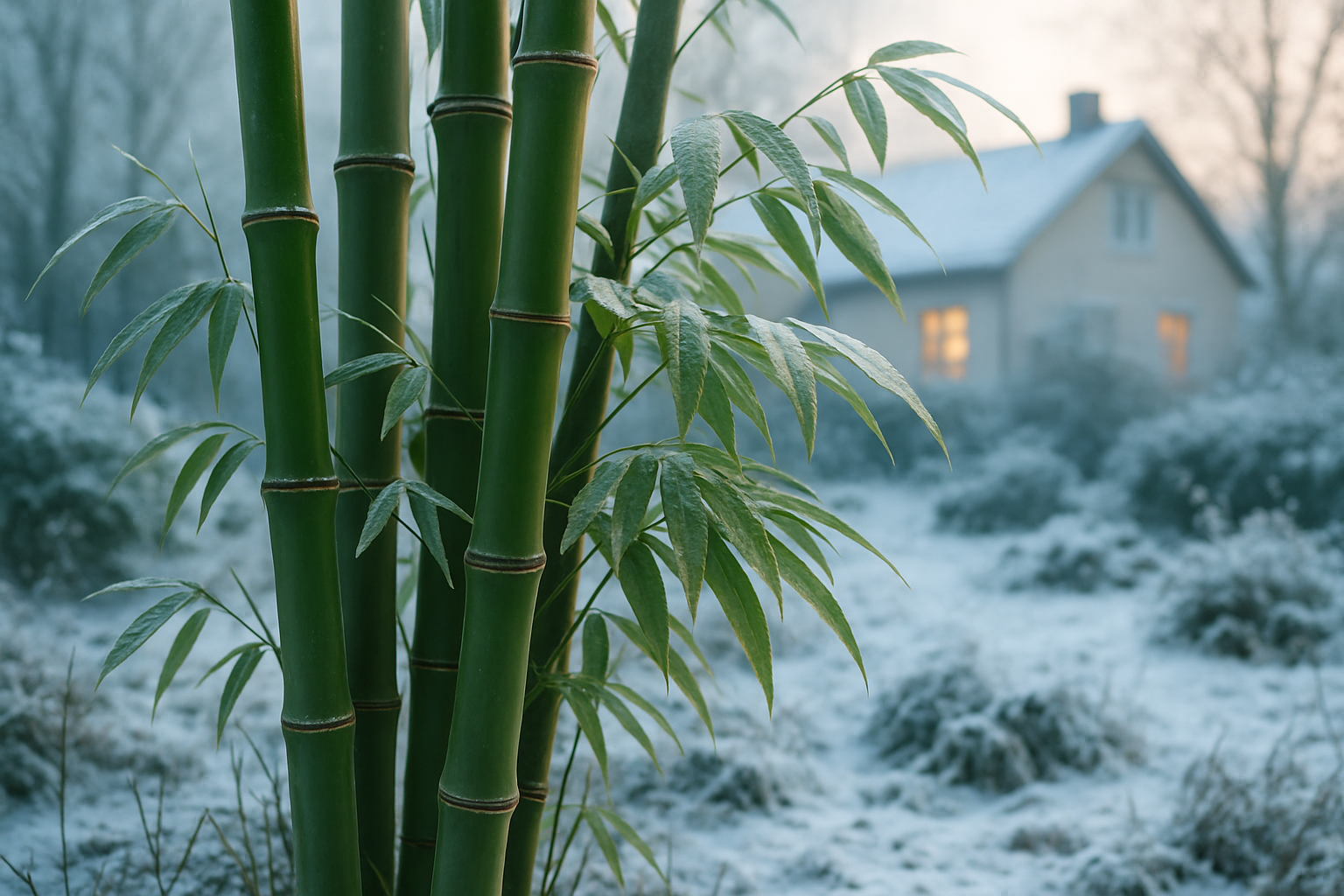
This is the one I eventually planted successfully. Yellow Groove bamboo is cold hardy down to -20°F, which means zone 5 winters don’t even make it flinch. It’s a running bamboo, so you’ll want to manage its spread with a root barrier, but it grows quickly, reaches 20–30 feet at maturity, and creates exactly the kind of dense privacy screen I was dreaming about. Mine is now in its third season and absolutely thriving.
Fargesia robusta (Clumping, Non-Invasive)
If the idea of running bamboo spreading through your yard makes you nervous — and it’s a valid concern — Fargesia robusta is your best friend. It’s a clumping bamboo that stays put, handles temperatures down to about -15°F, and grows in part shade, which is rare among bamboo varieties. It won’t get as tall as Phyllostachys, topping out around 12–15 feet, but it’s elegant and completely manageable.
Phyllostachys nuda (Nude Sheath Bamboo)
Another excellent zone 5 performer, Phyllostachys nuda is considered one of the most cold-tolerant of the Phyllostachys family. It handles -15°F reliably and produces beautiful dark green canes. It’s a slightly more compact grower than Yellow Groove, which can be a plus if space is a consideration.
How I Finally Got It Right: Planting Tips That Made the Difference
Choosing the right variety was only half the battle. The other half was everything I did wrong with my first three plants in terms of timing, location, and winter preparation. Here’s the planting strategy that finally worked for me.
- Plant in spring, not fall. My first two plants went in during September. By the time winter arrived, they hadn’t established enough root mass to survive. Give bamboo a full growing season before it faces its first hard freeze.
- Choose a sheltered location. Wind desiccation — not just cold — kills bamboo in zone 5. My successful planting is along a fence that blocks the prevailing northwest wind. That made a noticeable difference in how the canes handled February.
- Mulch heavily in late fall. A 4–6 inch layer of mulch over the root zone helps insulate the rhizomes, which are the real survival engine of the plant. Even if the canes die back above ground, live rhizomes will push up new growth in spring.
- Install a root barrier if using running bamboo. A high-density polyethylene root barrier buried 24–30 inches deep will keep your Phyllostachys from becoming your neighbor’s problem. Don’t skip this step — trust me, it’s much easier to install at planting time than to deal with runaway rhizomes later.
- Water deeply before the ground freezes. A well-hydrated plant going into winter is significantly more cold-tolerant than a dry one. Give your bamboo a long, deep soak in late October or early November before temperatures drop.
- Don’t panic about brown canes in spring. Even cold-hardy bamboo can have cane dieback above the snow line. Wait until late May before making any judgments. If the rhizomes survived, you’ll see fresh shoots pushing up from the ground.
Tools and Supplies I Recommend
Having the right supplies made my successful planting so much smoother than my previous attempts. Here are the general categories of products I’d recommend picking up before you get started — all of which you can find easily on Amazon or at a local garden center.
- HDPE Root Barrier Roll: Look for a 24–30 inch depth barrier rated for bamboo. This is non-negotiable for running varieties. Bamboo root barriers are specifically sold for this purpose and are worth every penny.
- Bamboo-Specific Fertilizer: A high-nitrogen fertilizer formulated for grasses (bamboo is technically a grass) will support strong early growth. Apply in spring when new shoots emerge and again in midsummer.
- Organic Mulch or Wood Chips: Bagged hardwood mulch works perfectly for winter insulation. Apply a thick layer over the root zone each November.
- Long-Handled Pruning Saw or Loppers: For cutting back dead canes in spring and thinning established groves, a quality pruning saw is essential. Bamboo canes are tough, and a cheap tool will frustrate you.
- Soil pH Test Kit: Bamboo prefers slightly acidic soil in the 5.5
Growing Bamboo in Zone 5: Three Dead Plants Later, I Finally Succeeded