Bamboo is not federally regulated in the United States — there is no nationwide ban on planting it. But depending on where you live, your state, county, city, or even your HOA may have something very specific to say about it.
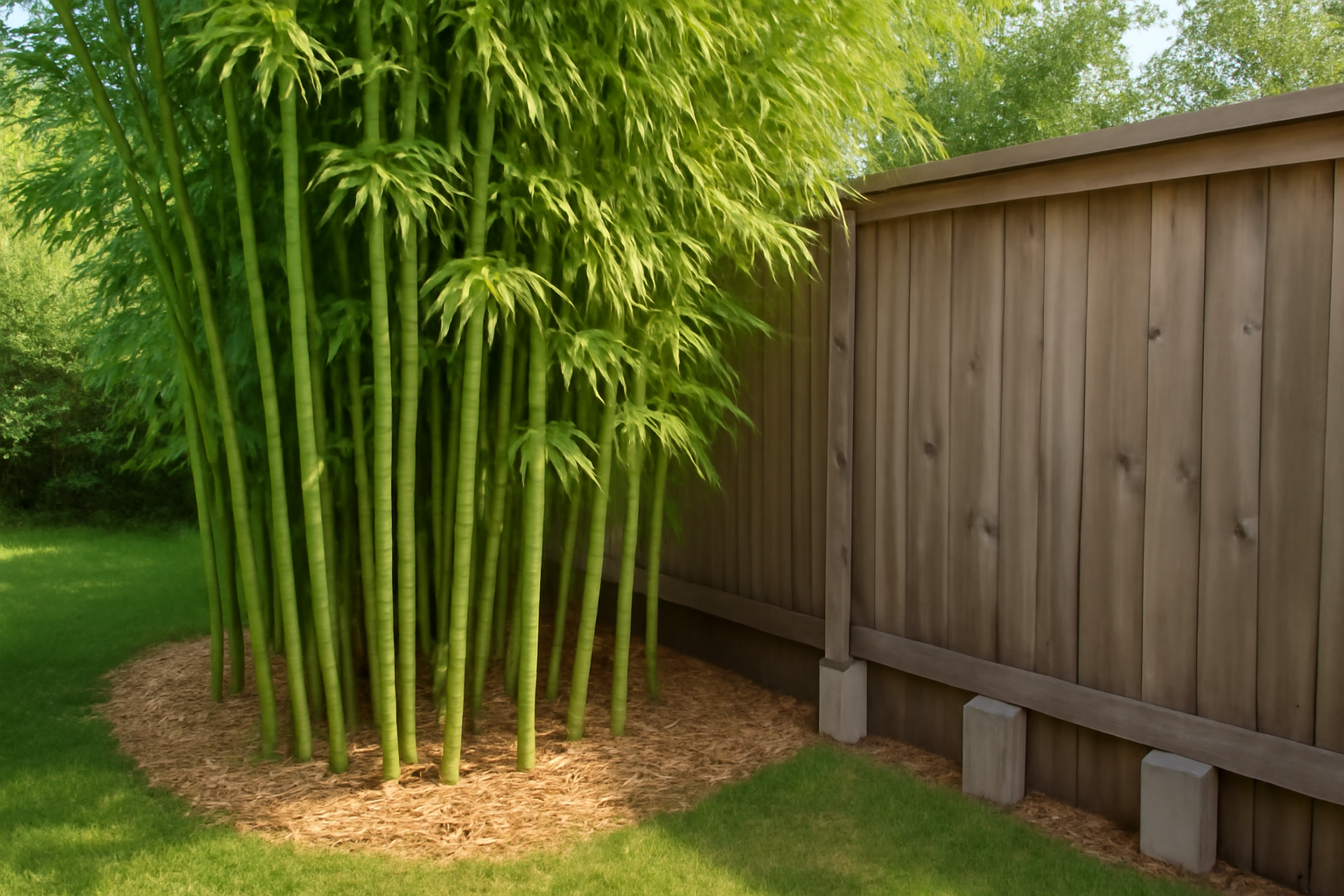
I learned this the hard way after planting a stand of Phyllostachys aureosulcata (yellow groove bamboo) along my back fence without doing much research first. A few years later, my neighbor wasn’t exactly thrilled. If you’re wondering whether bamboo is illegal to plant before you put anything in the ground — that instinct is exactly right. Here’s what the laws actually say.
No Federal Ban, But Don’t Stop There
At the federal level, bamboo is not classified as a noxious weed or invasive species under the Federal Noxious Weed Act. The USDA does not prohibit its cultivation. However, federal law sets a floor, not a ceiling — states and municipalities are entirely free to impose their own restrictions, and several have done exactly that.
The distinction that matters most is whether your area has an invasive species designation (which can outright ban planting) versus a nuisance ordinance (which holds you liable if bamboo spreads onto neighboring property). These are very different legal situations with very different consequences.
States With Notable Bamboo Restrictions
A handful of states have passed legislation or adopted regulations that specifically address bamboo planting. The details vary considerably, so pay close attention to what type of restriction is in place.
Connecticut
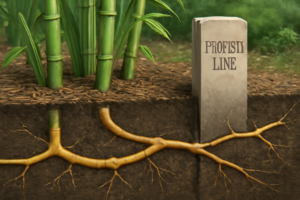
Connecticut passed Public Act 13-140, which restricts the sale and planting of running bamboo unless a root barrier at least 60 mil thick is installed to a minimum depth of 18 inches, with at least 2 inches extending above the soil line. Violators can be held liable for the cost of removal from neighboring properties. This is one of the most specific bamboo laws in the country.
New Jersey
New Jersey does not have a statewide ban, but it does allow municipalities to enforce nuisance ordinances against bamboo that encroaches on neighboring land. Several towns — including Holmdel and South Brunswick — have passed local ordinances specifically targeting running bamboo. Property owners have faced fines and mandatory removal orders.
New York
New York State itself does not ban bamboo, but individual counties and municipalities have taken action. Nassau County and Southampton, for example, have ordinances requiring containment or prohibiting new plantings of running bamboo species outright. The legal landscape varies block by block in some parts of the state.
Maryland
Maryland has debated bamboo legislation multiple times. While a statewide ban has not passed as of this writing, the state lists several bamboo species as invasive plants of concern, and local jurisdictions have enforcement authority. Montgomery County has issued guidance discouraging running bamboo planting near property lines.
Oregon and California
Oregon’s major bamboo-related restriction targets Arundo donax (giant reed), which is technically not a true bamboo but is often mistaken for one. True bamboo species are not banned statewide in Oregon. In California, there is no statewide prohibition, but cities like Claremont and San Jose have passed local ordinances restricting or requiring containment of running bamboo. Always check at the city level in California.
Summary Table: Key States and Running Bamboo Rules
| State | Running Bamboo Restricted? | Notes |
|---|---|---|
| Connecticut | Yes — statewide law | Root barrier required (60 mil, 18″ depth); liability for spread |
| New Jersey | Varies by municipality | Local ordinances in multiple towns; nuisance liability applies |
| New York | Varies by county/city | Nassau County and some towns have specific ordinances |
| Maryland | No statewide ban; local rules vary | Some counties discourage or restrict near property lines |
| Oregon | No (true bamboo) | Arundo donax restricted; not a true bamboo species |
| California | Varies by city | Some municipalities ban or require containment |
| Arizona | No statewide restriction | City-level ordinances may apply; verify locally |
| Mississippi | No statewide restriction | Legal to plant; local ordinances may still apply |
Invasive Species Designation vs. Nuisance Law — Why It Matters
These two legal categories are often confused, and the difference is significant.
- Invasive species designations typically prohibit planting, selling, or transporting a species. If your state lists a bamboo species as a Class A or Class B noxious weed, you may be legally prohibited from introducing it to your property at all — regardless of what your neighbors think.
- Nuisance ordinances don’t necessarily ban planting, but they do make you legally responsible if your bamboo spreads beyond your property line. If a neighbor has to pay to remove bamboo rhizomes from their yard, you could be on the hook for those costs.
Running bamboo species — primarily those in the Phyllostachys and Pleioblastus genera — are far more likely to trigger nuisance complaints because their rhizomes can travel 15 feet or more in a single growing season. Clumping bamboo species like Fargesia murielae or Bambusa multiplex expand slowly and stay where you put them, which is why they rarely appear in legislation at all.
If you are planting running bamboo anywhere near a property line, installing a proper root barrier is not just good practice — in states like Connecticut, it is the law. A high-density polyethylene barrier rated at 60 mil, installed to a depth of at least 24 to 30 inches, is the standard recommendation for long-term containment.
HOA Rules: Often Stricter Than Local Law
Even if your city and state have no restrictions, your homeowners association very well might. HOA rules are private contracts, not public law, but they are legally enforceable — and many HOAs have added bamboo to their prohibited or restricted plant lists in recent years.
Before you plant, pull out your CC&Rs (Covenants, Conditions, and Restrictions) and search for the words “bamboo,” “invasive,” or “screening plants.” Some HOAs ban bamboo entirely; others require a written approval process or specific containment methods. Violating HOA rules can result in fines, mandatory removal at your expense, and even legal action.
Property Lines and Neighbor Liability
One of the most common legal disputes involving bamboo isn’t about the plant itself — it’s about where it goes. Even in areas with no ordinances, common law principles of nuisance and trespass can apply when bamboo rhizomes cross property lines and cause damage. Courts in states including New Jersey and New York have ruled in favor of neighbors seeking compensation for bamboo removal costs.
The property line question deserves its own deep dive, but the short version is this: if your bamboo leaves your property, your neighbor has legal standing to ask you to deal with it — and if you don’t, a court may order you to pay for the cleanup.
How to Find the Actual Rules for Your Area
Laws change, and local ordinances are often not well-publicized. Before planting any running bamboo species, take these practical steps:
- Search your city or county website for “bamboo ordinance” or “invasive plants.”
- Contact your local cooperative extension office — they track invasive species lists at the state level and often know local rules.
- Check your state’s department of agriculture website for noxious weed or invasive plant listings.
- Review your HOA documents if applicable.
- Ask your neighbors — not legally required, but often the most effective way to avoid a dispute before it starts.
Bamboo is a remarkable plant, and in the right setting with the right management it can be an asset to any yard. But “the right setting” starts with knowing what your local laws actually say — not what someone told you at a garden center. Spend twenty minutes checking before you plant, and you’ll save yourself a significant amount of trouble down the road.
🛒 Recommended Products
DeepRoot Bamboo Barrier 18″ — required by law in several states and counties; stops rhizome trespass across property lines
View on Amazon →Root Barrier 24″ Depth — deeper containment for states with strict bamboo regulations requiring documented containment
View on Amazon →Fiskars Steel D-handle Spade — install your barrier properly the first time to stay compliant with local ordinances
View on Amazon →As an Amazon Associate I earn from qualifying purchases. Prices and availability subject to change.
Can I Plant Bamboo in My Yard? Legal Considerations
If you’ve been asking yourself, can I plant bamboo in my yard, the straightforward answer is yes — in most areas, bamboo is perfectly legal to grow on your property. However, the full picture depends heavily on where you live and which type of bamboo you choose. Running bamboo varieties, known for their aggressive spreading rhizomes, are the primary concern for lawmakers and neighbors alike. Some municipalities have enacted specific bamboo laws that require homeowners to install root barriers, maintain buffer zones from property lines, or remove any bamboo that spreads onto adjacent land. Homeowners associations may also have their own rules restricting or outright prohibiting certain bamboo varieties, so it’s worth reviewing your HOA agreement before planting.
While bamboo itself is not a controlled or prohibited plant at the federal level in the United States, the question of is bamboo illegal can have a more complicated answer at the local level. A handful of towns and counties — particularly in the northeastern U.S. — have passed ordinances specifically targeting running bamboo due to its invasive potential. To stay on the right side of any regulations, we recommend checking your local municipal codes and speaking with your HOA before planting. Choosing a clumping bamboo variety is often the easiest way to sidestep legal concerns entirely, as these varieties grow in tight, manageable clusters and are far less likely to trigger complaints or ordinance violations from neighbors or local authorities.
The Root Barrier That Finally Stopped My Yellow Groove Bamboo from Crossing the Property Line
Running a physical barrier between your bamboo and your neighbor’s yard isn’t optional if you’re planting running varieties — it’s the only thing that actually works. I learned this after my Phyllostachys aureosulcata sent rhizomes under my fence and into territory I had no legal right to occupy.
What works
- HDPE root barriers stop horizontal rhizome spread cold — I’ve dug down alongside mine three years running and found zero escape attempts on the barrier side.
- The 30-mil thickness is heavy enough that you can actually install it without it buckling or folding during backfill, which matters more than the spec sheet suggests.
- Burying it 24–30 inches deep with 2–4 inches above grade catches both the shallow runners and the ones that probe downward looking for escape routes.
What doesn’t
- Installation is backbreaking — you’re digging a trench deep enough for a fence line, and the barrier itself is stiff and awkward to position without kinking it.
- It only works if you actually maintain the top edge; I’ve watched rhizomes climb over the exposed lip in two spots where soil erosion opened a gap.
I doubted this barrier would hold up after the first season when I found a rhizome pressed hard against the outside, testing for a way through — but it held. View on Amazon →
This post contains affiliate links. As an Amazon Associate, I earn from qualifying purchases at no extra cost to you.