Understanding bamboo laws can feel overwhelming. Each state approaches this fast-growing plant differently. Some welcome it, while others restrict specific varieties.
Why States Regulate Bamboo
Bamboo grows incredibly fast, sometimes reaching three feet per day during peak season. Source This rapid growth makes it attractive for privacy screens and landscaping. However, it also raises concerns about invasiveness.
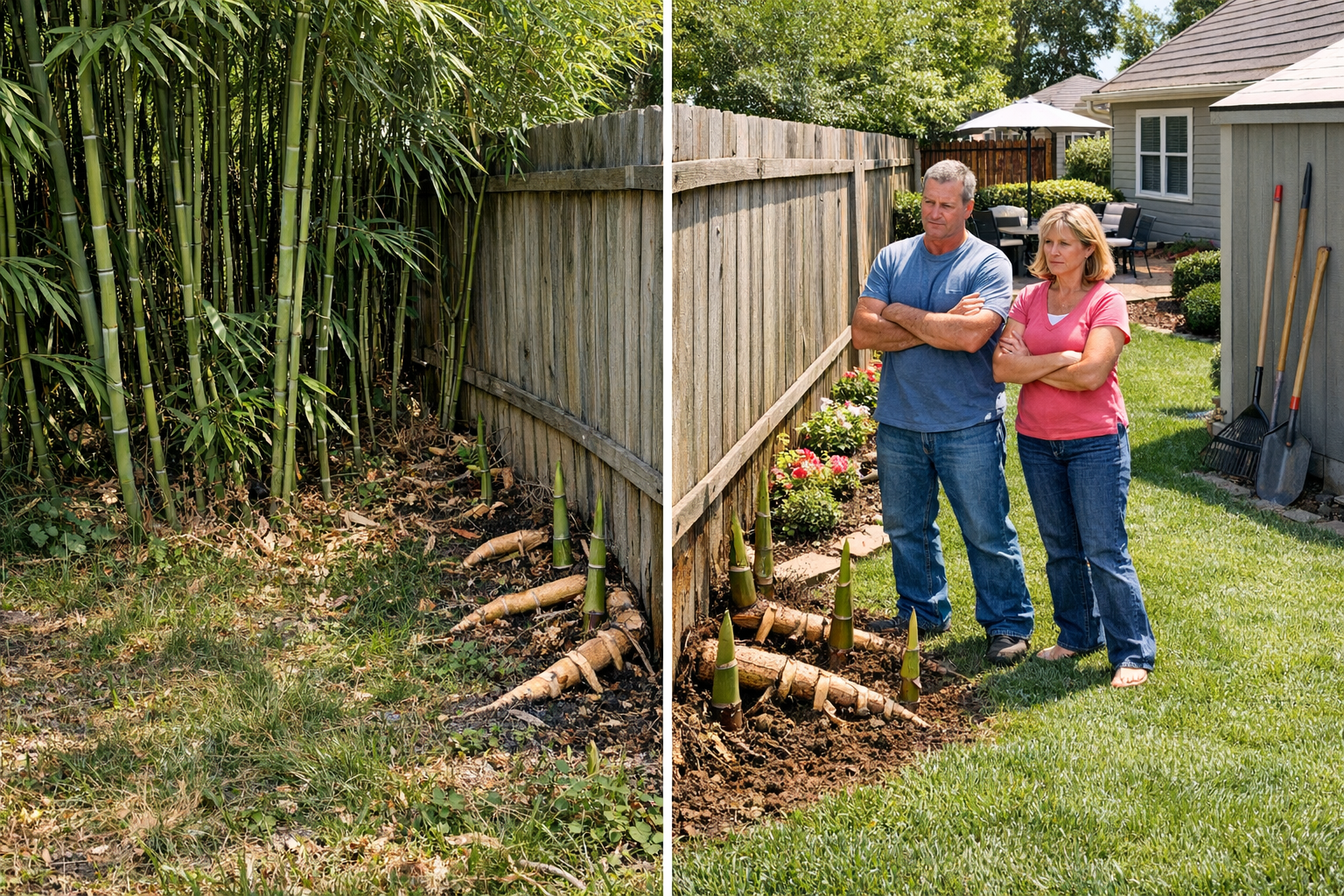
Running bamboo varieties spread through underground rhizomes. These rhizomes can travel significant distances from the original planting site. Consequently, they may invade neighboring properties or natural ecosystems. States regulate bamboo to prevent environmental damage and property disputes.
States with Complete Bamboo Bans
Very few states implement total bamboo bans. Most regulations target specific species rather than all bamboo varieties. Nevertheless, understanding which states have the strictest rules helps you plan accordingly.
Currently, no state has enacted a complete ban on all bamboo species. However, some municipalities within states have created local ordinances. These local rules may prohibit bamboo planting entirely within city limits.
Northeast Region Regulations
Understanding the Northeast’s Regulatory Climate
In the Northeastern United States, legislation often targets human behavior rather than the plant itself. Legislators understand that bamboo serves as an effective, fast-growing privacy screen. However, they also recognize the significant damage caused by unchecked growth. Therefore, the legal focus shifts primarily to containment and responsibility. Property owners must usually keep their plantings within specific physical boundaries. This prevents encroachment onto neighboring lands or protected public spaces. Consequently, the burden of management falls squarely on the gardener.
Connecticut serves as a prime example of this liability-based model. The state does not ban the possession of the plant outright. Instead, it imposes strict liability on the grower. If running bamboo crosses a property line, the owner pays for the removal costs. Additionally, they are liable for any associated physical damages to structures. This approach encourages responsible cultivation without completely removing consumer choice.
New York’s Classification System
New York utilizes a distinct classification system to manage environmental risks. The Department of Environmental Conservation maintains a detailed prohibited and regulated invasive species list. This list dictates what nurseries can sell to the public.
- Prohibited Species: These cannot be sold, imported, purchased, or transported.
- Regulated Species: These can be possessed but not knowingly introduced into wild, free-living states.
- Golden Bamboo: This variety often falls under specific scrutiny due to its extreme hardiness.
Consequently, nurseries must label plants accurately to inform consumers of potential risks. This ensures that buyers understand the long-term commitment required.
What I Recommend
If you’re planting bamboo in a state that requires containment, the 50ft 24in 60mil Tree Root Barrier is one of the most effective solutions we’ve found for keeping running bamboo varieties in check. Many states with strict bamboo regulations specifically recommend underground barriers as a compliant way to grow these plants responsibly. This heavy-duty barrier creates a physical boundary that prevents rhizomes from spreading beyond your designated growing area, helping you stay within legal requirements while still enjoying your bamboo garden.
For those in regions where bamboo screening is permitted or encouraged as a privacy solution, the KOIUEYW Reed Fencing pairs beautifully with bamboo plantings and provides an attractive alternative or complement to living bamboo hedges. We love recommending this when local codes allow bamboo but you want an extra layer of control over the visual impact. It’s a practical choice for creating defined borders around your bamboo while maintaining that natural aesthetic.
The DeepRoot Water Barrier is another excellent containment option that works particularly well in areas with strict regulations about bamboo spread. This specialized barrier system is designed specifically for root containment, making it a reliable choice for staying compliant with state and local bamboo ordinances. If you’re serious about growing bamboo responsibly within your jurisdiction’s requirements, investing in proper containment infrastructure is one of the smartest decisions you can make.
The Role of Local Ordinances
State laws are only one piece of the regulatory puzzle. Local municipalities frequently enact stricter ordinances than state governments. This is particularly common in densely populated areas like Long Island or suburban New Jersey. For example, townships here may require impermeable root barriers for any new installation. Furthermore, some impose heavy daily fines for non-compliance.
Therefore, relying solely on state-level research is often insufficient for homeowners. You must verify zoning codes at the city or town level before planting. Ignoring these local statutes can result in expensive legal battles. Ultimately, due diligence is required to avoid penalties.
New York
New York doesn’t ban bamboo statewide. However, the Department of Environmental Conservation monitors invasive plant species closely. Property owners must maintain bamboo responsibly. Additionally, some counties require barriers for running bamboo varieties.
Connecticut
Connecticut lists certain bamboo species as invasive plants. Source The state restricts the sale and distribution of these varieties. Golden bamboo (Phyllostachys aurea) appears on this list frequently. Gardeners can still plant clumping varieties without restrictions.
Massachusetts
Massachusetts encourages responsible bamboo cultivation. The state doesn’t prohibit bamboo planting outright. Nevertheless, property owners face liability for bamboo that spreads to neighboring properties. Installing proper containment systems is essential.
Vermont and New Hampshire
These states maintain similar approaches to bamboo regulation. Neither state bans bamboo completely. However, they encourage residents to choose clumping varieties over running types. Local ordinances may impose additional restrictions in specific towns.
Mid-Atlantic State Laws
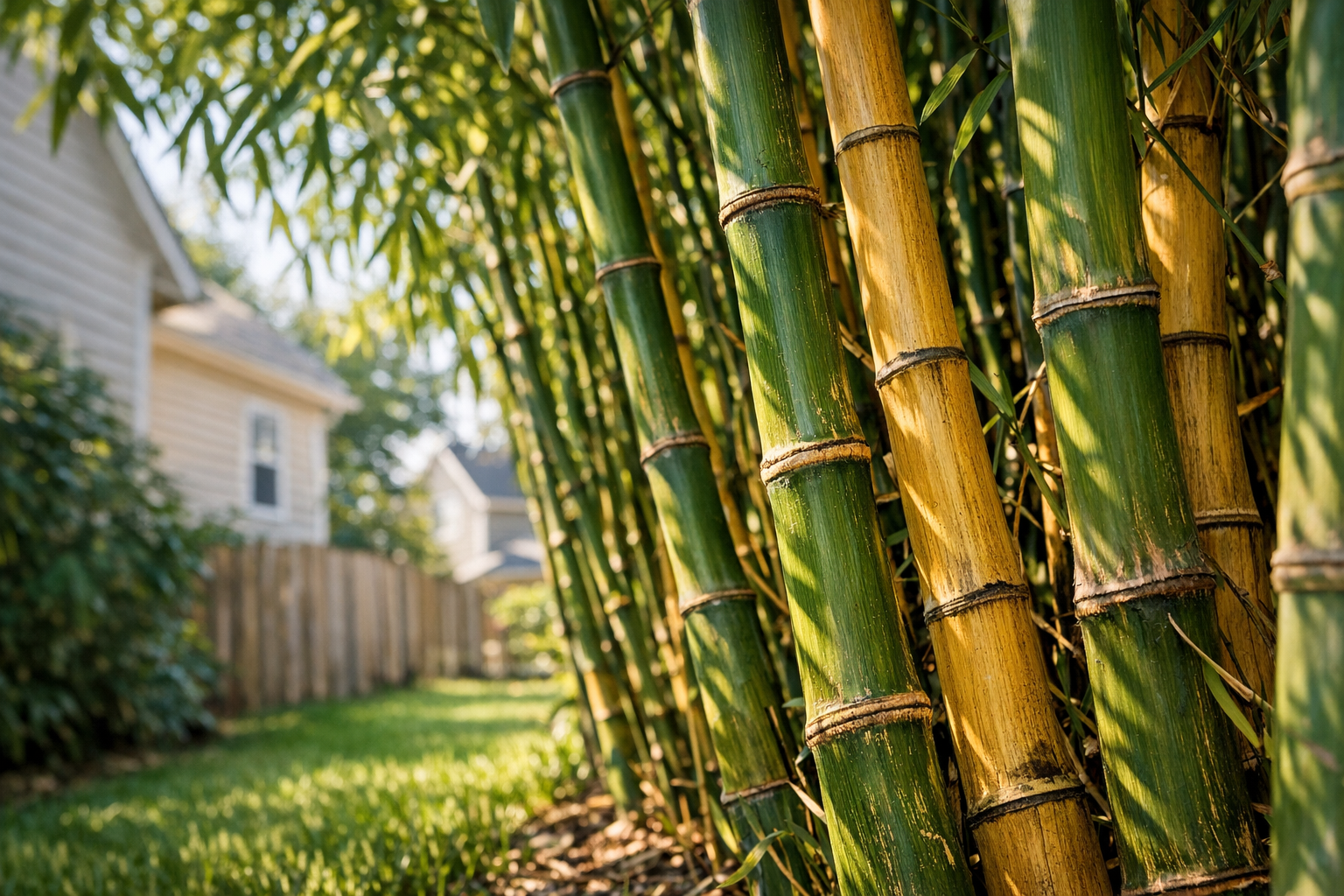
Mid-Atlantic states balance environmental concerns with property rights. Their regulations often focus on containment rather than prohibition.
Pennsylvania
Pennsylvania doesn’t restrict bamboo at the state level. However, municipalities can create their own ordinances. Some townships require bamboo barriers at least 30 inches deep. Others mandate minimum distances from property lines.
Maryland
Maryland takes a nuanced approach to bamboo regulation. The state doesn’t ban bamboo planting. Nevertheless, it holds property owners responsible for controlling spread. Invasive bamboo that crosses property lines may result in legal action.
Virginia
Virginia permits bamboo cultivation throughout the state. The Department of Conservation and Recreation provides guidelines for responsible planting. They recommend clumping varieties for homeowners without experience managing running bamboo.
Southern States and Bamboo
Southern states often have favorable climates for bamboo growth. Consequently, regulations tend to be more developed in these regions.
North Carolina
North Carolina doesn’t prohibit bamboo statewide. However, several counties have enacted local restrictions. Some areas require permits before planting running bamboo varieties. Others mandate specific containment measures.
South Carolina
South Carolina allows bamboo cultivation with minimal restrictions. The state focuses on education rather than prohibition. Extension services offer guidance on proper planting techniques. Furthermore, they help residents choose appropriate species for their properties.
Georgia
Georgia permits bamboo planting across the state. However, property owners must prevent bamboo from becoming a nuisance. The state’s nuisance laws apply when bamboo spreads to neighboring properties. Installing barriers can prevent legal disputes.
Florida
Florida’s warm climate supports vigorous bamboo growth. The state doesn’t ban bamboo cultivation. Nevertheless, it includes certain species on invasive plant watchlists. Golden bamboo faces particular scrutiny in natural areas.
Midwest Bamboo Regulations
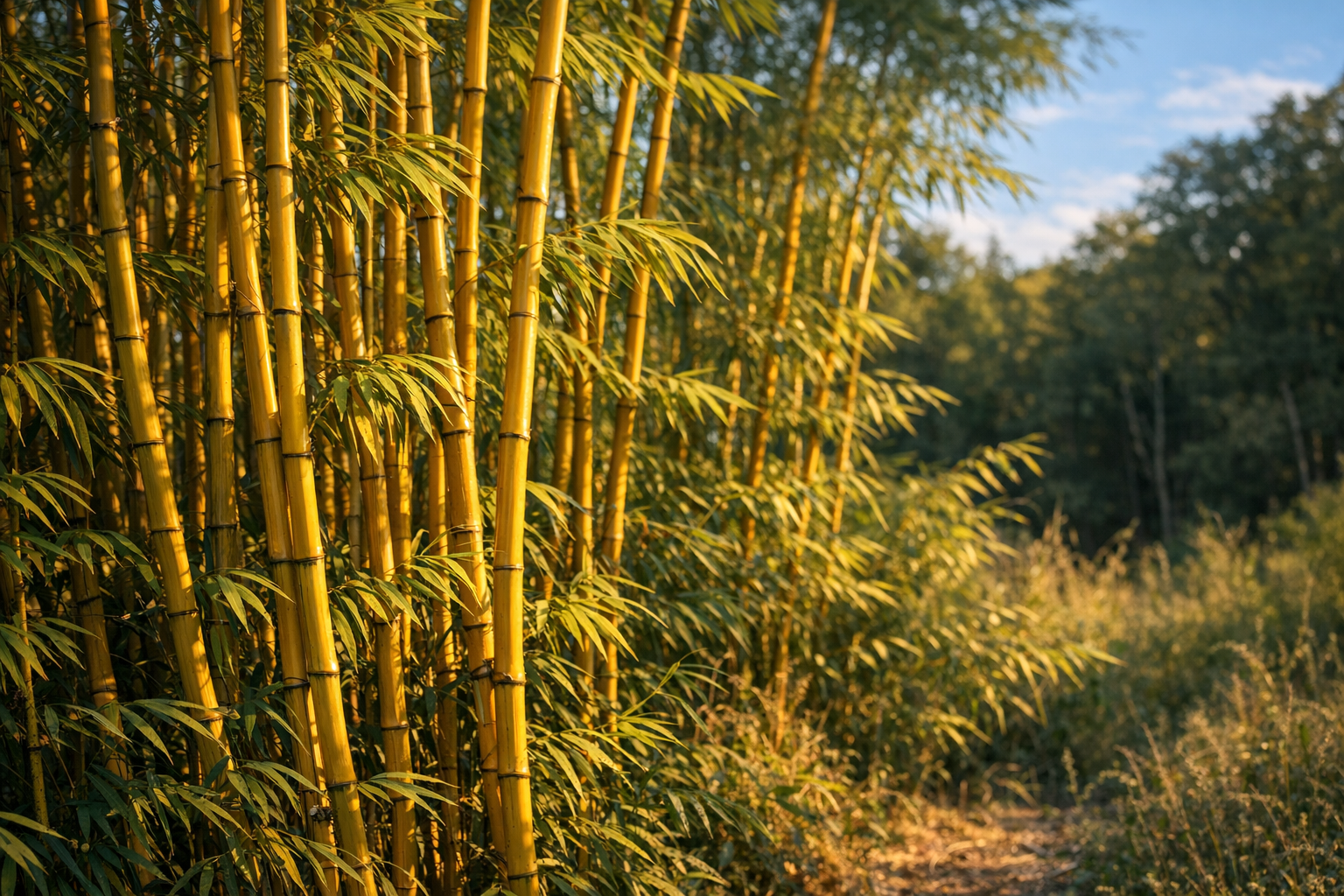
Midwestern states generally have fewer bamboo regulations. The colder climate naturally limits bamboo’s invasive potential in many areas.
Ohio and Indiana
These states don’t restrict bamboo planting significantly. Cold winters help control bamboo spread naturally. However, property owners still face liability for bamboo that damages neighboring properties. Responsible planting practices remain important.
Illinois
Illinois doesn’t prohibit bamboo at the state level. Some municipalities have created local ordinances addressing bamboo cultivation. These rules typically focus on containment requirements rather than outright bans. Checking with local authorities before planting is advisable.
Michigan
Michigan’s cold climate limits which bamboo varieties survive. The state doesn’t restrict bamboo planting. However, only cold-hardy species thrive in Michigan’s harsh winters. This natural limitation reduces the need for extensive regulations.
Western States Approach
The Western United States presents a complex patchwork of environmental laws. Consequently, bamboo regulations differ significantly from the coast to the mountains. State legislators must consider local ecosystems when drafting these rules. For instance, a law that works in Seattle might fail in Phoenix. Therefore, homeowners must research their specific location carefully before planting.
The Pacific Northwest: Managing Rapid Growth
In particular, Oregon and Washington face unique challenges regarding bamboo. The wet, mild climate allows running bamboo varieties to thrive aggressively. As a result, many local municipalities have enacted strict containment ordinances. For example, neighbors often file nuisance lawsuits over rhizomes crossing property lines. Furthermore, some cities now require distinct physical barriers for any new plantings.
Key regulations in this region often focus on:
- Setback requirements from property lines
- Mandatory root barriers made of high-density plastic
- Liability clauses for damage to neighboring foundations
California: Fire Safety and Water Conservation
California approaches bamboo with a distinct focus on resource management. Specifically, the state prioritizes water conservation and fire safety above invasiveness. However, bamboo is not universally banned across the state. Instead, local Homeowners Associations (HOAs) often restrict specific thirsty varieties.
Additionally, fire departments may view dry bamboo clumps as dangerous combustion hazards. Therefore, residents are strongly encouraged to choose clumping varieties. These types generally require less irrigation and create less biomass. Moreover, drought-tolerant landscaping rebates usually exclude water-intensive bamboo species.
Mountain and Desert Regions
In contrast, the interior West generally has fewer restrictions. States like Nevada, Utah, and Colorado rarely classify bamboo as a noxious weed. This is because the harsh winters and arid summers naturally limit uncontrolled spread. Consequently, the plant usually struggles to survive without significant human intervention.
However, water usage remains a valid concern in desert areas. Thus, while legal, planting thirsty bamboo might violate local xeriscaping guidelines. Finally, gardeners in these states often use bamboo only in containers. This method protects the plant from cold soil while preventing water loss.
California
California doesn’t ban bamboo statewide. Source However, many counties have specific regulations. Some areas restrict running bamboo varieties near waterways. Others require containment barriers for all bamboo installations.
The state’s Mediterranean climate supports bamboo growth year-round. Therefore, containment becomes more critical than in colder regions.
Oregon and Washington
The Pacific Northwest has developed comprehensive bamboo guidelines. Neither state bans bamboo completely. However, both encourage clumping varieties over running types.
Oregon’s Department of Agriculture monitors invasive plant species. Golden bamboo appears on watchlists in several counties. Washington takes a similar approach, focusing on education and responsible cultivation.
Colorado
Colorado’s high altitude and cold winters limit bamboo growth naturally. The state doesn’t restrict bamboo planting. However, only the hardiest varieties survive Colorado’s climate. This natural barrier reduces regulatory needs.
Commonly Restricted Species
High-Risk Bamboo Species
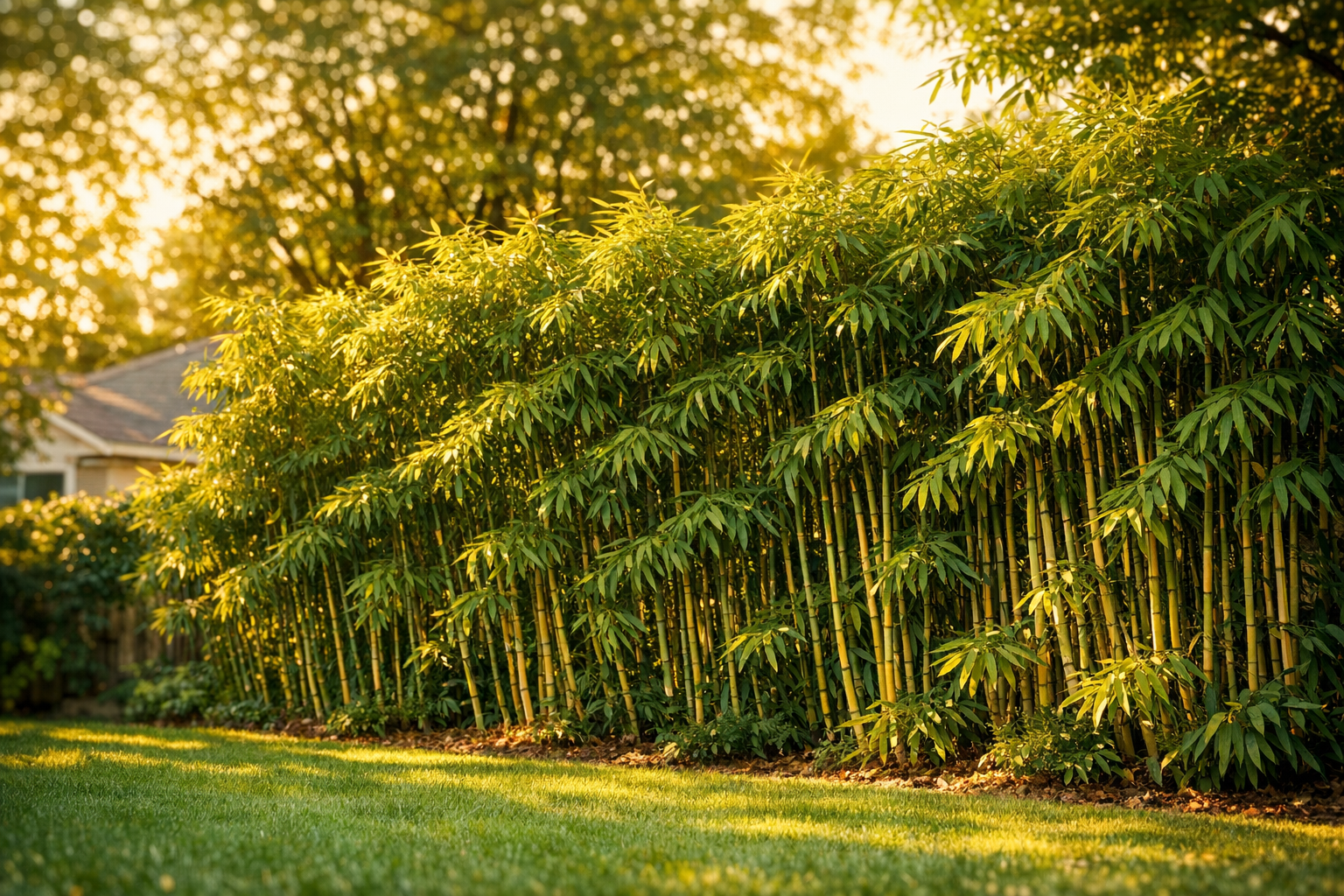
Running bamboo varieties trigger the most legal restrictions across North America. These aggressive spreaders include Phyllostachys aurea (Golden Bamboo) and Phyllostachys aureosulcata (Yellow Groove Bamboo). Additionally, they can travel 15-20 feet per year through underground rhizomes. Consequently, many municipalities specifically name these species in their ordinances.
Pseudosasa japonica (Arrow Bamboo) appears on numerous invasive species lists. This variety thrives in varied climates and escapes containment easily. Furthermore, it outcompetes native vegetation in forests and wetlands. Therefore, several states classify it as a noxious weed.
Commonly Restricted Varieties
The following bamboo types face the strictest regulations:
- Golden Bamboo (Phyllostachys aurea): Banned or restricted in 12+ states
- Yellow Groove Bamboo (Phyllostachys aureosulcata): Cold-hardy and extremely aggressive
- Black Bamboo (Phyllostachys nigra): Popular ornamentally but spreads rapidly
- Arrow Bamboo (Pseudosasa japonica): Listed as invasive in multiple regions
- Kuma Bamboo (Sasa veitchii): Ground-covering runner with persistent growth
Lower-Risk Alternatives
In contrast, clumping bamboo species rarely face legal restrictions. These varieties grow in tight clusters rather than spreading laterally. For example, Bambusa multiplex (Hedge Bamboo) and Fargesia species remain contained naturally. Moreover, they offer similar aesthetic benefits without invasion risks.
However, even clumping varieties require proper identification before planting. Some sellers mislabel running bamboo as clumping types. Therefore, always verify botanical names with local extension offices.
Golden Bamboo (Phyllostachys aurea)
Golden bamboo appears on invasive species lists across multiple states. This running bamboo spreads aggressively through rhizomes. It can quickly overtake natural areas and gardens. Many states restrict its sale and distribution.
Yellow Grove Bamboo (Phyllostachys aureosulcata)
Yellow grove bamboo also faces restrictions in several regions. This cold-hardy running bamboo spreads vigorously. It survives harsh winters better than many other species. Consequently, northern states monitor it more closely.
Japanese Knotweed Confusion
Some people confuse Japanese knotweed with bamboo. However, these plants are entirely different species. Japanese knotweed faces much stricter regulations and bans. It’s important to distinguish between these plants when researching laws.
Safe Bamboo Alternatives
Clumping bamboo varieties offer safer alternatives to running species. These bamboos grow in tight clusters without spreading aggressively.
Bambusa Species
Bambusa varieties grow in clumps rather than spreading through runners. They provide similar aesthetic benefits without invasive tendencies. Most states don’t restrict clumping bamboo species. These varieties work well for privacy screens and ornamental plantings.
Fargesia Species
Fargesia bamboos are cold-hardy clumping varieties. They thrive in northern climates without spreading aggressively. These species face virtually no legal restrictions. They offer excellent options for gardeners in regulated areas.
Containment Requirements
Many states that allow bamboo require proper containment systems. Understanding these requirements helps you stay compliant.
Barrier Depth Standards
Most regulations require barriers at least 24 to 30 inches deep. Some jurisdictions mandate barriers extending 36 inches underground. These depths prevent rhizomes from escaping containment. Additionally, barriers should extend several inches above ground level.
Material Specifications
Approved barrier materials typically include high-density polyethylene. This material resists root penetration effectively. Metal barriers also work but may corrode over time. Some areas specify minimum thickness requirements for barrier materials.
Maintenance Obligations
Property owners must maintain bamboo barriers regularly. Annual inspections help identify potential breaches. Trimming rhizomes that approach barrier edges prevents escape. Furthermore, monitoring neighboring properties for bamboo shoots is advisable.
Municipal Ordinances
Local regulations often exceed state requirements. Checking municipal codes before planting is essential.
Common Local Restrictions
Many cities require permits for planting running bamboo. Some mandate minimum distances from property lines. Others prohibit bamboo near public utilities or waterways. These local rules carry enforcement mechanisms and potential fines.
Enforcement and Penalties
Municipalities can enforce bamboo ordinances through various means. Fines for non-compliance range from hundreds to thousands of dollars. Some jurisdictions require complete bamboo removal at owner expense. Repeat violations may result in liens against properties.
Liability Considerations
Bamboo that spreads to neighboring properties creates legal liability. Understanding your responsibilities protects you from disputes.
Nuisance Laws
Most states apply nuisance laws to invasive bamboo. Property owners must prevent bamboo from damaging neighboring properties. Failure to control spread may result in lawsuits. Courts often order bamboo removal and damages payment.
Insurance Implications
Some homeowner insurance policies exclude bamboo-related damages. Others may increase premiums for properties with bamboo. Checking your policy before planting is wise. Additionally, documenting containment measures may help with claims.
Resources for Verification
Always verify current regulations before planting bamboo. Laws change, and local ordinances vary significantly.
State Environmental Agencies
Departments of Environmental Conservation maintain updated invasive species lists. These agencies provide authoritative information on bamboo regulations. Most offer online databases searchable by species or common name.
County Extension Services
Cooperative extension services offer local expertise on bamboo laws. They understand both state and municipal regulations. Furthermore, they can recommend appropriate species for your area.
Municipal Code Offices
City planning departments maintain current ordinances affecting bamboo. They can clarify specific requirements for your property. Requesting written confirmation of regulations provides documentation for future reference.
Making Informed Decisions
Choosing whether to plant bamboo requires careful consideration. Understanding legal requirements is just the first step.
Research your specific location thoroughly before purchasing bamboo. State laws provide baseline requirements, but local ordinances may be stricter. Contact relevant authorities to confirm current regulations. Additionally, consider choosing clumping varieties to avoid potential legal issues.
Selecting the Right Bamboo Variety
Successful bamboo gardening begins with choosing the correct plant for your specific location. Clumping bamboo (Sympodial) is generally the safest choice for residential areas. Unlike aggressive running varieties, clumpers expand slowly from a central point. Consequently, they rarely pose a threat to foundations or fence lines. This distinct growth habit makes them easier to manage legally.
However, if you prefer running bamboo (Monopodial) for its rapid growth, caution is mandatory. These varieties spread via underground rhizomes that travel quickly. Therefore, many states classify them as potentially invasive. You must verify if your specific species is on a local prohibited list. Always check your state’s Department of Natural Resources database first.
Implementing Physical Barriers
To ensure strict compliance with property laws, you must install robust physical containment systems. High-density polyethylene (HDPE) barriers are the industry standard for containment. For example, a barrier should be at least 60 mil thick. Additionally, it must extend 30 inches deep into the soil.
Proper installation is critical for long-term success. The barrier should protrude two to three inches above the ground. As a result, you can easily spot rhizomes attempting to “jump” the barrier. Alternatively, consider planting bamboo in raised planter boxes or metal troughs. This method isolates the root system entirely. Thus, it eliminates the risk of accidental underground spreading.
Routine Maintenance and Inspection
Even with barriers in place, regular monitoring is essential for legal protection. You should inspect the perimeter of your bamboo grove annually. Late summer is usually the best time for this check. If you see rhizomes escaping, trim them immediately with a sharp spade. Furthermore, this proactive approach demonstrates “good faith” to local code enforcers.
Your commitment to maintenance preserves the local ecosystem. Unchecked bamboo can escape into wild areas and choke out native flora. Consequently, this disrupts habitats for local wildlife. By managing your plants responsibly, you protect community biodiversity. Ultimately, a well-contained grove provides beauty without becoming a neighborhood burden.
*As an Amazon Associate, I earn from qualifying purchases.