Category: Planting Options

  • Ultimate Guide to Choosing Bamboo Varieties for Natural Privacy Barriers

    Ultimate Guide to Choosing Bamboo Varieties for Natural Privacy Barriers


    Create a private sanctuary in your backyard. Nothing ruins a relaxing afternoon like the feeling of being watched. Whether you live in a crowded suburb or a busy city, privacy remains essential. Traditional fences often look stark and uninviting. Consequently, many homeowners turn to living screens. Bamboo offers a lush, fast-growing solution for natural privacy barriers. However, choosing the wrong variety can lead to a gardening nightmare. You must select the right species for your specific needs.

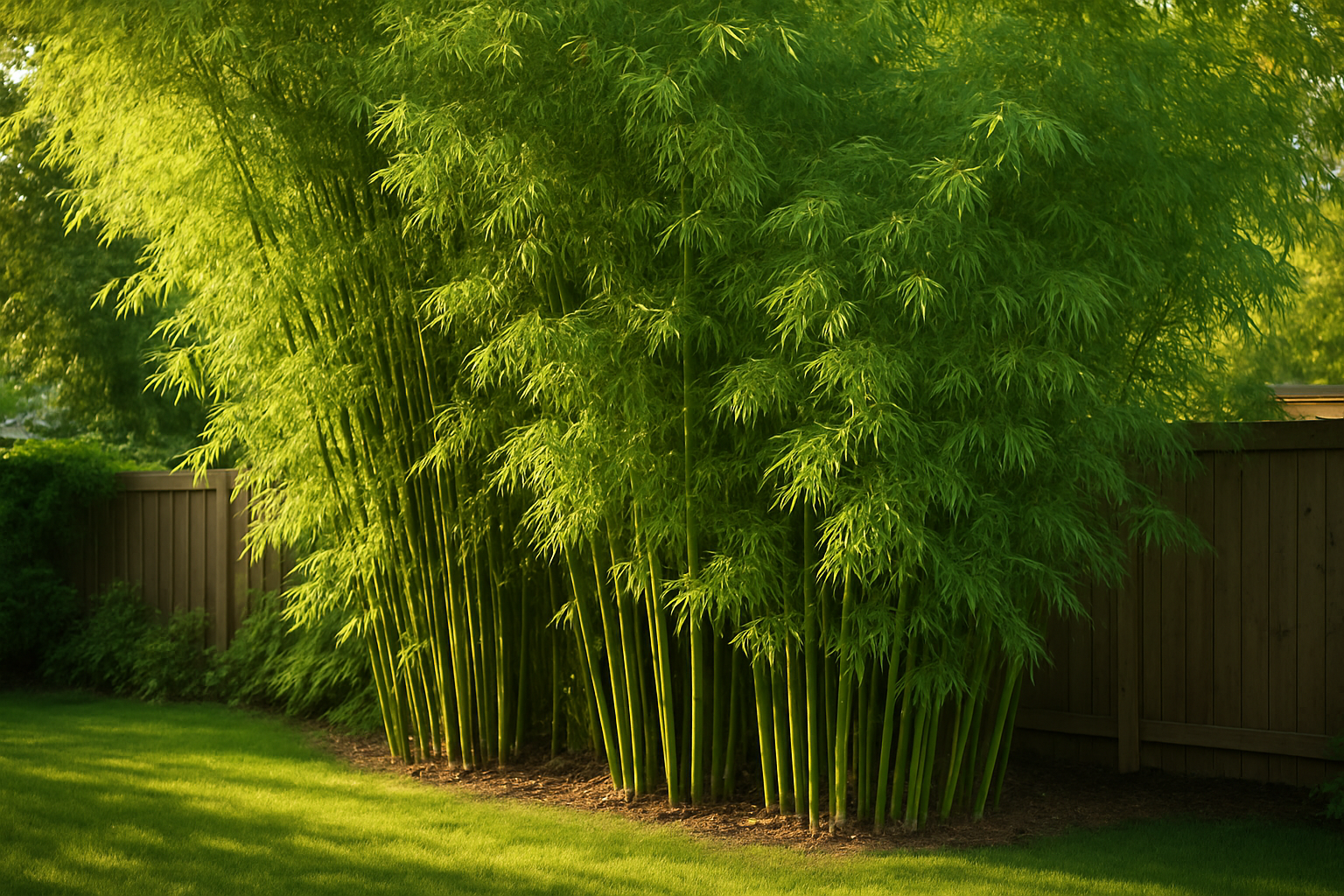
    A naturally lit outdoor garden scene photographed during golden hour, featuring multiple varieties of tall bamboo plants creating a lush privacy screen along a residential property line, with dense green culms and feathery foliage at varying heights from six to twenty feet, showcasing different bamboo species side by side including thick-stemmed timber bamboo and delicate clumping varieties, their canes ranging from vibrant green to golden yellow hues, shot from a homeowner's perspective standing in their backyard with shallow depth of field, morning dew glistening on the leaves, authentic lifestyle photography style capturing the natural texture and movement of bamboo stalks swaying gently, with a wooden fence partially visible in the background and soft bokeh of neighboring greenery

    Bamboo grows incredibly fast. Source In fact, it holds the world record for the fastest-growing plant. This makes it ideal for urgent screening needs. Yet, this speed comes with risks. Therefore, you need to understand the fundamental differences between bamboo types before planting. This guide explores the best varieties for privacy and how to manage them safely.

    If you’re ready to create that natural privacy screen you’ve been dreaming about, starting with the right bamboo variety makes all the difference in achieving beautiful results without future headaches. For a well-behaved, non-invasive option that won’t take over your yard, consider the Bambusa eutuldoides Asian lemon clumping bamboo, which offers attractive foliage and stays exactly where you plant it without spreading aggressively into unwanted areas. If you’re working with a tight budget and don’t mind waiting a bit longer for mature growth, green bamboo seeds provide an economical way to establish a privacy screen, though you’ll need patience as they develop from seedlings into towering specimens. For those who choose running bamboo varieties or want extra protection against any underground spread, installing a Joewuzun tree root barrier around your planting area will contain rhizomes effectively and prevent unwanted invasion into neighboring yards or garden beds. Another excellent clumping variety worth considering is the Fargesia robusta ‘Wolong’, which arrives as a substantial live plant ready to establish quickly and provides cold-hardy screening even in northern climates. For gardeners interested in bamboo that produces edible shoots along with privacy benefits, the KVITER bamboo seeds offer Bambusa oldhamii, a clumping variety known for its delicious young shoots and rapid growth that creates dense screening within just a few seasons. If you need immediate privacy while waiting for your bamboo to mature or want to supplement sparse areas, an ODTORY artificial privacy fence screen provides instant coverage and blends surprisingly well with living plants to create a fuller, more complete barrier right away. For larger properties or extended planting areas where containment is crucial, a 50ft 24in 60mil-tree root barrier gives you enough material to protect driveways, sidewalks, and property lines from aggressive bamboo rhizomes that might otherwise cause expensive damage. Once your bamboo is planted, you’ll need proper tools to maintain the area, and a RESTMO 3-in-1 heavy duty gardening tools kit provides everything necessary for transplanting, cultivating soil around established plants, and keeping your bamboo grove looking tidy and well-maintained throughout the growing season. To encourage vigorous growth and achieve that lush, dense screening effect as quickly as possible, feeding your bamboo regularly with an organic plant food bag ensures your plants receive the nutrients they need to produce thick culms and abundant foliage that effectively blocks unwanted views. With these carefully selected products and a solid understanding of bamboo growth habits, you’ll be well-equipped to create the private, peaceful outdoor sanctuary you deserve without the worry of invasive spreading or disappointing results.

    Understanding the Two Main Types

    Before you buy a single pot, you must distinguish between the two growth habits. Bamboo falls into two distinct categories: running and clumping. Your choice determines the maintenance level required. Mixing them up causes major headaches later. Thus, pay close attention to the labels.

    Running Bamboo (Leptomorph)

    Running bamboo spreads rapidly. It sends out underground rhizomes that travel far from the main plant. Consequently, it fills in long fence lines very quickly. This type creates a dense, impenetrable wall of green. However, it respects no boundaries. Without containment, it invades lawns, gardens, and even neighbor’s yards. You must install a physical barrier to control it. We will discuss containment strategies later in this guide. Despite the risk, runners remain the best choice for tall, fast screens in colder climates.

    Clumping Bamboo (Pachymorph)

    Clumping bamboo grows differently. It expands slowly outward from a central point. Think of it like a large ornamental grass. It does not send runners across the yard. Therefore, it behaves well in smaller gardens. You generally do not need root barriers for these varieties. They stay where you plant them. However, they grow slower than runners. Additionally, many clumping varieties prefer warmer, tropical climates. Fortunately, newer cultivars now exist for cooler regions.

    Top Clumping Varieties for Safe Privacy

    For most homeowners, clumping bamboo offers the safest path. You get the tropical look without the fear of invasion. These varieties work exceptionally well in urban settings or near property lines. Here are the top performers.

    Fargesia robusta (Campbell Bamboo)

    This variety creates a stunning, upright screen. It thrives in cooler climates where other clumpers fail. Additionally, it tolerates shade better than most bamboo. The canes grow close together, blocking sightlines effectively. It typically reaches heights of 12 to 15 feet. Furthermore, the sheaths shed early, revealing beautiful green canes. Gardeners love its tidy, vertical habit. It works perfectly for narrow spaces.

    A close-up ground-level photograph of tall, slender bamboo stalks growing densely together in a narrow side yard between two structures, their green canes creating a natural vertical screen. Golden hour sunlight filters through the bamboo leaves creating dappled shadows on the ground, with the narrow planting strip measuring only two to three feet wide. The bamboo culms are various shades of green, tightly clustered together, their delicate feathery foliage swaying gently at the top. The perspective emphasizes the vertical growth pattern and space-saving quality, shot from a slight upward angle showing how the bamboo maximizes the confined area. Natural depth of field with the foreground stalks in sharp focus while the background softly blurs, authentic outdoor photography style with organic lighting and real garden setting.

    Bambusa oldhamii (Giant Timber Bamboo)

    If you live in a warmer zone, choose this giant. It grows tall, straight, and thick. People often call it the most popular clumping bamboo in the United States. It creates a towering wall of green quickly. The canes can reach 55 feet in ideal conditions. Moreover, the foliage is dense and lush. It handles heat well but dislikes freezing temperatures. Consequently, it suits zones 8 and above best.

    Bambusa multiplex ‘Alphonse Karr’

    This variety adds color to your screen. The canes feature bright yellow stripes on green stems. It grows densely and responds well to pruning. You can maintain it as a hedge easily. It reaches a manageable height of 20 to 35 feet. Also, new shoots emerge with a reddish tint. This adds visual interest throughout the growing season. It loves the sun and tolerates heat.

    Best Running Varieties for Fast Screening

    Sometimes you need a screen immediately. Running bamboo fills space faster than any other plant. It also tolerates cold winters better than most clumpers. However, remember the containment rule. Always install a barrier. If you accept the maintenance, these varieties offer unmatched performance.

    Phyllostachys bissetii

    This is the workhorse of cold-hardy bamboo. It survives bitter winters and stays green. It grows incredibly fast and forms a thick canopy. Even in zone 5, it performs reliably. The canes are dark green and very flexible. Therefore, snow loads rarely damage them. It reaches 20 to 25 feet quickly. If you need a windbreak or total visual block, this plant delivers.

    A lush garden scene photographed during golden hour showing a dense wall of tall bamboo stalks creating a natural privacy screen, their green culms closely packed together with feathery leaves creating a thick barrier, soft afternoon sunlight filtering through the foliage casting dappled shadows on a manicured lawn, shallow depth of field focusing on the bamboo grove's texture and density while a blurred residential backyard setting appears in the background, shot from a low angle to emphasize the height and screening capability of the bamboo plants, natural outdoor lighting with warm tones, authentic lifestyle garden photography style

    Phyllostachys aurea (Golden Bamboo)

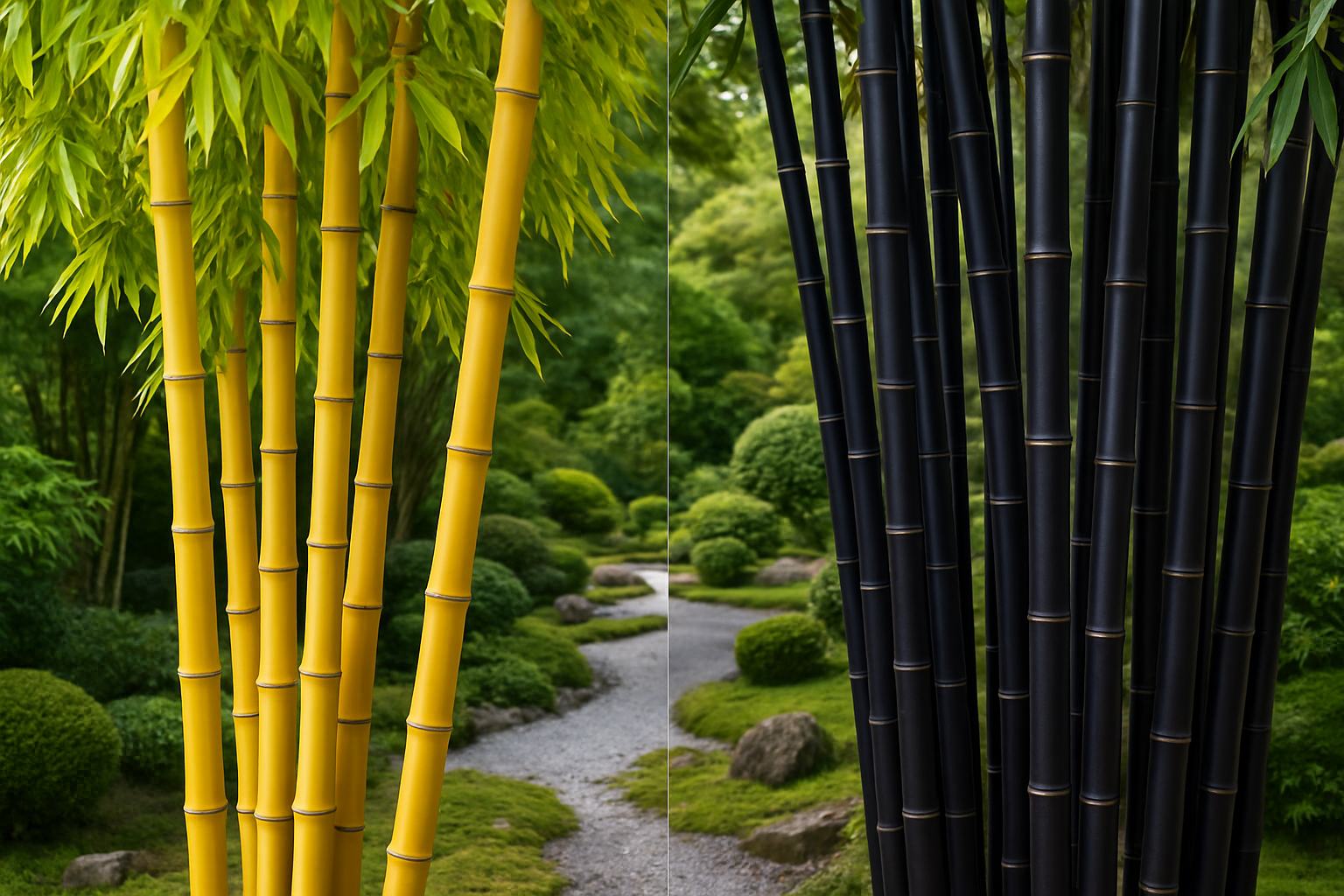
    This species is famous for its unique canes. The lower internodes often stack together, creating a tortoise-shell appearance. It loves full sun and handles heat well. While it runs, it spreads somewhat slower than other Phyllostachys types. It creates a stiff, upright screen. It typically grows to 20 feet. Furthermore, it accepts pruning very well. You can shape it to fit your landscape design.

    Pseudosasa japonica (Arrow Bamboo)

    Choose this for broad leaves and shade tolerance. The leaves are much larger than other temperate bamboos. This creates a tropical, jungle-like vibe. It makes an excellent sound barrier due to the thick foliage. It grows well in containers or narrow planters. It usually stays under 18 feet. While it is a runner, it is less aggressive than the timber bamboos. Nevertheless, use a barrier to be safe.

    Essential Containment Strategies

    If you plant running bamboo, you must contain it. Skipping this step leads to regret. You cannot rely on hope or vigilance alone. Physical barriers provide the only sure protection.

    Installing a Root Barrier

    Use high-density polyethylene (HDPE) plastic. Do not use concrete or metal, as they eventually crack. The barrier should be at least 60 mil thick. Additionally, it needs to be 30 inches deep. Dig a trench around the planting area. Place the plastic vertically in the trench.

    Crucially, leave two inches of plastic above the soil line. This prevents rhizomes from jumping over the top. Clamp the ends of the barrier securely. Rhizomes will find any gap you leave. Therefore, seal the system completely.

    A close-up photograph of tall, dense bamboo stalks forming a natural privacy screen, shot in soft morning light with a shallow depth of field. The foreground shows thick green bamboo canes tightly clustered together, their nodes and natural segmentation clearly visible, creating an impenetrable wall of vegetation. Sunlight filters through the bamboo leaves above, casting dappled shadows on the smooth cylindrical stems. The background shows more bamboo foliage softly blurred, with hints of a residential garden setting. The composition emphasizes the interlocking nature of the bamboo grove, with canes of varying thicknesses standing closely together, their natural golden-green hues creating a serene, organic barrier that completely blocks the view beyond.

    Above-Ground Planters

    Alternatively, plant bamboo in raised beds or troughs. This keeps the roots isolated from the ground. Ensure the container is strong. Bamboo roots exert tremendous pressure. Metal or concrete planters work best. Furthermore, this method looks modern and architectural. It works perfectly for patios or decks. Just remember that potted bamboo needs more water. The soil dries out faster in containers.

    Maintenance for Healthy Growth

    Bamboo requires specific care to thrive. While it is rugged, it needs resources to grow tall. Follow these tips for a lush, green screen.

    Watering Requirements

    New plants need constant moisture. Water them deeply several times a week. Once established, they become drought tolerant. However, dry bamboo drops leaves. To keep the screen dense, water during dry spells. Additionally, mulch the base heavily. A thick layer of mulch retains moisture. It also protects shallow roots from the sun.

    Feeding Your Bamboo

    Bamboo is a grass. Therefore, it loves nitrogen. Feed it in early spring as new shoots emerge. Use a high-nitrogen lawn fertilizer. Alternatively, use composted manure. Apply fertilizer again in early summer. Do not fertilize in late autumn. This encourages new growth that frost might kill. Regular feeding ensures dark green leaves and rapid height gains.

    Pruning and Thinning

    Pruning improves the look of your screen. Remove dead or weak canes annually. Cut them at ground level. This opens up the clump for new growth. Furthermore, you can “leg up” the bamboo. Strip the lower branches to show off the canes. This creates a sophisticated, airy look. Finally, top the bamboo if it gets too tall. Cutting the top stops vertical growth forever on that cane. Instead, the plant becomes bushier.

    Conclusion

    Bamboo creates a privacy screen unlike any other plant. It offers beauty, sound reduction, and rapid results. By choosing the right variety, you solve your privacy issues permanently. Clumpers like Fargesia provide safety and low maintenance. Conversely, runners like Phyllostachys offer speed and height. Assess your site conditions honestly. Install barriers if you choose runners. With proper care, your green wall will stand for decades. Start planning your natural sanctuary today.

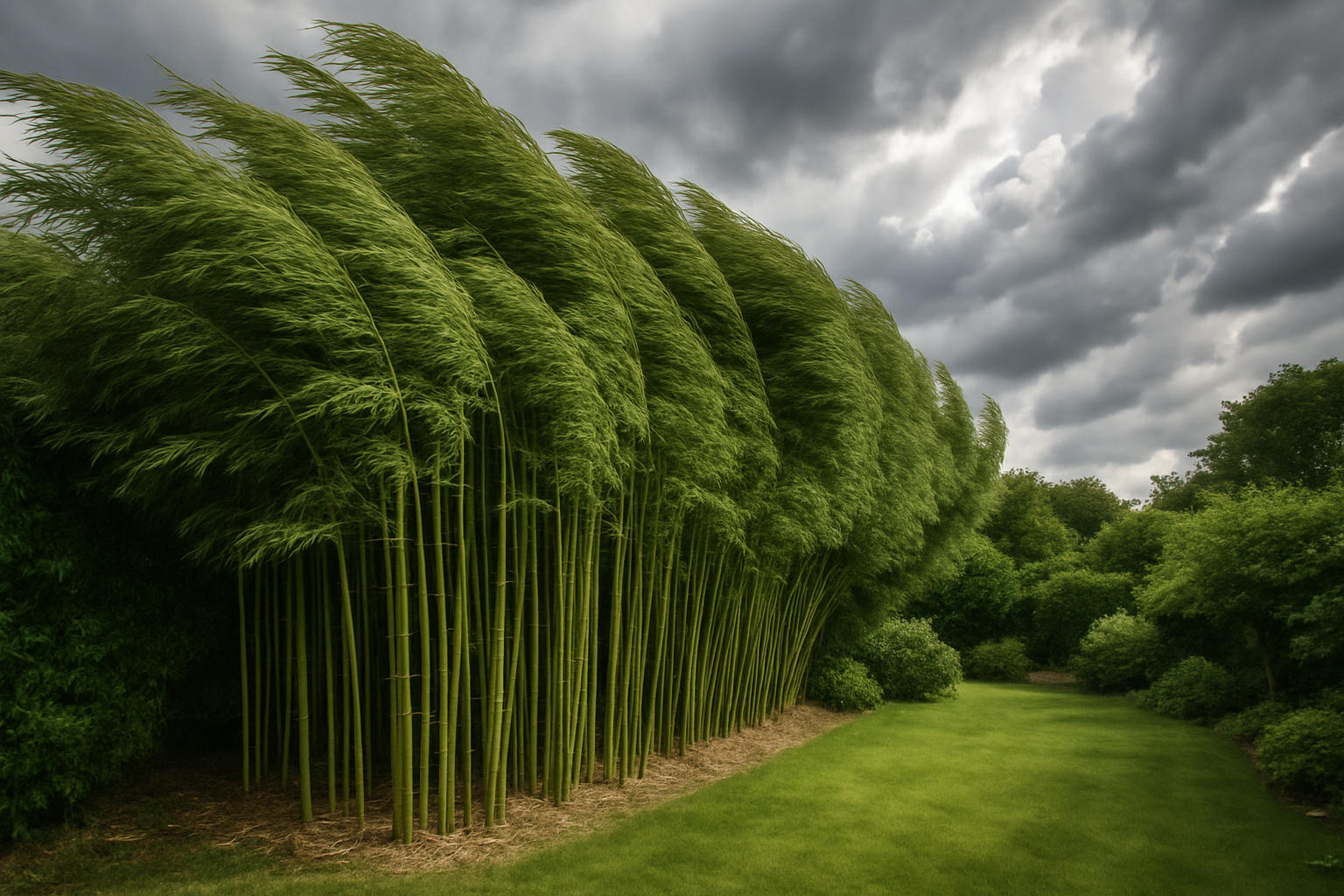
    A serene backyard garden scene captured in soft morning light, featuring a dense, lush wall of tall bamboo stalks creating a natural green privacy barrier along a property line. The bamboo canes rise elegantly from the ground, their slender stems in varying shades of green creating beautiful vertical lines, with delicate feathery leaves cascading down from the tops. Sunlight filters through the bamboo foliage, creating dappled shadows on a manicured lawn below. The bamboo hedge appears thick and full, demonstrating how the plants grow closely together to form an impenetrable screen. In the foreground, a peaceful garden space with natural grass shows the practical result of the privacy screen, while the bamboo's graceful culms sway gently, their leaves catching the golden hour light. The composition emphasizes the height and density of the bamboo grove, shot from a homeowner's perspective looking along the natural fence line, with shallow depth of field highlighting the organic texture of the bamboo stalks and the peaceful, secluded atmosphere they create in the outdoor space.

    If you’re ready to create that natural privacy screen you’ve been dreaming about, starting with the right bamboo variety makes all the difference in achieving beautiful results without future headaches. For a well-behaved, non-invasive option that won’t take over your yard, consider the Bambusa eutuldoides Asian lemon clumping bamboo, which offers attractive foliage and stays exactly where you plant it without spreading aggressively into unwanted areas. If you’re working with a tight budget and don’t mind waiting a bit longer for mature growth, green bamboo seeds provide an economical way to establish a privacy screen, though you’ll need patience as they develop from seedlings into towering specimens. For those who choose running bamboo varieties or want extra protection against any underground spread, installing a Joewuzun tree root barrier around your planting area will contain rhizomes effectively and prevent unwanted invasion into neighboring yards or garden beds. Another excellent clumping variety worth considering is the Fargesia robusta ‘Wolong’, which arrives as a substantial live plant ready to establish quickly and provides cold-hardy screening even in northern climates. For gardeners interested in bamboo that produces edible shoots along with privacy benefits, the KVITER bamboo seeds offer Bambusa oldhamii, a clumping variety known for its delicious young shoots and rapid growth that creates dense screening within just a few seasons. If you need immediate privacy while waiting for your bamboo to mature or want to supplement sparse areas, an ODTORY artificial privacy fence screen provides instant coverage and blends surprisingly well with living plants to create a fuller, more complete barrier right away. For larger properties or extended planting areas where containment is crucial, a 50ft 24in 60mil-tree root barrier gives you enough material to protect driveways, sidewalks, and property lines from aggressive bamboo rhizomes that might otherwise cause expensive damage. Once your bamboo is planted, you’ll need proper tools to maintain the area, and a RESTMO 3-in-1 heavy duty gardening tools kit provides everything necessary for transplanting, cultivating soil around established plants, and keeping your bamboo grove looking tidy and well-maintained throughout the growing season. To encourage vigorous growth and achieve that lush, dense screening effect as quickly as possible, feeding your bamboo regularly with an organic plant food bag ensures your plants receive the nutrients they need to produce thick culms and abundant foliage that effectively blocks unwanted views. With these carefully selected products and a solid understanding of bamboo growth habits, you’ll be well-equipped to create the private, peaceful outdoor sanctuary you deserve without the worry of invasive spreading or disappointing results.

    *As an Amazon Associate, I earn from qualifying purchases.

  • Bamboo Laws Across America: Your Complete Legal Reference by State

    Bamboo Laws Across America: Your Complete Legal Reference by State


    Understanding bamboo laws can feel overwhelming. Each state approaches this fast-growing plant differently. Some welcome it, while others restrict specific varieties.

    Why States Regulate Bamboo

    Bamboo grows incredibly fast, sometimes reaching three feet per day during peak season. Source This rapid growth makes it attractive for privacy screens and landscaping. However, it also raises concerns about invasiveness.

    Running bamboo varieties spread through underground rhizomes. These rhizomes can travel significant distances from the original planting site. Consequently, they may invade neighboring properties or natural ecosystems. States regulate bamboo to prevent environmental damage and property disputes.

    A split-scene outdoor photograph showing two contrasting residential backyards separated by a wooden fence, captured in bright natural midday sunlight. On the left side, an overgrown yard with tall bamboo stalks aggressively spreading and pushing against the fence line, their dense green canes creating shadows across an unkempt lawn. On the right side, a pristine manicured yard with neatly trimmed grass, organized flower beds, and concerned homeowners standing with crossed arms looking at the encroaching bamboo shoots breaking through the fence barrier. The scene includes visible bamboo rhizomes emerging from the soil near the property line, garden tools leaning against a shed, and natural suburban landscaping elements. Shot from a slightly elevated angle showing the clear property division and the invasive nature of the bamboo growth, with authentic residential architecture and outdoor furniture visible in the background, warm afternoon lighting casting realistic shadows across both yards.

    States with Complete Bamboo Bans

    Very few states implement total bamboo bans. Most regulations target specific species rather than all bamboo varieties. Nevertheless, understanding which states have the strictest rules helps you plan accordingly.

    Currently, no state has enacted a complete ban on all bamboo species. However, some municipalities within states have created local ordinances. These local rules may prohibit bamboo planting entirely within city limits.

    Northeast Region Regulations

    Understanding the Northeast’s Regulatory Climate

    In the Northeastern United States, legislation often targets human behavior rather than the plant itself. Legislators understand that bamboo serves as an effective, fast-growing privacy screen. However, they also recognize the significant damage caused by unchecked growth. Therefore, the legal focus shifts primarily to containment and responsibility. Property owners must usually keep their plantings within specific physical boundaries. This prevents encroachment onto neighboring lands or protected public spaces. Consequently, the burden of management falls squarely on the gardener.

    Connecticut serves as a prime example of this liability-based model. The state does not ban the possession of the plant outright. Instead, it imposes strict liability on the grower. If running bamboo crosses a property line, the owner pays for the removal costs. Additionally, they are liable for any associated physical damages to structures. This approach encourages responsible cultivation without completely removing consumer choice.

    New York’s Classification System

    New York utilizes a distinct classification system to manage environmental risks. The Department of Environmental Conservation maintains a detailed prohibited and regulated invasive species list. This list dictates what nurseries can sell to the public.

    • Prohibited Species: These cannot be sold, imported, purchased, or transported.
    • Regulated Species: These can be possessed but not knowingly introduced into wild, free-living states.
    • Golden Bamboo: This variety often falls under specific scrutiny due to its extreme hardiness.

    Consequently, nurseries must label plants accurately to inform consumers of potential risks. This ensures that buyers understand the long-term commitment required.

    If you’re dealing with bamboo in your landscaping or need to manage its aggressive growth, having the right tools and barriers makes all the difference in maintaining control over this fast-spreading plant. Installing a Joewuzun Tree Root barrier is essential for protecting your sidewalks, driveways, and property lines from invasive rhizomes that can travel underground for remarkable distances. For larger properties or extended perimeter protection, consider the 50ft 24in 60mil-Tree root barrier system, which provides comprehensive coverage to keep bamboo contained exactly where you want it. If you prefer the aesthetic benefits of bamboo without the invasive concerns, planting Bambusa eutuldoides Asian lemon clumping bamboo offers a beautiful, non-spreading alternative that stays put without aggressive underground runners. Creating attractive boundaries with KOIUEYW Reed Fencing rolls gives you the bamboo look for privacy screens while maintaining complete control over your landscaping design. Professional-grade containment becomes even more effective with the DeepRoot Water Barrier, which offers versatile installation options and long-lasting durability for serious bamboo management projects. Protecting your soil and suppressing unwanted growth around your bamboo plantings works wonderfully with bag biodegradable landscape fabric that naturally breaks down while keeping weeds at bay during the growing season. Adding decorative touches to your bamboo areas becomes simple with pack bamboo short fencing that creates flexible borders and enhances the visual appeal of your outdoor spaces. When bamboo has already spread beyond its intended area, having a Tree Root Removal tool with a sliding gravity hammer mechanism makes the challenging work of cutting through tough rhizomes and roots much more manageable. Finally, clearly marking your property boundaries with pack permanent brass property line markers helps prevent disputes with neighbors and ensures everyone knows exactly where bamboo plantings should remain contained.

    The Role of Local Ordinances

    State laws are only one piece of the regulatory puzzle. Local municipalities frequently enact stricter ordinances than state governments. This is particularly common in densely populated areas like Long Island or suburban New Jersey. For example, townships here may require impermeable root barriers for any new installation. Furthermore, some impose heavy daily fines for non-compliance.

    Therefore, relying solely on state-level research is often insufficient for homeowners. You must verify zoning codes at the city or town level before planting. Ignoring these local statutes can result in expensive legal battles. Ultimately, due diligence is required to avoid penalties.

    New York

    New York doesn’t ban bamboo statewide. However, the Department of Environmental Conservation monitors invasive plant species closely. Property owners must maintain bamboo responsibly. Additionally, some counties require barriers for running bamboo varieties.

    Connecticut

    Connecticut lists certain bamboo species as invasive plants. Source The state restricts the sale and distribution of these varieties. Golden bamboo (Phyllostachys aurea) appears on this list frequently. Gardeners can still plant clumping varieties without restrictions.

    Massachusetts

    Massachusetts encourages responsible bamboo cultivation. The state doesn’t prohibit bamboo planting outright. Nevertheless, property owners face liability for bamboo that spreads to neighboring properties. Installing proper containment systems is essential.

    Vermont and New Hampshire

    These states maintain similar approaches to bamboo regulation. Neither state bans bamboo completely. However, they encourage residents to choose clumping varieties over running types. Local ordinances may impose additional restrictions in specific towns.

    A close-up photograph of dense bamboo stalks growing along a residential property line, shot in natural afternoon sunlight with a shallow depth of field. The foreground shows thick green and golden bamboo canes with characteristic nodes and segments, while the background softly blurs into a suburban neighborhood with house siding and a wooden fence. The composition captures the bamboo from a low angle looking upward, emphasizing its height and dense growth pattern. Dappled sunlight filters through the bamboo leaves creating natural shadows on the canes. The scene includes manicured grass at the base of the bamboo grove and hints of neighboring properties visible through the stalks, suggesting a typical American residential setting where property boundaries and landscaping choices intersect.

    Mid-Atlantic State Laws

    Mid-Atlantic states balance environmental concerns with property rights. Their regulations often focus on containment rather than prohibition.

    Pennsylvania

    Pennsylvania doesn’t restrict bamboo at the state level. However, municipalities can create their own ordinances. Some townships require bamboo barriers at least 30 inches deep. Others mandate minimum distances from property lines.

    Maryland

    Maryland takes a nuanced approach to bamboo regulation. The state doesn’t ban bamboo planting. Nevertheless, it holds property owners responsible for controlling spread. Invasive bamboo that crosses property lines may result in legal action.

    Virginia

    Virginia permits bamboo cultivation throughout the state. The Department of Conservation and Recreation provides guidelines for responsible planting. They recommend clumping varieties for homeowners without experience managing running bamboo.

    Southern States and Bamboo

    Southern states often have favorable climates for bamboo growth. Consequently, regulations tend to be more developed in these regions.

    North Carolina

    North Carolina doesn’t prohibit bamboo statewide. However, several counties have enacted local restrictions. Some areas require permits before planting running bamboo varieties. Others mandate specific containment measures.

    South Carolina

    South Carolina allows bamboo cultivation with minimal restrictions. The state focuses on education rather than prohibition. Extension services offer guidance on proper planting techniques. Furthermore, they help residents choose appropriate species for their properties.

    Georgia

    Georgia permits bamboo planting across the state. However, property owners must prevent bamboo from becoming a nuisance. The state’s nuisance laws apply when bamboo spreads to neighboring properties. Installing barriers can prevent legal disputes.

    Florida

    Florida’s warm climate supports vigorous bamboo growth. The state doesn’t ban bamboo cultivation. Nevertheless, it includes certain species on invasive plant watchlists. Golden bamboo faces particular scrutiny in natural areas.

    A striking nature photography scene showing dense golden bamboo stalks with their characteristic bright yellow-green canes growing in a natural outdoor setting, their tall stems creating vertical lines against a soft-focus forest background. The bamboo grove catches warm natural sunlight filtering through the canopy, illuminating the golden hues of the mature culms and creating a gentle contrast with darker wooded areas visible in the distance. The composition emphasizes the invasive spread pattern with bamboo plants extending into wild terrain, their feathery leaves creating texture against blue sky glimpses. Shot with shallow depth of field in authentic documentary style, the photograph captures the botanical subject matter from a mid-distance perspective showing both the beauty and aggressive growth characteristics of the species in an undeveloped landscape setting during golden hour lighting.

    Midwest Bamboo Regulations

    Midwestern states generally have fewer bamboo regulations. The colder climate naturally limits bamboo’s invasive potential in many areas.

    Ohio and Indiana

    These states don’t restrict bamboo planting significantly. Cold winters help control bamboo spread naturally. However, property owners still face liability for bamboo that damages neighboring properties. Responsible planting practices remain important.

    Illinois

    Illinois doesn’t prohibit bamboo at the state level. Some municipalities have created local ordinances addressing bamboo cultivation. These rules typically focus on containment requirements rather than outright bans. Checking with local authorities before planting is advisable.

    Michigan

    Michigan’s cold climate limits which bamboo varieties survive. The state doesn’t restrict bamboo planting. However, only cold-hardy species thrive in Michigan’s harsh winters. This natural limitation reduces the need for extensive regulations.

    Western States Approach

    The Western United States presents a complex patchwork of environmental laws. Consequently, bamboo regulations differ significantly from the coast to the mountains. State legislators must consider local ecosystems when drafting these rules. For instance, a law that works in Seattle might fail in Phoenix. Therefore, homeowners must research their specific location carefully before planting.

    The Pacific Northwest: Managing Rapid Growth

    In particular, Oregon and Washington face unique challenges regarding bamboo. The wet, mild climate allows running bamboo varieties to thrive aggressively. As a result, many local municipalities have enacted strict containment ordinances. For example, neighbors often file nuisance lawsuits over rhizomes crossing property lines. Furthermore, some cities now require distinct physical barriers for any new plantings.

    Key regulations in this region often focus on:

    • Setback requirements from property lines
    • Mandatory root barriers made of high-density plastic
    • Liability clauses for damage to neighboring foundations

    California: Fire Safety and Water Conservation

    California approaches bamboo with a distinct focus on resource management. Specifically, the state prioritizes water conservation and fire safety above invasiveness. However, bamboo is not universally banned across the state. Instead, local Homeowners Associations (HOAs) often restrict specific thirsty varieties.

    Additionally, fire departments may view dry bamboo clumps as dangerous combustion hazards. Therefore, residents are strongly encouraged to choose clumping varieties. These types generally require less irrigation and create less biomass. Moreover, drought-tolerant landscaping rebates usually exclude water-intensive bamboo species.

    Mountain and Desert Regions

    In contrast, the interior West generally has fewer restrictions. States like Nevada, Utah, and Colorado rarely classify bamboo as a noxious weed. This is because the harsh winters and arid summers naturally limit uncontrolled spread. Consequently, the plant usually struggles to survive without significant human intervention.

    However, water usage remains a valid concern in desert areas. Thus, while legal, planting thirsty bamboo might violate local xeriscaping guidelines. Finally, gardeners in these states often use bamboo only in containers. This method protects the plant from cold soil while preventing water loss.

    California

    California doesn’t ban bamboo statewide. Source However, many counties have specific regulations. Some areas restrict running bamboo varieties near waterways. Others require containment barriers for all bamboo installations.

    The state’s Mediterranean climate supports bamboo growth year-round. Therefore, containment becomes more critical than in colder regions.

    Oregon and Washington

    The Pacific Northwest has developed comprehensive bamboo guidelines. Neither state bans bamboo completely. However, both encourage clumping varieties over running types.

    Oregon’s Department of Agriculture monitors invasive plant species. Golden bamboo appears on watchlists in several counties. Washington takes a similar approach, focusing on education and responsible cultivation.

    Colorado

    Colorado’s high altitude and cold winters limit bamboo growth naturally. The state doesn’t restrict bamboo planting. However, only the hardiest varieties survive Colorado’s climate. This natural barrier reduces regulatory needs.

    A serene outdoor scene showing a dense, thriving bamboo grove forming a natural green wall along a residential property line, with tall bamboo stalks swaying gently in golden hour sunlight, their lush emerald leaves creating a thick privacy screen between two yards, shot from a low angle that emphasizes the height and fullness of the bamboo barrier, with dappled afternoon light filtering through the canopy, a manicured lawn visible in the foreground, and the natural fence line creating an organic separation that blends seamlessly with the suburban landscape, captured in warm, natural tones with soft bokeh in the background suggesting neighboring homes peacefully coexisting with this living boundary

    Commonly Restricted Species

    High-Risk Bamboo Species

    Running bamboo varieties trigger the most legal restrictions across North America. These aggressive spreaders include Phyllostachys aurea (Golden Bamboo) and Phyllostachys aureosulcata (Yellow Groove Bamboo). Additionally, they can travel 15-20 feet per year through underground rhizomes. Consequently, many municipalities specifically name these species in their ordinances.

    Pseudosasa japonica (Arrow Bamboo) appears on numerous invasive species lists. This variety thrives in varied climates and escapes containment easily. Furthermore, it outcompetes native vegetation in forests and wetlands. Therefore, several states classify it as a noxious weed.

    Commonly Restricted Varieties

    The following bamboo types face the strictest regulations:

    • Golden Bamboo (Phyllostachys aurea): Banned or restricted in 12+ states
    • Yellow Groove Bamboo (Phyllostachys aureosulcata): Cold-hardy and extremely aggressive
    • Black Bamboo (Phyllostachys nigra): Popular ornamentally but spreads rapidly
    • Arrow Bamboo (Pseudosasa japonica): Listed as invasive in multiple regions
    • Kuma Bamboo (Sasa veitchii): Ground-covering runner with persistent growth

    Lower-Risk Alternatives

    In contrast, clumping bamboo species rarely face legal restrictions. These varieties grow in tight clusters rather than spreading laterally. For example, Bambusa multiplex (Hedge Bamboo) and Fargesia species remain contained naturally. Moreover, they offer similar aesthetic benefits without invasion risks.

    However, even clumping varieties require proper identification before planting. Some sellers mislabel running bamboo as clumping types. Therefore, always verify botanical names with local extension offices.

    Golden Bamboo (Phyllostachys aurea)

    Golden bamboo appears on invasive species lists across multiple states. This running bamboo spreads aggressively through rhizomes. It can quickly overtake natural areas and gardens. Many states restrict its sale and distribution.

    Yellow Grove Bamboo (Phyllostachys aureosulcata)

    Yellow grove bamboo also faces restrictions in several regions. This cold-hardy running bamboo spreads vigorously. It survives harsh winters better than many other species. Consequently, northern states monitor it more closely.

    Japanese Knotweed Confusion

    Some people confuse Japanese knotweed with bamboo. However, these plants are entirely different species. Japanese knotweed faces much stricter regulations and bans. It’s important to distinguish between these plants when researching laws.

    Safe Bamboo Alternatives

    Clumping bamboo varieties offer safer alternatives to running species. These bamboos grow in tight clusters without spreading aggressively.

    Bambusa Species

    Bambusa varieties grow in clumps rather than spreading through runners. They provide similar aesthetic benefits without invasive tendencies. Most states don’t restrict clumping bamboo species. These varieties work well for privacy screens and ornamental plantings.

    Fargesia Species

    Fargesia bamboos are cold-hardy clumping varieties. They thrive in northern climates without spreading aggressively. These species face virtually no legal restrictions. They offer excellent options for gardeners in regulated areas.

    Containment Requirements

    Many states that allow bamboo require proper containment systems. Understanding these requirements helps you stay compliant.

    Barrier Depth Standards

    Most regulations require barriers at least 24 to 30 inches deep. Some jurisdictions mandate barriers extending 36 inches underground. These depths prevent rhizomes from escaping containment. Additionally, barriers should extend several inches above ground level.

    Material Specifications

    Approved barrier materials typically include high-density polyethylene. This material resists root penetration effectively. Metal barriers also work but may corrode over time. Some areas specify minimum thickness requirements for barrier materials.

    Maintenance Obligations

    Property owners must maintain bamboo barriers regularly. Annual inspections help identify potential breaches. Trimming rhizomes that approach barrier edges prevents escape. Furthermore, monitoring neighboring properties for bamboo shoots is advisable.

    Municipal Ordinances

    Local regulations often exceed state requirements. Checking municipal codes before planting is essential.

    Common Local Restrictions

    Many cities require permits for planting running bamboo. Some mandate minimum distances from property lines. Others prohibit bamboo near public utilities or waterways. These local rules carry enforcement mechanisms and potential fines.

    Enforcement and Penalties

    Municipalities can enforce bamboo ordinances through various means. Fines for non-compliance range from hundreds to thousands of dollars. Some jurisdictions require complete bamboo removal at owner expense. Repeat violations may result in liens against properties.

    Liability Considerations

    Bamboo that spreads to neighboring properties creates legal liability. Understanding your responsibilities protects you from disputes.

    Nuisance Laws

    Most states apply nuisance laws to invasive bamboo. Property owners must prevent bamboo from damaging neighboring properties. Failure to control spread may result in lawsuits. Courts often order bamboo removal and damages payment.

    Insurance Implications

    Some homeowner insurance policies exclude bamboo-related damages. Others may increase premiums for properties with bamboo. Checking your policy before planting is wise. Additionally, documenting containment measures may help with claims.

    Resources for Verification

    Always verify current regulations before planting bamboo. Laws change, and local ordinances vary significantly.

    State Environmental Agencies

    Departments of Environmental Conservation maintain updated invasive species lists. These agencies provide authoritative information on bamboo regulations. Most offer online databases searchable by species or common name.

    County Extension Services

    Cooperative extension services offer local expertise on bamboo laws. They understand both state and municipal regulations. Furthermore, they can recommend appropriate species for your area.

    Municipal Code Offices

    City planning departments maintain current ordinances affecting bamboo. They can clarify specific requirements for your property. Requesting written confirmation of regulations provides documentation for future reference.

    Making Informed Decisions

    Choosing whether to plant bamboo requires careful consideration. Understanding legal requirements is just the first step.

    Research your specific location thoroughly before purchasing bamboo. State laws provide baseline requirements, but local ordinances may be stricter. Contact relevant authorities to confirm current regulations. Additionally, consider choosing clumping varieties to avoid potential legal issues.

    Selecting the Right Bamboo Variety

    Successful bamboo gardening begins with choosing the correct plant for your specific location. Clumping bamboo (Sympodial) is generally the safest choice for residential areas. Unlike aggressive running varieties, clumpers expand slowly from a central point. Consequently, they rarely pose a threat to foundations or fence lines. This distinct growth habit makes them easier to manage legally.

    However, if you prefer running bamboo (Monopodial) for its rapid growth, caution is mandatory. These varieties spread via underground rhizomes that travel quickly. Therefore, many states classify them as potentially invasive. You must verify if your specific species is on a local prohibited list. Always check your state’s Department of Natural Resources database first.

    Implementing Physical Barriers

    To ensure strict compliance with property laws, you must install robust physical containment systems. High-density polyethylene (HDPE) barriers are the industry standard for containment. For example, a barrier should be at least 60 mil thick. Additionally, it must extend 30 inches deep into the soil.

    Proper installation is critical for long-term success. The barrier should protrude two to three inches above the ground. As a result, you can easily spot rhizomes attempting to “jump” the barrier. Alternatively, consider planting bamboo in raised planter boxes or metal troughs. This method isolates the root system entirely. Thus, it eliminates the risk of accidental underground spreading.

    Routine Maintenance and Inspection

    Even with barriers in place, regular monitoring is essential for legal protection. You should inspect the perimeter of your bamboo grove annually. Late summer is usually the best time for this check. If you see rhizomes escaping, trim them immediately with a sharp spade. Furthermore, this proactive approach demonstrates “good faith” to local code enforcers.

    Your commitment to maintenance preserves the local ecosystem. Unchecked bamboo can escape into wild areas and choke out native flora. Consequently, this disrupts habitats for local wildlife. By managing your plants responsibly, you protect community biodiversity. Ultimately, a well-contained grove provides beauty without becoming a neighborhood burden.

    If you’re dealing with bamboo in your landscaping or need to manage its aggressive growth, having the right tools and barriers makes all the difference in maintaining control over this fast-spreading plant. Installing a Joewuzun Tree Root barrier is essential for protecting your sidewalks, driveways, and property lines from invasive rhizomes that can travel underground for remarkable distances. For larger properties or extended perimeter protection, consider the 50ft 24in 60mil-Tree root barrier system, which provides comprehensive coverage to keep bamboo contained exactly where you want it. If you prefer the aesthetic benefits of bamboo without the invasive concerns, planting Bambusa eutuldoides Asian lemon clumping bamboo offers a beautiful, non-spreading alternative that stays put without aggressive underground runners. Creating attractive boundaries with KOIUEYW Reed Fencing rolls gives you the bamboo look for privacy screens while maintaining complete control over your landscaping design. Professional-grade containment becomes even more effective with the DeepRoot Water Barrier, which offers versatile installation options and long-lasting durability for serious bamboo management projects. Protecting your soil and suppressing unwanted growth around your bamboo plantings works wonderfully with bag biodegradable landscape fabric that naturally breaks down while keeping weeds at bay during the growing season. Adding decorative touches to your bamboo areas becomes simple with pack bamboo short fencing that creates flexible borders and enhances the visual appeal of your outdoor spaces. When bamboo has already spread beyond its intended area, having a Tree Root Removal tool with a sliding gravity hammer mechanism makes the challenging work of cutting through tough rhizomes and roots much more manageable. Finally, clearly marking your property boundaries with pack permanent brass property line markers helps prevent disputes with neighbors and ensures everyone knows exactly where bamboo plantings should remain contained.

    *As an Amazon Associate, I earn from qualifying purchases.

  • Bamboo Growing Regulations: What’s Legal in Your State?

    Bamboo Growing Regulations: What’s Legal in Your State?


    Understanding Bamboo Regulations Across America

    Bamboo offers stunning beauty and rapid growth for landscaping projects. However, property owners must navigate complex regulations before planting. These rules vary significantly from state to state and even between municipalities. Understanding your local requirements can save you from costly fines and legal disputes.

    Many homeowners discover regulations too late. They plant bamboo only to face removal orders or penalties. Therefore, researching your area’s specific rules becomes essential before making any planting decisions.

    A close-up overhead shot of hands holding a smartphone displaying a government website or regulatory page, surrounded by bamboo plant nursery catalogs and gardening magazines spread across a rustic wooden table, with a potted bamboo seedling and a rolled-up property map visible in the background, captured in warm natural window light casting soft shadows across the workspace, shot in authentic lifestyle photography style with shallow depth of field focusing on the research materials

    Why States Regulate Bamboo Growth

    Bamboo’s aggressive spreading nature creates serious concerns for legislators. Running bamboo species can invade neighboring properties within months. Consequently, state and local governments implement restrictions to protect property owners from unwanted encroachment.

    The plant’s rhizome system travels underground rapidly. Source These underground stems can extend 15 to 20 feet from the original planting site. Moreover, bamboo shoots can damage foundations, driveways, and underground utilities.

    Property disputes frequently arise when bamboo crosses boundaries. Neighbors face expensive removal costs when invasive species enter their yards. Additionally, bamboo can reduce property values if it becomes uncontrollable. These factors drive regulatory frameworks across the country.

    States With Comprehensive Bamboo Bans

    Several states have enacted statewide prohibitions on certain bamboo varieties. Connecticut leads with strict regulations against running bamboo species. The state classifies these varieties as invasive plants requiring special permits or complete prohibition.

    New York similarly restricts bamboo cultivation in specific regions. The state focuses on protecting natural ecosystems from invasive species. Furthermore, these regulations aim to preserve native plant communities and prevent ecological damage.

    Other states maintain watchlists for potentially invasive bamboo species. However, they stop short of complete bans. Instead, these jurisdictions require notification or registration before planting.

    Penalties for Non-Compliance

    Violating state bamboo regulations carries significant financial consequences. Connecticut imposes fines ranging from $500 to $2,000 for initial violations. Repeat offenders face escalating penalties that can reach $5,000 or more.

    New York’s penalty structure varies by county and municipality. Some areas charge daily fines until property owners remove the offending plants. Others impose lump-sum penalties based on the extent of the violation.

    If you’re planning to plant bamboo on your property, investing in proper containment and maintenance tools is absolutely essential to stay compliant with local regulations and prevent costly disputes with neighbors. Installing a 20ft 18in 60mil-Tree root barrier around smaller bamboo plantings creates an effective underground wall that prevents rhizomes from spreading beyond your designated planting area. For larger landscape projects or perimeter protection, the 50ft 24in 60mil-Tree root barrier offers extended coverage and deeper installation depth to contain even the most aggressive running bamboo varieties. If you prefer to avoid regulatory headaches altogether, consider planting a Bambusa eutuldoides Asian clumping bamboo instead, which naturally stays contained and rarely requires barriers or special permits in most jurisdictions. When you need to remove unwanted bamboo shoots or cut through stubborn underground rhizomes that have escaped your barriers, a Tree Root Removal tool with its sliding gravity hammer mechanism makes quick work of even the toughest root systems without requiring excessive physical strain. Protecting your hands during bamboo maintenance is crucial since the sharp edges of cut culms and the tough rhizomes can cause serious injuries, which is why HANDLANDY Long Gardening gloves with their thorn-proof pigskin leather construction provide the durability and protection you need for safe bamboo handling. Before installing any barriers or planting bamboo near property lines, use a pack of permanent brass boundary markers to clearly establish your property lines and document exactly where your bamboo planting area begins and ends for future reference. Adding Garden Edging,40ft Landscape edging above ground creates a visible boundary that complements your underground barriers and helps you monitor any shoots attempting to escape your designated bamboo zone. For particularly stubborn bamboo removal projects or when you need to dig deep trenches for barrier installation, the Leriton Root Cutter digging tool with its 72-inch steel construction provides the leverage and strength necessary to break through compacted soil and sever thick rhizomes. Finally, keeping a reliable Fiskars Ergo Garden trowel on hand allows you to perform regular maintenance checks around your bamboo barriers, dig out any escaped shoots quickly, and ensure your containment system remains effective throughout the growing season.

    Additionally, courts may order mandatory removal at the owner’s expense. This process can cost thousands of dollars depending on the infestation’s severity. Property owners might also face civil lawsuits from affected neighbors seeking damages.

    A tense suburban backyard scene photographed during golden hour showing two neighboring properties separated by a wooden fence, where thick bamboo stalks have grown through and over the fence line into the adjacent yard, creating visible damage to a well-maintained garden. The foreground shows manicured grass and flower beds being overtaken by invasive bamboo shoots, while the background reveals the source property with dense bamboo groves casting long shadows. Two homeowners stand on opposite sides of the fence in body language suggesting confrontation, one gesturing toward the bamboo invasion while the other stands with arms crossed defensively. Natural afternoon sunlight filters through the bamboo leaves creating dappled light patterns on both yards, shot with shallow depth of field focusing on the problematic bamboo growth breaching the property line, authentic documentary-style composition capturing the real conflict between neighbors over invasive plant species.

    Municipal Ordinances and Local Rules

    Many cities and counties create their own bamboo regulations. These local ordinances often exceed state requirements in strictness. Therefore, checking both state and local rules becomes crucial before planting.

    Some municipalities require permits for any bamboo installation. Others mandate specific containment methods like underground barriers. Meanwhile, certain areas prohibit bamboo entirely within city limits.

    Local regulations typically address several key concerns. They specify setback distances from property lines. They also outline maintenance responsibilities and inspection requirements. Furthermore, they establish enforcement mechanisms for violations.

    Common Setback Requirements

    Most jurisdictions require substantial distances between bamboo plantings and property boundaries. These setback requirements typically range from 40 to 100 feet. The exact distance depends on the bamboo species and local conditions.

    Running bamboo varieties face stricter setback rules than clumping types. Some areas require 100-foot buffers for aggressive species. In contrast, clumping bamboo might only need 20 to 30 feet of clearance.

    Setback measurements usually start from the property line itself. However, some ordinances measure from structures or utilities instead. Always verify the specific measurement method your municipality uses.

    Containment and Barrier Requirements

    Many jurisdictions allow bamboo cultivation with proper containment systems. These barriers must meet specific construction standards to receive approval. Understanding these requirements helps ensure compliance from the start.

    Barriers typically need to extend 24 to 36 inches deep underground. They should also rise 2 to 4 inches above ground level. Moreover, the material must resist root penetration for many years.

    High-density polyethylene (HDPE) barriers work best for containment. These materials resist degradation and root penetration effectively. Additionally, they should be at least 60 mils thick for adequate protection.

    Installation Standards

    Proper installation determines barrier effectiveness over time. The barrier should form a complete circle around the planting area. Overlapping seams by at least 12 inches prevents rhizome escape.

    Some municipalities require professional installation and certification. They may also mandate annual inspections to verify barrier integrity. Furthermore, property owners must maintain clear documentation of their containment systems.

    Failure to install barriers correctly can void any permits. It may also increase liability if bamboo escapes onto neighboring properties. Therefore, following installation guidelines precisely protects your investment and legal standing.

    A close-up outdoor shot of hands in work gloves carefully planting bamboo shoots in rich, dark soil, with a measuring tape stretched across the ground and metal root barrier panels partially visible in the earth. Natural morning sunlight filters through existing bamboo stalks in the soft-focused background, creating dappled shadows across the installation site. A small spade and gardening tools rest on the grass beside a neat trench lined with professional-grade containment material. The composition captures the precise, methodical nature of proper bamboo planting, with dewdrops still visible on the young green bamboo leaves and the golden hour light emphasizing the texture of the soil and the metallic sheen of the barrier system.

    Clumping vs. Running Bamboo Distinctions

    Regulators treat clumping and running bamboo species very differently. Clumping varieties grow in tight clusters with minimal spreading. Consequently, they face fewer restrictions in most jurisdictions.

    Running bamboo sends rhizomes far from the parent plant. This aggressive growth pattern makes them the primary regulatory target. Many areas ban running varieties while permitting clumping types freely.

    Identifying your bamboo species correctly becomes essential for compliance. Mislabeling can lead to violations even with good intentions. Always verify species classification before purchasing plants.

    Popular Clumping Varieties

    Fargesia species represent the most common clumping bamboo types. These cold-hardy plants suit northern climates well. Moreover, they rarely trigger regulatory concerns due to their compact growth.

    Bambusa varieties also grow in clumps rather than spreading aggressively. They thrive in warmer regions and offer excellent screening. Additionally, they typically receive approval even in restrictive areas.

    Dendrocalaimus species provide another clumping option for large-scale projects. These giant bamboos create impressive visual statements. However, their size may trigger height restrictions in some municipalities.

    Permit Application Processes

    Understanding the Permit Application Process

    Navigating the bamboo permit system requires careful attention to local regulations. Most municipalities handle these requests through their planning departments. However, some regions assign this responsibility to environmental or agricultural offices instead. Therefore, identifying the correct department is your crucial first step.

    Initial Contact and Information Gathering

    Start by calling your local planning or zoning department during business hours. Ask specifically about bamboo planting regulations in your area. Additionally, inquire whether your property falls under special zoning classifications. For example, residential zones often have stricter requirements than agricultural properties.

    During this initial conversation, request the following information:

    • Application forms specific to bamboo or invasive species planting
    • Complete list of required documentation
    • Current processing fees and payment methods
    • Estimated timeline for permit approval
    • Contact information for the assigned case reviewer

    Documentation Requirements

    Most jurisdictions require substantial documentation beyond basic application forms. Consequently, you should prepare several key items in advance. Property surveys showing exact planting locations are typically mandatory. Furthermore, authorities often request detailed planting plans indicating bamboo species and containment methods.

    Many departments also require written consent from adjacent property owners. This proves you’ve notified neighbors about your bamboo planting intentions. Moreover, some areas mandate proof of liability insurance coverage. This protects against potential property damage from bamboo spread.

    Professional Consultation Options

    Consider hiring a local land-use attorney or permit expediter for complex situations. These professionals understand regional requirements thoroughly. Meanwhile, they can identify potential application issues before submission. As a result, your approval process typically moves faster with fewer complications.

    Applications typically require site plans showing proposed planting locations. You must also specify the bamboo species and containment methods. Furthermore, some jurisdictions require neighbor notification or consent.

    Processing times vary from a few days to several months. Plan accordingly before purchasing plants or beginning installation. Additionally, permit fees range from $50 to $500 depending on your location.

    Required Documentation

    Most permit applications need detailed property surveys. These documents establish exact distances from boundaries and structures. Professional surveys may be necessary for complex properties.

    You should also provide species identification documentation from reputable sources. Nursery receipts or botanical certifications work well for this purpose. Meanwhile, some areas require photographs of the proposed planting site.

    Containment system specifications must meet local standards. Include barrier material specifications, installation depth, and maintenance plans. Detailed documentation increases approval likelihood significantly.

    A flat lay photograph on a rustic wooden desk featuring organized stacks of official documents and paperwork spread out neatly, surrounded by fresh bamboo stalks in a glass vase, a laptop partially visible at the edge showing a blank screen, reading glasses resting on the papers, a potted lucky bamboo plant in the corner, and a hand holding a pen hovering over the documents as if reviewing them carefully. Natural window light streams across the scene from the left side, creating soft shadows and highlighting the green bamboo leaves. The composition has an authentic overhead shot aesthetic with warm, earthy tones and a professional yet approachable home office atmosphere, captured in the style of lifestyle Instagram photography with shallow depth of field.

    Liability and Property Disputes

    Financial Impact of Bamboo Disputes

    Property disputes involving bamboo cost homeowners thousands of dollars each year. Legal fees quickly accumulate when neighbors take formal action. Attorney consultations alone can range from $200 to $500 per hour. Furthermore, court filing fees add hundreds more to the total expense. Many cases require expert witnesses to testify about bamboo growth patterns. These specialists charge premium rates for their testimony and reports.

    Additionally, property damage assessments contribute to mounting costs. Professional evaluators must document the extent of bamboo intrusion. Consequently, homeowners often face bills exceeding $5,000 before reaching any resolution. Some disputes escalate into multi-year legal battles. These prolonged cases can drain savings accounts and retirement funds.

    Homeowner Responsibilities and Liability

    Property owners maintain full accountability for their bamboo plantings. This responsibility exists whether local ordinances specifically address bamboo or not. Therefore, planting bamboo creates an ongoing maintenance obligation. Owners must implement proper containment measures from the start.

    However, many homeowners underestimate this commitment. They assume occasional trimming will suffice for control. In reality, running bamboo species require constant vigilance. Root barriers need regular inspection for breaches or damage. Moreover, rhizomes can travel 15 to 20 feet horizontally in a single growing season.

    For example, a homeowner in Oregon faced a $12,000 lawsuit after their bamboo invaded three neighboring properties. The court held them liable despite having no local bamboo ordinance. Similarly, insurance policies typically exclude coverage for bamboo-related property damage. As a result, owners pay all remediation costs out of pocket.

    Long-Term Relationship Damage

    Bamboo encroachment destroys neighborhood harmony in ways that persist for decades. Initial complaints often receive dismissive responses from bamboo owners. This attitude breeds resentment and erodes trust between neighbors. Meanwhile, the bamboo continues spreading beneath property lines.

    Furthermore, affected neighbors feel violated when invasive plants overtake their yards. They watch helplessly as bamboo shoots emerge through their lawns and gardens. Consequently, casual friendships transform into hostile standoffs. Property values in both yards may decline due to the ongoing dispute.

    In contrast, neighbors who previously helped each other avoid all contact. They stop attending community events and block each other on social media. Additionally, these conflicts often involve multiple properties on a street. Therefore, entire neighborhoods can fracture over a single bamboo planting.

    Community-Wide Effects

    The damage extends beyond immediately adjacent properties. Other neighbors feel compelled to take sides in the dispute. Moreover, potential homebuyers avoid streets with known bamboo problems. Real estate agents must disclose these issues during property sales. As a result, the entire block’s reputation suffers lasting harm.

    Courts generally hold property owners liable for bamboo encroachment damages. This includes removal costs, property damage, and lost property value. Moreover, some jurisdictions impose punitive damages for negligent bamboo management.

    Homeowner’s insurance policies rarely cover bamboo-related claims. Therefore, property owners face out-of-pocket expenses for disputes. Prevention through proper planning and containment saves money long-term.

    Neighbor Notification Best Practices

    The Importance of Transparency

    Neighbors often associate all bamboo with uncontrollable spread. Therefore, they may panic if they see you planting it without context. Open dialogue allows you to address these specific fears immediately. You can explain the specific species you have chosen to plant. For example, distinguishing between clumping and running varieties is crucial. This knowledge often de-escalates potential conflict before it begins.

    Additionally, silence can be misinterpreted as negligence. If you plant secretly, neighbors might assume you do not care about encroachment. However, a brief conversation demonstrates respect for their property rights. It shows you are aware of the risks and are managing them. Consequently, this small gesture builds a foundation of trust.

    Demonstrating Responsible Management

    Beyond just talking, show your neighbors your physical containment plan. Visual aids can be incredibly persuasive during these discussions.

    • Show the barrier: Display the high-quality rhizome barrier you will install.
    • Explain the depth: Mention that the barrier goes 30 inches deep.
    • Discuss maintenance: Commit to checking the fence line twice a year.

    Furthermore, these actions prove you are a responsible homeowner. They see that you value their property as much as your own. As a result, the bamboo becomes a shared landscape feature rather than a threat.

    Avoiding Legal Nuisance Claims

    Many legal battles start because a neighbor feels ignored or disrespected. In contrast, a friendly heads-up can prevent expensive “nuisance” lawsuits. If a neighbor feels included, they are less likely to call a lawyer later. Moreover, they may even enjoy the added privacy the bamboo provides.

    Finally, keeping a record of these conversations is wise. It documents your intent to manage the plant properly. You might even share a written maintenance schedule with them. Thus, you create a paper trail of your due diligence. This evidence is valuable if a disagreement ever escalates.

    Share your containment plans and maintenance schedule with adjacent property owners. Offer to address concerns before installation begins. Additionally, provide contact information for ongoing communication.

    Some property owners create written agreements with neighbors. These documents outline responsibilities and dispute resolution processes. While not always legally required, they provide valuable protection.

    Regional Variations in Enforcement

    The Reality of Proactive Enforcement

    Municipalities with strict “running bamboo” ordinances often take a hardline approach. For example, densely populated suburbs frequently employ code enforcement officers. These officials actively patrol neighborhoods looking for uncontained groves. Consequently, you might receive a violation notice without a neighbor ever complaining.

    Penalties in these strict zones can be severe. Fines often accrue daily until the bamboo is removed completely. Additionally, the city may hire contractors to remove the plant forcefully. Then, they place a lien on your property for the cost. Therefore, ignorance of these specific local statutes is a financial risk.

    Complaint-Based Systems

    Conversely, many areas lack the budget for active patrols. Here, the law functions primarily as a dispute resolution tool. Therefore, enforcement remains dormant until a formal grievance is filed. This approach puts the burden on the community.

    Usually, this process begins when bamboo shoots breach a property line. Once a neighbor reports the encroachment, an official investigation triggers. As a result, the bamboo owner becomes liable for abatement costs.

    Common triggers for investigations include:

    • Rhizomes cracking a neighbor’s driveway or patio.
    • Shoots appearing unexpectedly in an adjoining lawn.
    • Bamboo blocking public sidewalks or road sightlines.
    • Debris falling into a neighbor’s swimming pool.

    Civil Liability Concerns

    Even if your town does not issue citations, you remain at risk. In areas with weak municipal enforcement, neighbors often turn to civil courts. Consequently, they may sue for property damage or “loss of enjoyment.”

    Legal fees in these disputes can quickly exceed the cost of removal. Furthermore, judges may order you to pay for your neighbor’s restoration costs. Thus, simply avoiding a municipal fine does not guarantee safety. Installing a root barrier is always cheaper than a lawsuit.

    Western states often enforce bamboo regulations more strictly than eastern regions. This reflects different ecological concerns and invasive species priorities. However, enforcement can vary even within individual states.

    Understanding your area’s enforcement approach helps gauge compliance importance. Contact local code enforcement offices for information about their practices. They can explain inspection procedures and violation responses.

    Compliance Monitoring Systems

    Modern Detection Methods for Bamboo Violations

    Local governments increasingly rely on advanced surveillance technology to monitor vegetation compliance. Municipal code enforcement departments now employ sophisticated aerial imaging systems. These tools provide comprehensive coverage of residential and commercial properties. Furthermore, they eliminate the need for physical inspections in many cases.

    High-resolution satellite photography captures detailed images of property landscapes from space. These images reveal distinctive bamboo grove patterns with remarkable clarity. Dense clumps and linear spreading formations become immediately visible to trained inspectors. Additionally, thermal imaging can distinguish bamboo from native vegetation through heat signature analysis.

    Property Line Monitoring Through Technology

    Geographic Information Systems (GIS) overlay property boundaries onto aerial photographs. This technology enables officials to identify encroachment violations with pinpoint accuracy. For example, bamboo spreading beyond property lines appears clearly in layered mapping software. Consequently, enforcement officers can document violations without setting foot on the property.

    Moreover, seasonal comparison imagery tracks bamboo expansion rates over time. Officials compare photographs from different months or years. This reveals how quickly invasive species spread into neighboring yards or protected areas. Therefore, municipalities can issue citations before complaints arise from affected neighbors.

    Proactive Enforcement Implications

    Automated detection systems flag potential violations for human review. Many jurisdictions now conduct regular aerial surveys of entire neighborhoods. As a result, property owners face citations even when neighbors remain unaware of encroachment. This proactive approach significantly increases enforcement efficiency across large geographic areas.

    Other areas conduct periodic neighborhood surveys for invasive species. Code enforcement officers document bamboo plantings during routine inspections. These proactive approaches increase detection likelihood significantly.

    Property sales often trigger bamboo compliance reviews. Buyers may discover violations during due diligence investigations. Therefore, addressing compliance issues before selling protects transaction completion.

    Steps for Legal Bamboo Cultivation

    Navigating State and Local Bureaucracy

    Planting bamboo without verifying the law is a risky financial move. You could face steep fines or expensive removal orders. Therefore, performing due diligence is absolutely essential before you buy. Ignorance of these regulations is rarely accepted as a valid legal defense.

    Start your investigation by identifying the exact bamboo species. Scientific names are crucial here. For example, many states specifically ban the genus PhyllostachysHowever, they may allow clumping varieties like Fargesia. Knowing the botanical name helps you get accurate answers from officials.

    Contacting State Agencies

    Your first official stop is your state’s Department of Agriculture. They manage the master lists of noxious weeds and invasive plants. Currently, many states classify running bamboo as a significant environmental threat.

    Visit their official government website first. Search for documents titled “Invasive Species List” or “Noxious Weed List.” Furthermore, do not hesitate to call their office directly. Ask specifically if your desired bamboo species is prohibited or restricted.

    Understanding Municipal Ordinances

    Local rules are often much stricter than state laws. Consequently, a species might be legal in the state but banned in your town. Municipalities frequently enact specific zoning codes to prevent property disputes.

    For instance, your town might require a physical containment system. This usually involves installing a heavy-duty root barrier. Additionally, strict setback rules often apply. You may need to plant bamboo at least 10 to 40 feet from property lines.

    Key Local Departments to Contact:

    • Zoning Board: Ask about setbacks and containment barriers.
    • Code Enforcement: Verify current fines for non-compliance.
    • Environmental Commission: Check for restrictions near wetlands or waterways.

    Finally, always get these regulations in writing. Print out the relevant codes or save the emails. This documentation protects you if neighbors complain later.

    Choose appropriate bamboo species for your climate and regulations. Clumping varieties offer the safest option in most jurisdictions. Meanwhile, running bamboo requires extensive containment and monitoring.

    Install proper barriers according to local specifications before planting. Use high-quality materials and professional installation when possible. Additionally, maintain detailed records of all compliance measures.

    Monitor your bamboo regularly for signs of spreading or barrier failure. Annual inspections help catch problems before they become violations. Furthermore, maintain open communication with neighbors about your bamboo management.

    Conclusion: Navigating Bamboo Regulations Successfully

    Navigating Bamboo Ordinances

    Bamboo laws vary significantly across the United States. Consequently, these rules aim to balance ecological safety with landscaping freedom. Many regions specifically target running bamboo due to its aggressive growth habits. However, clumping varieties often face fewer restrictions. Therefore, knowing the botanical difference is vital for legal compliance.

    Most regulations focus on containment methods rather than total bans. For example, some states require installing an impenetrable barrier around the root system. This usually involves placing a heavy-duty plastic shield deep into the soil. As a result, the plant remains on your property without spreading elsewhere.

    Financial Risks of Non-Compliance

    Ignoring local ordinances can lead to severe financial consequences. For instance, some municipalities impose daily fines for uncontained encroachment. Additionally, you might face civil lawsuits from neighbors if rhizomes invade their yards.

    Consider these potential costs associated with illegal planting:

    • Removal Fees: Professional excavation often costs thousands of dollars.
    • Legal Fines: Daily penalties can accumulate quickly.
    • Property Damage: Roots may destroy foundations, driveways, or pipes.

    Thus, proactive planning is always cheaper than reactive mitigation. Protecting your wallet is just as important as protecting your garden.

    Steps for Thorough Research

    Proper due diligence requires looking beyond just state-level legislation. Frequently, town councils or Homeowners Associations (HOAs) enforce stricter bans than the state. You should consult your local county clerk or agricultural extension office first.

    Furthermore, always verify the specific genus and species before buying. Labels at nurseries can sometimes be misleading or incomplete. This simple step ensures you plant a compliant, non-invasive variety. Ultimately, a little homework ensures your bamboo garden remains a joy rather than a burden.

    Compliance involves choosing appropriate varieties and installing proper containment. It also requires ongoing maintenance and monitoring. However, these efforts enable you to enjoy bamboo’s benefits legally and responsibly.

    Consult local authorities when questions arise about specific requirements. Professional landscapers familiar with bamboo regulations can also provide valuable guidance. With proper planning and execution, you can successfully grow bamboo while respecting legal boundaries and neighbor relationships.

    If you’re planning to plant bamboo on your property, investing in proper containment and maintenance tools is absolutely essential to stay compliant with local regulations and prevent costly disputes with neighbors. Installing a 20ft 18in 60mil-Tree root barrier around smaller bamboo plantings creates an effective underground wall that prevents rhizomes from spreading beyond your designated planting area. For larger landscape projects or perimeter protection, the 50ft 24in 60mil-Tree root barrier offers extended coverage and deeper installation depth to contain even the most aggressive running bamboo varieties. If you prefer to avoid regulatory headaches altogether, consider planting a Bambusa eutuldoides Asian clumping bamboo instead, which naturally stays contained and rarely requires barriers or special permits in most jurisdictions. When you need to remove unwanted bamboo shoots or cut through stubborn underground rhizomes that have escaped your barriers, a Tree Root Removal tool with its sliding gravity hammer mechanism makes quick work of even the toughest root systems without requiring excessive physical strain. Protecting your hands during bamboo maintenance is crucial since the sharp edges of cut culms and the tough rhizomes can cause serious injuries, which is why HANDLANDY Long Gardening gloves with their thorn-proof pigskin leather construction provide the durability and protection you need for safe bamboo handling. Before installing any barriers or planting bamboo near property lines, use a pack of permanent brass boundary markers to clearly establish your property lines and document exactly where your bamboo planting area begins and ends for future reference. Adding Garden Edging,40ft Landscape edging above ground creates a visible boundary that complements your underground barriers and helps you monitor any shoots attempting to escape your designated bamboo zone. For particularly stubborn bamboo removal projects or when you need to dig deep trenches for barrier installation, the Leriton Root Cutter digging tool with its 72-inch steel construction provides the leverage and strength necessary to break through compacted soil and sever thick rhizomes. Finally, keeping a reliable Fiskars Ergo Garden trowel on hand allows you to perform regular maintenance checks around your bamboo barriers, dig out any escaped shoots quickly, and ensure your containment system remains effective throughout the growing season.

    *As an Amazon Associate, I earn from qualifying purchases.

  • How to Install a Root Barrier System for Bamboo Control

    How to Install a Root Barrier System for Bamboo Control


    Bamboo adds exotic beauty to any garden. However, its aggressive growth often turns into a landscaping nightmare. Running bamboo species spread rapidly through underground stems called rhizomes. Consequently, these rhizomes invade lawns, crack patios, and annoy neighbors. You must contain them effectively. A high-density polyethylene (HDPE) root barrier offers the best defense. This guide explains how to install a root barrier system correctly.

    A ground-level outdoor photograph showing a person's hands wearing work gloves installing a dark green or black plastic barrier sheet vertically into a freshly dug trench in rich brown soil, with tall green bamboo stalks with characteristic segmented canes and delicate leaves visible in the soft-focused background, natural daylight casting gentle shadows across the garden scene, a small spade or trowel resting on the grass beside the trench, authentic DIY gardening moment captured in bright afternoon sunlight with shallow depth of field

    Understanding the Enemy: Rhizomes

    Before digging, you must understand how bamboo spreads. Running bamboo does not grow like a tree. Instead, it sends out horizontal runners just below the soil surface. These runners, or rhizomes, are incredibly strong. They can pierce through asphalt and poor-quality barriers. Therefore, simple landscape fabric will fail.

    You need a heavy-duty physical shield. Experts recommend a barrier thickness of at least 60 mil. Anything thinner risks puncture. Additionally, the material must be smooth. A smooth surface prevents roots from gripping the barrier. If the root cannot grip, it cannot turn downward. Instead, it slides along the surface. Eventually, we want it to turn upward toward the light. Once it surfaces, you can easily prune it.

    If you’re serious about containing bamboo’s aggressive rhizomes, you’ll need the right tools and materials to create an effective barrier system that lasts for years. Start by investing in quality Bamboo Shield feet that provides the heavy-duty 60 mil thickness necessary to prevent even the strongest rhizomes from penetrating through to neighboring areas. When it comes to excavating the trench for your barrier installation, a reliable pack of heavy-duty digging shovels makes the task significantly easier, especially when working with compacted soil around established bamboo stands. For breaking through tough roots and rocky soil that you’ll inevitably encounter during trench digging, the Fiskars IsoCore Pickaxe features shock-absorbing technology that reduces strain on your hands and wrists during extended use. Alternatively, consider the 50ft Tree Root barrier option if you need a different length configuration to match your specific containment area dimensions. Once your barrier is positioned in the trench, secure the overlapping seam with Steelsoft Stainless Steel hose clamps that create a watertight seal preventing rhizomes from sneaking through any gaps in the material. If you need to drill pilot holes for fasteners or secure additional support stakes, a PULITUO’S Cordless Drill/Driver, provides the power and portability necessary for working around your garden perimeter without dealing with extension cords. Keep a WORKPRO Utility Knife, handy for trimming the barrier material to the exact height needed and making clean cuts through the heavy-duty HDPE without fraying the edges. Protect your hands throughout the entire installation process with COOLJOB Gardening Gloves that offer both dexterity for handling tools and protection from sharp bamboo shoots and rough barrier materials. Before you start digging, mark your containment perimeter clearly using Rust-Oleum 266590 Inverted marking spray paint that creates bright, visible lines even on grass and helps you maintain straight trench lines throughout the project. Finally, place a pack of fluorescent marking flags around your work area to identify utility lines, mark trench depth checkpoints, and warn others about the open excavation until your barrier installation is complete and backfilled.

    Phase 1: Planning and Preparation

    Preparation determines your success. First, define the containment area. Mark the perimeter with spray paint or a garden hose. Be realistic about the space bamboo requires. Confining a giant timber bamboo to a tiny box will eventually fail. The pressure becomes too great. Thus, allow ample room for the plant to thrive.

    Call Before You Dig

    Safety comes first. You must call your local utility marking service (often 811 in the US) before excavation. Striking a gas line or electric cable causes severe danger. Wait for them to mark the lines. Only then should you break ground.

    Gather the Right Tools

    This project requires significant physical labor. Therefore, proper tools make a huge difference. You will need:

    • Trenching shovel: A narrow blade helps dig deep, clean trenches.
    • Mattock or Pickaxe: Essential for breaking hard soil and cutting tree roots.
    • Root Barrier Material: HDPE plastic, usually 30 inches wide.
    • Stainless Steel Clamps: To seal the barrier ends.
    • Drill: For securing the clamps.
    • Utility Knife: To cut the plastic.

    Phase 2: Excavation Strategies

    Digging the trench is the hardest part. Source You need a continuous trench around the bamboo. Alternatively, you can dig a three-sided trench if a concrete foundation blocks the fourth side. However, ensure the foundation is deep. Bamboo can dive under shallow footings. .

    Aim for a depth of roughly 28 inches. Most rhizomes travel in the top 12 inches of soil. Nevertheless, a deeper trench provides a safety margin. Keep the trench width manageable. You only need enough space to slide the barrier in and work comfortably. Usually, four to six inches wide works well.

    A close-up overhead shot of hands wearing gardening gloves installing a thick black plastic root barrier sheet into freshly dug soil next to a bamboo grove, showing the dark barrier material being positioned vertically in a trench that measures several inches in width, with rich brown earth piled on both sides, green bamboo stalks visible in the soft-focused background, and natural afternoon sunlight casting gentle shadows across the garden workspace

    Sloping the Trench Walls

    Here is a critical detail many people miss. Do not dig vertical walls. Instead, slope the outer wall of the trench outward. You want the trench to be wider at the top than at the bottom. This angle is vital for the next step. If the wall is vertical, roots might hit it and go straight down. Conversely, an angled wall guides them up.

    Phase 3: Installing the Barrier

    Now, place the HDPE plastic into the trench. This step requires precision. Slide the material into the hole. Push it tight against the outer wall of the trench. Remember the slope we created? The barrier should lean back away from the bamboo. Ideally, aim for a 15-degree angle.

    When a rhizome hits this angled plastic, it follows the path of least resistance. The angle directs the growth upward. Consequently, the rhizome pops out of the ground. Once visible, you can clip it. If you install the barrier vertically, the rhizome might turn downward. If it goes deep enough, it will eventually tunnel under your barrier.

    Leaving a Lip Above Ground

    Never bury the barrier completely. You must leave at least two inches of plastic visible above the soil line. This creates a “lip.” Without this lip, rhizomes will simply crawl over the top of the buried plastic. They move through the mulch and escape. Therefore, keep the top edge visible and clear of debris. This visible edge acts as your final line of defense.

    A close-up outdoor photograph of hands in gardening gloves pressing down on a dark rigid plastic barrier edge protruding slightly above rich brown soil, with vibrant green bamboo stalks visible in soft focus in the background, natural afternoon sunlight creating dappled shadows across the garden bed, authentic DIY home improvement photography style with shallow depth of field, earthy tones of soil contrasting with the manufactured barrier material, realistic gardening scene captured during installation work

    Phase 4: Sealing the Ends

    Most installations require connecting two ends of the plastic to form a circle. This connection point is a weak spot. Bamboo roots are opportunistic. They will find any gap, no matter how small. Therefore, you cannot simply overlap the plastic and hope for the best. You must create a seal.

    Overlap the material by at least two feet. Then, apply heavy-duty double-sided tape between the layers. However, tape alone is insufficient. You should also use a closure strip or stainless steel clamps. Bolt the layers together tightly. This mechanical bond prevents the roots from prying the layers apart. A secure seal ensures the containment system remains integral.

    Phase 5: Backfilling and Compacting

    Once the barrier sits correctly, begin backfilling. Fill the trench with the excavated soil. Do not throw rocks or sharp debris against the plastic. Sharp objects could puncture the barrier as the ground settles.

    Compact the soil firmly as you go. Loose soil settles over time, which might expose too much barrier or destabilize the angle. Use a tamper or the handle of your shovel. Pack the dirt tight against the barrier. This support helps the plastic maintain its shape against the pressure of the growing roots.

    Finally, check your height again. Ensure the two-inch lip remains visible above the final grade. Adjust the soil level if necessary.

    Long-Term Maintenance

    Installing the barrier does not mean you can forget about it. Bamboo requires vigilance. A root barrier acts as a tool, not a magic spell. You must inspect the perimeter annually.

    The Annual Inspection

    Regular Barrier Lip Inspection

    Inspect the exposed barrier edge at least twice per year. Focus on the top 2-3 inches that sit above ground level. This visible lip serves as your first line of defense. Additionally, schedule inspections during spring and fall when bamboo growth is most active. Mark these dates on your calendar to ensure consistency.

    The barrier’s upper edge collects organic matter surprisingly quickly. Fallen leaves pile up within days during autumn. Furthermore, lawn maintenance activities deposit grass clippings along the barrier line. Wind-blown mulch gradually accumulates against the plastic or metal surface. Even small amounts of soil can wash against the lip during heavy rainfall.

    Understanding the Debris Bridge Problem

    Organic debris creates an unintended pathway for aggressive rhizomes. These underground stems actively seek new territory to colonize. However, they cannot naturally climb over a properly installed barrier. Therefore, accumulated material becomes their escape route.

    Think of debris as a ramp or ladder. A three-inch layer of decomposing leaves provides sufficient depth for rhizomes to travel across. Moreover, compacted grass clippings form a dense mat that rhizomes exploit readily. The rhizome simply grows through this organic bridge and continues spreading beyond your barrier.

    Effective Debris Removal Techniques

    Clear the barrier perimeter using a stiff-bristled brush or hand rake. Work gently to avoid damaging the barrier material itself. Additionally, pull away any mulch within six inches of the barrier edge. Create a clean zone that extends around the entire perimeter.

    For example, establish a maintenance schedule every six weeks during growing season. Use a garden hose to wash away stubborn debris. Consequently, you’ll maintain a clear visual inspection path. This practice takes only 15-20 minutes for most residential installations.

    Identifying Escaping Rhizomes

    Watch for pale, pointed shoots attempting to crest the barrier. These rhizomes appear cream-colored or light tan when freshly exposed. Furthermore, they feel firm and segmented when touched. Young rhizomes are typically pencil-thick to finger-thick in diameter.

    Check both sides of the barrier during each inspection. Look for any root material touching the top edge. Meanwhile, examine the ground immediately outside the barrier for new bamboo shoots. These indicate a rhizome has successfully escaped.

    Immediate Rhizome Removal Protocol

    Cut discovered rhizomes immediately using sharp pruning shears or loppers. Make the cut at least two inches below the barrier’s top edge. Additionally, trace the rhizome back toward the main bamboo grove. Remove any portion that has grown over or around the barrier.

    Dispose of cut rhizomes in yard waste bags, not compost piles. These segments can regenerate if conditions allow. Therefore, proper disposal prevents accidental spreading. As a result, your containment system remains effective and your bamboo stays controlled.

    Also, watch for rhizomes diving deep. While the barrier stops most, nature is persistent. However, with the barrier angled correctly, deep escapes are rare. Regular checks ensure your bamboo stays a beautiful feature rather than becoming a burden. By following these steps, you enjoy the zen of bamboo without the stress of invasion.

    If you’re serious about containing bamboo’s aggressive rhizomes, you’ll need the right tools and materials to create an effective barrier system that lasts for years. Start by investing in quality Bamboo Shield feet that provides the heavy-duty 60 mil thickness necessary to prevent even the strongest rhizomes from penetrating through to neighboring areas. When it comes to excavating the trench for your barrier installation, a reliable pack of heavy-duty digging shovels makes the task significantly easier, especially when working with compacted soil around established bamboo stands. For breaking through tough roots and rocky soil that you’ll inevitably encounter during trench digging, the Fiskars IsoCore Pickaxe features shock-absorbing technology that reduces strain on your hands and wrists during extended use. Alternatively, consider the 50ft Tree Root barrier option if you need a different length configuration to match your specific containment area dimensions. Once your barrier is positioned in the trench, secure the overlapping seam with Steelsoft Stainless Steel hose clamps that create a watertight seal preventing rhizomes from sneaking through any gaps in the material. If you need to drill pilot holes for fasteners or secure additional support stakes, a PULITUO’S Cordless Drill/Driver, provides the power and portability necessary for working around your garden perimeter without dealing with extension cords. Keep a WORKPRO Utility Knife, handy for trimming the barrier material to the exact height needed and making clean cuts through the heavy-duty HDPE without fraying the edges. Protect your hands throughout the entire installation process with COOLJOB Gardening Gloves that offer both dexterity for handling tools and protection from sharp bamboo shoots and rough barrier materials. Before you start digging, mark your containment perimeter clearly using Rust-Oleum 266590 Inverted marking spray paint that creates bright, visible lines even on grass and helps you maintain straight trench lines throughout the project. Finally, place a pack of fluorescent marking flags around your work area to identify utility lines, mark trench depth checkpoints, and warn others about the open excavation until your barrier installation is complete and backfilled.

    *As an Amazon Associate, I earn from qualifying purchases.

  • Bamboo Growth Rate: What to Expect and Why It Varies

    Bamboo Growth Rate: What to Expect and Why It Varies

    Bamboo often feels like a magic trick. You plant a small shoot, blink, and suddenly a forest appears. Gardeners prize this plant for its legendary speed. However, not every bamboo species breaks records. Some take their time. Others race toward the sky. Understanding these growth patterns helps you plan your landscape effectively.

    A close-up overhead shot of a lush bamboo grove captured in natural daylight, showing multiple bamboo stalks at different heights and stages of growth creating a layered canopy effect. The composition features fresh green bamboo shoots emerging from rich dark soil in the foreground, medium-height stalks with vibrant leaves in the middle ground, and tall mature bamboo canes reaching toward filtered sunlight in the background. Dappled natural light streams through the dense foliage creating dramatic shadows and highlighting the varied textures of smooth bamboo stems and delicate leaves. The depth of field emphasizes the progression from new growth to established plants, with morning dew visible on some leaves. Shot from a slightly elevated angle in a residential garden setting with organic mulch visible around the base of the plants, authentic outdoor photography style with rich greens and earth tones.

    Many factors influence how quickly your bamboo establishes itself. Genetics play a huge role. Additionally, your local environment dictates the pace. Sun, soil, and water all contribute to the final height. By optimizing these conditions, you can encourage faster results. Let’s explore what you can realistically expect from this fascinating plant.

    The Famous “Sleep, Creep, Leap” Cycle

    Patience is vital during the first few years. Bamboo does not instantly shoot up to full height immediately after planting. Instead, it follows a specific three-year cycle. Gardeners describe this pattern as “sleep, creep, and leap.”

    Year One: Sleeping

    During the first year, you might think nothing is happening. The plant looks dormant above ground. However, the real work happens underground. The bamboo focuses entirely on root development. It builds a complex system of rhizomes. These rhizomes store energy for future growth. Therefore, do not worry if the canes remain short. The plant is simply establishing a strong foundation.

    Year Two: Creeping

    In the second year, you will see visible progress. The plant begins to spread. New shoots emerge from the ground. Furthermore, the colony expands its footprint. These new canes will likely grow taller than the previous year’s canes. The root system continues to strengthen. Consequently, the plant gathers more resources from the soil.

    Year Three: Leaping

    Finally, the magic happens in year three. The established root system explodes with energy. New shoots skyrocket upward. Some species can grow several feet in a single week. You will see the density increase significantly. This is the payoff for your patience. The bamboo finally reaches its mature potential.

    If you’re planning to grow bamboo in your garden or home, having the right supplies makes all the difference in achieving healthy, vigorous growth. Starting with an indoor option, a Costa Farms Money Tree offers a beautiful way to bring greenery inside while you wait for your outdoor bamboo to mature through its growth cycles. For outdoor bamboo installations, especially running varieties that spread aggressively, installing a Joewuzun Tree Root Barrier protects your sidewalks, driveways, and foundations from invasive rhizome damage that can occur during the vigorous “leap” phase. If you need even more extensive protection for larger properties or longer perimeter areas, a 50ft 24in 60mil Tree Root Barrier provides the coverage necessary to keep bamboo contained exactly where you want it to grow. When selecting your bamboo variety, consider starting with a Bambusa eutuldoides Asian Lemon Clumping Bamboo Plant which offers the beauty of bamboo without the aggressive spreading behavior of running types. For gardeners who want to experiment with multiple varieties or create a dense privacy screen quickly, Green Bamboo Seeds allow you to grow fast-growing giant bamboo from scratch while understanding the complete growth cycle from germination onward. If you need immediate privacy while waiting for your bamboo to reach full height during those patient “sleep” and “creep” years, a NatraHedge Artificial English Laurel Leaf Privacy Fence Screen provides an attractive temporary solution that blends naturally with your developing landscape. To properly nourish your bamboo throughout its growth stages, especially during the critical establishment period, using an organic plant fertilizer ensures your plants receive the nutrients they need to transition successfully from “creep” to “leap” phase. Monitoring soil conditions becomes essential during the growing season, and an XLUX Soil Moisture Meter helps you determine exactly when your bamboo needs watering without relying on guesswork that could lead to overwatering or drought stress. Finally, mulching around your bamboo with organic coconut husk chip mulch helps retain moisture, regulate soil temperature, and create the optimal conditions that encourage your bamboo to progress through its growth cycle as quickly as possible. With these essential products and a solid understanding of bamboo’s natural growth patterns, you’ll be well-equipped to cultivate a thriving bamboo garden that eventually reaches its full magnificent height.

    Running vs. Clumping: Genetics Matter

    Not all bamboo grows the same way. The species you choose dictates the spread and speed. Generally, botanists divide bamboo into two main categories: running and clumping. Knowing the difference saves you from future surprises.

    Running Bamboo

    Running bamboo (monopodial) spreads rapidly. Its rhizomes stretch far horizontally underground. Consequently, it covers large areas quickly. This makes it excellent for fast privacy screens. However, it requires containment. Without barriers, it invades neighboring areas. If you want speed and coverage, running varieties usually win. They prioritize horizontal expansion alongside vertical growth.

    Clumping Bamboo

    In contrast, clumping bamboo (sympodial) grows in tight clusters. The rhizomes curve upward near the mother plant. Therefore, the footprint expands slowly. It behaves more like a standard shrub. While individual canes grow tall quickly, the screen width takes longer to develop. Clumpers are easier to manage but require more initial plants for a wide hedge.

    A lush garden scene showing two distinct groupings of bamboo plants photographed in natural daylight, with one cluster of thick, densely-packed bamboo canes growing together in a tight clump formation creating a full green screen, their culms closely spaced with overlapping feathery foliage, while nearby several individual bamboo plants stand spaced apart showing the beginning stages of hedge formation, the contrast highlighting the difference in coverage and density, shot from a slight angle to show depth, with rich green leaves catching soft sunlight, dappled shadows on the ground, and a natural outdoor garden setting with soil visible at the base of the plants, captured in the authentic style of a gardening enthusiast's smartphone photo with realistic colors and casual composition

    Sunlight: The Engine of Growth

    Photosynthesis fuels bamboo production. Therefore, light availability directly impacts speed. Most giant timber bamboos crave full sun. Direct sunlight provides the energy needed for massive vertical gains. Without enough light, these giants stunt their own growth. They become leggy and thin.

    However, exceptions exist. Some smaller varieties prefer partial shade. Too much sun scorches their leaves. You must match the species to your light conditions. Check the specific requirements for your plant. Generally, more sun equals faster growth for the largest species. Conversely, deep shade slows down the metabolism of sun-loving varieties.

    Water Requirements for Rapid Height

    Bamboo is a thirsty plant. It originates from humid, tropical, or temperate rainforests. Therefore, consistent moisture drives rapid cell division. If the plant lacks water, it enters survival mode. Growth stops immediately. The leaves curl to conserve moisture. Consequently, you lose valuable growing time.

    Watering Best Practices

    New plants need frequent watering. Keep the soil consistently moist but not soggy. Drowning the roots causes rot. Ideally, water deeply once or twice a week. This encourages roots to grow deep into the soil. Shallow watering leads to weak root systems. During hot summers, increase your watering frequency. Furthermore, adding a layer of mulch helps retain soil moisture. This simple step prevents evaporation and keeps roots cool.

    Soil Conditions and Nutrition

    Soil acts as the pantry for your bamboo. A nutrient-rich environment supports explosive growth. Bamboo prefers loamy, well-draining soil. Heavy clay suffocates roots. Sandy soil drains too fast. Therefore, amending your soil often yields better results. Mix in organic compost before planting. This improves texture and nutrient content.

    The Importance of pH

    Most bamboo species prefer slightly acidic soil. A pH between 6.0 and 6.5 is ideal. If your soil is too alkaline, the plant struggles to absorb nutrients. You can test your soil easily with a kit. Adjusting the pH ensures the plant accesses the food it needs.

    Fertilizing for Speed

    Bamboo is a grass. Like your lawn, it loves nitrogen. To support this incredible rate, feed your bamboo seasonally. Source Apply a high-nitrogen fertilizer in early spring. This coincides with the shooting season. Additionally, apply a second dose in early summer. Avoid fertilizing in late autumn. This prevents new growth that winter frost might damage.

    A close-up outdoor photograph of freshly pruned bamboo stalks in late autumn, with clean diagonal cuts visible on the green canes, surrounded by dormant bamboo grove in soft overcast natural light, fallen brown leaves scattered on the ground, misty morning atmosphere suggesting the approach of winter, shallow depth of field focusing on the cut stems in the foreground while mature bamboo forest blurs in the background, authentic garden photography style with muted earth tones and cool color temperature

    Temperature and Climate Zones

    Your local climate sets the speed limit. Bamboo grows fastest in warm, humid weather. Tropical climates allow for year-round growth. However, in temperate zones, growth is seasonal. Most height gains occur in late spring and early summer. As temperatures drop, the plant slows down.

    Cold Hardiness

    Extreme cold damages bamboo. If temperatures drop below the species’ hardiness limit, the canes die back. The roots usually survive, but the plant must restart its vertical journey next spring. This significantly sets back your progress. Always choose a variety rated for your USDA hardiness zone. For example, Phyllostachys varieties often handle freezing temperatures well. In contrast, tropical Bambusa species perish in frost. Selecting the right plant for your zone ensures consistent year-over-year gains.

    Troubleshooting Slow Growth

    Sometimes, bamboo refuses to grow. It sits there, unchanged. This frustrates gardeners expecting a jungle. Usually, an environmental stressor is the culprit. Identifying the issue restarts the growth engine.

    Common Culprits

    First, check the soil drainage. Wet feet kill roots. If the ground stays soggy, improve drainage immediately. Second, look for pests. Mites and aphids suck energy from the plant. Treat infestations quickly. Third, assess competition. Weeds and nearby trees steal nutrients. Clear the area around the base of your bamboo. Finally, consider the pot size. If growing in containers, the plant might be root-bound. Repotting into a larger vessel often triggers a new growth spurt.

    Conclusion

    Bamboo offers a rewarding gardening experience. Its speed is unmatched in the plant kingdom. However, specific conditions dictate that speed. You must provide the right balance of sun, water, and nutrients. Furthermore, patience during the “sleep” and “creep” phases is essential. Once the “leap” phase begins, your landscape transforms rapidly. By understanding these variables, you control the outcome. Treat your bamboo well, and it will reward you with a lush, towering presence.

    If you’re planning to grow bamboo in your garden or home, having the right supplies makes all the difference in achieving healthy, vigorous growth. Starting with an indoor option, a Costa Farms Money Tree offers a beautiful way to bring greenery inside while you wait for your outdoor bamboo to mature through its growth cycles. For outdoor bamboo installations, especially running varieties that spread aggressively, installing a Joewuzun Tree Root Barrier protects your sidewalks, driveways, and foundations from invasive rhizome damage that can occur during the vigorous “leap” phase. If you need even more extensive protection for larger properties or longer perimeter areas, a 50ft 24in 60mil Tree Root Barrier provides the coverage necessary to keep bamboo contained exactly where you want it to grow. When selecting your bamboo variety, consider starting with a Bambusa eutuldoides Asian Lemon Clumping Bamboo Plant which offers the beauty of bamboo without the aggressive spreading behavior of running types. For gardeners who want to experiment with multiple varieties or create a dense privacy screen quickly, Green Bamboo Seeds allow you to grow fast-growing giant bamboo from scratch while understanding the complete growth cycle from germination onward. If you need immediate privacy while waiting for your bamboo to reach full height during those patient “sleep” and “creep” years, a NatraHedge Artificial English Laurel Leaf Privacy Fence Screen provides an attractive temporary solution that blends naturally with your developing landscape. To properly nourish your bamboo throughout its growth stages, especially during the critical establishment period, using an organic plant fertilizer ensures your plants receive the nutrients they need to transition successfully from “creep” to “leap” phase. Monitoring soil conditions becomes essential during the growing season, and an XLUX Soil Moisture Meter helps you determine exactly when your bamboo needs watering without relying on guesswork that could lead to overwatering or drought stress. Finally, mulching around your bamboo with organic coconut husk chip mulch helps retain moisture, regulate soil temperature, and create the optimal conditions that encourage your bamboo to progress through its growth cycle as quickly as possible. With these essential products and a solid understanding of bamboo’s natural growth patterns, you’ll be well-equipped to cultivate a thriving bamboo garden that eventually reaches its full magnificent height.

    *As an Amazon Associate, I earn from qualifying purchases.

  • Bamboo Growth Rate: What to Expect in Your First 3 Years

    Bamboo Growth Rate: What to Expect in Your First 3 Years


    Understanding Bamboo’s Timeline

    Planting bamboo in your garden brings excitement and anticipation. You’ve likely heard stories about bamboo’s legendary growth speed. However, the reality of establishing a bamboo colony differs from what many gardeners expect. The first three years require patience as your bamboo builds its foundation underground.

    The “Sleep, Creep, Leap” Phenomenon

    Bamboo adheres to a famous gardening adage: “First it sleeps, then it creeps, then it leaps.” This saying perfectly illustrates the plant’s unique three-year establishment cycle. Consequently, patience is a virtue for any bamboo grower. You cannot force the plant to speed up this biological process.

    During the first year, surface activity seems minimal. In fact, the plant might look dormant. Nevertheless, a frenzy of activity occurs underground. The bamboo is busy establishing a complex root network. Consequently, it anchors itself securely into the soil. This foundation is vital for supporting future height. Without it, tall canes would simply topple over.

    Subsequently, year two brings the “creeping” stage. You will likely notice minor expansion. The rhizomes begin spreading horizontally beneath the surface. However, the canes may not gain significant height yet. The plant is essentially building a solar battery. It stores energy in the roots to fuel the upcoming explosion.

    The Payoff: Explosive Vertical Growth

    Finally, the third year delivers the anticipated “leap.” This is when the magic happens. New shoots emerge rapidly during the spring. Moreover, these canes grow much thicker and taller than previous ones. A well-established grove can sometimes grow several inches in a single day.

    Here is a breakdown of what to expect annually:

    • Year 1 (Sleep): The plant focuses entirely on root establishment. Above-ground growth is negligible.
    • Year 2 (Creep): The footprint expands. You will see more shoots, but they remain relatively short.
    • Year 3 (Leap): Mature canes emerge. The grove reaches its full potential height and density.

    Understanding the Rhizome Engine

    The secret to this speed lies in the rhizome system. Think of rhizomes as the plant’s engine. They store essential carbohydrates and nutrients. Therefore, a larger root mass equals more fuel for upward growth. Without this underground reservoir, rapid vertical expansion is impossible.

    Additionally, environmental factors play a massive role. Water availability dictates the speed of rhizome expansion. Rich, well-draining soil also accelerates the process. As a result, providing optimal care during the “sleeping” phase pays off later. You are investing in the infrastructure of the plant.

    Once established, the growth rate is staggering. Some species can grow up to 3 feet in 24 hours. In contrast, trees take decades to reach similar heights. This makes bamboo one of the most renewable resources on Earth. Just remember to give it those first three years.

    Year One: The Sleeping Phase

    Your first year with bamboo might feel disappointing. Source The plant appears dormant above ground while focusing energy elsewhere. During this crucial period, your bamboo invests heavily in root and rhizome development.

    The rhizome network spreads horizontally beneath the soil surface. These underground stems store nutrients and energy for future growth. Meanwhile, you’ll notice minimal activity above ground. Your bamboo might produce a few small shoots, but nothing dramatic happens yet.

    What You’ll See

    Expect existing canes to remain relatively unchanged during year one. New shoots may emerge, but they’ll likely match or slightly exceed the height of your original planting. Don’t worry about this slow start. Your bamboo is working hard where you cannot see it.

    Growing bamboo successfully requires understanding its unique growth pattern and providing the right support throughout its establishment phase, which means having the proper gardening supplies on hand from the very beginning. To give your bamboo the best nutritional start during that critical first year of root development, consider using an organic plant food bag that provides fast-acting nutrients to support underground rhizome expansion without overwhelming the young plants. Once your bamboo grove begins to expand in year two, a flat soaker hose becomes invaluable for delivering consistent moisture directly to the root zone where the plant needs it most during its creeping phase. For gardeners who want more precise control over their watering schedule, a complete CARPATHEN drip irrigation system allows you to customize water delivery to each section of your expanding bamboo colony while conserving water throughout the growing season. If you’re interested in starting with a smaller bamboo variety to understand the growth cycle firsthand, a lucky bamboo pack makes an excellent indoor introduction to these fascinating plants before committing to an outdoor grove. Monitoring soil moisture becomes crucial during all three years of establishment, which is why an XLUX soil moisture meter helps you avoid both overwatering and underwatering by giving you accurate readings without requiring batteries or complicated setup. To automate your watering routine and ensure consistency even when you’re away from home, an Orbit 62034 mechanical water timer attaches directly to your outdoor faucet and provides reliable scheduling throughout the growing season. As your bamboo grove matures and you want to create defined spaces or privacy screens in your landscape, a bamboo fence gate adds both functionality and aesthetic appeal while complementing the natural look of your living bamboo plants. Before planting bamboo or during the establishment years, testing your soil composition with a Rapitest soil test kit helps you understand pH levels and nutrient deficiencies so you can amend the soil appropriately for optimal bamboo growth. To maintain vigorous growth throughout all three establishment years and beyond, applying a balanced 10-10-10 plant fertilizer with slow-release granules ensures your bamboo receives consistent nutrition without the risk of burning tender new shoots during that explosive third-year leap phase. With these essential tools and amendments in your gardening arsenal, you’ll be well-prepared to support your bamboo through its complete establishment cycle and enjoy the spectacular vertical growth that makes this plant so remarkable.

    A close-up ground-level photograph of a bamboo grove in soft morning light, showing thick established bamboo canes with smooth green stalks in the background while delicate new bamboo shoots emerge from rich dark soil in the foreground, the young shoots displaying pale green coloring with protective papery sheaths still attached, their tips just beginning to unfurl, creating a natural contrast between mature towering stalks and fresh growth, dappled sunlight filtering through the canopy above casting gentle shadows on the forest floor covered with fallen bamboo leaves, shallow depth of field keeping focus on the emerging shoots while the established grove creates a soft bokeh backdrop, captured with the authentic aesthetic of garden photography shared on social media, natural earth tones of brown soil, various shades of green foliage, and golden hour lighting creating warm highlights on the bamboo's glossy surface

    Watering Requirements During Establishment

    Consistent watering forms the foundation of successful bamboo establishment. For the first growing season, water deeply two to three times per week. However, adjust this schedule based on your local climate and rainfall patterns. Sandy soils require more frequent watering than clay-based soils. Moreover, newly planted bamboo needs approximately one inch of water weekly during dry periods.

    The developing root system spreads rapidly beneath the surface. Therefore, moisture must penetrate at least 8 to 12 inches deep. Shallow watering encourages weak, surface-level root development. Instead, use a soaker hose or drip irrigation for optimal results. These methods deliver water directly to the root zone efficiently.

    Fertilization Strategy for Underground Growth

    balanced fertilizer accelerates rhizome expansion and shoot production. For example, use a 10-10-10 or 16-16-16 NPR formula during the growing season. Apply fertilizer monthly from spring through early fall. Additionally, organic options like composted manure provide slow-release nutrients. Fish emulsion works particularly well for bamboo cultivation.

    Furthermore, avoid over-fertilizing during the first few months after planting. Excessive nitrogen can burn tender new roots. Consequently, start with half-strength applications initially. Gradually increase to full strength as plants establish themselves. Meanwhile, monitor leaf color for signs of nutrient deficiency.

    Mulching Benefits and Best Practices

    Mulching around the base creates ideal growing conditions for bamboo. Apply a 3 to 4-inch layer of organic mulch in a circle. Wood chips, shredded bark, or leaf compost all work effectively. However, keep mulch pulled back 2 inches from the culms themselves.

    This protective layer serves multiple critical functions. It retains soil moisture by reducing evaporation rates significantly. Moreover, mulch regulates soil temperature fluctuations throughout the day. As a result, roots experience less stress from extreme heat or cold. Additionally, decomposing mulch enriches the soil with organic matter over time. This gradual process improves soil structure and nutrient availability naturally.

    Year Two: The Creeping Phase

    The second year brings modest improvements. Your bamboo colony begins spreading more noticeably underground. Consequently, you’ll observe more shoots emerging from the soil. However, the growth still appears relatively slow compared to mature bamboo stands.

    New culms typically grow 20-30% taller than previous shoots during year two. The rhizome network continues expanding outward from the original planting site. Furthermore, the colony develops more robust root connections between individual shoots. This interconnected system allows nutrients to flow throughout the entire plant.

    Managing Expectations

    The Illusion of Stagnation

    It often appears that growth has stalled completely during the first two years. Consequently, many new growers feel discouraged by this lack of visible progress. However, appearances can be deceiving. The plant is actually working hard beneath the soil. Think of this stage as building a strong foundation for a skyscraper. Without a solid base, the structure simply cannot stand. Therefore, you must trust the process even when the leaves look static.

    Understanding the Rhizome Network

    Specifically, the bamboo is expanding its complex rhizome network. These underground stems are crucial for future success. They act as massive energy storage tanks for the plant. During this time, the roots stretch wide and dig deep. As a result, the plant prioritizes horizontal expansion over vertical height. This extensive system gathers essential water and nutrients. It creates the stability needed to anchor tall, heavy canes later.

    Preparing for the “Leap”

    Eventually, this hidden labor pays off significantly. By the third year, the energy reserves are finally full. Then, the bamboo enters its famous “leaping” phase. New culms will shoot up with incredible speed. In fact, some species can grow several feet in a single day. This explosive vertical growth is only possible because of the established root system. The infrastructure you cannot see supports the height you desire.

    Essential Care Tips

    Meanwhile, you must maintain a consistent care routine. Do not neglect the plant during this quiet period. Follow these steps to ensure future success:

    • Keep soil moist: Roots need water to spread effectively.
    • Apply mulch: This protects the developing rhizomes from temperature swings.
    • Feed appropriately: Use a high-nitrogen fertilizer to fuel root expansion.
    • Resist digging: Furthermore, never disturb the soil to check on progress.

    By focusing on root health now, you guarantee a lush forest later.

    Maintain your watering and fertilizing schedule throughout year two. Consistency matters more than intensity during this phase. Moreover, avoid disturbing the soil around your bamboo. The expanding rhizome network sits close to the surface and damages easily.

    Year Three: The Leaping Phase

    Year three transforms your bamboo dramatically. The extensive root system finally supports rapid vertical growth. New shoots emerge taller, thicker, and more numerous than before. This explosive growth phase justifies bamboo’s reputation for speed.

    Culms can grow 50-100% taller than second-year shoots. Some species produce new canes that reach their maximum height during this season. Indeed, the difference between year two and year three often shocks gardeners. Your patient waiting finally pays off with impressive results.

    The Growth Explosion

    The Spectacular Daily Growth Display

    During the leaping phase, bamboo transforms into a natural wonder. Growth rates become so dramatic that changes are visible within hours. Peak growing season brings extraordinary results. Some species can add up to 36 inches in a single day. Consequently, homeowners often measure their bamboo twice daily to track progress. The Moso bamboo holds records for adding nearly 48 inches in 24 hours. This remarkable speed makes bamboo the fastest-growing plant on Earth.

    Audible Growth Phenomena

    The emergence of new shoots creates surprising sounds. Therefore, early morning hours offer the best listening opportunities. Gardeners report hearing distinct cracking and popping noises. These sounds occur as shoots break through soil layers. Furthermore, the bamboo’s outer sheath makes rustling sounds during rapid expansion. In quiet gardens, this natural symphony becomes quite noticeable. Some describe it as gentle crackling, similar to distant fireworks. Additionally, the sound intensifies when multiple shoots emerge simultaneously.

    Colony Expansion Patterns

    Meanwhile, the bamboo colony’s footprint grows substantially during this phase. New shoots appear progressively farther from the center. Running bamboo species can send shoots up 15 feet from the parent plant. Moreover, dozens of new culms may emerge within weeks. The perimeter expansion follows the underground rhizome network. As a result, an uncontained grove can double its diameter annually. Each new shoot represents a potential full-sized culm. However, clumping varieties expand more predictably, adding shoots in tight circles.

    Visual Transformation Timeline

    The visual changes occur with stunning rapidity. For example, bare ground transforms into a bamboo forest within months. Fresh shoots appear as pointed, cone-shaped structures initially. Subsequently, they elongate dramatically while maintaining constant diameter. The shoots don’t thicken after emerging from soil. Instead, they achieve full height before branching begins. This growth pattern differs completely from traditional trees.

    A close-up ground-level photograph of fresh bamboo shoots emerging from rich, dark soil in a lush garden setting, captured in soft morning sunlight with golden hour glow filtering through existing bamboo stalks in the background. The focal point shows several pointed, cone-shaped bamboo shoots in various stages of emergence, with their distinctive layered sheaths visible in cream and pale green tones. The shoots appear in sharp detail against the blurred bokeh of mature bamboo culms towering behind them. Dewdrops cling to the tender new growth, catching the natural light. The composition includes the textured earth around the base of the shoots, with small particles of soil still clinging to the emerging structures. The scene captures the dramatic height difference between the young shoots and the established bamboo grove, with dappled sunlight creating natural shadows and highlights across the forest floor. The authentic Instagram photography style emphasizes the organic textures, natural color palette of greens and earth tones, and the sense of rapid natural growth in this serene garden environment.

    The rhizome system has matured enough to support multiple large culms simultaneously. Energy stored over two years fuels this rapid expansion. Therefore, your bamboo requires more water and nutrients during year three. Increase your fertilizer applications to match the plant’s heightened demands.

    Factors Affecting Growth Speed

    Several variables influence how quickly your bamboo establishes itself. Climate plays a crucial role in growth rates. Bamboo thrives in warm, humid conditions with adequate rainfall. Conversely, cold winters or dry summers slow development significantly.

    Soil Composition and Bamboo Development

    The foundation beneath bamboo plants plays a crucial role in growth rates. Nutrient-rich loam creates an ideal environment for underground rhizomes to spread rapidly. These horizontal root systems store energy and produce new shoots. In contrast, dense clay soil restricts oxygen flow to roots. This limitation slows rhizome development significantly. Sandy substrates present different challenges for bamboo cultivation. Water drains too quickly through sand, leaving roots without adequate moisture. Nutrients also wash away before plants can absorb them.

    Drainage and Root Health

    Moreover, proper drainage prevents waterlogged conditions that damage bamboo roots. Standing water creates anaerobic soil environments. These oxygen-poor conditions lead to root rot and fungal diseases. Therefore, gardeners should ensure their planting sites drain well. Adding organic compost improves both drainage and nutrient content. Furthermore, compost introduces beneficial microorganisms to the soil. These microbes help break down organic matter into usable nutrients.

    The pH Factor in Bamboo Growth

    Additionally, soil acidity levels determine which nutrients remain accessible to plants. Most bamboo varieties thrive in pH ranges between 5.5 and 7.0. This slightly acidic to neutral range maximizes nutrient availability. For instance, iron becomes unavailable in highly alkaline soils. Phosphorus absorption also decreases when pH exceeds 7.5. Consequently, bamboo grown in alkaline conditions shows stunted growth patterns. Testing soil pH helps gardeners make informed amendments. Sulfur applications can lower pH in alkaline soils. Meanwhile, lime raises pH in overly acidic conditions.

    Optimizing Soil for Maximum Growth

    However, achieving perfect soil conditions requires ongoing maintenance. Regular soil testing reveals changing nutrient levels and pH shifts. As a result, gardeners can adjust their fertilization schedules accordingly. Mulching around bamboo plants provides multiple benefits for soil quality. Organic mulch decomposes slowly, releasing nutrients gradually. It also regulates soil temperature and retains moisture. Therefore, a 3-4 inch mulch layer supports consistent bamboo growth throughout seasons.

    Species Selection

    Different bamboo varieties follow the three-year pattern at varying speeds. Running bamboo typically spreads more aggressively than clumping types. However, both categories require establishment time before reaching peak performance. Research your specific species to understand its growth characteristics.

    Climate Impact on Bamboo Growth Rates

    Tropical bamboo species thrive in consistently warm environments with minimal temperature fluctuations. These varieties can achieve growth rates of 3-4 feet per day during peak season. However, they become severely stressed when temperatures drop below 50°F. For example, species like Dendrocalamus asper and Bambusa oldhamii flourish in USDA zones 9-11. Meanwhile, frost exposure can permanently damage or kill these heat-loving plants. Additionally, tropical varieties require high humidity levels above 60% for optimal development.

    Temperate Bamboo Characteristics

    In contrast, temperate bamboo varieties demonstrate remarkable cold tolerance. Species such as Phyllostachys can survive temperatures down to -20°F. Nevertheless, their growth rates typically max out at 1-2 feet per day. Furthermore, these hardy varieties enter dormancy during winter months. This survival mechanism protects them but significantly reduces annual growth totals. Consequently, temperate bamboo produces less biomass overall compared to tropical cousins.

    Selecting the Right Species

    Matching bamboo to your climate zone determines success or failure. Therefore, gardeners in northern regions should choose cold-hardy varieties like Phyllostachys aureosulcata. Conversely, southern growers benefit from faster-growing tropical species. Moreover, consider your average annual temperature and lowest winter readings. As a result, proper species selection maximizes both growth speed and plant survival rates.

    A close-up photograph of tall bamboo stalks stretching upward toward the sky, captured from a low angle perspective with dappled natural sunlight filtering through the dense canopy of leaves above. The main focus is on several thick, segmented bamboo canes in rich green tones, showing their distinctive nodes and smooth surfaces. In the foreground, fresh bamboo shoots emerge from the forest floor, surrounded by fallen leaves and organic matter. The background shows a soft bokeh effect of more bamboo stalks creating depth, with golden hour lighting casting warm glows and long shadows through the grove. Morning dew droplets cling to some of the leaves, and the composition captures the dramatic height and rapid vertical growth of the bamboo forest, with some stalks appearing notably taller than others to illustrate different growth stages. The natural outdoor setting includes rich earth tones and lush greenery, photographed with authentic depth of field and natural color grading typical of modern smartphone or DSLR nature photography shared on social media.

    Maximizing Growth During Establishment

    Proper care accelerates your bamboo’s development timeline. Start with adequate spacing when planting multiple specimens. Crowded bamboo competes for resources and grows more slowly. Allow sufficient room for rhizome expansion between plants.

    The Science of Root Hydration

    Bamboo requires significant hydration to fuel its rapid growth cycle. However, the method of delivery matters just as much as the volume. You must encourage the plant to seek moisture deep within the earth. Deep watering mimics the heavy seasonal rains found in bamboo’s native environments. Consequently, the roots are forced to grow downward rather than spreading horizontally near the surface.

    If you only sprinkle the surface, the roots have no incentive to dig deeper. This creates a lazy, shallow root system. As a result, the plant becomes incredibly vulnerable to environmental stress. For example, a single hot afternoon can dry out the topsoil completely. Therefore, a shallow-rooted plant will wilt quickly because it cannot access moisture reserves lower down.

    Mastering the Deep Soak Technique

    Achieving the right moisture balance requires specific tools and timing. A quick spray with a handheld nozzle is rarely sufficient. Instead, you should utilize methods that deliver water slowly over time.

    Effective watering strategies include:

    • Soaker Hoses: These allow water to weep slowly into the soil for hours.
    • Drip Irrigation: This targets the root ball directly without wasting water.
    • The “Low and Slow” Method: Set a hose to a trickle and leave it at the base.

    Additionally, you must adjust your schedule based on soil type. Sandy soils drain very fast and may require more frequent soaking. In contrast, clay soils hold water longer, so you should water less often to avoid rot.

    Rhizomes and Structural Integrity

    The underground rhizome network acts as the engine for bamboo’s explosive growth. These runners need loose, moist soil to expand effectively. When you water deeply, you soften the ground several feet down. Furthermore, this moisture allows rhizomes to penetrate tough soil layers with less resistance.

    This deep penetration is vital for supporting tall canes. Some timber bamboo varieties can grow over 40 feet high. These tall culms act like giant sails during windy storms. Therefore, they require a heavy, deep anchor to remain upright. A deep watering schedule ensures the roots are strong enough to hold the plant steady. Ultimately, a stable foundation leads to faster, straighter, and safer vertical growth.

    Fertilization Strategy

    Optimizing Nutrient Delivery for Speed

    Timing is everything when feeding your bamboo. Spring is the critical season for application. Specifically, you should apply nutrients just as new shoots break the soil surface. Consequently, the plant has immediate fuel for its explosive growth phase. Since bamboo is essentially a giant grass, it craves nitrogen above all else. This nutrient directly powers the rapid vertical expansion bamboo is famous for. Therefore, ensuring a timely supply is essential for maximizing height.

    Choosing the Best Fertilizer Sources

    You have several effective options for feeding your grove. Because bamboo is genetically similar to lawn grass, high-nitrogen formulas often work wonders. However, you must select your product carefully to avoid damage.

    Consider these top choices for optimal growth:

    • High-Nitrogen Lawn Fertilizer: Look for N-P-K ratios like 21-5-6.
    • Composted Manure: Chicken or horse manure provides rich, organic fuel.
    • Balanced Slow-Release: These pellets provide steady feeding over several months.

    Warning: Never use “weed and feed” lawn products. The herbicides in these mixes will kill your bamboo. Alternatively, organic options provide a safer, slower release of nutrients. For example, blood meal is a potent organic nitrogen source that promotes vigor.

    Preventing Fertilizer Burn

    Although bamboo is a hungry plant, restraint is necessary. Applying too much synthetic fertilizer causes “fertilizer burn.” As a result, the tender new shoots may turn brown and wither. Furthermore, excessive salts can damage the microscopic root hairs. This damage prevents water uptake, leading to rapid dehydration. Thus, it is always safer to under-fertilize than to overdo it. Additionally, always water the soil thoroughly immediately after applying any granular product.

    Monitoring Plant Health

    Finally, observe your bamboo’s reaction throughout the growing season. Deep green leaves indicate healthy nitrogen levels. In contrast, yellowing leaves often signal a nutrient deficiency. If growth seems sluggish, a second light application in early summer helps. However, stop fertilizing by late summer. Late feeding encourages soft growth that might freeze in winter. Consequently, timing your last dose protects the plant during cold months.

    Organic amendments improve soil structure while providing nutrients. Compost, aged manure, and leaf mold enrich the soil gradually. These materials also support beneficial soil microorganisms that help bamboo thrive. Apply a thick layer around the base each spring.

    Common First-Year Mistakes

    New bamboo gardeners often underwater their plants during establishment. Bamboo needs consistent moisture, especially during hot weather. Check soil moisture regularly and adjust watering as needed. Wilting leaves indicate water stress that can slow growth significantly.

    Location Mistakes That Slow Bamboo Growth

    Many gardeners unknowingly sabotage their bamboo’s potential by choosing the wrong planting spot. Site selection directly impacts how vigorously your bamboo will grow. Therefore, understanding environmental requirements becomes essential before you plant.

    Sunlight Requirements for Optimal Growth

    Bamboo plants are surprisingly demanding when it comes to light exposure. Photosynthesis drives their remarkable growth rates. However, inadequate sunlight severely restricts this vital process. Most species require a minimum of six hours of direct sun each day. Furthermore, some tropical varieties need even more intense light to thrive.

    Shaded locations produce weak, spindly culms with sparse foliage. For example, bamboo planted under dense tree canopies often grows at half its normal rate. Additionally, the culms may lean awkwardly toward available light sources. Meanwhile, plants in full sun develop thick, sturdy stems with vibrant green leaves.

    Drainage Problems and Root Health

    Poor drainage represents another critical location error that gardeners frequently make. Bamboo roots need oxygen to function properly. Consequently, waterlogged soil creates anaerobic conditions that suffocate the root system. Moreover, standing water encourages harmful fungal and bacterial growth.

    Root rot develops rapidly in soggy conditions. The roots turn brown and mushy instead of remaining white and firm. As a result, the plant cannot absorb nutrients efficiently. Therefore, growth slows dramatically or stops altogether.

    Clay-heavy soils particularly prone to water retention cause persistent problems. In contrast, sandy or loamy soils with good drainage support healthy root development. Additionally, planting bamboo on slight slopes helps excess water drain away naturally. Furthermore, raised beds offer an excellent solution for areas with drainage challenges.

    Patience Pays Off

    Resist the temptation to dig around your bamboo to check rhizome growth. Disturbing the soil damages developing roots and rhizomes. Trust the process and let your bamboo work undisturbed. The results will appear above ground when the time is right.

    Avoid comparing your bamboo to established groves or mature specimens. Those impressive stands took years to develop. Your bamboo will eventually reach similar proportions with proper care and patience. Focus on providing optimal growing conditions rather than forcing faster growth.

    Beyond Year Three

    After the three-year establishment period, your bamboo enters its prime growing phase. Each subsequent year brings increased shoot production and height. The colony continues expanding until it reaches its natural size for your climate and conditions. Eventually, you’ll need to manage spread rather than encourage growth.

    Caring for Established Bamboo

    Once a bamboo grove establishes itself, it becomes significantly more self-sufficient. Consequently, the intensive daily monitoring required for young plants is no longer necessary. The extensive root system can access deeper soil moisture more effectively. However, total neglect can still stunt growth rates and reduce culm diameter. Therefore, a balanced maintenance routine remains essential for maintaining optimal speed. You must shift your focus from survival to optimization.

    Nutrient and Water Requirements

    Specifically, high-nitrogen fertilizers are best for fueling rapid vertical growth. Apply these nutrients in early spring before the shooting season begins. Additionally, organic compost or manure works well as a slow-release option. This ensures the plant has energy reserves throughout the growing season. As a result, new shoots will emerge thicker and taller than previous generations.

    Even though mature bamboo is drought-tolerant, it thrives on consistent moisture. Watch the leaves closely for signs of stress. For instance, if leaves curl lengthwise, the plant is dehydrated. Consequently, deep soaking is better than light sprinkling. This encourages roots to grow downward rather than staying near the surface. Furthermore, applying a layer of mulch helps retain this vital soil moisture during summer heat.

    The Importance of Thinning

    Finally, managing the density of the grove is crucial for sustained growth. Overcrowding blocks sunlight and reduces airflow within the clump. Therefore, you must cull older canes regularly. Typically, canes reach the end of their productive lifecycle after five to seven years. Removing them directs the plant’s energy to fresh, fast-growing shoots.

    Moreover, thinning allows you to select the best canes for longevity. Follow these steps for effective pruning:

    • Identify Old Canes: Look for culms that have faded in color or show signs of fungal damage.
    • Cut Low: Use a sharp saw to cut the cane at ground level.
    • Clear Debris: Remove the cut biomass to improve air circulation.

    In contrast to unmanaged groves, a thinned bamboo patch looks cleaner and grows faster. Ultimately, this simple maintenance task ensures your bamboo remains a stunning focal point.

    Conclusion: Embracing the Journey

    Understanding bamboo’s three-year establishment pattern helps you set realistic expectations. The sleeping, creeping, and leaping phases each serve important purposes in colony development. While the first two years test your patience, they build the foundation for spectacular growth in year three and beyond.

    Your bamboo investment pays long-term dividends once established. The wait proves worthwhile when you finally witness rapid growth and lush foliage. Meanwhile, focus on providing excellent care during the establishment phase. Your dedication during these crucial early years determines your bamboo’s ultimate success and vigor in your landscape.

    Growing bamboo successfully requires understanding its unique growth pattern and providing the right support throughout its establishment phase, which means having the proper gardening supplies on hand from the very beginning. To give your bamboo the best nutritional start during that critical first year of root development, consider using an organic plant food bag that provides fast-acting nutrients to support underground rhizome expansion without overwhelming the young plants. Once your bamboo grove begins to expand in year two, a flat soaker hose becomes invaluable for delivering consistent moisture directly to the root zone where the plant needs it most during its creeping phase. For gardeners who want more precise control over their watering schedule, a complete CARPATHEN drip irrigation system allows you to customize water delivery to each section of your expanding bamboo colony while conserving water throughout the growing season. If you’re interested in starting with a smaller bamboo variety to understand the growth cycle firsthand, a lucky bamboo pack makes an excellent indoor introduction to these fascinating plants before committing to an outdoor grove. Monitoring soil moisture becomes crucial during all three years of establishment, which is why an XLUX soil moisture meter helps you avoid both overwatering and underwatering by giving you accurate readings without requiring batteries or complicated setup. To automate your watering routine and ensure consistency even when you’re away from home, an Orbit 62034 mechanical water timer attaches directly to your outdoor faucet and provides reliable scheduling throughout the growing season. As your bamboo grove matures and you want to create defined spaces or privacy screens in your landscape, a bamboo fence gate adds both functionality and aesthetic appeal while complementing the natural look of your living bamboo plants. Before planting bamboo or during the establishment years, testing your soil composition with a Rapitest soil test kit helps you understand pH levels and nutrient deficiencies so you can amend the soil appropriately for optimal bamboo growth. To maintain vigorous growth throughout all three establishment years and beyond, applying a balanced 10-10-10 plant fertilizer with slow-release granules ensures your bamboo receives consistent nutrition without the risk of burning tender new shoots during that explosive third-year leap phase. With these essential tools and amendments in your gardening arsenal, you’ll be well-prepared to support your bamboo through its complete establishment cycle and enjoy the spectacular vertical growth that makes this plant so remarkable.

    *As an Amazon Associate, I earn from qualifying purchases.

  • Choosing Between Spreading and Non-Invasive Bamboo: A Planting Guide

    Choosing Between Spreading and Non-Invasive Bamboo: A Planting Guide

    Understanding Bamboo Growth Patterns

    Bamboo offers incredible versatility for gardens and landscapes. However, choosing the right type requires understanding how different varieties grow. The two main categories—spreading and clumping bamboo—behave very differently in your yard. Each type has distinct characteristics that affect maintenance, containment, and overall garden design.

    Spread patterns determine how much space bamboo will occupy over time. Some varieties stay compact and manageable. Others can travel significant distances underground, potentially invading neighboring properties. Therefore, selecting the appropriate type for your specific situation prevents future headaches and conflicts.

    A serene garden scene captured in soft morning light showing two distinct bamboo varieties growing side by side in a well-maintained backyard, one section featuring tall spreading bamboo with visible underground rhizomes emerging from rich dark soil, while the adjacent section displays clumping non-invasive bamboo growing in a neat, contained formation. A gardener's hands wearing earth-stained gloves are gently examining the root systems of both types, with garden tools like a spade and pruning shears resting on the ground nearby. The composition emphasizes the stark contrast between the two growth patterns, with dappled sunlight filtering through the bamboo leaves creating natural shadows on the mulched ground, while potted bamboo specimens sit in the background awaiting planting, all photographed from a slightly elevated angle that captures the authentic, educational moment of making an informed gardening decision.

    The Science Behind Spreading Bamboo

    Spreading bamboo, also known as running bamboo, features leptomorph rhizomes. These underground stems extend horizontally through the soil. They send up new shoots at various distances from the parent plant. This growth mechanism allows the bamboo to cover large areas quickly.

    If you’re planning to grow bamboo in your garden, having the right tools and materials makes all the difference in managing these fascinating plants successfully. Installing a 50ft 24in 60mil-Tree root barrier around spreading bamboo varieties helps prevent their aggressive rhizomes from invading unwanted areas of your landscape or neighboring properties. For those working with established bamboo plantings, a reliable 50ft Tree Root barrier provides essential protection for garden beds and helps maintain clear boundaries between different planting zones. When it comes time to plant new bamboo specimens or divide existing clumps, a sturdy Fiskars Ergo Garden trowel makes digging through tough soil much easier while reducing hand strain during extended gardening sessions. Maintaining bamboo health requires regular pruning, and a quality pair of Heavy Duty Pruning shears with ratcheting action allows you to trim dead culms and shape your plants without exhausting your hands. If you’re specifically interested in non-invasive varieties, consider starting with a Bambusa eutuldoides Asian Lemon clumping bamboo plant that stays contained naturally and adds tropical beauty to your landscape without the containment concerns. Protecting your hands while working with bamboo is essential, so investing in HANDLANDY Long Gardening gloves with thorn-proof leather construction keeps your skin safe from sharp leaf edges and splinters during maintenance tasks. Monitoring soil conditions becomes simple with an XLUX Soil Moisture meter that helps you determine when your bamboo needs watering without relying on guesswork or potentially overwatering your plants. Feeding your bamboo properly encourages healthy growth, and using an organic plant fertilizer bag with fast-acting water-soluble nutrients provides the essential elements bamboo needs to develop strong culms and lush foliage. Installing EXTRAEASY Weed Barrier fabric around your bamboo planting area suppresses unwanted vegetation while allowing water and nutrients to reach the roots effectively. Finally, for maintaining taller bamboo specimens that have grown beyond easy reach, a SKGPOLE 26FT Reach pole saw with telescoping extension capabilities lets you safely trim high branches and remove dead growth without needing dangerous ladders or professional help.

    The rhizomes can travel 3 to 5 feet per year in favorable conditions. Source Some aggressive species move even faster. They create extensive networks beneath the surface. Consequently, a single plant can transform into a bamboo grove spanning hundreds of square feet.

    Most cold-hardy bamboo varieties fall into this category. Species like Phyllostachys and Pleioblastus thrive in temperate climates. They survive harsh winters that would kill clumping types. However, their vigorous spreading nature demands careful planning and management.

    Growth Characteristics of Running Varieties

    Running bamboo shoots emerge unpredictably across the rhizome network. You might find new culms appearing 10 or 20 feet from the original planting. This expansion continues year after year without intervention. The rhizomes grow relatively shallow, typically in the top 12 to 18 inches of soil.

    These varieties produce slender, long-running rhizomes with pointed tips. The rhizomes can navigate around obstacles and penetrate small openings. Additionally, they often find weak points in barriers and containment systems. Their persistence makes them challenging to control once established.

    During the growing season, running bamboo focuses energy on expansion. It prioritizes horizontal growth over vertical density. This strategy maximizes territory coverage. As a result, running groves often have more space between individual culms compared to clumping varieties.

    How Clumping Bamboo Grows Differently

    Clumping bamboo utilizes pachymorph rhizomes instead. These rhizomes grow much shorter and thicker than running types. They curve upward quickly, producing new culms close to existing ones. This growth pattern creates tight, circular clumps that expand slowly outward.

    The expansion rate averages just 2 to 12 inches per year. Source The clump gradually increases in diameter. However, it maintains a predictable, contained shape. Gardeners can easily anticipate where new growth will appear season after season.

    Most clumping varieties prefer tropical and subtropical climates. Genera like Bambusa and Fargesia dominate this category. Some Fargesia species tolerate cold temperatures, making them suitable for temperate gardens. Nevertheless, the majority of clumping bamboo thrives in warmer regions.

    A sunlit garden scene showcasing dense clusters of clumping bamboo plants with their characteristic tight, compact growth pattern, their vibrant green culms and delicate feathery leaves swaying gently in warm tropical air, shot from a mid-level angle that captures the full height and lush canopy of the bamboo grove against a bright blue sky, with dappled sunlight filtering through the foliage creating natural shadows on the ground below, surrounded by other warm-climate vegetation and flowering plants in the background, photographed during golden hour with that authentic Instagram aesthetic showing rich greens and warm natural tones, shallow depth of field keeping the bamboo stalks in sharp focus while softly blurring the background elements

    Key Features of Clumping Types

    Clumping bamboo develops a dense root system within a confined area. The rhizomes turn upward within inches of emerging from the parent plant. This U-shaped growth pattern prevents long-distance spreading. Furthermore, the tight growth creates lush, full screens and hedges.

    These varieties produce thick, short rhizomes with blunt ends. The rhizomes lack the penetrating power of running types. They respect barriers and boundaries naturally. Consequently, clumping bamboo rarely becomes invasive or problematic for neighbors.

    The predictable growth makes garden planning straightforward. You can plant clumping bamboo with confidence about its future footprint. It won’t surprise you with shoots appearing in unexpected locations. This reliability appeals to gardeners who value control and order.

    Containment Strategies for Running Bamboo

    Installing barriers effectively controls spreading bamboo. The barrier must extend at least 24 to 30 inches deep. High-density polyethylene (HDPE) works best for this purpose. It resists root penetration and lasts for decades underground.

    The barrier should also rise 2 to 3 inches above ground level. This prevents rhizomes from escaping over the top. Create a complete enclosure around the planting area. Leave no gaps where rhizomes might squeeze through. Additionally, angle the barrier slightly outward to redirect rhizomes upward where you can spot them.

    Regular monitoring remains essential even with barriers. Walk the perimeter every few months during growing season. Look for any rhizomes attempting to escape. Prune them immediately using sharp pruners or a spade. This vigilance prevents breakthrough and keeps bamboo contained.

    Alternative Control Methods

    Trenching provides another containment option for running bamboo. Dig a trench 12 to 18 inches deep around the grove. Inspect it monthly for escaping rhizomes. Sever any rhizomes you find with pruning shears. This method requires more maintenance than barriers but costs less initially.

    Planting in large containers or raised beds offers complete control. Use containers at least 24 inches deep and wide. Ensure adequate drainage holes prevent waterlogging. However, containerized bamboo requires regular watering and fertilization. The restricted root space limits ultimate height and density.

    Mowing or cutting around the perimeter also helps. Maintain a 3-foot mowed strip around running bamboo. Cut any emerging shoots immediately. This constant pressure weakens the spreading rhizomes over time. Nevertheless, this approach demands consistent effort throughout the growing season.

    A close-up overhead shot of gloved hands actively working in a lush garden bed, pulling and managing bamboo rhizomes from rich dark soil, with various garden tools like pruning shears and a small spade scattered nearby on the ground. The scene captures mid-day natural sunlight filtering through tall bamboo stalks in the background, creating dappled shadows across the work area. Fresh green bamboo shoots emerge from the earth while the gardener's arms show dirt-stained sleeves, emphasizing ongoing maintenance work. The composition includes a mix of contained bamboo plants in the foreground with their distinctive segmented canes and feathery leaves, alongside freshly turned soil showing the root barrier installation. Garden kneeling pad and a collection bucket filled with removed plant material sit at the edge of the frame, all photographed from a realistic standing perspective that captures the authentic, hands-on nature of seasonal garden maintenance.

    Best Applications for Each Type

    Running bamboo excels in specific landscape situations. It creates effective privacy screens quickly. The rapid spread fills large areas with minimal initial investment. Moreover, it works well for erosion control on slopes and hillsides. The extensive rhizome network stabilizes soil effectively.

    Consider running varieties for rural properties with ample space. They suit situations where spread doesn’t threaten structures or neighbors. Additionally, they’re ideal when you want to establish a bamboo grove or forest. The natural expansion creates authentic bamboo habitat over time.

    Clumping bamboo serves different purposes better. It works perfectly for urban and suburban gardens with limited space. The controlled growth respects property boundaries naturally. Furthermore, it provides excellent accent plants and focal points. The predictable size makes design planning easier.

    Choosing Based on Climate

    Your climate significantly influences which type you can grow successfully. Cold-hardy gardeners often default to running varieties. Phyllostachys species survive temperatures well below zero. They provide bamboo aesthetics where clumping types would perish.

    Warm-climate gardeners enjoy more options. Both running and clumping varieties thrive in subtropical and tropical zones. Therefore, you can choose based on growth habit preferences rather than climate limitations. This flexibility allows for more tailored landscape solutions.

    Some cold-hardy clumping varieties exist. Source Fargesia species tolerate temperatures down to -20°F. They offer clumping growth in temperate climates. These varieties bridge the gap for gardeners wanting non-invasive bamboo in colder regions.

    Maintenance Requirements Comparison

    Running bamboo demands more active management. You must monitor barriers and boundaries regularly. Escaped rhizomes require immediate removal. Additionally, thinning old culms maintains grove health and appearance. The ongoing vigilance represents a significant time commitment.

    Watering needs vary by climate and establishment stage. Young groves need consistent moisture. Established running bamboo often survives on rainfall alone. However, drought stress can weaken plants and reduce spread. Mulching helps retain moisture and suppress competing vegetation.

    Clumping bamboo requires less intensive maintenance overall. Source It needs no barrier monitoring or escape prevention. Basic care includes occasional thinning of old culms. Watering requirements match running types. Nevertheless, the reduced containment work makes clumping varieties more low-maintenance.

    Fertilization and Soil Needs

    Both types appreciate nutrient-rich soil. They respond well to balanced fertilizers in spring. Nitrogen promotes healthy green foliage and vigorous growth. Organic matter improves soil structure and moisture retention. Compost or aged manure works excellently as top-dressing.

    Running bamboo often tolerates poorer soil conditions. Its extensive rhizome network accesses nutrients across wider areas. Clumping varieties benefit from more concentrated fertilization. Their compact root systems require readily available nutrients nearby.

    Soil pH between 6.0 and 6.5 suits most bamboo species. They adapt to slightly acidic or neutral conditions. Extremely alkaline soils may cause nutrient deficiencies. Testing soil before planting helps you make necessary amendments.

    A close-up overhead shot of a gardener's hands pressing a metal soil testing probe into rich, dark earth in a backyard garden, with bamboo stalks visible softly blurred in the background. Natural morning sunlight filters through the foliage creating dappled shadows across the soil surface. Small clumps of moist dirt cling to the testing device as it penetrates the ground. Nearby, a small pile of freshly dug soil sits on a clean trowel resting on the grass. The composition shows authentic garden preparation work with earthy tones of brown, green, and silver, captured in natural outdoor lighting with shallow depth of field that keeps focus on the hands and soil testing action.

    Making Your Final Decision

    Assess your available space honestly before choosing. Small urban lots suit clumping varieties almost exclusively. Running bamboo risks invading neighboring properties and causing disputes. Conversely, large rural properties can accommodate running types safely.

    Consider your maintenance commitment level. Running bamboo rewards hands-on gardeners who enjoy active management. Clumping types suit people wanting beautiful plants with minimal intervention. Match the bamboo type to your available time and interest.

    Local regulations may restrict certain bamboo types. Some municipalities ban running varieties entirely. Others require specific containment measures. Check your local ordinances before purchasing. Additionally, discuss plans with adjacent property owners to maintain good relationships.

    Creating a Successful Bamboo Garden

    Start with healthy plants from reputable nurseries. Quality stock establishes faster and performs better. Ask about specific variety characteristics and growth rates. Nursery staff can recommend species suited to your climate and goals.

    Prepare the planting site thoroughly. Remove weeds and improve soil as needed. Dig holes twice the root ball width. Plant at the same depth the bamboo grew in its container. Water deeply after planting to eliminate air pockets.

    Mulch around new plantings with 2 to 4 inches of organic material. This conserves moisture and moderates soil temperature. Keep mulch a few inches away from culms to prevent rot. Replenish mulch annually as it decomposes.

    Monitor new plantings closely during the first year. Consistent moisture helps establishment. Watch for pest or disease issues. Address problems promptly to prevent serious damage. Most bamboo proves quite resilient once established.

    Whether you choose spreading or clumping bamboo, proper planning ensures success. Understanding growth patterns helps you make informed decisions. Match the bamboo type to your specific situation and maintenance preferences. With appropriate care and containment, both types create stunning landscape features that provide years of beauty and enjoyment.

    If you’re planning to grow bamboo in your garden, having the right tools and materials makes all the difference in managing these fascinating plants successfully. Installing a 50ft 24in 60mil-Tree root barrier around spreading bamboo varieties helps prevent their aggressive rhizomes from invading unwanted areas of your landscape or neighboring properties. For those working with established bamboo plantings, a reliable 50ft Tree Root barrier provides essential protection for garden beds and helps maintain clear boundaries between different planting zones. When it comes time to plant new bamboo specimens or divide existing clumps, a sturdy Fiskars Ergo Garden trowel makes digging through tough soil much easier while reducing hand strain during extended gardening sessions. Maintaining bamboo health requires regular pruning, and a quality pair of Heavy Duty Pruning shears with ratcheting action allows you to trim dead culms and shape your plants without exhausting your hands. If you’re specifically interested in non-invasive varieties, consider starting with a Bambusa eutuldoides Asian Lemon clumping bamboo plant that stays contained naturally and adds tropical beauty to your landscape without the containment concerns. Protecting your hands while working with bamboo is essential, so investing in HANDLANDY Long Gardening gloves with thorn-proof leather construction keeps your skin safe from sharp leaf edges and splinters during maintenance tasks. Monitoring soil conditions becomes simple with an XLUX Soil Moisture meter that helps you determine when your bamboo needs watering without relying on guesswork or potentially overwatering your plants. Feeding your bamboo properly encourages healthy growth, and using an organic plant fertilizer bag with fast-acting water-soluble nutrients provides the essential elements bamboo needs to develop strong culms and lush foliage. Installing EXTRAEASY Weed Barrier fabric around your bamboo planting area suppresses unwanted vegetation while allowing water and nutrients to reach the roots effectively. Finally, for maintaining taller bamboo specimens that have grown beyond easy reach, a SKGPOLE 26FT Reach pole saw with telescoping extension capabilities lets you safely trim high branches and remove dead growth without needing dangerous ladders or professional help.

    *As an Amazon Associate, I earn from qualifying purchases.

  • Choosing Between Running and Clumping Bamboo: A Gardener”s Decision Guide

    Choosing Between Running and Clumping Bamboo: A Gardener”s Decision Guide

    Understanding Your Bamboo Options

    Bamboo offers gardeners an attractive solution for privacy screens, erosion control, and tropical aesthetics. However, choosing the right type requires careful consideration. Two main categories dominate the bamboo world: running and clumping varieties. Each brings distinct growth patterns, maintenance needs, and landscape impacts that can make or break your gardening project.

    A split garden scene photographed in golden hour sunlight showing two distinct bamboo varieties side by side, with a gardener's hands gently touching and comparing the different culms and root structures of running bamboo on the left with its spreading rhizomes visible in cross-section soil, and clumping bamboo on the right with its tight, compact root ball formation, both plants displaying lush green foliage at different heights and densities, shot from a low angle with shallow depth of field, natural outdoor lighting filtering through the canes creating dappled shadows on rich dark soil, garden tools resting nearby on mulched ground, authentic lifestyle gardening photography with earthy tones and organic composition

    The decision between these bamboo types affects your property for years to come. Running bamboo spreads aggressively through underground rhizomes, while clumping bamboo grows in tight, controlled formations. Your choice depends on your specific needs, available space, and willingness to manage growth.

    If you’re planning to work with bamboo in your landscape, having the right tools and materials can make all the difference in managing these vigorous plants successfully. For gardeners dealing with running bamboo varieties, installing a 50ft 24in 60mil-Tree root barrier is essential to prevent those aggressive rhizomes from spreading into unwanted areas of your property or into neighboring yards. When it comes time to maintain your bamboo grove, a quality pair of heavy duty pruning shears with ratcheting action makes cutting through thick culms much easier on your hands and wrists during regular maintenance sessions. Since bamboo leaves and branches can be quite sharp, protecting your hands with long gardening gloves made from thorn-proof pigskin leather will keep you comfortable while working among the dense foliage and woody stems. If you’re interested in starting with clumping varieties that won’t invade your entire yard, consider planting Bambusa eutuldoides Asian Lemon clumping bamboo which offers beautiful coloring and stays naturally contained without requiring extensive barrier installation. For budget-conscious gardeners who want to establish multiple plants across their property, green bamboo seeds provide an economical way to grow privacy screens, though they require more patience than purchasing established plants from a nursery. When planting on slopes where bamboo can help prevent soil loss, laying down jute erosion control mesh provides temporary stabilization while your bamboo roots establish and create their own natural erosion barrier over time. For cutting back overgrown bamboo groves or removing larger culms, a 30-inch anvil lopper with compound action gives you the leverage needed to slice through branches up to two inches thick without excessive strain. Before planting your bamboo, laying down landscape fabric in surrounding garden beds helps suppress weeds that might otherwise compete with your new bamboo shoots for nutrients and water during establishment. When your bamboo grows tall and you need to trim upper branches without climbing a ladder, a 26-foot reach pole saw with telescoping extension allows you to safely prune from ground level while maintaining the aesthetic shape of your bamboo screen. With these essential tools and materials at your disposal, you’ll be well-equipped to plant, maintain, and control your bamboo whether you choose fast-spreading running varieties or well-behaved clumping types for your landscape project.

    Running Bamboo: The Fast-Growing Spreader

    Running bamboo earns its name through rapid horizontal expansion. Underground rhizomes can travel several feet annually, sending up new shoots far from the mother plant. This aggressive growth pattern creates both opportunities and challenges for gardeners.

    Advantages of Running Bamboo

    Speed stands as the primary benefit of running varieties. Source These plants establish privacy screens in just one or two growing seasons. Additionally, they fill large areas quickly, making them ideal for erosion control on slopes and hillsides.

    Running bamboo also offers excellent cold hardiness. Many species tolerate temperatures well below freezing, thriving in climates where clumping varieties struggle. Furthermore, the dense growth pattern provides superior wind protection and noise reduction compared to slower-spreading alternatives.

    The cost-effectiveness of running bamboo appeals to budget-conscious gardeners. A single plant eventually covers extensive ground, eliminating the need to purchase multiple specimens. Moreover, the vigorous growth produces abundant culms for harvesting and crafts.

    Challenges of Running Bamboo

    Invasiveness creates the biggest headache with running varieties. These plants ignore property lines, spreading into neighbors’ yards and garden beds. Consequently, many municipalities restrict or ban running bamboo cultivation due to its aggressive nature.

    Containment requires significant effort and expense. Most gardeners install rhizome barriers made from high-density polyethylene, typically 30 inches deep. However, even barriers need regular monitoring and maintenance to prevent escapes. The rhizomes can find gaps or grow over the top if not properly managed.

    A close-up ground-level photograph capturing thick, woody bamboo rhizomes emerging from rich dark soil, with some rootstock visibly spreading horizontally near the surface. The golden afternoon sunlight filters through tall bamboo canes in the soft-focused background, creating dappled shadows across the earth. Several pale cream-colored rhizomes are breaking through gaps in the mulched garden bed, their knobby nodes and fibrous roots clearly visible against the chocolate-brown soil. A gardener's gloved hand reaches into the frame, touching one of the spreading underground stems. The shallow depth of field emphasizes the intricate root system in the foreground while green bamboo leaves blur softly in the background. Natural outdoor lighting creates warm tones and authentic texture, shot from a low angle as if documenting a real gardening moment for social media.

    Maintenance demands increase substantially with running bamboo. Regular pruning of unwanted shoots becomes a weekly task during growing season. Additionally, you must patrol the perimeter constantly to catch escapees before they establish new colonies.

    Clumping Bamboo: The Well-Behaved Alternative

    Clumping bamboo grows in predictable, expanding circles. The rhizomes extend only a few inches annually, creating dense clumps rather than spreading colonies. This growth pattern makes clumping varieties the preferred choice for residential landscapes.

    Benefits of Clumping Bamboo

    Predictability defines clumping bamboo’s greatest advantage. These plants stay where you put them, expanding slowly and controllably. Therefore, you can plan garden designs with confidence, knowing the bamboo won’t overtake other plantings.

    Neighborly relations improve dramatically with clumping varieties. Your bamboo remains on your property, eliminating boundary disputes and legal concerns. Furthermore, many homeowners associations permit clumping bamboo while prohibiting running types.

    Maintenance requirements drop significantly compared to running varieties. You spend minimal time controlling spread, focusing instead on aesthetic pruning and thinning. Moreover, the compact growth habit suits smaller yards and urban gardens where space comes at a premium.

    Clumping bamboo offers architectural versatility in landscape design. The distinct clumps create focal points, container specimens, or accent plantings. In contrast, running bamboo typically serves utilitarian purposes like screening or ground cover.

    Drawbacks of Clumping Bamboo

    Patience becomes essential when growing clumping varieties. These plants take three to five years to develop substantial screens or hedges. Consequently, gardeners seeking immediate privacy often feel disappointed by the slow establishment period.

    Cold sensitivity limits where you can grow clumping bamboo. Most species require frost-free or mild winter climates, restricting their use in northern regions. However, some newer cultivars tolerate brief cold snaps with proper protection.

    A close-up garden scene showing two distinct types of bamboo plants side by side in a lush backyard setting, with morning sunlight filtering through the tall green stalks creating dappled shadows on the ground. The left side features spreading bamboo with visible underground rhizomes breaking through rich dark soil, while the right side shows compact clumping bamboo with tight, dense growth patterns at the base. Frost-protective burlap wrapping is loosely draped around the base of the younger bamboo shoots, with a light dusting of morning dew catching the golden hour light. The background shows a residential garden fence softly blurred, with various bamboo heights creating natural depth, all photographed from a low angle emphasizing the contrast between the two growth habits in authentic outdoor gardening conditions.

    Cost considerations affect initial installation. Creating an instant screen requires purchasing multiple plants at significant expense. Additionally, larger specimens command premium prices, making immediate impact projects quite costly.

    Climate Considerations for Your Choice

    Your local climate plays a crucial role in bamboo selection. Running bamboo dominates cold-climate gardening due to superior hardiness. Many species survive temperatures down to -10°F or lower, making them viable options throughout much of North America.

    Clumping varieties prefer warmer zones, typically thriving in USDA zones 8 through 11. Nevertheless, some cold-hardy clumping species now extend the range to zone 7 with winter protection. Gardeners in marginal zones should research specific cultivars carefully before purchasing.

    Moisture availability also influences bamboo performance. Running types generally tolerate a wider range of soil moisture conditions. Meanwhile, clumping bamboo often requires consistent moisture, particularly during establishment and active growth periods.

    Space Requirements and Property Size

    Property size dramatically affects which bamboo type suits your needs. Large rural properties can accommodate running bamboo with proper barriers or buffer zones. The aggressive spread becomes less problematic when you have acres to work with.

    Suburban and urban lots typically demand clumping varieties. The controlled growth prevents conflicts with neighbors and infrastructure. Furthermore, the predictable expansion allows precise spacing calculations for optimal mature size.

    A sunlit backyard garden scene showing two distinct bamboo planting areas side by side, one section featuring tall clumping bamboo with tight, compact growth forming a neat circular cluster, and another section displaying running bamboo with visible rhizomes spreading horizontally beneath translucent soil in a cross-section view, a gardener in casual weekend clothes kneeling between them with a measuring tape stretched across the ground, garden tools and terracotta pots scattered nearby on lush green grass, golden afternoon light filtering through the bamboo canopy creating dappled shadows, a wooden fence in the soft-focus background, shot from a low angle with shallow depth of field in authentic lifestyle garden photography style

    Consider your long-term property plans when selecting bamboo. Running bamboo proves extremely difficult to remove completely once established. Conversely, clumping varieties allow easier removal or relocation if your landscaping needs change.

    Maintenance Time and Effort

    Time commitment varies dramatically between bamboo types. Running bamboo demands weekly attention during growing season to control spread. You must remove unwanted shoots promptly before they establish strong root systems. Additionally, annual barrier inspections prevent costly escapes.

    Clumping bamboo requires minimal maintenance beyond basic care. Monthly checks during growing season suffice for most varieties. Moreover, the absence of aggressive spreading allows you to focus on aesthetic improvements rather than damage control.

    Tool requirements differ between types as well. Running bamboo management often requires saws, spades, and herbicides for serious control efforts. Meanwhile, clumping varieties need only standard pruning tools for occasional thinning and shaping.

    Making Your Final Decision

    Assess your priorities before committing to either bamboo type. Running varieties suit gardeners who need fast results, have ample space, and accept intensive management. The rapid growth delivers privacy and screening quickly, but demands ongoing vigilance.

    Clumping bamboo serves those who value predictability, have limited space, or prefer low-maintenance plants. The slower growth requires patience, yet the reduced management burden appeals to busy homeowners. Additionally, the neighborly behavior prevents future conflicts and legal issues.

    Consider consulting local bamboo specialists before purchasing. They provide region-specific recommendations and help you avoid problematic species. Furthermore, visiting established bamboo gardens lets you observe mature specimens and growth patterns firsthand.

    Your choice ultimately depends on balancing speed, control, and maintenance preferences. Running bamboo offers quick results with high management needs, while clumping varieties provide slow, steady growth with minimal oversight. Both types create beautiful landscapes when matched appropriately to your situation and commitment level.

    If you’re planning to work with bamboo in your landscape, having the right tools and materials can make all the difference in managing these vigorous plants successfully. For gardeners dealing with running bamboo varieties, installing a 50ft 24in 60mil-Tree root barrier is essential to prevent those aggressive rhizomes from spreading into unwanted areas of your property or into neighboring yards. When it comes time to maintain your bamboo grove, a quality pair of heavy duty pruning shears with ratcheting action makes cutting through thick culms much easier on your hands and wrists during regular maintenance sessions. Since bamboo leaves and branches can be quite sharp, protecting your hands with long gardening gloves made from thorn-proof pigskin leather will keep you comfortable while working among the dense foliage and woody stems. If you’re interested in starting with clumping varieties that won’t invade your entire yard, consider planting Bambusa eutuldoides Asian Lemon clumping bamboo which offers beautiful coloring and stays naturally contained without requiring extensive barrier installation. For budget-conscious gardeners who want to establish multiple plants across their property, green bamboo seeds provide an economical way to grow privacy screens, though they require more patience than purchasing established plants from a nursery. When planting on slopes where bamboo can help prevent soil loss, laying down jute erosion control mesh provides temporary stabilization while your bamboo roots establish and create their own natural erosion barrier over time. For cutting back overgrown bamboo groves or removing larger culms, a 30-inch anvil lopper with compound action gives you the leverage needed to slice through branches up to two inches thick without excessive strain. Before planting your bamboo, laying down landscape fabric in surrounding garden beds helps suppress weeds that might otherwise compete with your new bamboo shoots for nutrients and water during establishment. When your bamboo grows tall and you need to trim upper branches without climbing a ladder, a 26-foot reach pole saw with telescoping extension allows you to safely prune from ground level while maintaining the aesthetic shape of your bamboo screen. With these essential tools and materials at your disposal, you’ll be well-equipped to plant, maintain, and control your bamboo whether you choose fast-spreading running varieties or well-behaved clumping types for your landscape project.

    *As an Amazon Associate, I earn from qualifying purchases.