I want to tell you about the day I accidentally ordered what I can only describe as “an alarming quantity of bamboo seeds” while half-asleep at 11 p.m., convinced I was being practical. My neighbor Larry — bless his heart — runs a leaf blower every Saturday morning at 7 a.m. like he’s personally declared war on silence. I’d read one article about using a bamboo windbreak to block noise and wind, typed something into Amazon with the confidence of a man who absolutely knows what he’s doing, and woke up the next morning to a confirmation email for not one, not two, but three separate seed orders totaling over 800 seeds. For a backyard that is, generously, a quarter acre.
I looked at the email, then at the fence line, then back at the email, and said nothing. That silence was somehow louder than Larry’s leaf blower. But here’s the thing — a year and a half later, I have a thriving bamboo grove along my back fence, I can barely hear Larry anymore, and I genuinely consider it one of the best gardening decisions I’ve ever stumbled into. Let me tell you what I learned so you can skip the “800 seeds” phase and go straight to the peaceful backyard part.
Why Bamboo Makes Such an Effective Windbreak
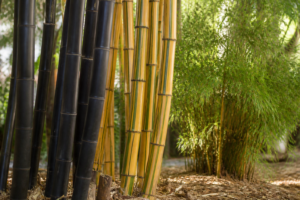
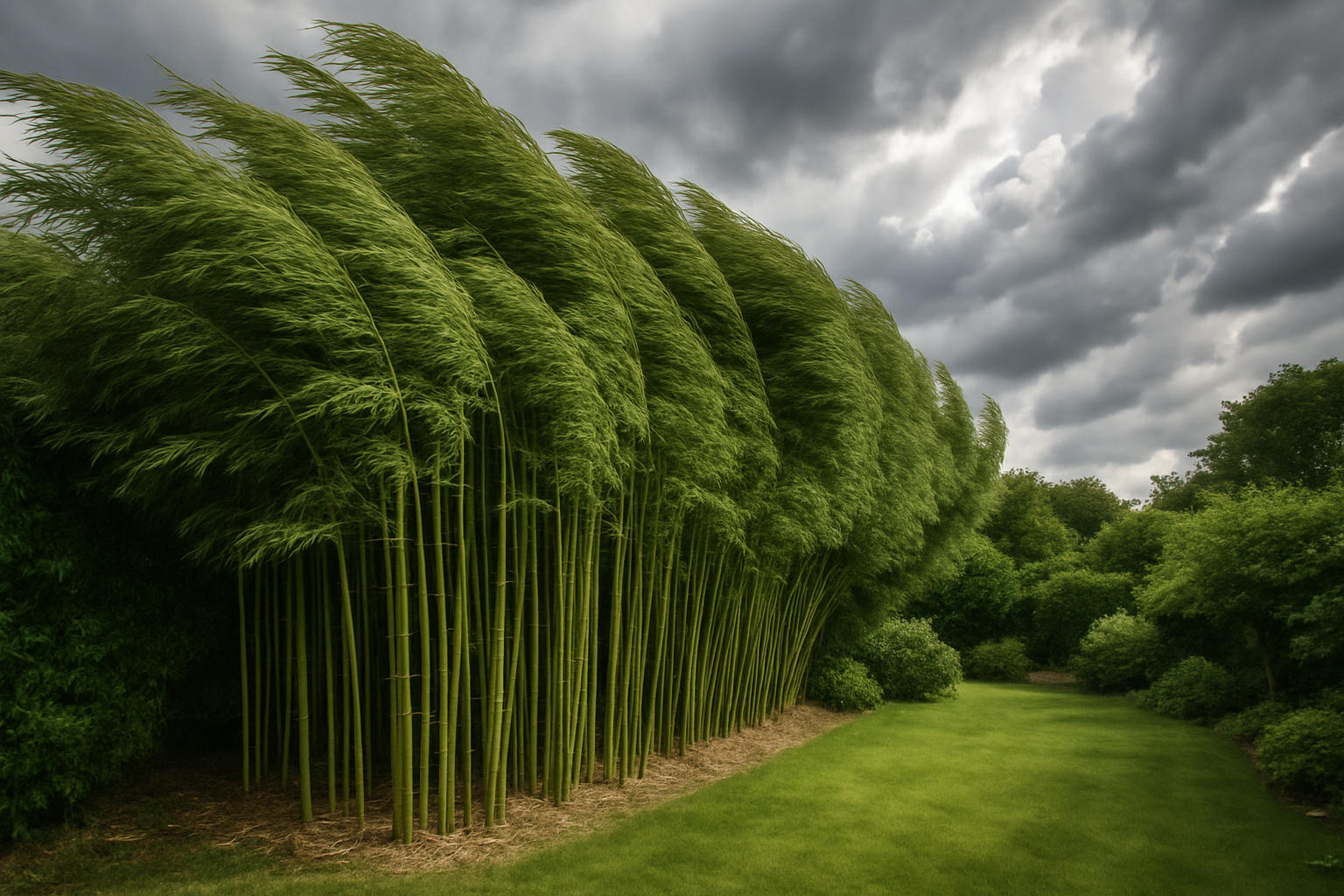
A bamboo windbreak works differently than a solid fence or a brick wall, and that’s actually what makes it so effective. Hard surfaces deflect wind sharply, which can create turbulence and noise on the other side. A dense bamboo grove, on the other hand, acts more like a filter — the canes and leaves absorb and redirect wind energy rather than bouncing it around. The result is a significantly calmer microclimate on the protected side, which also means noticeably reduced noise transmission.
For maximum effectiveness, you’ll want a windbreak that’s at least 1.5 to 2 times taller than whatever you’re trying to protect. Running bamboo varieties (which spread via underground rhizomes) can get extremely tall very quickly, but they require a rhizome barrier to keep them from taking over your lawn — and your neighbor’s lawn, and possibly the street. Clumping bamboo varieties grow in contained, expanding clumps and are much easier to manage for most home gardeners. Both can serve beautifully as a windbreak depending on your goals, space, and patience level.
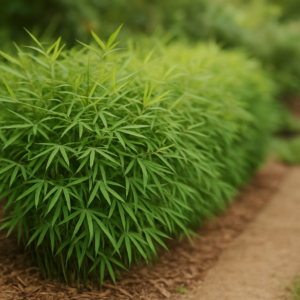
Bamboo also provides a visual privacy screen, a habitat for birds, and an aesthetic that turns a plain fence line into something genuinely beautiful. It’s one of the most hardworking plants you can put in the ground.
Choosing the Right Bamboo for Your Windbreak
Not all bamboo is created equal when it comes to windbreaks, and your climate will play a big role in your decision. Here are some general guidelines to help you pick the right variety:
- Cold hardiness matters: Some bamboo varieties are hardy down to 0°F or below, while others are strictly tropical. Know your USDA hardiness zone before ordering seeds or plants.
- Height goals: For a serious windbreak, you want varieties that will realistically reach 15 to 40+ feet. Giant bamboo species are well-suited to this purpose.
- Running vs. clumping: Running bamboo spreads aggressively and needs a rhizome barrier. Clumping bamboo stays tidy and is generally better for smaller yards.
- Dense canopy: Look for varieties with dense foliage that will actually intercept wind and sound, not just look tall and sparse.
- Growth rate: One of bamboo’s greatest assets is how fast it grows. Many giant varieties will reach significant height within just a few seasons from established plants.
Growing from seed takes patience — it’s slower than planting divisions or nursery plants — but it’s also more affordable and honestly more rewarding. There’s something deeply satisfying about watching a plant you germinated from a tiny seed eventually tower over your fence line.
Starting From Seed: The Only Way to Control Your Windbreak from Day One
Growing bamboo from seed instead of rhizomes gives you a fighting chance to establish a contained, dense windbreak without inheriting someone else’s invasive nightmare. I learned this the hard way after buying bare-root plants that sent runners halfway across my property before I could even dig a proper barrier.
What works
- Seedlings give you a full season to establish containment barriers and root-blocking systems before the canes get aggressive—I buried HDPE barriers around my seed-grown grove with zero runner breakouts in year two.
- You can select exactly which varieties go where, stacking faster-growing giants in the back rows and slower species up front for a tiered windbreak effect that actually matures evenly.
- Starting 420+ seeds means you’ll have plenty of seedlings to thin, transplant, and experiment with—some will fail, but you’ll still end up with a full, dense line without the gap problems I had with expensive nursery stock.
What doesn’t
- Germination rates are inconsistent—even under ideal heat and moisture, expect 40–70% to actually sprout, which means buying in bulk is the only real strategy, not a luxury.
- You’re waiting 18–24 months before your windbreak is tall enough to actually dampen neighborhood noise; if you need immediate screening, you’ll get frustrated fast.
I almost gave up on seeds entirely after my first tray dropped to 30% germination in a cold snap, but switching to a heat mat and these bulk packs changed everything. Grab a pack of 420 Giant Bamboo Seeds for Planting and start your windbreak right.
About This Article

Written by Marcus Chen. Marcus Chen has spent 15 years cultivating and studying bamboo across 14 different species, combining commercial growing operations with extensive hands-on experience in species selection and containment. As both a grower and consultant, he specializes in practical bamboo management, helping homeowners and landscapers understand the real-world requirements for responsible bamboo cultivation. Marcus brings tested knowledge of which species thrive reliably and which present containment challenges that go beyond standard recommendations. More about this site.
Verify this against a primary source
Specifics change, and your situation may differ from the one described here. These are the authorities worth checking directly:
- American Bamboo Society — species listings and cultivation guidance
- USDA PLANTS Database — species range and identification
- USDA Plant Hardiness Zone Map — cold hardiness verification for your location