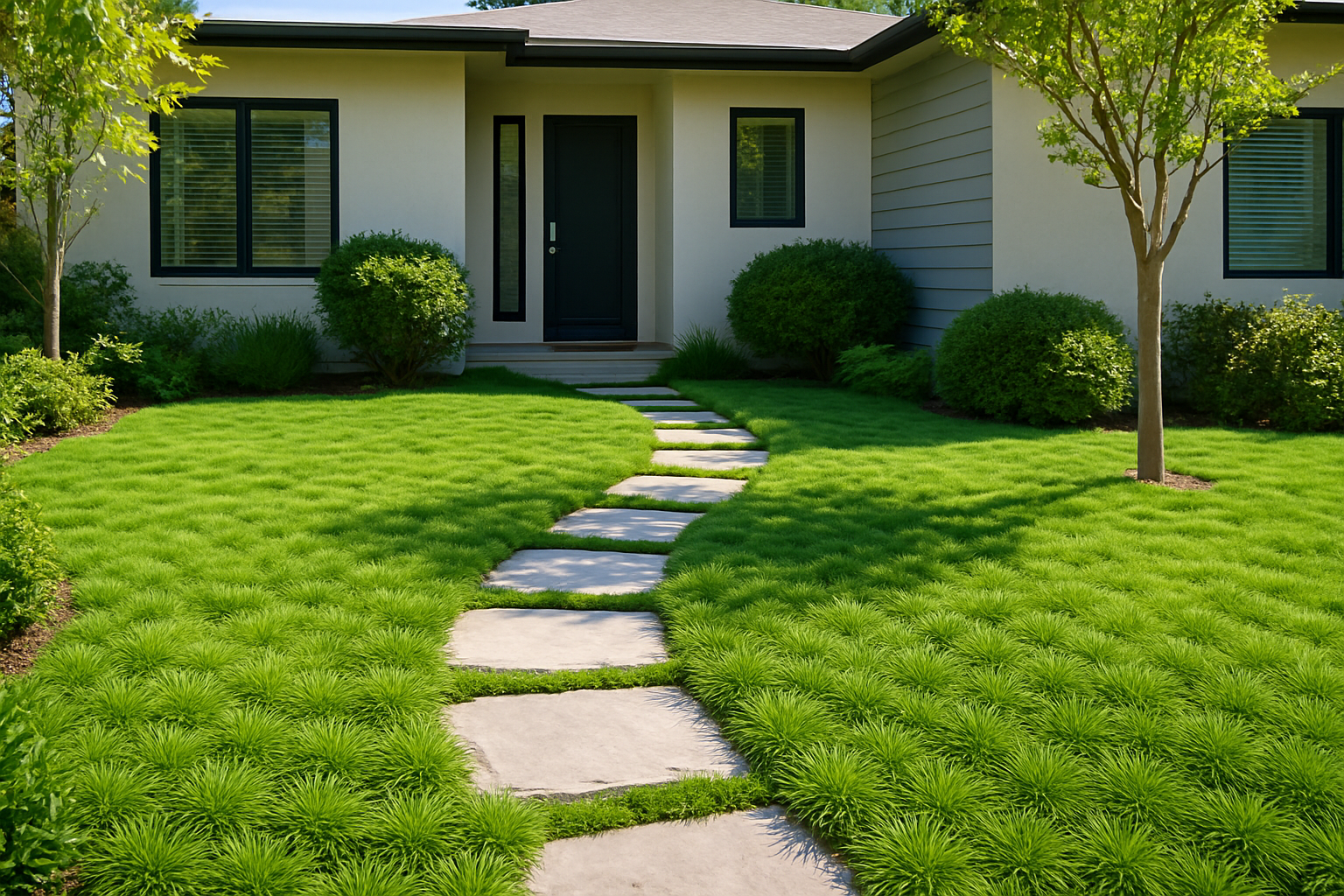
I once tried to remove my front lawn with a butter knife. Not metaphorically — an actual butter knife, because I had somehow convinced myself that “gently loosening the sod edges” was a real technique I had invented. Forty-five minutes later, I was sitting in my driveway covered in dirt, holding a bent utensil, and questioning every decision I had ever made. That was the day I finally got serious about replacing my grass with dwarf bamboo ground cover, and honestly, it turned out to be the best gardening choice I’ve ever stumbled into.
If you’re tired of mowing, watering, and generally babying a lawn that never looks as good as your neighbor’s, you’re in the right place. Dwarf bamboo varieties have transformed my yard into something low-maintenance, genuinely beautiful, and conversation-starting — for all the right reasons now, unlike the butter knife incident.
Why I Finally Gave Up on Grass (And Why You Should Too)
My lawn and I had a complicated relationship. I fed it, I watered it, I rented equipment I didn’t know how to operate. One summer I accidentally scalped an entire section trying to use a dethatching machine I’d watched exactly one YouTube video about. The bald patch lasted two full years. My neighbor Dave would glance at it every time he walked his dog, and I swear that man aged me five years with his sympathetic looks.
When I started researching alternatives, dwarf bamboo kept coming up. And I kept dismissing it, because I had the very common but very wrong assumption that all bamboo is the invasive, take-over-your-yard, break-through-your-foundation kind. Spoiler: it’s not. Dwarf bamboo varieties — particularly clumping types and low-growing running types managed with barriers — are genuinely excellent, well-behaved ground covers that most homeowners can handle with confidence.
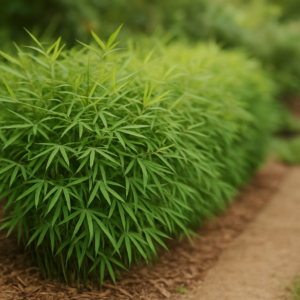
Here’s what finally sold me: dwarf bamboo is evergreen in many climates, grows dense enough to choke out weeds on its own, requires almost no mowing once established, and gives your yard a lush, textured look that plain grass simply can’t match. It handles foot traffic reasonably well, tolerates both sun and partial shade, and once it’s settled in, it’s remarkably drought-tolerant compared to turf grass.
Choosing and Planting Your Dwarf Bamboo Ground Cover
Before you start, a little planning goes a long way. Trust me — I skipped the planning phase and ended up with a butter knife situation. Learn from my mistakes.
Pick the Right Variety for Your Space
For true ground cover use, you want varieties that stay under two feet tall. Pleioblastus pygmaeus (pygmy bamboo) and Sasa veitchii are popular choices. If you’re starting from seed and want to experiment, these two seed packs are great options to have on hand:
- Mixrug Dwarf Green Bamboo Seeds for Planting, 490+ pcs — A generous pack of non-GMO heirloom dwarf bamboo seeds, great for both indoor starts and direct outdoor sowing.
- Bamboo Seeds for Planting, 500+ Dwarf Rare Bamboo Seeds — Another solid option if you want to start a larger coverage area or try a slightly different variety mix.
Keep in mind that growing bamboo from seed is a slower process than planting divisions or rhizome starts, but it’s deeply satisfying and much more affordable for larger areas. Start seeds indoors about 8–10 weeks before your last frost, keep them consistently moist, and be patient — germination can take two to four weeks.
Prepare the Ground Properly (Please, Not With a Butter Knife)
After my initial, embarrassing attempt at sod removal, I rented a proper sod cutter. It took about 90 minutes to do what I had spent an entire afternoon failing at with cutlery. Remove the existing grass, loosen the soil to about six inches, and amend with compost if your soil is compacted or nutrient-poor. Dwarf bamboo isn’t fussy, but it establishes much faster in well-draining, slightly acidic soil.
If you’re planting a running variety — which spreads via underground rhizomes — install a rhizome barrier before you plant. This is non-negotiable. A 24–30 inch deep HDPE barrier around the perimeter of your planting zone will keep things exactly where you want them.
Define Your Borders and Mix In Companion Plantings
Starting From Seed: Why I Still Experiment With New Dwarf Varieties
Growing dwarf bamboo from seed is slower than buying established plants, but it’s the only way to build a truly custom ground cover bed without breaking the bank on large container orders. I still use seeds to test new varieties and fill gaps in my replacement lawn without the sticker shock.
What works
- You get enough seeds to experiment across multiple garden zones without gambling your entire budget on a single variety that might not suit your soil or drainage.
- Seedlings develop stronger root systems than divisions from stressed nursery plants, and they seem more resilient during the critical first two years of establishment.
- Germination rates are surprisingly high if you scarify the seeds lightly and soak them overnight—I’ve gotten 60–70% viability consistently on multiple batches.
What doesn’t
- Seeds take 2–3 seasons to reach ground-cover density, so this isn’t a solution if you need instant results or have impatient neighbors like mine.
- You’ll spend your first year babying seedlings indoors under lights and then hardening them off before transplanting—it’s not a set-and-forget approach like buying established clumps.
I almost gave up on seeds entirely after my first batch rotted in an overwatered tray, but I adjusted my moisture control and haven’t looked back since. If you’re willing to be patient and hands-on for one season, grab a pack of Bamboo Seeds for Planting, 500+ Dwarf Rare Bamboo Seeds.
About This Article

Written by Marcus Chen. Marcus Chen has spent 15 years cultivating and studying bamboo across 14 different species, combining commercial growing operations with extensive hands-on experience in species selection and containment. As both a grower and consultant, he specializes in practical bamboo management, helping homeowners and landscapers understand the real-world requirements for responsible bamboo cultivation. Marcus brings tested knowledge of which species thrive reliably and which present containment challenges that go beyond standard recommendations. More about this site.
Verify this against a primary source
Specifics change, and your situation may differ from the one described here. These are the authorities worth checking directly:
- American Bamboo Society — species listings and cultivation guidance
- USDA PLANTS Database — species range and identification
- USDA Plant Hardiness Zone Map — cold hardiness verification for your location