Understanding Bamboo Regulations Across America
Bamboo offers stunning beauty and rapid growth for landscaping projects. However, property owners must navigate complex regulations before planting. These rules vary significantly from state to state and even between municipalities. Understanding your local requirements can save you from costly fines and legal disputes.
Many homeowners discover regulations too late. They plant bamboo only to face removal orders or penalties. Therefore, researching your area’s specific rules becomes essential before making any planting decisions.
Why States Regulate Bamboo Growth
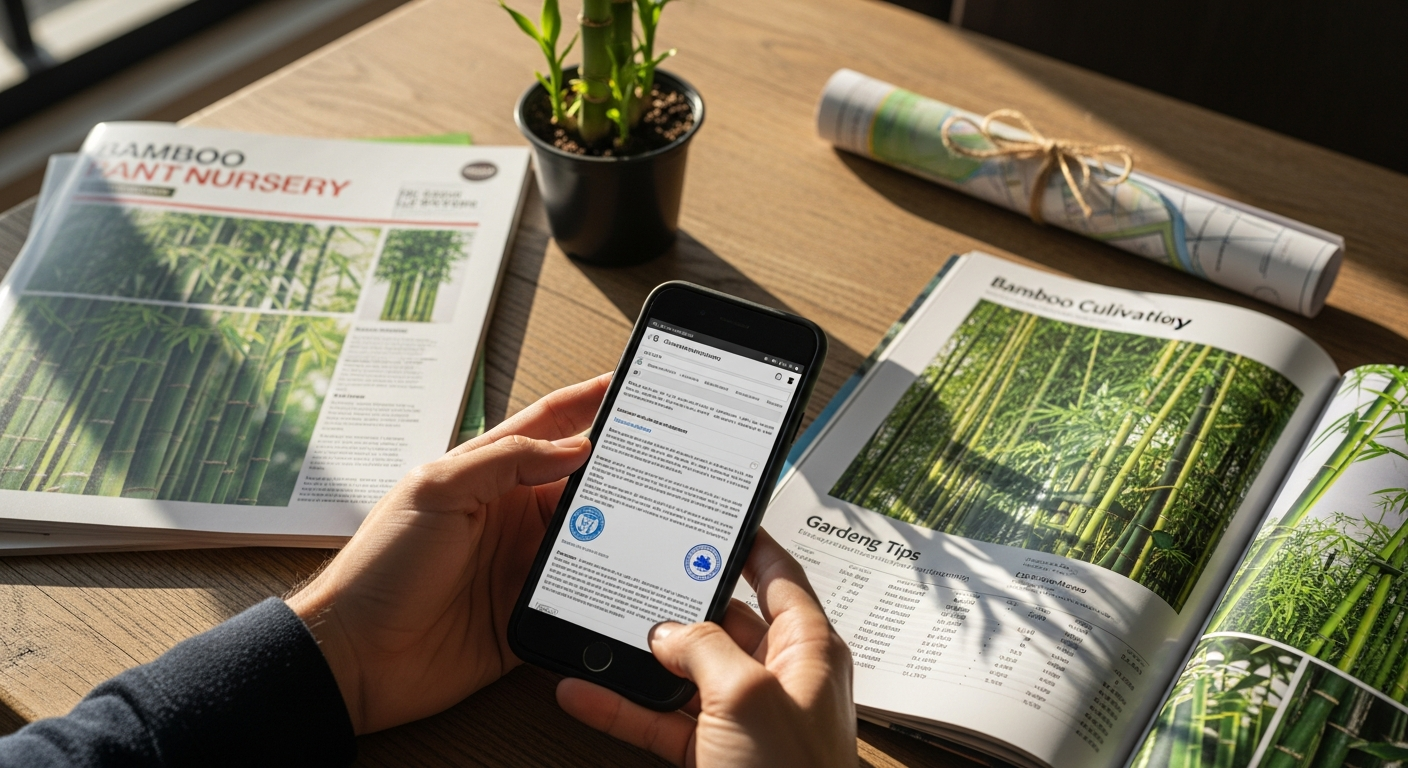
Bamboo’s aggressive spreading nature creates serious concerns for legislators. Running bamboo species can invade neighboring properties within months. Consequently, state and local governments implement restrictions to protect property owners from unwanted encroachment.
The plant’s rhizome system travels underground rapidly. Source These underground stems can extend 15 to 20 feet from the original planting site. Moreover, bamboo shoots can damage foundations, driveways, and underground utilities.
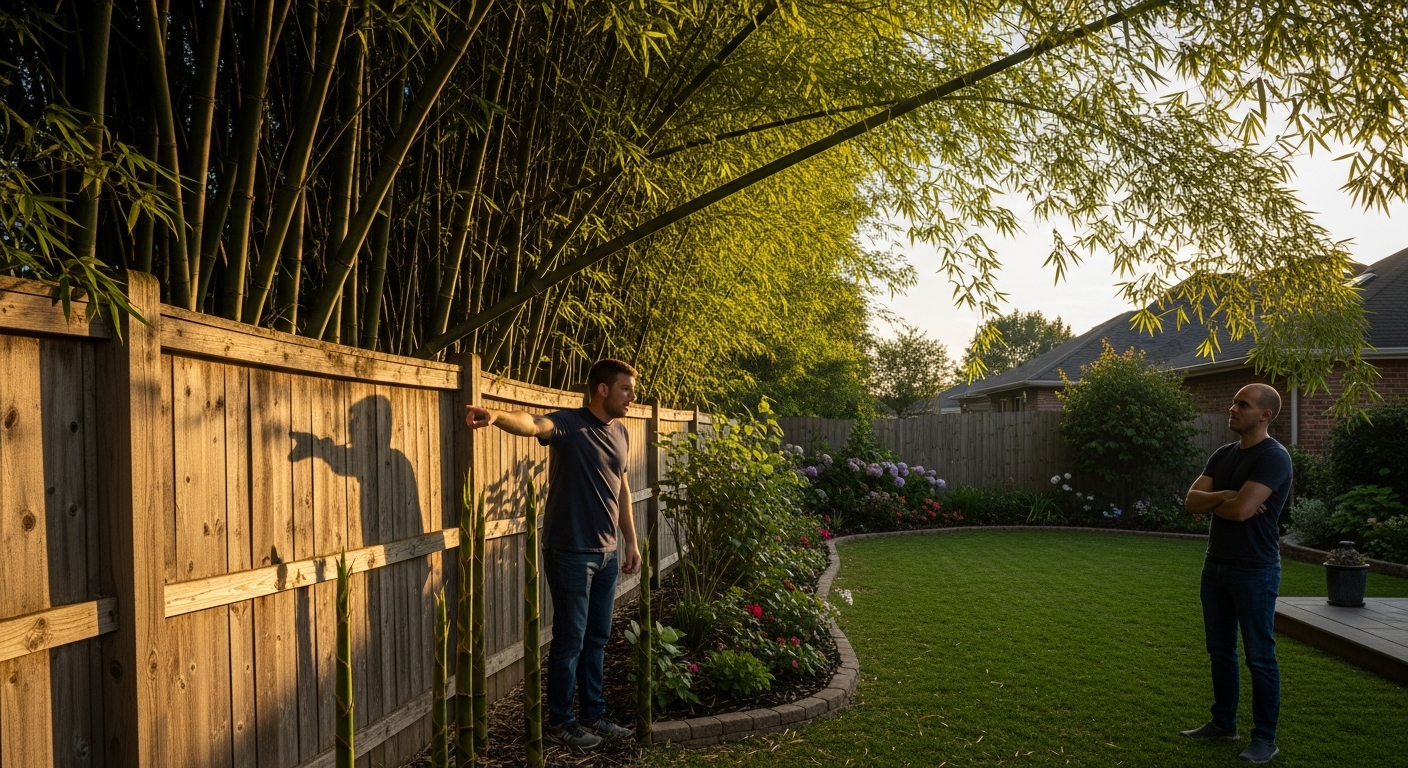
Property disputes frequently arise when bamboo crosses boundaries. Neighbors face expensive removal costs when invasive species enter their yards. Additionally, bamboo can reduce property values if it becomes uncontrollable. These factors drive regulatory frameworks across the country.
States With Comprehensive Bamboo Bans
Several states have enacted statewide prohibitions on certain bamboo varieties. Connecticut leads with strict regulations against running bamboo species. The state classifies these varieties as invasive plants requiring special permits or complete prohibition.
New York similarly restricts bamboo cultivation in specific regions. The state focuses on protecting natural ecosystems from invasive species. Furthermore, these regulations aim to preserve native plant communities and prevent ecological damage.
Other states maintain watchlists for potentially invasive bamboo species. However, they stop short of complete bans. Instead, these jurisdictions require notification or registration before planting.
Penalties for Non-Compliance
Violating state bamboo regulations carries significant financial consequences. Connecticut imposes fines ranging from $500 to $2,000 for initial violations. Repeat offenders face escalating penalties that can reach $5,000 or more.
New York’s penalty structure varies by county and municipality. Some areas charge daily fines until property owners remove the offending plants. Others impose lump-sum penalties based on the extent of the violation.
What We Recommend
If you’re in a state that allows running bamboo but requires containment barriers, quality root barriers like these 20ft options are essential for keeping your plants in check and staying compliant with local regulations. We’ve found that a sturdy, heavy-duty barrier prevents the headaches—and fines—that come with unchecked rhizome spread.
For larger bamboo gardens or commercial operations, extended-length root barriers like the 50ft versions give you the perimeter protection needed to meet state requirements without gaps or weak points. Here at TerraBamboo, we recommend sizing up rather than cutting corners when it comes to containment.
Once you’ve confirmed your local regulations and selected your bamboo variety, landscape edging helps define and reinforce your growing boundaries. This added layer works alongside barriers to create a professional, well-maintained garden that demonstrates you’re taking compliance seriously.
For maintenance and containment management, a quality root cutter tool makes it easier to trim back any escaped rhizomes and keep your bamboo within its designated zone, ensuring you stay on the right side of local growing laws.
Additionally, courts may order mandatory removal at the owner’s expense. This process can cost thousands of dollars depending on the infestation’s severity. Property owners might also face civil lawsuits from affected neighbors seeking damages.
Municipal Ordinances and Local Rules
Many cities and counties create their own bamboo regulations. These local ordinances often exceed state requirements in strictness. Therefore, checking both state and local rules becomes crucial before planting.
Some municipalities require permits for any bamboo installation. Others mandate specific containment methods like underground barriers. Meanwhile, certain areas prohibit bamboo entirely within city limits.
Local regulations typically address several key concerns. They specify setback distances from property lines. They also outline maintenance responsibilities and inspection requirements. Furthermore, they establish enforcement mechanisms for violations.
Common Setback Requirements
Most jurisdictions require substantial distances between bamboo plantings and property boundaries. These setback requirements typically range from 40 to 100 feet. The exact distance depends on the bamboo species and local conditions.
Running bamboo varieties face stricter setback rules than clumping types. Some areas require 100-foot buffers for aggressive species. In contrast, clumping bamboo might only need 20 to 30 feet of clearance.
Setback measurements usually start from the property line itself. However, some ordinances measure from structures or utilities instead. Always verify the specific measurement method your municipality uses.
Containment and Barrier Requirements
Many jurisdictions allow bamboo cultivation with proper containment systems. These barriers must meet specific construction standards to receive approval. Understanding these requirements helps ensure compliance from the start.
Barriers typically need to extend 24 to 36 inches deep underground. They should also rise 2 to 4 inches above ground level. Moreover, the material must resist root penetration for many years.
High-density polyethylene (HDPE) barriers work best for containment. These materials resist degradation and root penetration effectively. Additionally, they should be at least 60 mils thick for adequate protection.
Installation Standards
Proper installation determines barrier effectiveness over time. The barrier should form a complete circle around the planting area. Overlapping seams by at least 12 inches prevents rhizome escape.
Some municipalities require professional installation and certification. They may also mandate annual inspections to verify barrier integrity. Furthermore, property owners must maintain clear documentation of their containment systems.
Failure to install barriers correctly can void any permits. It may also increase liability if bamboo escapes onto neighboring properties. Therefore, following installation guidelines precisely protects your investment and legal standing.

Clumping vs. Running Bamboo Distinctions
Regulators treat clumping and running bamboo species very differently. Clumping varieties grow in tight clusters with minimal spreading. Consequently, they face fewer restrictions in most jurisdictions.
Running bamboo sends rhizomes far from the parent plant. This aggressive growth pattern makes them the primary regulatory target. Many areas ban running varieties while permitting clumping types freely.
Identifying your bamboo species correctly becomes essential for compliance. Mislabeling can lead to violations even with good intentions. Always verify species classification before purchasing plants.
Popular Clumping Varieties
Fargesia species represent the most common clumping bamboo types. These cold-hardy plants suit northern climates well. Moreover, they rarely trigger regulatory concerns due to their compact growth.
Bambusa varieties also grow in clumps rather than spreading aggressively. They thrive in warmer regions and offer excellent screening. Additionally, they typically receive approval even in restrictive areas.
Dendrocalaimus species provide another clumping option for large-scale projects. These giant bamboos create impressive visual statements. However, their size may trigger height restrictions in some municipalities.
Permit Application Processes
Understanding the Permit Application Process
Navigating the bamboo permit system requires careful attention to local regulations. Most municipalities handle these requests through their planning departments. However, some regions assign this responsibility to environmental or agricultural offices instead. Therefore, identifying the correct department is your crucial first step.
Initial Contact and Information Gathering
Start by calling your local planning or zoning department during business hours. Ask specifically about bamboo planting regulations in your area. Additionally, inquire whether your property falls under special zoning classifications. For example, residential zones often have stricter requirements than agricultural properties.
During this initial conversation, request the following information:
- Application forms specific to bamboo or invasive species planting
- Complete list of required documentation
- Current processing fees and payment methods
- Estimated timeline for permit approval
- Contact information for the assigned case reviewer
Documentation Requirements
Most jurisdictions require substantial documentation beyond basic application forms. Consequently, you should prepare several key items in advance. Property surveys showing exact planting locations are typically mandatory. Furthermore, authorities often request detailed planting plans indicating bamboo species and containment methods.
Many departments also require written consent from adjacent property owners. This proves you’ve notified neighbors about your bamboo planting intentions. Moreover, some areas mandate proof of liability insurance coverage. This protects against potential property damage from bamboo spread.
Professional Consultation Options
Consider hiring a local land-use attorney or permit expediter for complex situations. These professionals understand regional requirements thoroughly. Meanwhile, they can identify potential application issues before submission. As a result, your approval process typically moves faster with fewer complications.
Applications typically require site plans showing proposed planting locations. You must also specify the bamboo species and containment methods. Furthermore, some jurisdictions require neighbor notification or consent.
Processing times vary from a few days to several months. Plan accordingly before purchasing plants or beginning installation. Additionally, permit fees range from $50 to $500 depending on your location.
Required Documentation
Most permit applications need detailed property surveys. These documents establish exact distances from boundaries and structures. Professional surveys may be necessary for complex properties.
You should also provide species identification documentation from reputable sources. Nursery receipts or botanical certifications work well for this purpose. Meanwhile, some areas require photographs of the proposed planting site.
Containment system specifications must meet local standards. Include barrier material specifications, installation depth, and maintenance plans. Detailed documentation increases approval likelihood significantly.

Liability and Property Disputes
Financial Impact of Bamboo Disputes
Property disputes involving bamboo cost homeowners thousands of dollars each year. Legal fees quickly accumulate when neighbors take formal action. Attorney consultations alone can range from $200 to $500 per hour. Furthermore, court filing fees add hundreds more to the total expense. Many cases require expert witnesses to testify about bamboo growth patterns. These specialists charge premium rates for their testimony and reports.
Additionally, property damage assessments contribute to mounting costs. Professional evaluators must document the extent of bamboo intrusion. Consequently, homeowners often face bills exceeding $5,000 before reaching any resolution. Some disputes escalate into multi-year legal battles. These prolonged cases can drain savings accounts and retirement funds.
Homeowner Responsibilities and Liability
Property owners maintain full accountability for their bamboo plantings. This responsibility exists whether local ordinances specifically address bamboo or not. Therefore, planting bamboo creates an ongoing maintenance obligation. Owners must implement proper containment measures from the start.
However, many homeowners underestimate this commitment. They assume occasional trimming will suffice for control. In reality, running bamboo species require constant vigilance. Root barriers need regular inspection for breaches or damage. Moreover, rhizomes can travel 15 to 20 feet horizontally in a single growing season.
For example, a homeowner in Oregon faced a $12,000 lawsuit after their bamboo invaded three neighboring properties. The court held them liable despite having no local bamboo ordinance. Similarly, insurance policies typically exclude coverage for bamboo-related property damage. As a result, owners pay all remediation costs out of pocket.
Long-Term Relationship Damage
Bamboo encroachment destroys neighborhood harmony in ways that persist for decades. Initial complaints often receive dismissive responses from bamboo owners. This attitude breeds resentment and erodes trust between neighbors. Meanwhile, the bamboo continues spreading beneath property lines.
Furthermore, affected neighbors feel violated when invasive plants overtake their yards. They watch helplessly as bamboo shoots emerge through their lawns and gardens. Consequently, casual friendships transform into hostile standoffs. Property values in both yards may decline due to the ongoing dispute.
In contrast, neighbors who previously helped each other avoid all contact. They stop attending community events and block each other on social media. Additionally, these conflicts often involve multiple properties on a street. Therefore, entire neighborhoods can fracture over a single bamboo planting.
Community-Wide Effects
The damage extends beyond immediately adjacent properties. Other neighbors feel compelled to take sides in the dispute. Moreover, potential homebuyers avoid streets with known bamboo problems. Real estate agents must disclose these issues during property sales. As a result, the entire block’s reputation suffers lasting harm.
Courts generally hold property owners liable for bamboo encroachment damages. This includes removal costs, property damage, and lost property value. Moreover, some jurisdictions impose punitive damages for negligent bamboo management.
Homeowner’s insurance policies rarely cover bamboo-related claims. Therefore, property owners face out-of-pocket expenses for disputes. Prevention through proper planning and containment saves money long-term.
Neighbor Notification Best Practices
The Importance of Transparency
Neighbors often associate all bamboo with uncontrollable spread. Therefore, they may panic if they see you planting it without context. Open dialogue allows you to address these specific fears immediately. You can explain the specific species you have chosen to plant. For example, distinguishing between clumping and running varieties is crucial. This knowledge often de-escalates potential conflict before it begins.
Additionally, silence can be misinterpreted as negligence. If you plant secretly, neighbors might assume you do not care about encroachment. However, a brief conversation demonstrates respect for their property rights. It shows you are aware of the risks and are managing them. Consequently, this small gesture builds a foundation of trust.
Demonstrating Responsible Management
Beyond just talking, show your neighbors your physical containment plan. Visual aids can be incredibly persuasive during these discussions.
- Show the barrier: Display the high-quality rhizome barrier you will install.
- Explain the depth: Mention that the barrier goes 30 inches deep.
- Discuss maintenance: Commit to checking the fence line twice a year.
Furthermore, these actions prove you are a responsible homeowner. They see that you value their property as much as your own. As a result, the bamboo becomes a shared landscape feature rather than a threat.
Avoiding Legal Nuisance Claims
Many legal battles start because a neighbor feels ignored or disrespected. In contrast, a friendly heads-up can prevent expensive “nuisance” lawsuits. If a neighbor feels included, they are less likely to call a lawyer later. Moreover, they may even enjoy the added privacy the bamboo provides.
Finally, keeping a record of these conversations is wise. It documents your intent to manage the plant properly. You might even share a written maintenance schedule with them. Thus, you create a paper trail of your due diligence. This evidence is valuable if a disagreement ever escalates.
Share your containment plans and maintenance schedule with adjacent property owners. Offer to address concerns before installation begins. Additionally, provide contact information for ongoing communication.
Some property owners create written agreements with neighbors. These documents outline responsibilities and dispute resolution processes. While not always legally required, they provide valuable protection.
Regional Variations in Enforcement
The Reality of Proactive Enforcement
Municipalities with strict “running bamboo” ordinances often take a hardline approach. For example, densely populated suburbs frequently employ code enforcement officers. These officials actively patrol neighborhoods looking for uncontained groves. Consequently, you might receive a violation notice without a neighbor ever complaining.
Penalties in these strict zones can be severe. Fines often accrue daily until the bamboo is removed completely. Additionally, the city may hire contractors to remove the plant forcefully. Then, they place a lien on your property for the cost. Therefore, ignorance of these specific local statutes is a financial risk.
Complaint-Based Systems
Conversely, many areas lack the budget for active patrols. Here, the law functions primarily as a dispute resolution tool. Therefore, enforcement remains dormant until a formal grievance is filed. This approach puts the burden on the community.
Usually, this process begins when bamboo shoots breach a property line. Once a neighbor reports the encroachment, an official investigation triggers. As a result, the bamboo owner becomes liable for abatement costs.
Common triggers for investigations include:
- Rhizomes cracking a neighbor’s driveway or patio.
- Shoots appearing unexpectedly in an adjoining lawn.
- Bamboo blocking public sidewalks or road sightlines.
- Debris falling into a neighbor’s swimming pool.
Civil Liability Concerns
Even if your town does not issue citations, you remain at risk. In areas with weak municipal enforcement, neighbors often turn to civil courts. Consequently, they may sue for property damage or “loss of enjoyment.”
Legal fees in these disputes can quickly exceed the cost of removal. Furthermore, judges may order you to pay for your neighbor’s restoration costs. Thus, simply avoiding a municipal fine does not guarantee safety. Installing a root barrier is always cheaper than a lawsuit.
Western states often enforce bamboo regulations more strictly than eastern regions. This reflects different ecological concerns and invasive species priorities. However, enforcement can vary even within individual states.
Understanding your area’s enforcement approach helps gauge compliance importance. Contact local code enforcement offices for information about their practices. They can explain inspection procedures and violation responses.
Compliance Monitoring Systems
Modern Detection Methods for Bamboo Violations
Local governments increasingly rely on advanced surveillance technology to monitor vegetation compliance. Municipal code enforcement departments now employ sophisticated aerial imaging systems. These tools provide comprehensive coverage of residential and commercial properties. Furthermore, they eliminate the need for physical inspections in many cases.
High-resolution satellite photography captures detailed images of property landscapes from space. These images reveal distinctive bamboo grove patterns with remarkable clarity. Dense clumps and linear spreading formations become immediately visible to trained inspectors. Additionally, thermal imaging can distinguish bamboo from native vegetation through heat signature analysis.
Property Line Monitoring Through Technology
Geographic Information Systems (GIS) overlay property boundaries onto aerial photographs. This technology enables officials to identify encroachment violations with pinpoint accuracy. For example, bamboo spreading beyond property lines appears clearly in layered mapping software. Consequently, enforcement officers can document violations without setting foot on the property.
Moreover, seasonal comparison imagery tracks bamboo expansion rates over time. Officials compare photographs from different months or years. This reveals how quickly invasive species spread into neighboring yards or protected areas. Therefore, municipalities can issue citations before complaints arise from affected neighbors.
Proactive Enforcement Implications
Automated detection systems flag potential violations for human review. Many jurisdictions now conduct regular aerial surveys of entire neighborhoods. As a result, property owners face citations even when neighbors remain unaware of encroachment. This proactive approach significantly increases enforcement efficiency across large geographic areas.
Other areas conduct periodic neighborhood surveys for invasive species. Code enforcement officers document bamboo plantings during routine inspections. These proactive approaches increase detection likelihood significantly.
Property sales often trigger bamboo compliance reviews. Buyers may discover violations during due diligence investigations. Therefore, addressing compliance issues before selling protects transaction completion.
Steps for Legal Bamboo Cultivation
Navigating State and Local Bureaucracy
Planting bamboo without verifying the law is a risky financial move. You could face steep fines or expensive removal orders. Therefore, performing due diligence is absolutely essential before you buy. Ignorance of these regulations is rarely accepted as a valid legal defense.
Start your investigation by identifying the exact bamboo species. Scientific names are crucial here. For example, many states specifically ban the genus Phyllostachys. However, they may allow clumping varieties like Fargesia. Knowing the botanical name helps you get accurate answers from officials.
Contacting State Agencies
Your first official stop is your state’s Department of Agriculture. They manage the master lists of noxious weeds and invasive plants. Currently, many states classify running bamboo as a significant environmental threat.
Visit their official government website first. Search for documents titled “Invasive Species List” or “Noxious Weed List.” Furthermore, do not hesitate to call their office directly. Ask specifically if your desired bamboo species is prohibited or restricted.
Understanding Municipal Ordinances
Local rules are often much stricter than state laws. Consequently, a species might be legal in the state but banned in your town. Municipalities frequently enact specific zoning codes to prevent property disputes.
For instance, your town might require a physical containment system. This usually involves installing a heavy-duty root barrier. Additionally, strict setback rules often apply. You may need to plant bamboo at least 10 to 40 feet from property lines.
Key Local Departments to Contact:
- Zoning Board: Ask about setbacks and containment barriers.
- Code Enforcement: Verify current fines for non-compliance.
- Environmental Commission: Check for restrictions near wetlands or waterways.
Finally, always get these regulations in writing. Print out the relevant codes or save the emails. This documentation protects you if neighbors complain later.
Choose appropriate bamboo species for your climate and regulations. Clumping varieties offer the safest option in most jurisdictions. Meanwhile, running bamboo requires extensive containment and monitoring.
Install proper barriers according to local specifications before planting. Use high-quality materials and professional installation when possible. Additionally, maintain detailed records of all compliance measures.
Monitor your bamboo regularly for signs of spreading or barrier failure. Annual inspections help catch problems before they become violations. Furthermore, maintain open communication with neighbors about your bamboo management.
Conclusion: Navigating Bamboo Regulations Successfully
Navigating Bamboo Ordinances
Bamboo laws vary significantly across the United States. Consequently, these rules aim to balance ecological safety with landscaping freedom. Many regions specifically target running bamboo due to its aggressive growth habits. However, clumping varieties often face fewer restrictions. Therefore, knowing the botanical difference is vital for legal compliance.
Most regulations focus on containment methods rather than total bans. For example, some states require installing an impenetrable barrier around the root system. This usually involves placing a heavy-duty plastic shield deep into the soil. As a result, the plant remains on your property without spreading elsewhere.
Financial Risks of Non-Compliance
Ignoring local ordinances can lead to severe financial consequences. For instance, some municipalities impose daily fines for uncontained encroachment. Additionally, you might face civil lawsuits from neighbors if rhizomes invade their yards.
Consider these potential costs associated with illegal planting:
- Removal Fees: Professional excavation often costs thousands of dollars.
- Legal Fines: Daily penalties can accumulate quickly.
- Property Damage: Roots may destroy foundations, driveways, or pipes.
Thus, proactive planning is always cheaper than reactive mitigation. Protecting your wallet is just as important as protecting your garden.
Steps for Thorough Research
Proper due diligence requires looking beyond just state-level legislation. Frequently, town councils or Homeowners Associations (HOAs) enforce stricter bans than the state. You should consult your local county clerk or agricultural extension office first.
Furthermore, always verify the specific genus and species before buying. Labels at nurseries can sometimes be misleading or incomplete. This simple step ensures you plant a compliant, non-invasive variety. Ultimately, a little homework ensures your bamboo garden remains a joy rather than a burden.
Compliance involves choosing appropriate varieties and installing proper containment. It also requires ongoing maintenance and monitoring. However, these efforts enable you to enjoy bamboo’s benefits legally and responsibly.
Consult local authorities when questions arise about specific requirements. Professional landscapers familiar with bamboo regulations can also provide valuable guidance. With proper planning and execution, you can successfully grow bamboo while respecting legal boundaries and neighbor relationships.
*As an Amazon Associate, I earn from qualifying purchases.