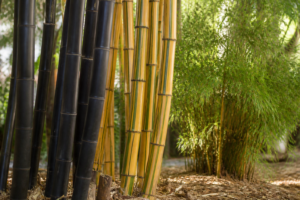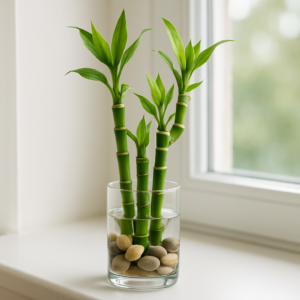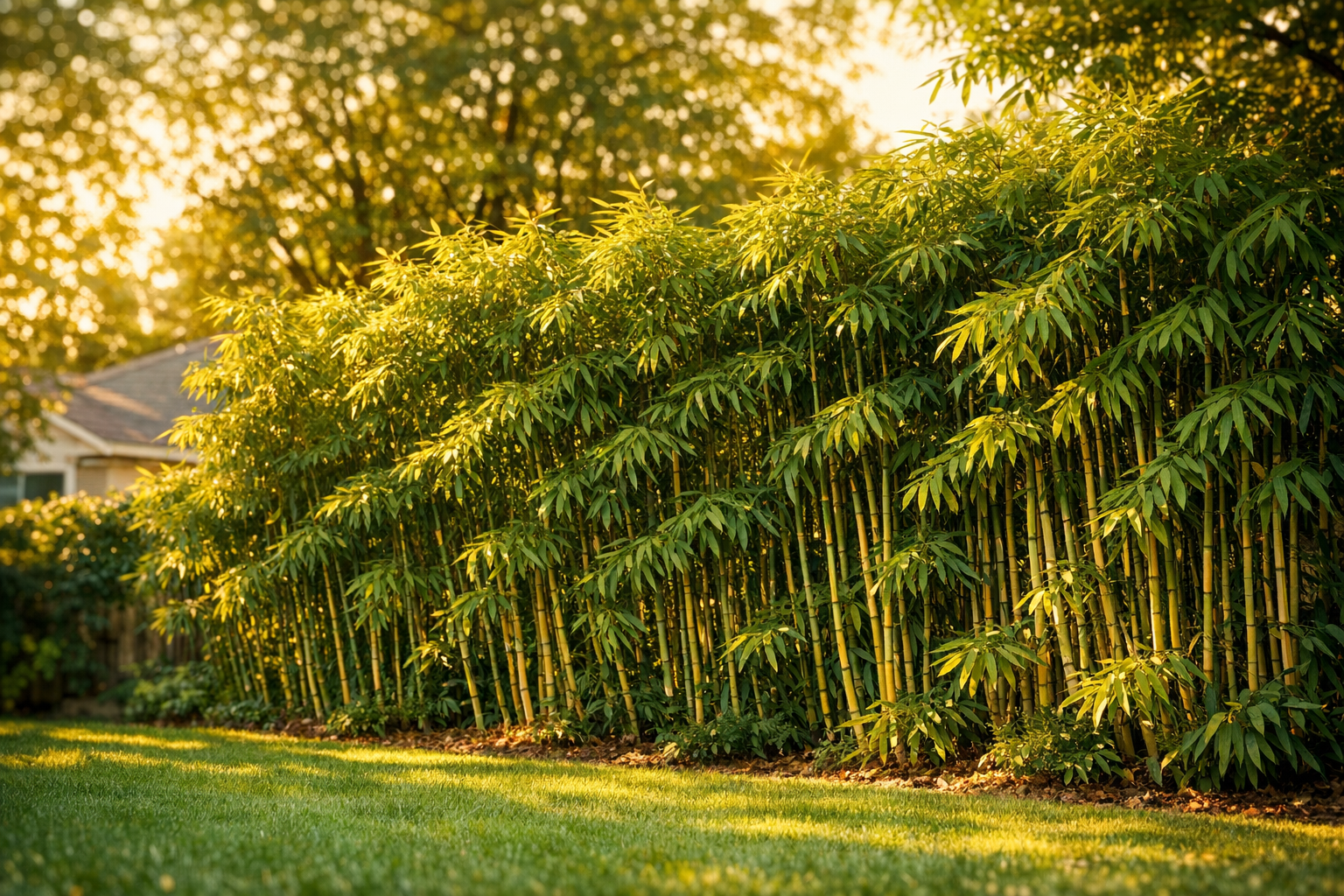
Understanding bamboo laws can feel overwhelming. Each state approaches this fast-growing plant differently. Some welcome it, while others restrict specific varieties.
Why States Regulate Bamboo
Bamboo grows incredibly fast, sometimes reaching three feet per day during peak season. Source This rapid growth makes it attractive for privacy screens and landscaping. However, it also raises concerns about invasiveness.
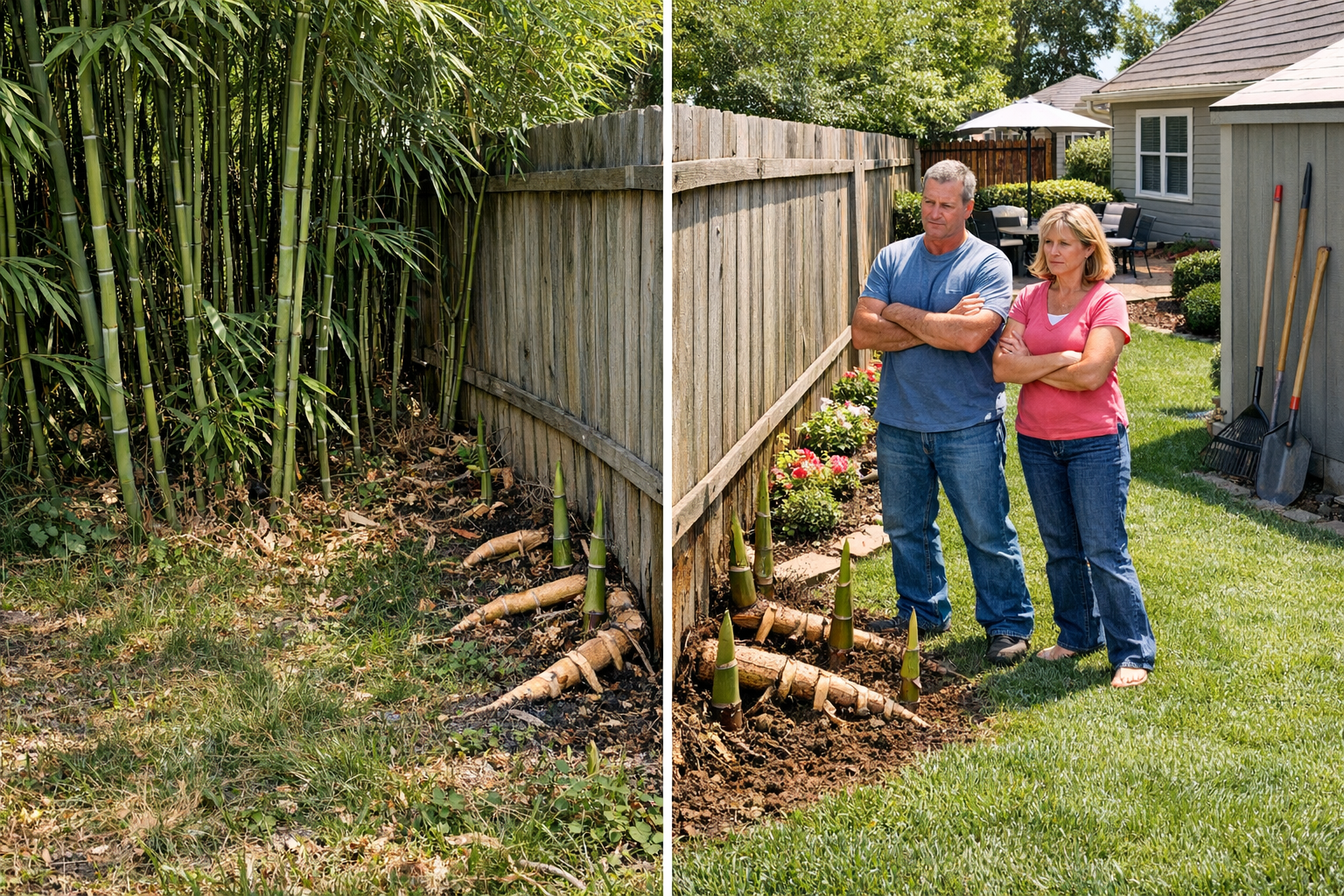
Running bamboo varieties spread through underground rhizomes. These rhizomes can travel significant distances from the original planting site. Consequently, they may invade neighboring properties or natural ecosystems. States regulate bamboo to prevent environmental damage and property disputes.
States with Complete Bamboo Bans
Very few states implement total bamboo bans. Most regulations target specific species rather than all bamboo varieties. Nevertheless, understanding which states have the strictest rules helps you plan accordingly.
Currently, no state has enacted a complete ban on all bamboo species. However, some municipalities within states have created local ordinances. These local rules may prohibit bamboo planting entirely within city limits.
Northeast Region Regulations
Understanding the Northeast’s Regulatory Climate
In the Northeastern United States, legislation often targets human behavior rather than the plant itself. Legislators understand that bamboo serves as an effective, fast-growing privacy screen. However, they also recognize the significant damage caused by unchecked growth. Therefore, the legal focus shifts primarily to containment and responsibility. Property owners must usually keep their plantings within specific physical boundaries. This prevents encroachment onto neighboring lands or protected public spaces. Consequently, the burden of management falls squarely on the gardener.
Connecticut serves as a prime example of this liability-based model. The state does not ban the possession of the plant outright. Instead, it imposes strict liability on the grower. If running bamboo crosses a property line, the owner pays for the removal costs. Additionally, they are liable for any associated physical damages to structures. This approach encourages responsible cultivation without completely removing consumer choice.
New York’s Classification System
New York utilizes a distinct classification system to manage environmental risks. The Department of Environmental Conservation maintains a detailed prohibited and regulated invasive species list. This list dictates what nurseries can sell to the public.
- Prohibited Species: These cannot be sold, imported, purchased, or transported.
- Regulated Species: These can be possessed but not knowingly introduced into wild, free-living states.
- Golden Bamboo (Phyllostachys aurea): Listed as Prohibited under 6 NYCRR Part 575 — it cannot be sold, purchased, imported, transported, introduced or propagated in New York.
Consequently, nurseries must label plants accurately to inform consumers of potential risks. This ensures that buyers understand the long-term commitment required.
The Root Barrier That Finally Stopped My Running Bamboo from Crossing the Property Line
If you’re growing running bamboo in a state that allows it, containment isn’t optional—it’s survival. Those underground rhizomes won’t respect property lines, fence posts, or your neighbor’s patience, and by the time you notice a shoot emerging ten feet away, it’s already too late to stop it.
What works
- The 60mil thickness actually stops rhizomes cold—I’ve dug down after two seasons and found runners pressed hard against the barrier with zero breakthrough holes.
- Installation is straightforward enough for a DIY grower: bury it 24–36 inches deep, angle the top edge outward slightly, and the bamboo stays contained without constant vigilance.
- At 50 feet long, you can protect a real perimeter or create multiple containment zones without ordering four rolls—one barrier covers most residential planting areas.
What doesn’t
- Installation labor is real—digging a 24-inch trench around your bamboo patch takes a weekend, not an afternoon, and the barrier itself is heavy enough that you’ll want a helper.
- Over time (3+ years), soil settling and freeze-thaw cycles can create small gaps at joints if they’re not sealed properly with rhizome-blocking tape, leaving you with false confidence.
I had one moment of panic after year two when I found a single shoot just outside the barrier line and thought the whole system had failed, but it traced back to a joint gap I’d neglected during installation—not a barrier failure. If you’re serious about containment in a state where bamboo is regulated, grab the 50ft 24in 60mil Tree Root Barrier and seal every seam.
About This Article

Written by Marcus Chen. Marcus Chen has spent 15 years cultivating and studying bamboo across 14 different species, combining commercial growing operations with extensive hands-on experience in species selection and containment. As both a grower and consultant, he specializes in practical bamboo management, helping homeowners and landscapers understand the real-world requirements for responsible bamboo cultivation. Marcus brings tested knowledge of which species thrive reliably and which present containment challenges that go beyond standard recommendations. More about this site.
Verify this against a primary source
Specifics change, and your situation may differ from the one described here. These are the authorities worth checking directly:
- American Bamboo Society — species listings and cultivation guidance
- USDA PLANTS Database — species range and identification
- USDA Plant Hardiness Zone Map — cold hardiness verification for your location