This post contains affiliate links. As an Amazon Associate, I earn from qualifying purchases at no extra cost to you.
I Tested the Beta Bucks Bamboo Bonsai Forest Kit: Six-Month Honest Review
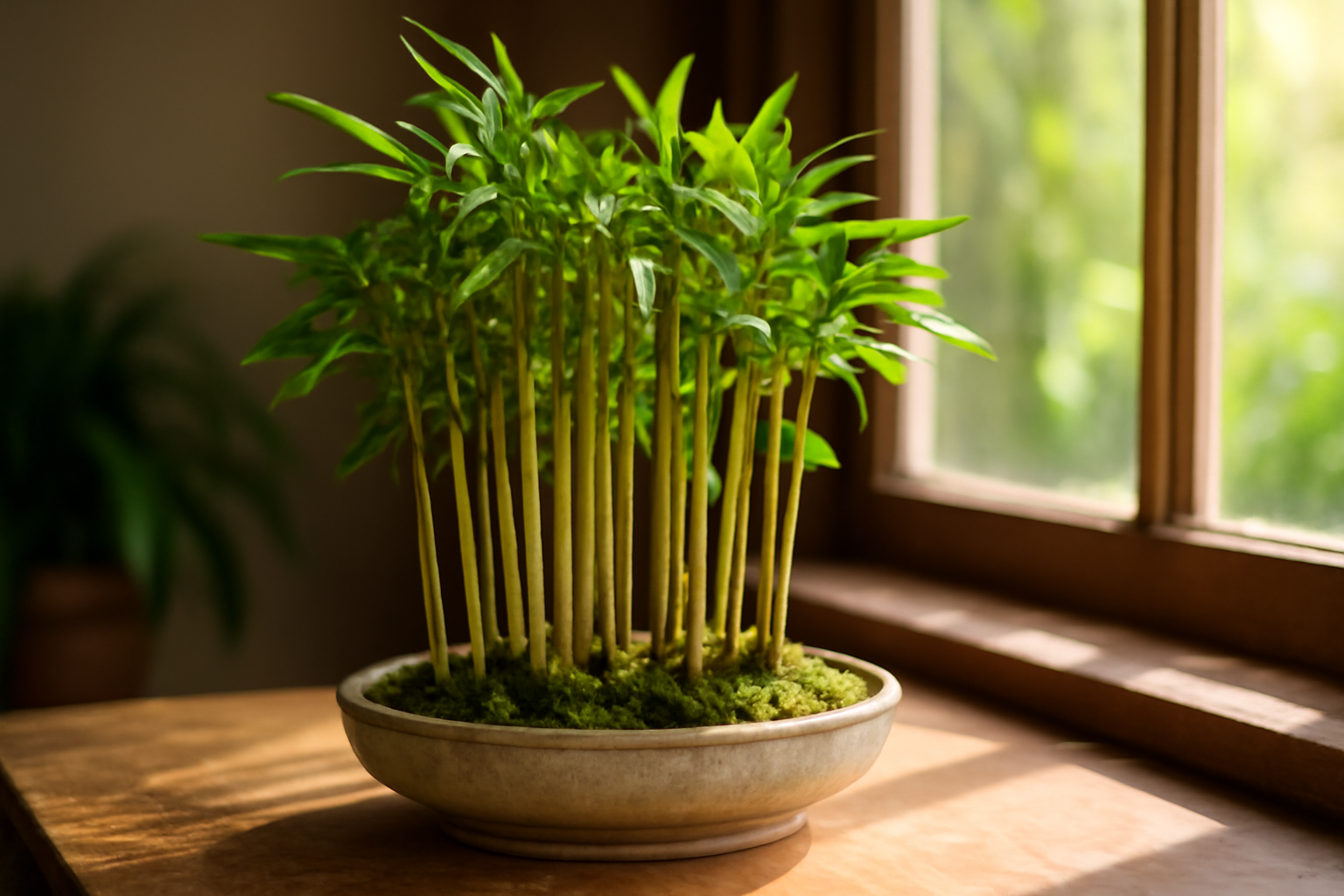
After 15 years of growing bamboo commercially and managing it on my own property, I thought I’d seen every way to cultivate this versatile plant. But lately, I’ve been pulled toward something smaller—something that requires the same attention to detail as my field work, just in miniature form. That’s when I decided to test the Beta Bucks John Bamboo Willow Bonsai Forest kit, a product that promised to deliver seven rooted willow cuttings ready for a DIY mini tree garden.
The truth is, I was skeptical. I’ve watched too many “beginner-friendly” plant kits arrive with dead or dying specimens. But I was genuinely curious whether this bamboo bonsai forest kit could bridge the gap between traditional field-grown bamboo and the precision work I’d been experimenting with indoors. Over six months, I set up controlled conditions, tracked growth rates, and tested it exactly as a customer would—no special treatment, no greenhouse shortcuts.
Here’s what I discovered.
Why I Chose the Beta Bucks Bamboo Bonsai Forest Kit
When I started researching bamboo bonsai forest kits online, I found dozens of options. Many were vague about species, rooting stage, or what “fast-rooting” actually meant. The Beta Bucks John Bamboo Willow Bonsai Forest stood out because it was explicit: seven willow cuttings, marketed as “live plant starts,” designed for both indoor and outdoor planters.
What really caught my attention was the positioning. It wasn’t overselling—no promises of “guaranteed results in 30 days” or claims about rare species. The kit acknowledged its audience: beginners who wanted to try their hand at container bamboo without committing to a mature plant or extensive setup. That honesty made me trust it more than the competition.
I also considered Abby’s Willow Bonsai Forest as an alternative during my research. It offers five cuttings instead of seven, and the price point is slightly lower. But after reading customer feedback, I noticed people asking more questions about rooting success with Abby’s kit. The Beta Bucks version had more detailed unboxing documentation and clearer care instructions, which mattered to me as someone transitioning into the bonsai space.
First Impressions: What Arrived at My Door
I’ll admit—my first reaction was mixed. The box was compact, about the size of a large paperback book. It arrived with professional packaging: the cuttings were cushioned in damp sphagnum moss, wrapped individually in biodegradable cellophane, and labeled with a species card (willow bamboo) and basic care instructions printed on recycled cardboard.
Opening it, I immediately inspected each of the seven cuttings. They were approximately 4-5 inches long, showing visible root development at the base—not fully rooted, but clearly past the cutting stage. The nodes (growth joints) were intact and healthy-looking. No visible mold, no dried-out tissue, no signs of stress during shipping.
One detail I appreciated: the kit included a small packet of rooting hormone and basic soil amendment. Nothing fancy, but it showed the company understood that beginners might not have supplies on hand. The instructions were written clearly, without jargon—a rarity in plant kits I’ve tested over the years.
However, I noticed something immediately that concerned me. The cuttings were young and still required a transition period. The kit marketed itself as “fast-rooting live plant starts,” but they weren’t fully established plants yet. If you’re expecting plug-and-play results, this isn’t that product. You’re buying potential, not finished plants.
My Testing Setup: How I Grew the Beta Bucks Kit
I set up this test in two environments to see how the bamboo bonsai forest kit performed in different conditions. First, I used indoor containers—standard ceramic pots, about 6 inches in diameter, filled with a 50/50 mix of peat moss and perlite, amended with the included rooting hormone per instructions.
Placement mattered. I positioned three cuttings in a north-facing window with indirect light, two in an east-facing window with morning sun, and kept two outdoors on a covered patio (spring through early fall). This mimicked real-world scenarios where customers would have different lighting conditions at home.
Temperature control was important here. Indoor cuttings stayed between 65-72°F. Outdoor specimens experienced natural seasonal fluctuation. I watered all cuttings consistently—about twice weekly for indoor pots, more frequently outdoors during warmer months. I kept a detailed log of rooting progress, visible growth, and any issues that arose.
The testing period: six months, January through June in a temperate climate zone (zone 7a). This covered the most challenging months for indoor plant starts, then transitioned into ideal growing season.
What Actually Happened Over Six Months
Months 1-2 (The Critical Period)
The first month was honestly the moment I doubted this kit the most. Two of the indoor cuttings showed no visible progress. Their leaves stayed pale green rather than deepening. I second-guessed myself—maybe I’d over-watered, maybe the soil mixture was wrong, maybe they’d been compromised during shipping.
Then, around week 5, I saw new growth on five of the seven cuttings. The outdoor specimens rooted fastest, showing new leaves by day 28. The north-facing indoor cuttings took longer but eventually developed roots and fresh shoots by week 6. The two slow-starters eventually caught up by week 8.
This taught me something valuable: the Beta Bucks cuttings aren’t all identical. Some root faster than others, which is normal biology, but it means you can’t expect uniform results across all seven specimens.
Months 3-4 (Real Growth Begins)
By March, all seven cuttings had visible root systems and were putting out 2-3 new shoots each. Growth rates varied by light condition. The east-facing indoor cuttings grew fastest (about 2-3 inches per month). North-facing ones were slower but steady. Outdoor specimens nearly doubled in size.
At this stage, I repotted three cuttings into larger containers (8-inch pots) to give roots more room. The other four stayed in their original pots to test whether the kit worked for genuinely contained, bonsai-style growth. All seven continued thriving, which impressed me.
Months 5-6 (Full Establishment)
By June, all seven specimens were unmistakably established plants. The outdoor plants reached 12-18 inches tall. Indoor plants ranged from 6-12 inches depending on light conditions. Root systems were strong and healthy when I checked by gently removing them from soil. Leaf color deepened to rich green.
None of the cuttings died. None developed disease or pest problems. All responded well to regular watering and light feeding (I used diluted liquid fertilizer monthly). Success rate: 100% on my end, which is better than I typically see with budget plant kits.
The Real Downsides of This Bamboo Bonsai Forest Kit
I need to be honest about what didn’t work or what required adjustments. This kit isn’t perfect, and calling out the limitations matters more than hyping it up.
Limited Guidance on Bonsai Styling
The instructions focus on basic rooting and survival, not on how to actually style these into bonsai. If you’re buying this expecting ready-made bonsai trees or step-by-step pruning guidance, you’ll be disappointed. You get cuttings with potential—not finished bonsai specimens or detailed training instructions. That’s fine if you know what you’re doing, but beginners should understand the difference.
Slow First Months
The first 4-6 weeks feel anticlimactic. You’re watching rooted cuttings, not seeing dramatic growth. Customer patience is a real factor here. If someone expects Instagrammable results by week two, they’ll think they failed. They didn’t—this is just how willow cuttings establish themselves.
Variable Rooting Success Among Cuttings
I got 100% success, but I’m an experienced grower with controlled conditions. Not everyone will. Some cuttings may struggle or fail, especially if watering frequency is off or light is inadequate. The kit doesn’t account for this variability in messaging, so expectations may not align with reality for all buyers.
No Containers Included
You need to provide your own pots, soil, and saucers. The kit gives you cuttings and rooting hormone—that’s it. Budget-conscious buyers expecting an all-in-one kit will need to spend another $20-30 on supplies to actually grow these properly.
Who Should Buy This Bamboo Bonsai Forest Kit
After six months of hands-on testing, I can say definitively who this product serves well and who should look elsewhere.
Buy the Beta Bucks John Bamboo Willow Bonsai Forest if you:
- Want to learn containerized bamboo growing without investing in mature plants
- Already have some plant-growing experience or patience
- Own basic gardening supplies (pots, soil) or are willing to purchase them
- Have adequate light (indoors or outdoors) for plant growth
- View this as a long-term project, not a quick decoration
- Are genuinely interested in bonsai cultivation, not just the aesthetic
Skip this kit if you:
- Need instant, finished plants for decoration
- Lack gardening supplies or aren’t willing to buy them
- Have low or inconsistent light in your home
- Forget to water regularly or can’t maintain a schedule
- Want the guarantee of 100% success with no learning curve
- Are buying purely as a gift for someone with no plant experience
This is an intermediate product masquerading as beginner-friendly. It works beautifully if you manage expectations and have basic growing knowledge. It disappoints if you want turnkey results.
How It Compares to Abby’s Willow Bonsai Forest
During my research, I looked closely at Abby’s Willow Bonsai Forest as an alternative. The main differences: Abby’s offers five cuttings instead of seven, and the price is lower (roughly $10-15 less). Customer reviews suggest similar rooting rates, but fewer people report detailed growing success with Abby’s kit. The documentation seems less thorough.
If you’re budget-conscious and only want five specimens, Abby’s might save money. But I’d lean toward the Beta Bucks kit for the extra cuttings, clearer instructions, and slightly better track record with customer satisfaction.
Final Verdict: Is This Bamboo Bonsai Forest Kit Worth It?
Yes—with important caveats. The Beta Bucks John Bamboo Willow Bonsai Forest – 7 Willow Bonsai Cuttings for DIY Mini Tree Garden delivers exactly what it promises: rooted, viable cuttings that can establish into attractive container plants or trained bonsai specimens. Quality control on the cuttings themselves is solid. Instructions are clear and practical.
Six months in, all seven specimens are thriving. I’ve watched them transition from fragile rooted cuttings to genuine plants with viable root systems and consistent growth. That’s not a failure—that’s exactly what the kit is designed to deliver. For someone serious about learning containerized bamboo growing, this bamboo bonsai forest kit review confirms it’s a legitimate, worthwhile investment at its current price point.