Bamboo often feels like a magic trick. You plant a small shoot, blink, and suddenly a forest appears. Gardeners prize this plant for its legendary speed. However, not every bamboo species breaks records. Some take their time. Others race toward the sky. Understanding these growth patterns helps you plan your landscape effectively.
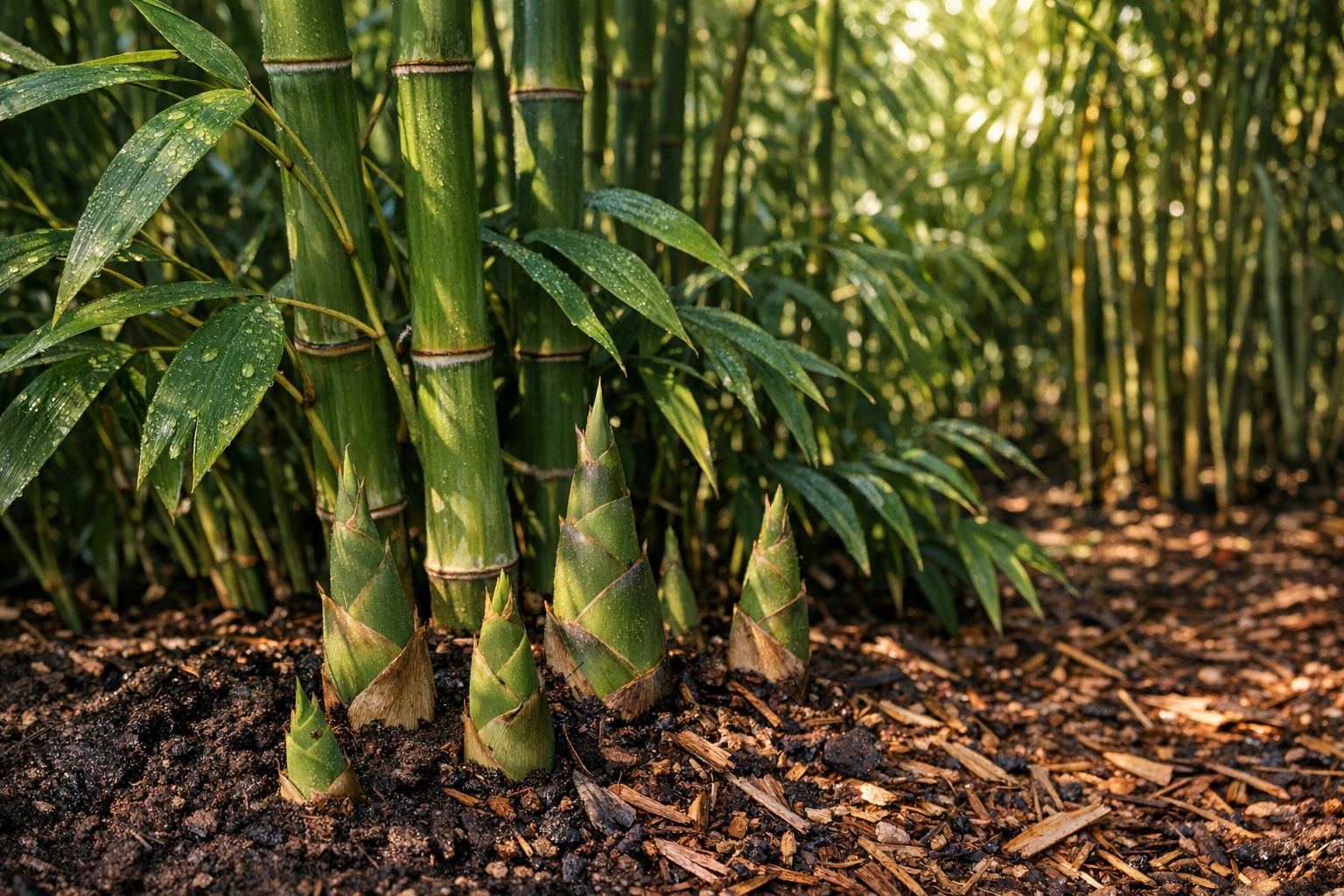
Many factors influence how quickly your bamboo establishes itself. Genetics play a huge role. Additionally, your local environment dictates the pace. Sun, soil, and water all contribute to the final height. By optimizing these conditions, you can encourage faster results. Let’s explore what you can realistically expect from this fascinating plant.
The Famous “Sleep, Creep, Leap” Cycle
Patience is vital during the first few years. Bamboo does not instantly shoot up to full height immediately after planting. Instead, it follows a specific three-year cycle. Gardeners describe this pattern as “sleep, creep, and leap.”
Year One: Sleeping
During the first year, you might think nothing is happening. The plant looks dormant above ground. However, the real work happens underground. The bamboo focuses entirely on root development. It builds a complex system of rhizomes. These rhizomes store energy for future growth. Therefore, do not worry if the canes remain short. The plant is simply establishing a strong foundation.
Year Two: Creeping
In the second year, you will see visible progress. The plant begins to spread. New shoots emerge from the ground. Furthermore, the colony expands its footprint. These new canes will likely grow taller than the previous year’s canes. The root system continues to strengthen. Consequently, the plant gathers more resources from the soil.
Year Three: Leaping
Finally, the magic happens in year three. The established root system explodes with energy. New shoots skyrocket upward. Some species can grow several feet in a single week. You will see the density increase significantly. This is the payoff for your patience. The bamboo finally reaches its mature potential.
What We Recommend
When you’re nurturing bamboo and tracking its growth, understanding soil moisture is absolutely crucial—bamboo grows fastest when conditions are just right. We’re big fans of the XLUX Soil Moisture Meter for taking the guesswork out of watering. This affordable tool helps you dial in the perfect moisture level, which directly impacts growth rates and overall plant health.
Mulch plays an underrated role in bamboo growth rate—it regulates soil temperature, retains moisture, and feeds the soil as it breaks down. The organic coconut husk chip mulch is one of our top choices because it’s sustainable, long-lasting, and creates the ideal growing environment for vigorous bamboo development. A good mulch layer can measurably speed up your bamboo’s growth trajectory.
Healthy growth demands proper nutrition, and organic plant fertilizer is essential for maximizing your bamboo’s growth potential. We recommend applying a balanced, slow-release formula during the growing season to support strong culm development and encourage the rapid growth rates bamboo is famous for.
If you’re planning to contain running bamboo varieties, a quality root barrier is non-negotiable for managing growth patterns on your property. The Joewuzun Tree Root Barrier is durable and easy to install, giving you peace of mind while still allowing your bamboo to grow at its natural pace within defined boundaries.
If you’re interested in starting from seed and observing growth from day one, the Green Bamboo Seeds offer a rewarding way to watch the entire growth cycle unfold. Starting from seed teaches you invaluable lessons about the factors that influence growth rates and gives you a deeper connection to your bamboo journey.
Running vs. Clumping: Genetics Matter
Not all bamboo grows the same way. The species you choose dictates the spread and speed. Generally, botanists divide bamboo into two main categories: running and clumping. Knowing the difference saves you from future surprises.
Running Bamboo
Running bamboo (monopodial) spreads rapidly. Its rhizomes stretch far horizontally underground. Consequently, it covers large areas quickly. This makes it excellent for fast privacy screens. However, it requires containment. Without barriers, it invades neighboring areas. If you want speed and coverage, running varieties usually win. They prioritize horizontal expansion alongside vertical growth.
Clumping Bamboo
In contrast, clumping bamboo (sympodial) grows in tight clusters. The rhizomes curve upward near the mother plant. Therefore, the footprint expands slowly. It behaves more like a standard shrub. While individual canes grow tall quickly, the screen width takes longer to develop. Clumpers are easier to manage but require more initial plants for a wide hedge.
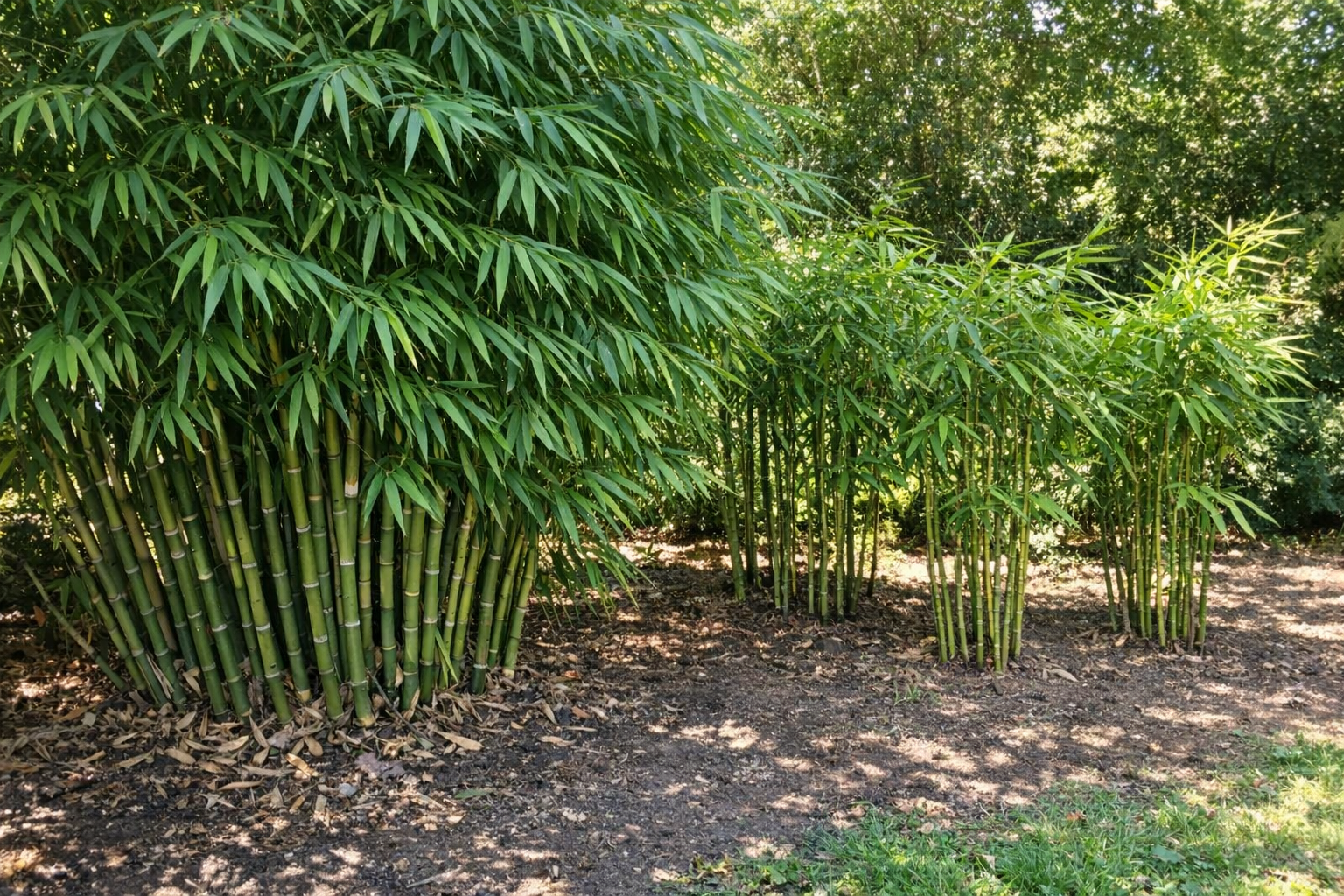
Sunlight: The Engine of Growth
Photosynthesis fuels bamboo production. Therefore, light availability directly impacts speed. Most giant timber bamboos crave full sun. Direct sunlight provides the energy needed for massive vertical gains. Without enough light, these giants stunt their own growth. They become leggy and thin.
However, exceptions exist. Some smaller varieties prefer partial shade. Too much sun scorches their leaves. You must match the species to your light conditions. Check the specific requirements for your plant. Generally, more sun equals faster growth for the largest species. Conversely, deep shade slows down the metabolism of sun-loving varieties.
Water Requirements for Rapid Height
Bamboo is a thirsty plant. It originates from humid, tropical, or temperate rainforests. Therefore, consistent moisture drives rapid cell division. If the plant lacks water, it enters survival mode. Growth stops immediately. The leaves curl to conserve moisture. Consequently, you lose valuable growing time.
Watering Best Practices
New plants need frequent watering. Keep the soil consistently moist but not soggy. Drowning the roots causes rot. Ideally, water deeply once or twice a week. This encourages roots to grow deep into the soil. Shallow watering leads to weak root systems. During hot summers, increase your watering frequency. Furthermore, adding a layer of mulch helps retain soil moisture. This simple step prevents evaporation and keeps roots cool.
Soil Conditions and Nutrition
Soil acts as the pantry for your bamboo. A nutrient-rich environment supports explosive growth. Bamboo prefers loamy, well-draining soil. Heavy clay suffocates roots. Sandy soil drains too fast. Therefore, amending your soil often yields better results. Mix in organic compost before planting. This improves texture and nutrient content.
The Importance of pH
Most bamboo species prefer slightly acidic soil. A pH between 6.0 and 6.5 is ideal. If your soil is too alkaline, the plant struggles to absorb nutrients. You can test your soil easily with a kit. Adjusting the pH ensures the plant accesses the food it needs.
Fertilizing for Speed
Bamboo is a grass. Like your lawn, it loves nitrogen. To support this incredible rate, feed your bamboo seasonally. Source Apply a high-nitrogen fertilizer in early spring. This coincides with the shooting season. Additionally, apply a second dose in early summer. Avoid fertilizing in late autumn. This prevents new growth that winter frost might damage.
Temperature and Climate Zones
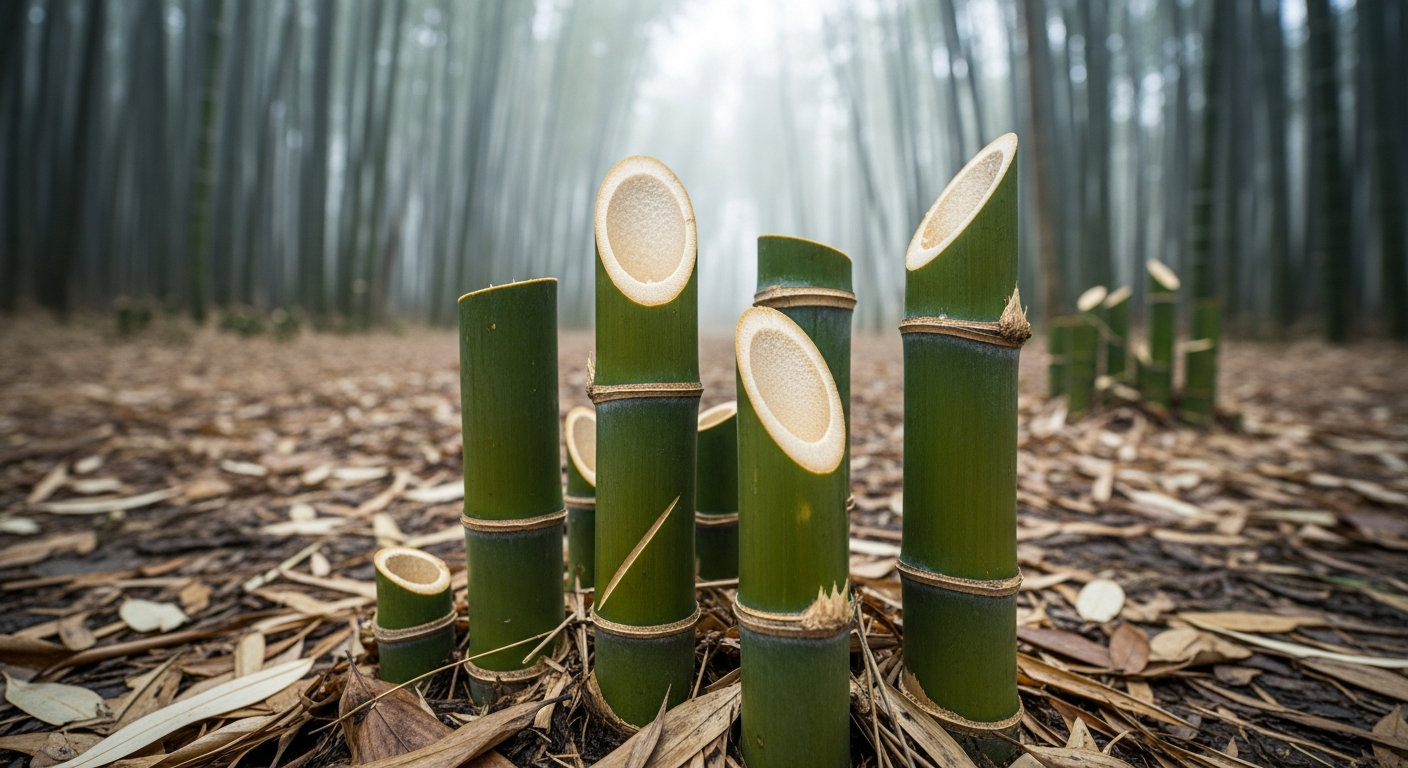
Your local climate sets the speed limit. Bamboo grows fastest in warm, humid weather. Tropical climates allow for year-round growth. However, in temperate zones, growth is seasonal. Most height gains occur in late spring and early summer. As temperatures drop, the plant slows down.
Cold Hardiness
Extreme cold damages bamboo. If temperatures drop below the species’ hardiness limit, the canes die back. The roots usually survive, but the plant must restart its vertical journey next spring. This significantly sets back your progress. Always choose a variety rated for your USDA hardiness zone. For example, Phyllostachys varieties often handle freezing temperatures well. In contrast, tropical Bambusa species perish in frost. Selecting the right plant for your zone ensures consistent year-over-year gains.
Troubleshooting Slow Growth
Sometimes, bamboo refuses to grow. It sits there, unchanged. This frustrates gardeners expecting a jungle. Usually, an environmental stressor is the culprit. Identifying the issue restarts the growth engine.
Common Culprits
First, check the soil drainage. Wet feet kill roots. If the ground stays soggy, improve drainage immediately. Second, look for pests. Mites and aphids suck energy from the plant. Treat infestations quickly. Third, assess competition. Weeds and nearby trees steal nutrients. Clear the area around the base of your bamboo. Finally, consider the pot size. If growing in containers, the plant might be root-bound. Repotting into a larger vessel often triggers a new growth spurt.
Conclusion
Bamboo offers a rewarding gardening experience. Its speed is unmatched in the plant kingdom. However, specific conditions dictate that speed. You must provide the right balance of sun, water, and nutrients. Furthermore, patience during the “sleep” and “creep” phases is essential. Once the “leap” phase begins, your landscape transforms rapidly. By understanding these variables, you control the outcome. Treat your bamboo well, and it will reward you with a lush, towering presence.
*As an Amazon Associate, I earn from qualifying purchases.