Affiliate Disclosure: This article contains affiliate links. As an Amazon Associate, TerraBamboo earns from qualifying purchases.
Key Takeaways
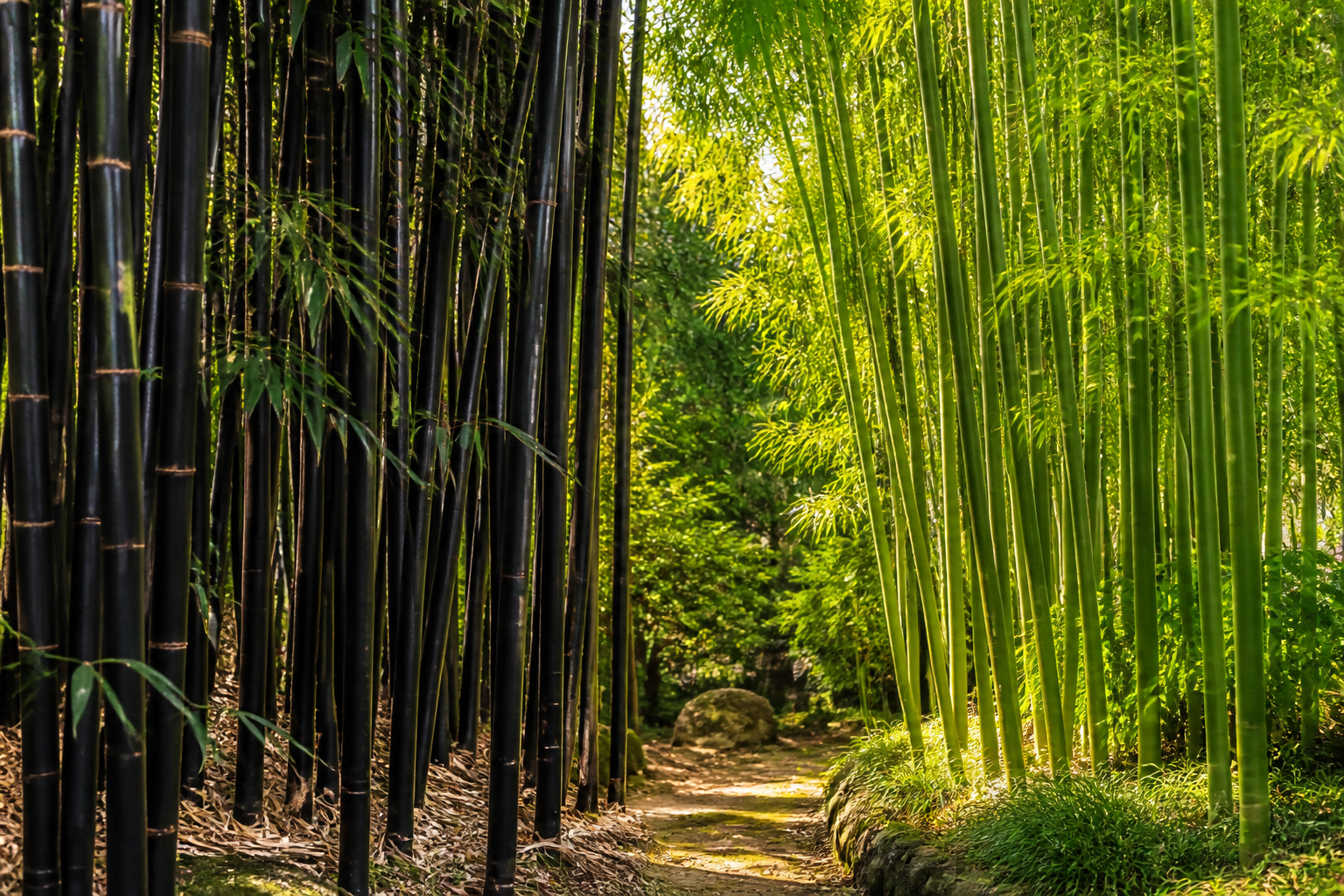
- Black bamboo (Phyllostachys nigra) develops jet-black culms over 2–3 years, starting green and progressively darkening with sun exposure
- Growth rate: 3–8 feet per year once established, reaching 15–25 feet at maturity in USDA zones 8–9; slower to establish than most running bamboos
- Black bamboo vs regular bamboo differs primarily in culm color, cold hardiness (zones 7–10), and ornamental appeal; both are running bamboos requiring root barriers
- Culms are thinner (1–1.5 inches diameter) and more shade-tolerant than comparable species like Phyllostachys bissetii or P. aureosulcata
- Maximum black coloration requires full sun; strategic pruning of lower branches showcases the striking cane color
- Ideal for ornamental gardens, Japanese-inspired landscapes, and dramatic container displays rather than timber production
What Is Black Bamboo? Understanding Phyllostachys nigra
Black bamboo, scientifically known as Phyllostachys nigra, is one of the most visually striking ornamental running bamboos available to gardeners worldwide. Native to China, this species has captivated landscape designers and bamboo enthusiasts for centuries, prized for its distinctive ebony-colored culms that emerge green and gradually transform into a rich jet-black hue over time.
The defining characteristic of black bamboo is its culm coloration journey. When new canes emerge in spring, they appear vibrant green, indistinguishable from most other bamboo species. However, as months pass and the canes mature, they begin to darken progressively—first developing mottled green and brown patches, then deepening into charcoal gray, and finally achieving a lustrous ebony finish. This transformation typically completes within 2–3 years of the culm’s emergence, particularly when plants receive ample sunlight.
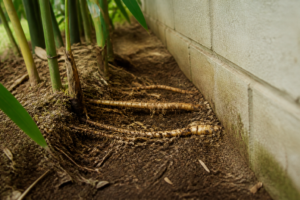
Beyond the iconic color, Phyllostachys nigra maintains the running bamboo growth habit characteristic of the Phyllostachys genus. This means the species spreads via rhizomes that travel horizontally underground, making it essential for gardeners to install a root barrier system to contain the plant and prevent unwanted spread into neighboring properties or garden beds.
It’s worth noting that a larger variant, Phyllostachys nigra ‘Henon’ (also called giant black bamboo), produces taller culms with slightly larger diameters, though still considerably more slender than true timber bamboos. For the purposes of this comparison, we focus on the standard black bamboo species.
How Fast Does Black Bamboo Grow? Growth Rate and Timeline
Understanding the growth rate of Phyllostachys nigra is crucial for planning your garden layout and managing expectations. How fast does black bamboo grow? is one of the most frequently asked questions from potential planters, and the answer depends significantly on growing conditions and the maturity of the plant.
Establishment Period (Year 1–2)
Black bamboo is notably slower to establish than many common running bamboo species. In its first year after planting, Phyllostachys nigra focuses energy on root development rather than aggressive shoot elongation. You may observe modest culm emergence, with new canes reaching only 6–12 feet depending on climate zone and soil quality. This conservative growth pattern can be frustrating for impatient gardeners accustomed to the explosive first-year growth of species like Phyllostachys bissetii or Phyllostachys aureosulcata.
Mature Growth Rate (Year 3+)
Once established, black bamboo accelerates dramatically. Mature plants typically produce new culms that achieve 3–8 feet of growth per year, with annual shoot emergence reaching its peak in zones 8–9. In ideal conditions—full sun, well-draining soil rich in organic matter, and adequate moisture—some specimens have been documented reaching 8–10 feet annually. However, growth in cooler zones (USDA zone 7) tends toward the lower end of this spectrum, with 3–5 feet per year being more typical.
Maximum height for mature black bamboo typically ranges from 15–25 feet, though this depends heavily on your USDA hardiness zone and local climate. In zones 8–9, where black bamboo thrives, expect culms to reach their full potential height within 6–8 years of establishment. Northern gardeners in zone 7 may see heights capped at 12–18 feet due to shorter growing seasons and cooler temperatures.
Growth Rate by Climate Zone
Black bamboo is hardy in USDA zones 7–10, but growth patterns vary considerably across this range:
- Zone 7: Slower establishment (3–4 years), mature growth 3–5 feet/year, max height 12–18 feet
- Zones 8–9: Moderate establishment (2–3 years), mature growth 5–8 feet/year, max height 20–25 feet (optimal range)
- Zone 10: Fast establishment (1–2 years), mature growth 6–8 feet/year, max height 24–28 feet
Black Bamboo vs Regular Bamboo: What Are the Key Differences?
When discussing black bamboo vs regular bamboo, it’s important to clarify that “regular bamboo” typically refers to the most commonly planted running bamboo species in North America: Phyllostachys aureosulcata (yellow groove bamboo), Phyllostachys bissetii (Bisset’s bamboo), and occasionally Phyllostachys aurea (golden bamboo). Let’s examine how black bamboo differs from these popular varieties across multiple criteria.
Culm Color and Appearance
The most obvious distinction in black bamboo vs regular bamboo comparisons is culm coloration. While yellow groove bamboo displays a golden stripe along the internodes and Bisset’s bamboo remains predominantly green throughout its life, black bamboo undergoes a dramatic color transformation. Regular bamboo varieties maintain their initial green or green-and-gold appearance indefinitely, whereas black bamboo’s culms darken progressively to jet black, creating a striking ornamental effect unmatched by standard varieties.
Growth Rate and Establishment Speed
Phyllostachys bissetii and Phyllostachys aureosulcata are notorious for their aggressive first-year growth, often producing 8–12 feet of culms in year one after establishment. Black bamboo, conversely, takes a more measured approach, typically reaching only 6–12 feet in its initial year. However, this slower startup does not imply inferior long-term productivity; mature black bamboo eventually achieves comparable annual growth rates of 5–8 feet in optimal zones.
Cold Hardiness
This is a critical distinction for gardeners in colder regions. Black bamboo is hardy to approximately 0°F (-18°C), making it suitable for USDA zones 7–10. Phyllostachys bissetii, by contrast, tolerates temperatures as low as -20°F (-29°C) and thrives in zones 5–10, providing significantly greater cold hardiness. If you live in zone 5 or 6, black bamboo is not a viable option; Bisset’s bamboo becomes the more appropriate choice. Gardeners in zones 7–9 can successfully cultivate black bamboo without winter protection, though young plants benefit from mulching.
Culm Diameter and Structure
Black bamboo produces ornamental, relatively slender culms averaging 1–1.5 inches in diameter. Regular running bamboos like Phyllostachys aureosulcata and Phyllostachys bissetii develop somewhat thicker canes, typically 1.5–2 inches in diameter. This difference reflects their primary purposes: black bamboo prioritizes visual elegance and ornamental impact, while standard varieties balance aesthetics with utility. None of these species qualify as true timber bamboos, which produce canes 3+ inches in diameter suitable for construction or crafting.
Light Requirements
Black bamboo demonstrates superior shade tolerance compared to most Phyllostachys species. While not ideal in deep shade, it can thrive in partial shade conditions (4–6 hours of direct sun) better than yellow groove or Bisset’s bamboo, which prefer full sun. However, achieving the characteristic jet-black culm color requires sufficient sunlight; shade-grown specimens may remain predominantly green or develop only modest darkening. Regular bamboos, particularly Phyllostachys aureosulcata, perform optimally with 6–8 hours of direct daily sun.
Comparison Table: Black Bamboo vs Other Popular Running Bamboos
To streamline your decision-making, here’s a comprehensive comparison of black bamboo alongside three other widely cultivated running species:
| Feature | Black Bamboo (P. nigra) | Golden Bamboo (P. aurea) | Bisset’s Bamboo (P. bissetii) | Yellow Groove (P. aureosulcata) |
|---|---|---|---|---|
| Culm Color | Green → black (2–3 years) | Solid green | Solid green | Green with golden grooves |
| Mature Height | 15–25 ft | 10–15 ft | 20–35 ft | 20–30 ft |
| Annual Growth Rate (Established) | 3–8 ft/year | 2–4 ft/year | 5–10 ft/year | 6–10 ft/year |
| Culm Diameter | 1–1.5 in | 0.75–1.25 in | 1.5–2 in | 1.5–2 in |
| USDA Hardiness | Zones 7–10 | Zones 6–10 | Zones 5–10 | Zones 5–10 |
| Cold Tolerance | 0°F (-18°C) | -10°F (-23°C) | -20°F (-29°C) | -20°F (-29°C) |
| Shade Tolerance | Moderate (4–6 hrs sun) | Moderate | Low (6–8 hrs sun preferred) | Low (6–8 hrs sun preferred) |
| Best Primary Use | Ornamental, specimen, containers | Ornamental, screening | Privacy hedges, timber, screens | Privacy screens, borders |
| Root System Type | Running (requires barrier) | Running (requires barrier) | Running (requires barrier) | Running (requires barrier) |
When Does Black Bamboo Turn Black? The Culm Darkening Process
Understanding the timeline for culm color development is essential for setting realistic expectations. When does black bamboo turn black? The answer involves several factors tied to age, sunlight exposure, and plant maturity.
Timeline of Culm Darkening
New culms of Phyllostachys nigra emerge in spring as bright, vibrant green shoots. At this stage, they are indistinguishable from typical running bamboo and contain no visible black pigmentation. As the culms harden over the following months, subtle color changes begin:
- Months 1–3 (Spring–Early Summer): Culms remain predominantly green as they elongate and harden. Culm diameter reaches its full size within this window.
- Months 4–8 (Summer–Early Fall): First color shifts appear, typically as faint mottling or a greenish-brown cast, most visible on internodes. This change is subtle and easy to miss on plants in shade.
- Months 8–12 (Late Fall–Following Spring): Darkening accelerates noticeably. Canes develop distinct brown patches mixed with green, creating a blotchy appearance. By month 12, most culms exhibit obvious dark coloration.
- Years 2–3 (Full Maturation): Culms progressively deepen from brown to charcoal to true jet black. Full ebony coloration typically achieves completion by the end of the second or third growing season.
Factors Affecting Darkening Speed
The timeline outlined above assumes optimal conditions. Several environmental factors significantly influence how quickly culms achieve their ultimate black hue:
Sunlight Exposure
This is the dominant factor controlling culm darkening speed. UV radiation drives the development of dark pigments (likely related to anthocyanins and other phenolic compounds) in the culm epidermis. Plants receiving 6–8 hours of direct, unobstructed sunlight daily darken significantly faster than shade-grown specimens. Conversely, bamboo in dappled shade or receiving only 3–4 hours of sun may take 4–5 years to achieve full black coloration, if at all. Some heavily shaded plants never progress beyond mottled brown.
Culm Age and Plant Maturity
Young culms on newly planted bamboo establish slower color changes than culms produced by mature, well-established plants. A black bamboo plant in its first or second year after transplanting may produce culms that remain predominantly green even with adequate sun. By contrast, the same species at 4–5 years post-planting, with a vigorous root system, produces canes that darken within 12–18 months of emergence.
Soil Quality and Nutrient Status
Well-nourished plants with adequate potassium, phosphorus, and micronutrients develop more vibrant pigmentation than nutrient-stressed specimens. Applying a balanced bamboo fertilizer or compost in early spring supports vigorous culm development and enhances color intensity.
Black Bamboo Care: Maximizing Growth and Culm Color
Successful cultivation of Phyllostachys nigra requires attention to specific care practices that differ somewhat from standard running bamboo management. These guidelines help maximize both growth rate and the dramatic black culm coloration that defines the species.
Sunlight Requirements for Color Development
For optimal black bamboo growth and color intensity, plant in full sun (6–8 hours direct daily sun minimum). While black bamboo demonstrates greater shade tolerance than comparable species, cutting corners on light directly compromises culm darkening. If you have space options, position your bamboo on the south or west side of your property, ensuring minimal shade from buildings or tree canopies during peak growing season (May–September)