This article contains affiliate links. As an Amazon Associate, TerraBamboo earns from qualifying purchases. Product recommendations are editorially independent.
Key Takeaways
- Yes, bamboo does rot in the ground — typically within 2–7 years depending on species, soil drainage, and climate conditions.
- Bamboo’s high starch and sugar content makes it naturally attractive to fungi and decay organisms, unlike naturally durable tropical hardwoods.
- The buried portion of bamboo poles rots first; using metal post anchors or concrete footings keeps culms out of direct soil contact and extends lifespan to 10+ years.
- Borax treatments, charring, and waterproof sealants significantly slow bamboo decomposition in ground applications.
- Bamboo rhizomes don’t rot while actively growing; dead rhizomes decompose in 1–3 years, returning nutrients to soil.
Does Bamboo Rot in the Ground?
TerraBamboo’s horticultural team receives this question frequently from gardeners planning fence installations, raised beds, and garden stakes. The honest answer is: yes, bamboo does rot in the ground, but the timeline and severity depend on multiple environmental and botanical factors.
When bamboo culms (the hollow stems) are planted directly in soil, they will eventually decompose. This is fundamentally different from pressure-treated lumber or naturally rot-resistant tropical hardwoods. Understanding why this happens—and how to prevent it—is essential for anyone investing in bamboo garden structures.
Why Does Bamboo Decompose in Soil?
Bamboo’s susceptibility to rot in the ground stems from its botanical composition. Unlike durable tropical hardwoods such as teak or ipe, bamboo lacks natural protective resins and oils that evolved to resist fungal decay in moist environments.
Instead, bamboo tissue contains high concentrations of starch and simple sugars—nutrients that make it an ideal food source for wood-decay fungi, bacteria, and soil microorganisms. When bamboo makes ground contact in moist conditions, these organisms colonize the culm tissue, breaking down cellulose and hemicellulose through enzymatic decomposition.
This is precisely why untreated bamboo poles left directly in soil are not a permanent solution for fence posts, garden edging, or other below-grade applications. The process accelerates in tropical and subtropical climates where fungal activity is year-round, and in poorly drained soils where moisture remains consistently high.
How Long Does Bamboo Last in the Ground? Timeline by Conditions
TerraBamboo’s field experience indicates that bamboo rot timelines vary dramatically based on species, soil conditions, and climate. Here’s what the research and practical data show:
Species Durability Differences
- Guadua species (Neotropical bamboo): Naturally more durable; 4–6 years in moist soil before significant decay begins.
- Phyllostachys species (running bamboo): Moderate durability; 3–5 years before rot onset in temperate climates.
- Bambusa species (clumping tropical bamboo): Least durable below ground; 2–3 years before visible decomposition in warm, wet conditions.
Soil Moisture & Drainage Impact
- Constantly wet or flooded soil: 2–3 years until significant structural failure.
- Well-drained soil with seasonal moisture: 4–6 years before major rot damage.
- Dry or sandy soil: 5–7 years; fungal activity slowed by lack of moisture.
Climate Acceleration
Tropical and subtropical regions see rapid bamboo rot because high temperatures and humidity create ideal conditions for fungal proliferation. A bamboo post that might last 5 years in temperate zones may fail in 2–3 years in humid, warm climates.
Which Parts of Bamboo Rot First?
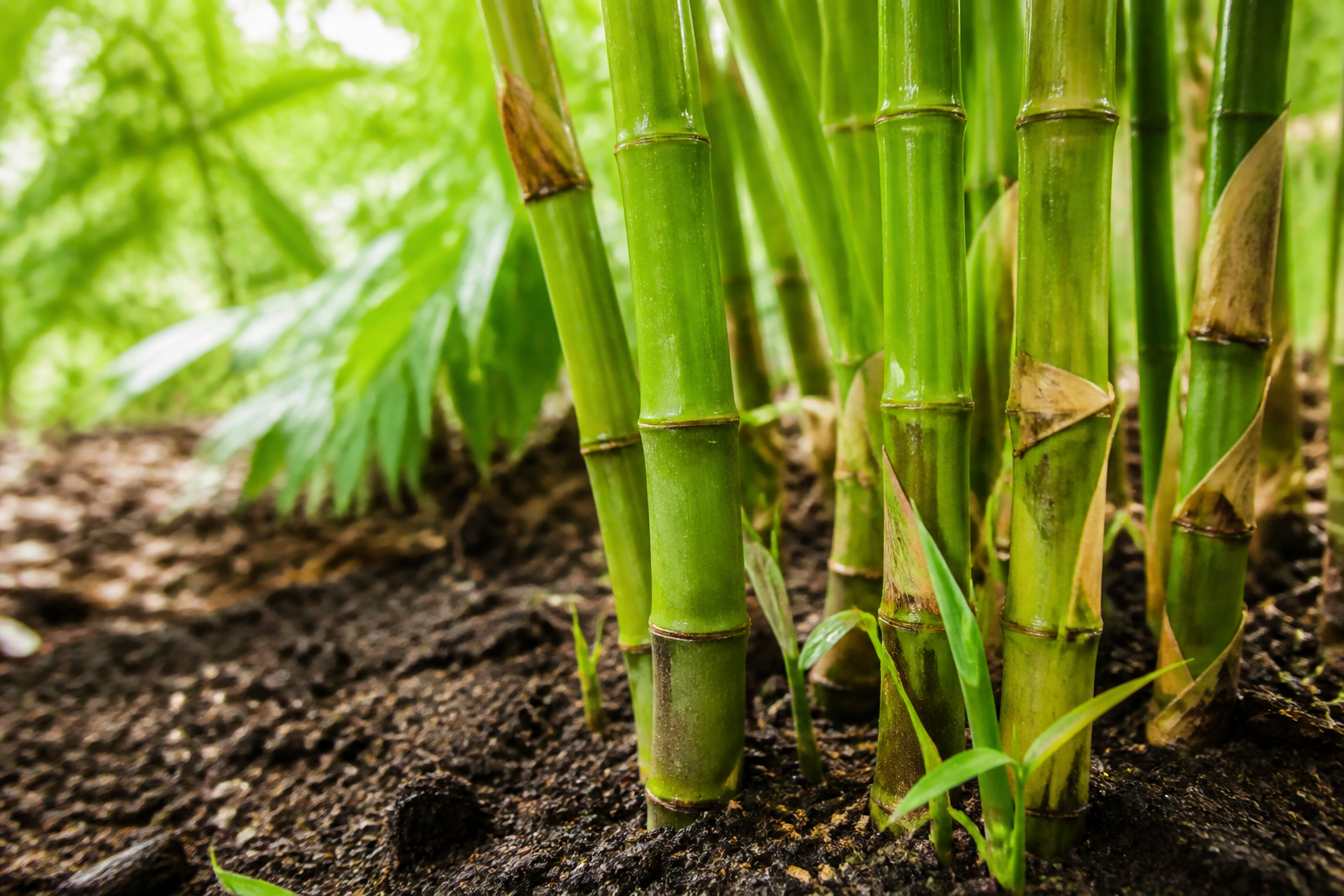
Bamboo culm anatomy determines decay patterns. The base of the culm—the portion in direct contact with soil—rots first. This creates a critical structural weakness because:
- Node tissue (the solid joints inside the culm) resists rot longer because it has higher starch but also higher density.
- Internodal sections (the hollow zones between nodes) decay faster once fungi penetrate the outer wall.
- The outer culm wall acts as the first barrier; if the waxy cuticle is damaged or weathered, fungal invasion accelerates dramatically.
This is why a bamboo fence post or garden stake fails from the ground up—the soil-contact zone becomes structurally compromised while the upper portion remains sound.
Preventing Bamboo Rot: Practical Solutions
Eliminate Direct Ground Contact
The most effective prevention strategy is to keep bamboo completely out of the soil. This can be achieved through:
- Metal post anchors or spikes: Drive a steel post spike into the ground and insert the bamboo culm into the anchor sleeve. This keeps the bamboo elevated and allows air circulation underneath, extending lifespan to 10+ years.
- Concrete footings: Set metal fence post brackets in concrete piers 12–18 inches deep. This prevents soil contact and capillary moisture wicking.
- Rot-protective wraps: Products like Postsaver Pro-Wrap create a dual-layer barrier around the base of posts, physically separating bamboo from soil moisture while allowing vapor transmission.
Chemical Preservation Treatments
For bamboo that must contact soil, chemical treatments slow decomposition significantly:
- Borax or boric acid solutions: Soak the buried section in a 5% borax solution for 24–48 hours before installation. Borax is boron-based and inhibits fungal growth without the toxicity of older preservatives. Effectiveness: 3–4 additional years of protection.
- Wood preservative treatment kits: Commercial fence post preservatives like Post Proservative can be applied to existing buried sections to replenish protective coatings and extend post life by 2–3 years.
- Charring or smoke treatment: Traditionally, bamboo was charred at the base using open flame or smoke, creating a protective carbon layer. This method is labor-intensive but adds 2–3 years of durability without chemicals.
Waterproof Sealing
Applying a quality waterproof sealant to the entire bamboo culm reduces moisture infiltration and slows decay. FOREVER BAMBOO Maintenance Sealant is specifically formulated for bamboo fencing and garden applications, creating a water-resistant barrier that also provides UV protection. Reapply every 2–3 years for best results.
For raised beds and planters with direct soil contact, plant-safe sealers like Shabebe Garden Box Sealer protect bamboo while remaining non-toxic to plants and soil organisms.
What About Bamboo Rhizomes and Roots?
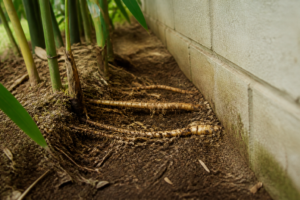
A common point of confusion: living rhizomes (the underground stems from which new culms emerge) do not rot. They remain active and healthy in soil indefinitely, continuously sprouting new growth. This is fundamentally different from bamboo culms.
However, when bamboo is harvested or a clump is removed, dead rhizomes left in the soil will decompose. This decomposition is actually beneficial—it returns organic matter and nutrients to the soil. Dead rhizomes typically break down completely in 1–3 years depending on size and soil microbe activity.
Bamboo Mulch and Chips in Soil
Bamboo chips and mulch behave differently than culms. Because they have higher surface area and are processed into smaller pieces, bamboo mulch decomposes faster—typically in 6–18 months. This accelerated decomposition is actually desirable in garden applications because it enriches soil with organic carbon and improves structure. The starch and sugars that fuel decay in culms become plant-available nutrients and feed beneficial soil microbes.
Recommended Products to Extend Bamboo Durability
- Post Proservative Fence Repair Kit — Replenishes wood preservative in existing posts and extends the life of bamboo fence installations by treating the buried section. 24-piece kit with date tags for tracking treatment intervals.
- Postsaver Pro-Wrap Standard — Dual-layer rot protector for square and round posts up to 5 inches diameter. Fits 3×3″ to 4×4″ posts and includes a 20-year warranty against rot failure when properly installed.
- Fence Post Repair Stakes & Ground Spikes — 4-pack of 17.32″ metal anchors that elevate bamboo posts above soil contact. Quick installation and highly effective at preventing ground-contact decay.
- FOREVER BAMBOO Maintenance Sealant — Waterproof exterior treatment specifically formulated for bamboo fencing. Deep protection against water infiltration, UV damage, and fungal colonization. One gallon covers approximately 300–400 square feet.
- Shabebe Garden Box Sealer — Plant-safe, non-toxic waterproofing for raised beds and planters with soil contact. 32 oz volume provides protection without leaching harmful chemicals into growing media.
Summary: Does Bamboo Rot in the Ground?
The answer is unequivocal: yes, untreated bamboo does rot in the ground. The timeline ranges from 2–7 years for culms in direct soil contact, depending on species, drainage, and climate. However, this doesn’t mean bamboo cannot be used for durable garden structures—it means that proper installation and protection methods are non-negotiable.
By using metal post anchors to eliminate ground contact, applying borax or preservative treatments, sealing with waterproof finishes, and choosing naturally more durable species like Guadua, gardeners can extend bamboo lifespan to 10–15 years or more. TerraBamboo recommends combining multiple strategies for maximum durability in permanent applications like fencing and edging.
About This Article
This article was reviewed by TerraBamboo’s editorial team, which includes horticulturists and bamboo cultivation specialists with over a decade of hands-on growing experience. Content is reviewed for botanical accuracy and updated seasonally.