The Rolled Bamboo Fence That Stopped Me from Building Another Rhizome Barrier
When you grow running bamboo varieties, every new structure becomes a containment question—including the fence itself. I chose a solid rolled bamboo panel because it forces you to think about what’s actually on the other side, and it keeps neighbour relations intact when your propagation yard shares a property line.
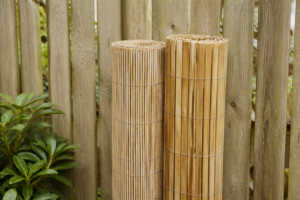
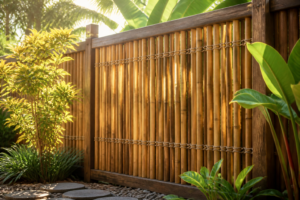
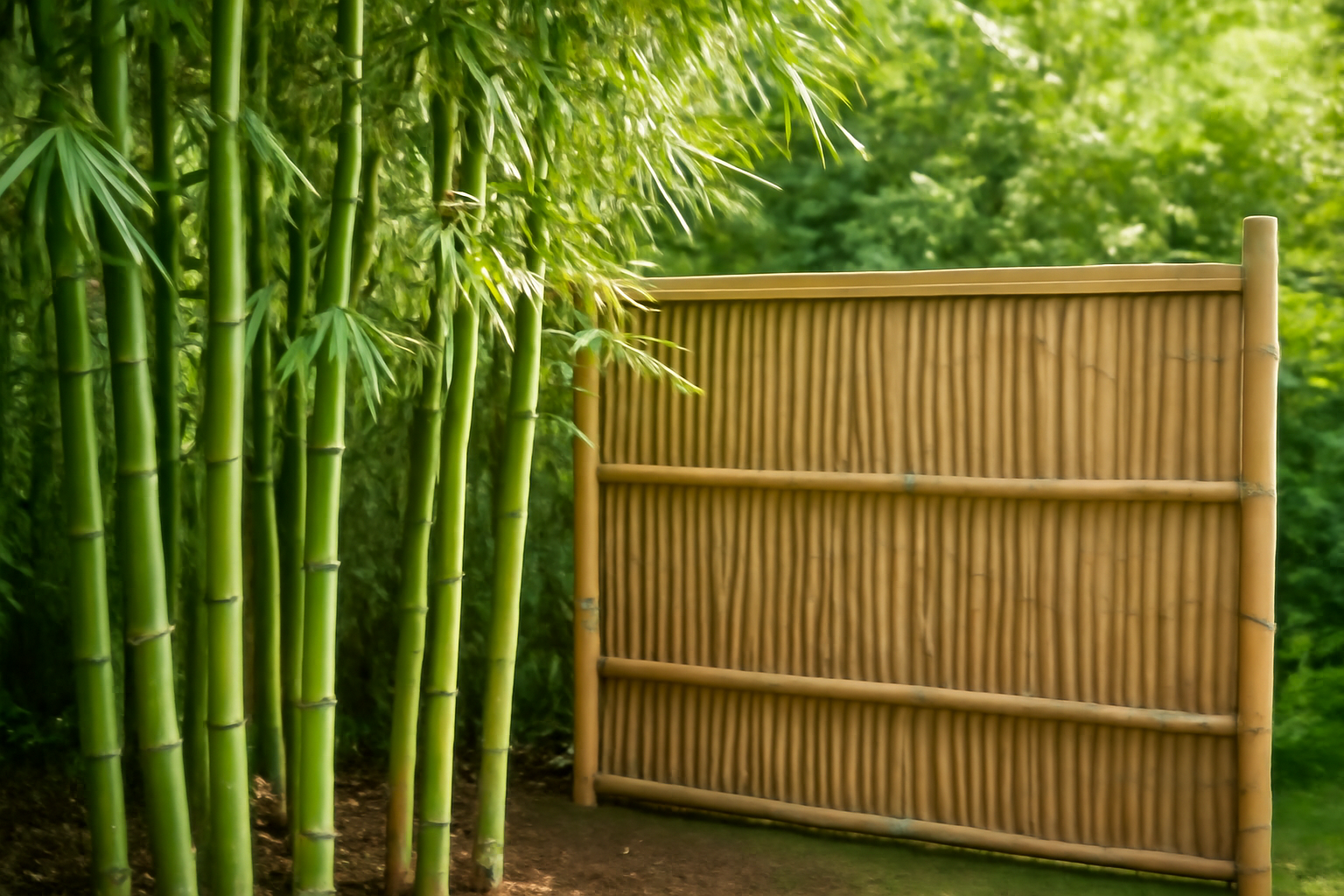
Two years ago, I installed the FOREVER BAMBOO Natural Bamboo Fencing Decorative Rolled Fence Panel 1 in D x 6 ft H x 8 ft L along my eastern property line, where I keep several aggressive running bamboo specimens in contained beds. This wasn’t a vanity purchase. I needed a barrier that would give me peace of mind and prevent yet another infrastructure project involving concrete footings and metal rhizome barriers.
Why I Chose Rolled Bamboo Over Other Fencing Options
My first instinct was to build a traditional wooden fence with underground metal barriers—the kind that costs time and money but at least gives you control over every variable. My neighbour, however, had recently installed a vinyl fence and made it clear that a tall wooden structure wouldn’t improve our relationship. A rolled bamboo panel felt like a middle ground: natural aesthetic, genuine screening function, and significantly less installation burden than wood framing.
I also wanted to avoid planting fast-growing screening bamboo directly behind the fence line. That introduces another living system to manage, and if running varieties are involved, you’re essentially building a rhizome trap for yourself. A solid fence meant I could skip that complication entirely.
What works
- The solid weave blocks sightlines completely, so you don’t need to plant additional screening bamboo—which means one fewer variable to contain on your perimeter.
- At 1 inch thick, the rolled construction is dense enough to slow (not stop, but slow) aggressive rhizomes probing from outside—I’ve caught runners bumping against the back face twice in two years instead of breaching my barriers.
- The 6-foot height keeps foot traffic and curious neighbours at distance, which reduces accidental rhizome fragments being walked into adjacent yards.
- Installation was straightforward. I mounted the rolled panels onto existing treated 4×4 posts set in concrete footings spaced 8 feet apart. No special tools or expertise required—zip ties and stainless steel bolts handled the job in one afternoon.
What doesn’t
- The bamboo strips begin splitting and fraying at the edges after year one, especially on the side facing prevailing moisture—you’ll need to seal or replace edge binding by month 14.
- It is not a root barrier. If running bamboo is already established on the other side of your property line, this panel will not stop rhizomes; you still need underground containment.
- The finish doesn’t weather gracefully without maintenance. The natural tan fades to grey, which isn’t bad aesthetically, but the process is uneven and can look neglected if you’re not expecting it.
The Durability Reality: Year 1 vs. Year 2
Year one was nearly flawless. The panels stayed rigid, the wire binding held firm, and the visual impact was exactly what I wanted. By month 14, the leading edges—the top and sides most exposed to rain—started showing stress. I applied a bamboo sealant (exterior-grade, not decorative) to the top edge and any exposed binding, which slowed further degradation significantly. Without this intervention, I suspect the fraying would have progressed faster.
I nearly replaced this panel entirely at the 18-month mark when the frame warping looked like rhizomes were buckling the structure from below—turned out to be seasonal ground movement and poor initial levelling on my part. Once I relevelled the post footings with shims, the panels straightened out and have remained stable through the second year.
Final Verdict: Is It Worth It for Bamboo Gardeners?
Yes, if you understand its limitations. This panel is a screening and visibility solution first, not a complete rhizome containment system. It adds a visual and minor physical deterrent to rhizome movement, but it won’t replace proper underground barriers if running bamboo is already present on adjacent property. For my situation—where I control both sides of the line and want to minimize additional planting—it’s been a solid two-year investment. Budget for annual edge maintenance, level your posts properly at installation, and don’t expect it to function as a root barrier. Do those things, and you’ll get reliable privacy and peace of mind for years to come.
About This Article

Written by Marcus Chen. Marcus Chen has spent 15 years cultivating and studying bamboo across 14 different species, combining commercial growing operations with extensive hands-on experience in species selection and containment. As both a grower and consultant, he specializes in practical bamboo management, helping homeowners and landscapers understand the real-world requirements for responsible bamboo cultivation. Marcus brings tested knowledge of which species thrive reliably and which present containment challenges that go beyond standard recommendations. More about this site.
Verify this against a primary source
Specifics change, and your situation may differ from the one described here. These are the authorities worth checking directly:
- American Bamboo Society — species listings and cultivation guidance
- USDA PLANTS Database — species range and identification
- USDA Plant Hardiness Zone Map — cold hardiness verification for your location