Tag: bamboo fiber

  • The Bamboo Fiber Planter Pots That Survived 3 Winters on My Patio
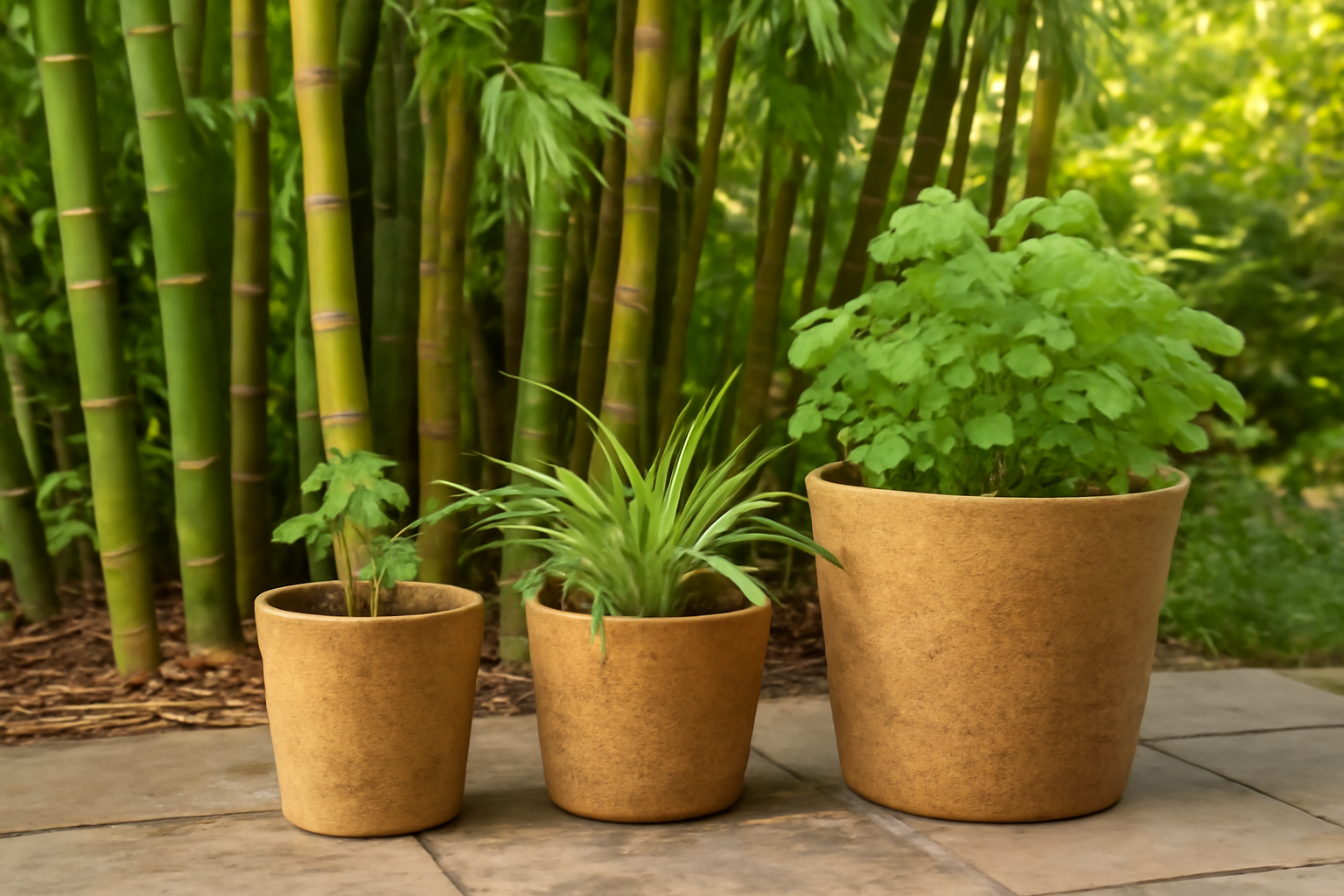
    The Bamboo Fiber Planter Pots That Survived 3 Winters on My Patio

    This post contains affiliate links. As an Amazon Associate, I earn from qualifying purchases at no extra cost to you.

    Three winters ago, I had a patio full of cracked, faded plastic pots and a serious case of plant parent guilt. Every spring, I’d drag out whatever survived — usually not much — and start over. I’d been searching for a better solution and landed deep in a rabbit hole of bamboo fiber planter pots outdoor review content. What I found eventually led me to TerraBamboo, and specifically to a product that genuinely changed how I garden outside.

    My patio faces southwest. That means brutal afternoon sun in summer, hard freezes in winter, and the kind of temperature swings that destroy lesser materials fast. Plastic pots crack. Terracotta shatters. Ceramic is beautiful but heavy and fragile. After losing three ceramic pots to a single hard frost, I was done spending money on things that couldn’t handle real outdoor conditions.

    I also had a recurring problem with overwatering. My schedule is unpredictable — I travel for work — and I’d come home to either bone-dry soil or soggy, root-rotted plants. I needed something durable and smarter about water. That combination is harder to find than you’d think.

    Why I Chose the TerraBamboo Self-Watering Bamboo Planter

    After weeks of research, I kept circling back to bamboo fiber composites. The material is naturally more temperature-resilient than standard plastic. It handles UV exposure better than most organics. Several gardening forums I trust mentioned TerraBamboo specifically. That was enough to push me toward trying the 10 Inch Self-Watering Bamboo Planter (Sage) – Round – Bamboo Fiber – No Overwatering or Root Rot.

    The self-watering feature was the deciding factor. Most self-watering pots I’d seen were purely plastic. This one combined the concept with a bamboo fiber body. I liked that the design promised to prevent both overwatering and root rot — two things that had cost me plants repeatedly. The sage colorway also fit my patio aesthetic without looking cheap or overly trendy.

    Honestly, I was a little skeptical. Bamboo fiber sounds impressive on paper, but I’d been burned by eco-branded products before. Good marketing doesn’t always mean good materials. I ordered one unit first — a trial run before committing to a full patio refresh.

    First Impressions Out of the Box

    The pot arrived well-packaged with minimal plastic, which I appreciated. Right away, the weight surprised me. It’s noticeably lighter than ceramic or thick terracotta, but it doesn’t feel hollow or flimsy. The bamboo fiber construction gives it a solidity that plastic pots simply don’t have.

    The sage finish looks genuinely good. It’s matte, earthy, and consistent across the surface. No molding seams that I could see. The rim felt smooth and sturdy. I pressed my thumbs into the sides expecting flex — there wasn’t much. That impressed me more than I expected.

    The self-watering reservoir is built into the base. The system uses a wicking mechanism that draws water up to the roots as needed. A small fill port sits along the outer edge. It’s discreet and easy to reach. Assembly was simple — the inner pot sits into the outer reservoir shell without any tools.

    What the Build Quality Tells You

    I’ve handled a lot of pots. This one felt premium compared to anything in its price range. The bamboo fiber composite doesn’t have that brittle quality you notice in recycled plastic blends. It feels more like compressed natural material — dense without being heavy.

    My one initial concern was the drainage situation. Self-watering pots need careful design to avoid creating a standing-water problem at the roots. The reservoir separates the water from direct root contact, which addresses that. But I still wanted to see how it performed over time before trusting it fully.

    My Testing Protocol: Three Seasons and Counting

    I planted a rosemary bush in the first pot — rosemary is forgiving enough to survive mistakes but sensitive enough to show stress. I placed it in the most exposed corner of my patio. Full afternoon sun. No shade cover. That spot routinely hits 95°F in summer and drops below 20°F in winter here in central Virginia.

    My routine was simple. I filled the reservoir whenever it ran dry — roughly every five to seven days in summer, less often in cooler months. I checked the moisture level of the soil manually about once a week. I did not bring the pot inside during winter. That was intentional. I wanted real data on how the material handled frost.

    After the first winter, I ordered four more. By the second season, I had seven TerraBamboo pots on my patio. That’s probably the most honest endorsement I can give — I voted with my own money.

    What I Planted and Tracked

    • Rosemary (Year 1 through Year 3 — still alive)
    • Dwarf lavender (survived two winters with zero issues)
    • Trailing petunias (seasonal, but thrived all summer)
    • Cherry tomato (one season — great results)
    • Mint (overgrew the pot, which is a mint problem, not a pot problem)

    Tracking plant health was easy. I photographed each pot monthly and noted watering frequency, soil condition, and any visible wear on the pots themselves. After three full cycles, the data was clear enough to report honestly.

    What Actually Changed After Three Years

    The most significant change was my plant survival rate. Before switching to these pots, I lost plants every winter and struggled through every summer. Since switching, my survival rate on perennials has improved dramatically. The rosemary is the clearest proof point — it’s now a full, established shrub. It’s never been root-rotted or bone-dry.

    The self-watering system works as described. Water in the reservoir doesn’t sit against the roots. Instead, it wicks upward as the soil dries. Plants draw what they need, and the rest stays in reserve. During a ten-day work trip in July — one of my biggest annual gardening anxieties — I came home to healthy plants. That alone justified the purchase price several times over.

    Frost performance genuinely surprised me. Three winters in, none of my seven pots have cracked, chipped, or warped. The material doesn’t seem to absorb water the way terracotta does, which likely prevents freeze-expansion damage. The sage color has faded very slightly in Year 3 — I’ll address that honestly in a moment — but structurally, the pots look almost identical to when I bought them.

    The Moment I Almost Gave Up

    Midway through the second summer, I noticed the lavender looked stressed. Yellowing at the tips, slight wilting. My first thought was that the reservoir system had failed or that water was pooling somewhere it shouldn’t be. I pulled the inner pot out and inspected the reservoir — it was fine. The issue was that I’d forgotten to refill it for almost two weeks during a hot stretch. Entirely my error, not the pot’s.

    I refilled the reservoir, gave the plant a thorough drink from the top, and monitored it. Within a week, it had rebounded. That experience actually reinforced my confidence in the design. The system works when you do your part. It’s not entirely maintenance-free — but it significantly reduces the margin for error.

    The Downsides Worth Knowing

    No product review is complete without honest negatives. Here’s what I’d flag for anyone considering the 10 Inch Self-Watering Bamboo Planter (Sage) – Round – Bamboo Fiber – No Overwatering or Root Rot.

    First, the color does fade somewhat over years of UV exposure. My Year 1 pots in direct sun show a slightly lighter sage tone than my Year 3 purchases. It’s subtle — you’d only notice comparing them side by side — but worth knowing if color consistency matters to your setup.

    Second, the 10-inch size is great for herbs, flowers, and smaller perennials. However, it’s limiting for larger plants. My cherry tomato experiment worked, but I had to be more diligent about watering frequency because the root system grew quickly. For anything that gets truly large, you’d want a bigger pot.

    Third, the reservoir needs monitoring. This isn’t a set-it-and-forget-it system. During peak summer heat, you’re refilling every five to seven days. That’s still far better than daily manual watering, but it’s not zero-maintenance. Manage your expectations accordingly.

    Other Minor Limitations

    • Not ideal for plants that prefer extremely dry soil (cacti, succulents)
    • The fill port is small — a narrow-spout watering can helps
    • Color options are limited currently
    • Availability can vary on Amazon depending on season

    None of these deal-breakers for me. They’re practical things to factor in before buying. I’d rather you know going in than be surprised after.

    Final Verdict: My Bamboo Fiber Planter Pots Outdoor Review After Three Years

    The 10 Inch Self-Watering Bamboo Planter (Sage) – Round – Bamboo Fiber – No Overwatering or Root Rot is the best outdoor planter I’ve owned at this price point. It survived three Virginia winters without cracking. It genuinely reduced my overwatering problem. My plants are healthier, my patio looks better, and I’ve replaced my entire lineup with these pots.

    Buy this if you want a durable, frost-resistant pot that actively helps prevent root rot. It’s especially well-suited for herbs, perennial flowers, compact vegetables, and anyone who travels or has an inconsistent watering schedule. The self-watering feature is real — it works.

    Skip this if you primarily grow cacti, succulents, or anything that demands desert-dry conditions. The reservoir system stays too moist for those plants. Additionally, if you need very large containers, you’ll want to look at bigger sizes.

    For the money, the build quality, and the genuine performance gains I’ve seen, this is an easy recommendation — and it’s the rare product I keep buying more of.

    Also Available: The Cream Colorway

    If sage green doesn’t fit your outdoor aesthetic, TerraBamboo also offers the 10 Inch Self-Watering Bamboo Planter (Cream) – Round – Bamboo Fiber – No Overwatering or Root Rot. Same design, same self-watering system, same bamboo fiber construction — just in a neutral cream finish that works beautifully with white or light-toned patio furniture. My neighbor has three of the cream versions alongside mine, and they’ve held up just as well through the same winters. A great option if you prefer a lighter, more versatile look.