Key Takeaways
- Heavy-duty UV-resistant zip ties (60–250 lbs tensile strength) are the fastest method for attaching bamboo screening to most fence types
- Space fasteners every 12–18 inches vertically and horizontally to ensure even weight distribution and prevent sagging
- Overlap bamboo panels by 2–3 inches at seams to eliminate privacy gaps and improve visual continuity
- Avoid over-tightening fasteners; leave 1/8-inch slack to allow for thermal expansion and airflow through the screening
- Use galvanized or stainless-steel fasteners exclusively to prevent rust staining on bamboo surfaces
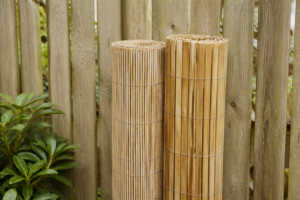
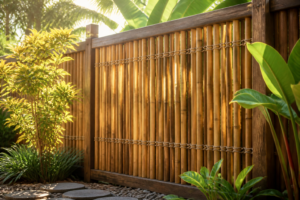
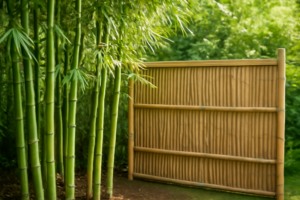
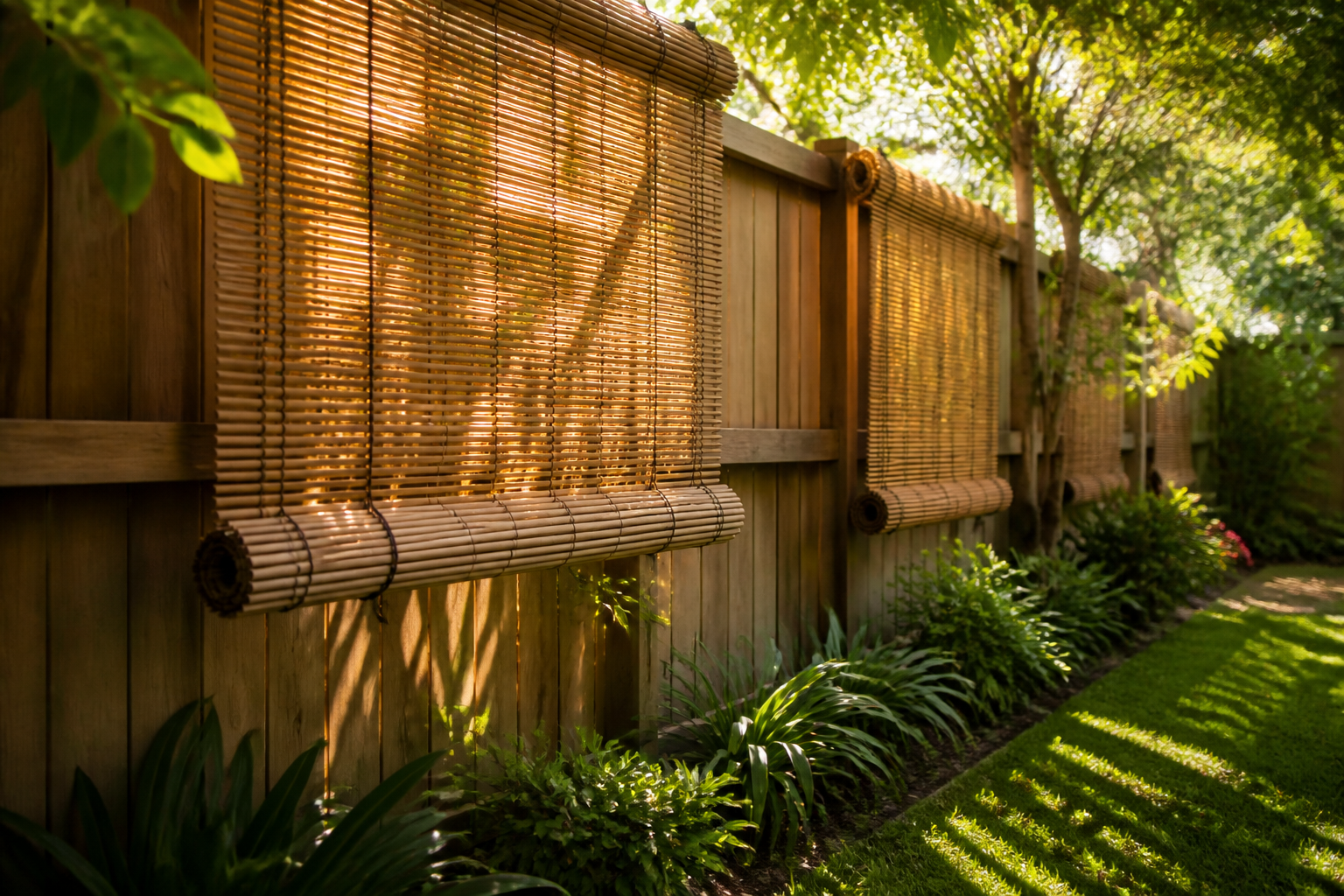
Bamboo screening and reed fencing offer an elegant, eco-friendly solution for privacy and wind protection. Whether you’re working with rolled bamboo panels, natural reed screening, or willow fencing, the installation process varies depending on your fence substrate. This guide is here to help you master how to attach bamboo screening to fence surfaces—from wooden posts to concrete walls and metal corrugated panels.
How to Attach Bamboo Screening to Wood Fence Posts
Wood is the most straightforward substrate for bamboo screening installation. The fibrous nature of timber allows fasteners to grip securely, and the material naturally complements bamboo aesthetics.
Cable Tie Method (Fastest)
Heavy-duty UV-resistant zip ties are ideal for attaching bamboo to wood fencing. Use 18-inch or 24-inch ties with a minimum tensile strength of 60 lbs for standard rolled bamboo panels, or 250 lbs for thicker, denser screening. Space fasteners every 12–18 inches both vertically and horizontally across the screening face.
Step-by-step:
- Unroll your bamboo screening and position it flush against the fence line, ensuring the top edge is level using a spirit level
- Thread the first zip tie through the bamboo lattice and around the fence post; tighten until snug but leave 1/8-inch slack to permit thermal expansion
- Work downward in 18-inch increments, then move to the adjacent post
- Trim excess tie length with scissors or a utility knife
- Overlap adjacent panels by 2–3 inches; secure the overlap zone with additional ties to prevent gaps
Galvanized Staple Method (Maximum Security)
For permanent installations, 16-gauge galvanized fence staples provide superior holding power and are virtually invisible once installed. This method works best on wooden rails and posts.
Drive staples through the bamboo frame (not the cane itself, to avoid splitting) at 12-inch intervals. Use a staple gun rated for outdoor use and 16-gauge fasteners. Always use galvanized or stainless-steel staples—mild steel will rust and create brown stains on bamboo surfaces.
How to Attach Bamboo Screening to Colorbond and Metal Fences
Colorbond fencing (corrugated metal panels) and other metal substrates require fastening methods that don’t compromise the metal’s protective coating. Drilling creates rust-prone entry points, so non-invasive techniques are preferred.
Heavy-Duty Zip Tie Method Through Colorbond Slats
The most reliable approach for how to attach bamboo screening to colorbond fence is threading UV-resistant zip ties through the Colorbond corrugations. This method distributes weight evenly and avoids drilling.
Select 24-inch heavy-duty ties (minimum 150 lbs tensile strength) to span both the Colorbond depth and bamboo thickness. Feed ties through the valley of the corrugations at 18-inch vertical intervals. The corrugated design provides natural anchor points, so fasteners grip securely without supplementary hardware.
Hook-and-Eye Tension Wire System
For Colorbond fences with metal end-posts, a tension wire system eliminates the need for ties across the entire surface:
- Install galvanized eye-bolts at the top and bottom of each end-post
- Run 1/8-inch galvanized wire rope horizontally through the top and bottom bamboo frames
- Anchor wire at both ends using wire rope clamps, tensioning until the bamboo sits flush
- Secure intermediate posts with 3–4 zip ties per vertical section to prevent billowing
How to Attach Bamboo Screening to Brick and Concrete Walls
Masonry substrates require either no-drill adhesive methods or fasteners designed for concrete and brick. How to attach bamboo screening to concrete wall without drilling is possible using modern outdoor adhesives and tension systems.
Adhesive Eye-Hook Method (No Drilling)
Heavy-duty outdoor construction adhesive rated for masonry can secure eye-hooks without damaging the wall. Apply adhesive to galvanized eye-hooks and press firmly into mortar joints (not brick or concrete faces, which are porous). Allow 24 hours curing time, then attach tension wire or cable ties as described above.
Masonry Screw Method (Low-Damage Alternative)
If drilling is unavoidable, use masonry screws (4–6mm diameter) with stainless-steel or galvanized finish. These self-tapping fasteners minimize surface damage and won’t require pre-drilling if you use a hammer drill with a masonry bit. Space anchors every 18 inches and attach bamboo with galvanized L-brackets or directly via zip ties through the screw eye.
How to Attach Bamboo Screening to Metal Fence Posts
Round or square metal posts demand fastening techniques that avoid rust pathways. How to attach bamboo screening to metal fence posts requires either tie-wrapping or wire-lashing methods.
Zip Tie Wrapping for Round Posts
Use 24-inch heavy-duty zip ties to wrap around the post and through the bamboo frame. This method works on both round and square posts. Tighten ties snugly but leave 1/8-inch slack. Stagger tie placement across the post circumference to distribute tension evenly and prevent the post from deforming.
Wire Wrapping Technique
Galvanized garden wire (14–16 gauge) can be wound in figure-eight patterns around posts and through bamboo lattice. This traditional method is particularly effective for custom frames and allows fine tension adjustment. Use a pair of adjustable pliers to twist wire ends together tightly after looping through attachment points.
How to Weave Bamboo Panels and Tie Bamboo Together to Make a Screen
If you’re creating custom bamboo screening rather than using pre-made panels, lashing techniques allow you to construct durable frames. How to tie bamboo together to make a screen requires understanding two primary lashing methods used in bamboo joinery.
Square Lashing (Maximum Rigidity)
This method is ideal for perpendicular joints and creates frames that resist racking:
- Position two bamboo culms (stalks) to form a 90-degree corner
- Wrap natural jute twine or synthetic outdoor cordage over the top culm and under the bottom culm four times
- Add two diagonal “frapping” wraps by crossing over the top of the joint
- Tie off with a secure clove hitch knot
Diagonal Lashing (Flexible Joins)
For angled or X-pattern frames, diagonal lashing provides flexibility:
- Cross two bamboo poles at your desired angle
- Wrap cordage diagonally over and under the crossing point, creating an X pattern
- Make 4–6 passes, then complete with frapping wraps perpendicular to the first passes
- Secure with a clove hitch
Weaving Bamboo Poles Through Existing Lattice
To create woven panels, thread bamboo poles horizontally through vertically-mounted culms (or vice versa). Space poles 4–6 inches apart for privacy screening, or 8–12 inches for decorative purposes. Secure weaving intersections with small zip ties or lashing—avoid glue, as it compromises bamboo’s natural movement and durability.
Attaching Reed Screening and Willow Fencing
Reed screening (Phragmites australis) and willow fencing follow the same attachment principles as bamboo but with important weight and flexibility considerations. Reed is typically lighter (4–6 lbs per panel vs. 8–12 lbs for bamboo) but more fragile. Willow is denser and heavier, requiring stronger fasteners spaced at 12-inch intervals.
Use the same zip tie and staple methods described above, but increase fastener quantity for willow. For reed, use gentler handling and narrower zip ties (12–18 inch) to avoid crushing the hollow culms.
Common Installation Mistakes to Avoid
- Over-tightening fasteners: Excessive tension restricts airflow, traps moisture, and accelerates bamboo degradation. Leave 1/8-inch slack in every tie and staple.
- Insufficient panel overlap: Gaps of even 1/2 inch between panels compromise privacy. Overlap all seams by minimum 2–3 inches.
- Using rust-prone fasteners: Mild steel staples and ties will oxidize and stain bamboo surfaces within 6–12 months. Always specify galvanized, stainless-steel, or UV-resistant components.
- Skipping intermediate fasteners: Spacing ties more than 18 inches apart allows sagging and uneven load distribution. Maintain consistent 12–18 inch spacing in both directions.
- Installing without leveling: Uneven top edges appear unprofessional and cause uneven stress on fasteners. Use a 4-foot spirit level before securing the first fastener.
Heavy-Duty Zip Ties That Actually Hold Bamboo Screening in Place Year-Round
After years of watching cheaper zip ties snap under wind load and UV degradation, I learned that bamboo screening attachment demands industrial-grade fasteners. The tensile strength and weather resistance of premium zip ties directly determine whether your screening stays tight or begins to sag and separate from the fence within a season.
What works
- UV-resistant nylon holds its grip through multiple freeze-thaw cycles without brittling or snapping—I’ve had the same ties holding tight after three winters of exposure.
- High tensile strength (60–250 lbs depending on size) prevents screening from shifting when bamboo canes press against the barrier from the inside during growth surges.
- Quick installation means you can secure screening in an afternoon rather than drilling holes and installing hardware, leaving more time to actually tend your grove.
What doesn’t
- Once cinched tight around bamboo screening and fence posts, ties are difficult to adjust or remove without cutting them off—there’s no loosening and retightening if you miscalculate spacing.
- Black ties can become slightly brittle in extreme direct sun after 4–5 years, even UV-rated ones, so expect to replace them if your screening faces intense afternoon exposure without any shade.
I nearly abandoned zip ties entirely after the first batch I bought snapped under a heavy wet snow load, but switching to genuine industrial-grade ties solved that problem completely.
About This Article

Written by Marcus Chen. Marcus Chen has spent 15 years cultivating and studying bamboo across 14 different species, combining commercial growing operations with extensive hands-on experience in species selection and containment. As both a grower and consultant, he specializes in practical bamboo management, helping homeowners and landscapers understand the real-world requirements for responsible bamboo cultivation. Marcus brings tested knowledge of which species thrive reliably and which present containment challenges that go beyond standard recommendations. More about this site.
Verify this against a primary source
Specifics change, and your situation may differ from the one described here. These are the authorities worth checking directly:
- American Bamboo Society — species listings and cultivation guidance
- USDA PLANTS Database — species range and identification
- USDA Plant Hardiness Zone Map — cold hardiness verification for your location