Someone asked me how old my oldest bamboo grove is, and I realized I didn’t have a clean answer — because “how long does bamboo live” is actually two separate questions people mix up all the time. Individual culms have a firm expiration date you can predict almost to the year. The rhizome system underneath them is a completely different story, one that involves a flowering event so rare and so poorly understood that entire groves have died on schedules nobody could explain. I’ve thinned enough aging culms out of my own plantings to know exactly which parts of the bamboo lifespan are within a grower’s control and which absolutely are not.
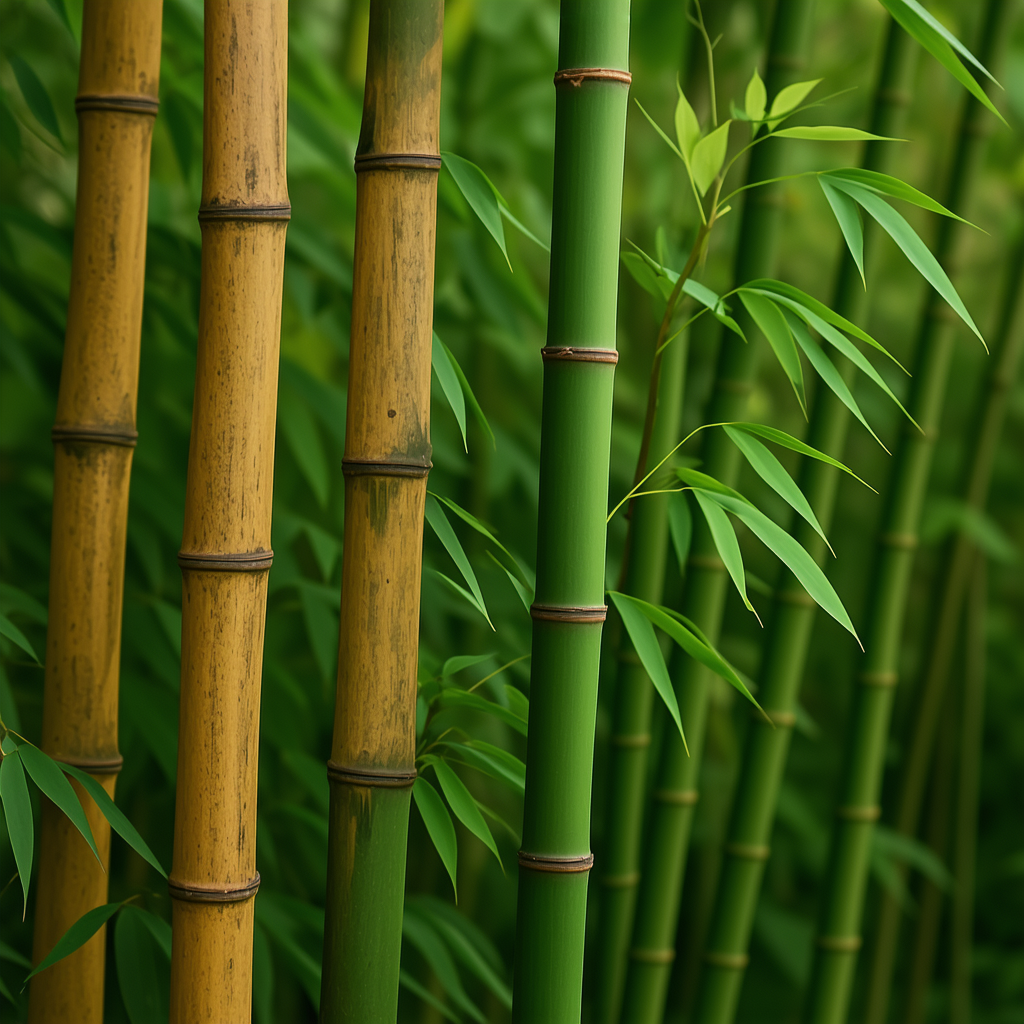
The answer matters because it changes how you manage your bamboo. If you’re planning a privacy screen that’ll still be there in 20 years, or wondering whether to thin out older growth, or just trying to understand what’s happening in your grove when sections mysteriously stop producing vigorous new shoots — you need to know the difference between culm lifespan and rhizome lifespan. That distinction is the core of what I’m going to walk you through.
How Long Individual Culms Live
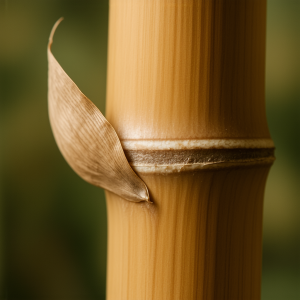
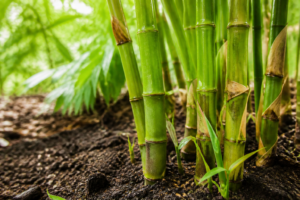
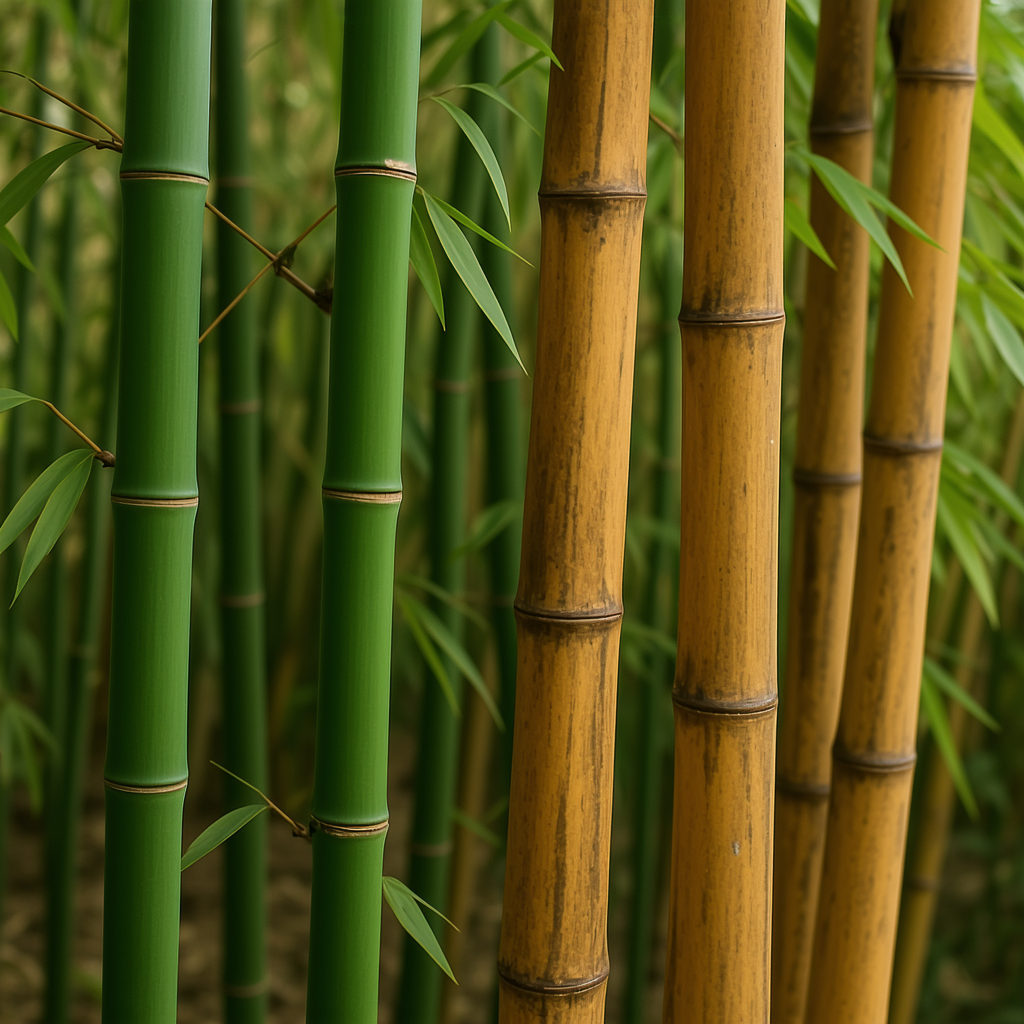
This part is the most straightforward, and it’s the reason I can actually thin my bamboo with confidence. Individual culms — the aboveground shoots that make up the visible part of your bamboo — have a predictable lifespan that varies by species and usually falls between 5 and 15 years.
For running bamboos like Phyllostachys edulis (giant timber bamboo), I’ve found that culms stay fully vigorous for about 7 to 10 years. After that, they begin to lose structural integrity. The walls of the culm get thinner, the branches get weaker, and photosynthetic output drops noticeably. By year 12 or 13, even though the culm is technically still alive, it’s past its prime and taking up space and energy that newer growth could use better.
Clumping species run a bit shorter. Fargesia robusta (umbrella bamboo), which I’ve grown as a screening plant for eight years now, typically keeps individual culms healthy for 4 to 7 years. After that, you’ll notice the culms get thin, the leaf canopy thins out, and the whole plant looks less dense.
The exact age depends on:
- Growing conditions: Well-fed, well-watered bamboo produces stronger culms that may stay vigorous slightly longer
- Species genetics: Larger timber bamboos tend to live longer than smaller ornamental varieties
- Climate stress: Harsh winters or drought can shorten a culm’s useful lifespan by a year or two
- Pest and disease pressure: Bamboo mites or fungal issues can age culms prematurely
Why You Should Thin Aging Culms
Here’s the practical part that changed how I manage my groves: thinning out culms that are past their prime isn’t just cleanup — it’s active plant management that improves the whole clump’s productivity and appearance.
When I let aging culms sit in my grove for too long, two things happen. First, the canopy gets filled with thin, weak branches and sparse foliage. Your bamboo looks scraggly instead of dense. Second, those old culms are still drawing water and nutrients from the rhizome system, but they’re not contributing much photosynthesis in return. You’re essentially feeding dead weight.
The solution is simple culm thinning:
- In late winter or early spring (when you can see the culm structure clearly), identify the oldest culms. These are typically the thickest in diameter but thinnest in branch density
- Use a sharp pruning saw to cut them at ground level — bamboo saws work well, but a regular bow saw does the job fine
- Remove about 15–25% of the total culm count, taking the oldest ones first
- Within a season, the rhizome system will direct more energy to newer shoots, and you’ll see noticeably denser, more vigorous growth
I started doing this after year 3 in my Phyllostachys edulis stand, and the difference in canopy density by year 5 was remarkable. Dense, thick foliage where there had been thin, straggly growth.
The Rhizome System — Where It Gets Complicated
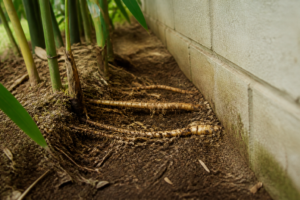
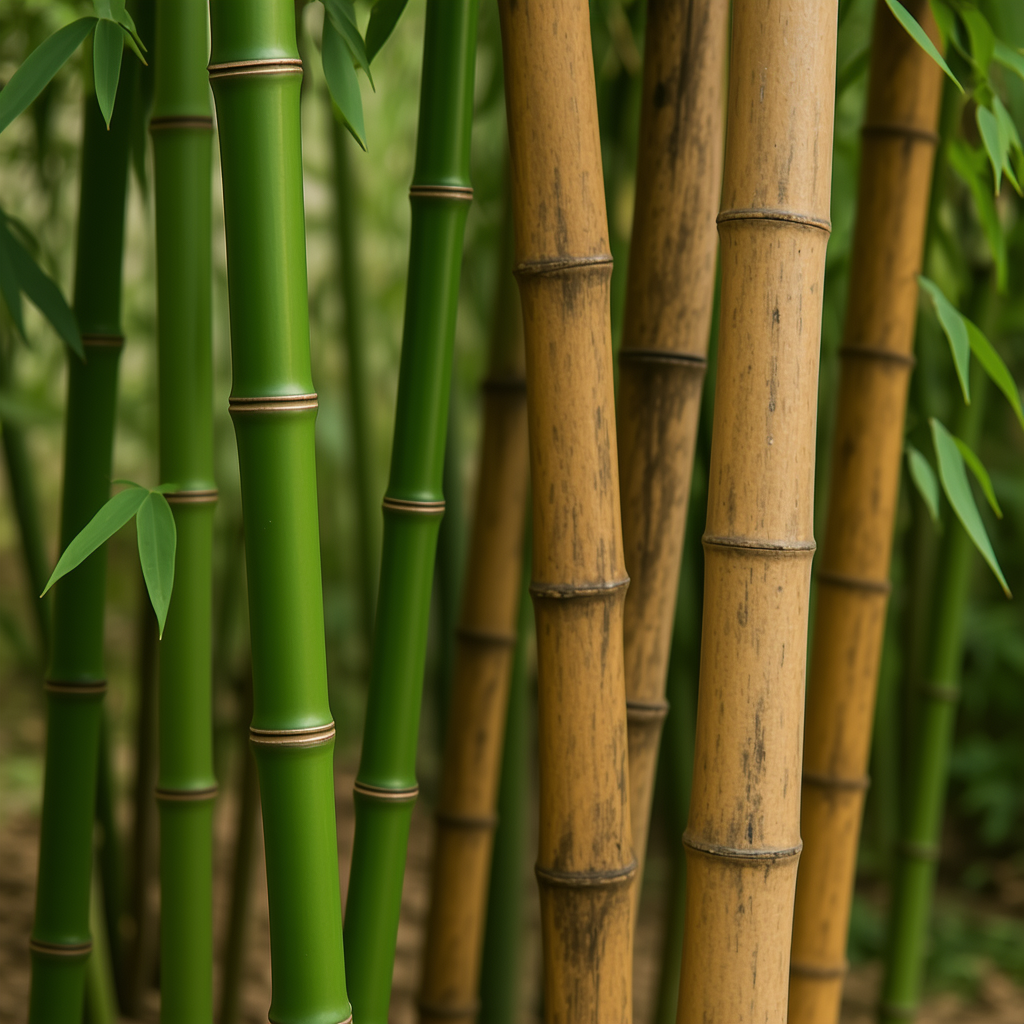
The rhizome (the underground network of roots and nodes) is where the real lifespan question gets murky. Unlike culms, rhizome systems don’t have a simple built-in expiration date. They can theoretically live for decades, sending up new culms year after year.
The “but” is enormous: bamboos flower.
Most bamboo species have what’s called a gregarious flowering cycle — meaning all plants of that species, worldwide, often flower at the same time on a schedule that’s usually 15 to 120 years long, depending on the species. Phyllostachys edulis has a flowering interval around 120 years. Phyllostachys nigra (black bamboo) flowers roughly every 60–80 years. Some clumping species flower on 30 to 50-year cycles.
Here’s where it gets grim: when a bamboo flowers, it dies. The entire plant — rhizome and all — puts everything into reproduction and then collapses. This is why entire groves of the same species sometimes mysteriously die simultaneously, even if they’re on different continents. They’re all on the same genetic flowering clock.
The problem is, we don’t fully understand the triggers. It’s not just about age. Some groves flower on schedule. Others seem to skip their cycle. Stress can apparently accelerate flowering in some cases, but not always. It’s genuinely one of the least predictable aspects of long-term bamboo cultivation.
For practical purposes, if you’re growing bamboo for a screen or a hedge, you don’t need to lose sleep over this. By the time your bamboo reaches its flowering age, you’ll have gotten decades of use out of it. And if it does flower, you can propagate new plants from rhizome divisions beforehand — which is the insurance policy most serious bamboo growers use.
Practical Lifespan Management for Your Grove
So what does this mean for how you actually grow bamboo? Here’s what I’ve learned by maintaining groves of different species over nearly two decades:
- Plan for culm turnover: Expect to do light thinning every 3–5 years as culms age out. This keeps the stand vigorous and dense
- Don’t over-thin: Removing more than 30% of culms in one year can shock the rhizome and reduce next year’s growth
- Keep the best genetics: If you have a particularly vigorous or attractive clone, take rhizome cuttings every 5–7 years as a backup
- Monitor for vigor changes: If an entire grove suddenly produces fewer, thinner shoots, it might be approaching its flowering cycle — but it’s more likely just needs feeding or better water
The Bottom Line on Bamboo Lifespan
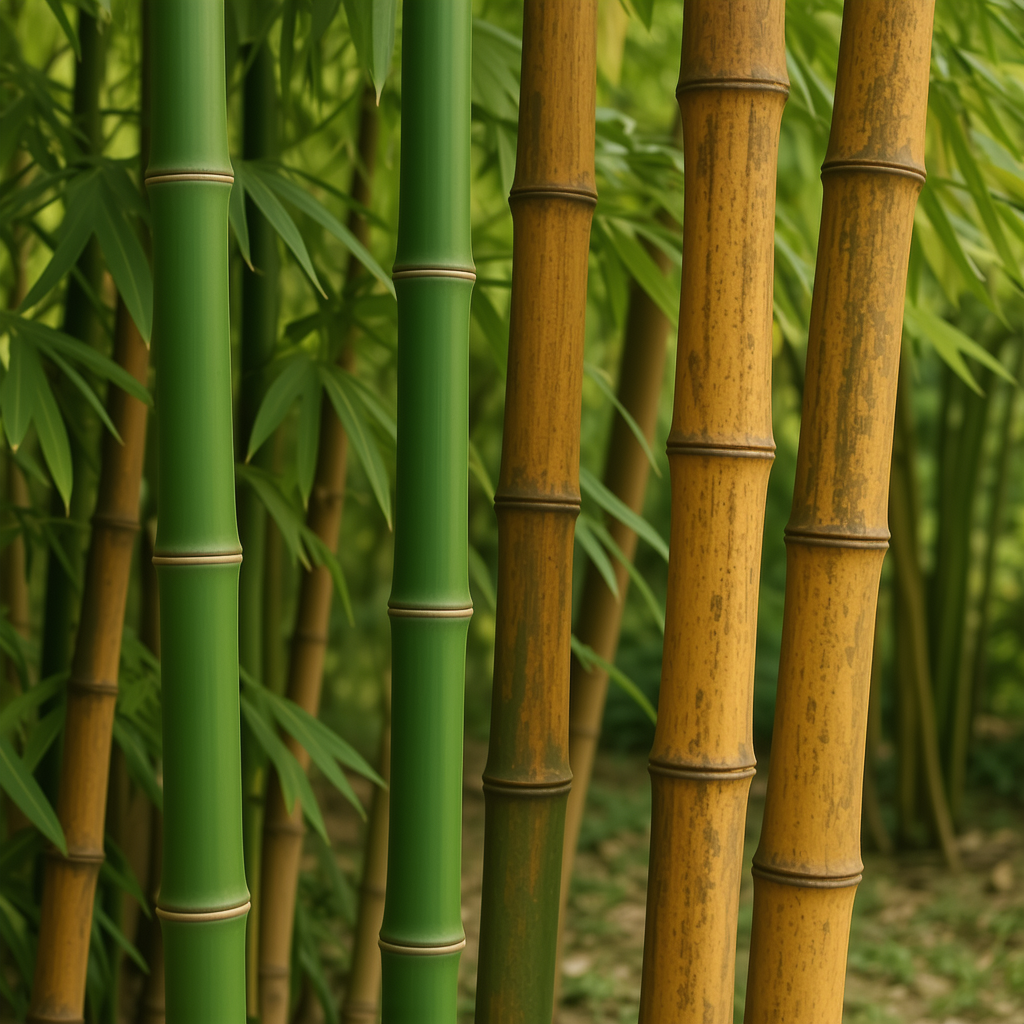
When someone asks me how old my bamboo is now, I have a better answer. The individual culms topping my grove are mostly 6–9 years old. The rhizome system underneath is closer to 18 years. And if all goes normally — no surprise flowering event — it could easily keep producing vigorous new growth for another 20+ years.
The bamboo lifespan you actually need to manage is the culm lifespan: 5–15 years depending on species, with regular thinning keeping your stand productive and looking its best. The rhizome can keep going nearly indefinitely, unless a flowering event happens — which is rare enough and unpredictable enough that you shouldn’t let it stop you from planting bamboo.
If you’re planning a new bamboo planting or managing an existing one, start with regular culm thinning this spring. Pick out the oldest, thinnest culms in your grove and remove them. You’ll see the difference in density and vigor within a single growing season. That’s the lifespan management that’s actually within your control — and it makes all the difference between a tired-looking stand and a beautiful, productive grove.
About This Article

Written by Marcus Chen. Marcus Chen has spent 15 years cultivating and studying bamboo across 14 different species, combining commercial growing operations with extensive hands-on experience in species selection and containment. As both a grower and consultant, he specializes in practical bamboo management, helping homeowners and landscapers understand the real-world requirements for responsible bamboo cultivation. Marcus brings tested knowledge of which species thrive reliably and which present containment challenges that go beyond standard recommendations. More about this site.
Verify this against a primary source
Specifics change, and your situation may differ from the one described here. These are the authorities worth checking directly:
- American Bamboo Society — species listings and cultivation guidance
- USDA PLANTS Database — species range and identification
- USDA Plant Hardiness Zone Map — cold hardiness verification for your location