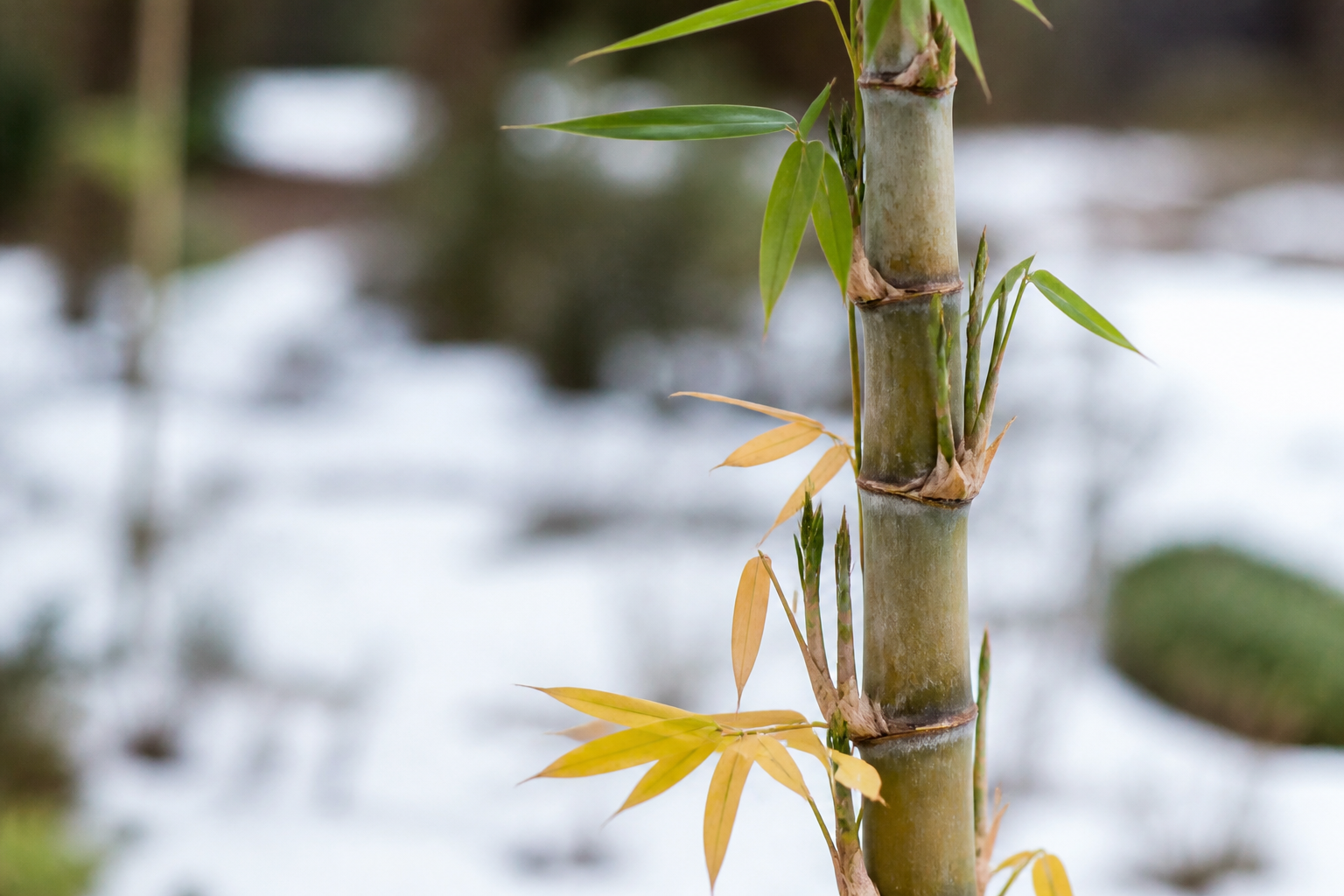
When bamboo foliage turns yellow in early spring, your first instinct might be to worry about disease or pest damage. But what you’re seeing is almost always stress from winter itself—and the cause matters, because the fix isn’t the same for every type of yellowing.
The good news: most winter yellowing resolves on its own once soil warms and growth resumes. The hard part is knowing whether your bamboo will recover without intervention, or whether something more serious happened underground.
Cold Damage vs. Nutrient Lock-Up: The Most Common Culprits
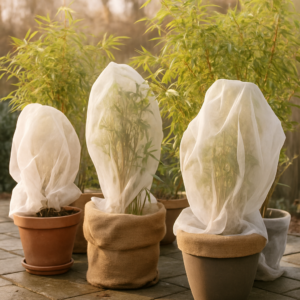
Cold damage happens when temperatures drop below what a species can tolerate. Bamboo cells contain water, and when that freezes, cell walls rupture. New growth at the tips of canes and leaves shows damage first—edges turn brown or yellow, and in severe cases, entire shoots wilt or blacken.
Nutrient lock-up looks different but feels the same to frustrated gardeners. When soil temperature drops near or below freezing, microbial activity that breaks down organic matter nearly stops. Even if nutrients are present in the soil, roots can’t absorb them efficiently because root activity slows dramatically in cold soil. You get yellow leaves despite adequate fertilizer in the ground—the plant just can’t access it. This yellowing tends to be more uniform across the leaf rather than concentrated at edges.
Here’s the key difference: cold damage fades as new leaves emerge in warmer weather. Nutrient lock-up resolves once soil temperature climbs and microbial life and root function resume.
How to Tell Which You’re Facing
Look at the pattern and timing of the yellowing.
- Tip burn and edge browning, worst on exposed growth → cold damage. Tender new shoots and leaf margins froze. This is especially common on the southern or western side of plants, where daytime sun warms tissue before a hard freeze at night.
- Uniform pale yellow across older and newer leaves, appearing mid-to-late winter or lingering into early spring → likely nutrient lock-up or slow root function.
- Yellowing that intensifies in poorly draining soil, especially after a thaw → possible freeze-thaw root damage (see below).
- Sudden collapse or blackening of entire canes shortly after a hard freeze → severe cold damage; the cane is dead or dying.
Freeze-Thaw Cycles: The Damage That Surprises You
This is where containment and soil conditions matter. When soil freezes solid, then thaws, then freezes again—which happens throughout winter in temperate zones—the expansion and contraction can tear fine root hairs and damage the delicate root collar where rhizomes meet canes.
You might not see symptoms immediately. Damage can appear weeks later as canes yellow, weaken, or fail to flush new growth. It’s particularly common in heavy clay or compacted soil, where water retention and freezing depth are worst.
This damage is irreversible for affected roots, but the plant usually survives if the rhizome system is intact. The key to prevention is improving drainage before winter—not during it.
What Actually Helps, and What Wastes Time
| Symptom | What helps | What doesn’t help |
|---|---|---|
| Tip browning & edge scorch | Wait for warm weather; prune dead tips after new growth emerges | Fertilizing while soil is cold |
| Pale uniform yellowing | Warm soil, patience; compost mulch to warm soil faster | Fungicide (not a disease); harsh pruning |
| Slow recovery into late spring | Check drainage; add compost; ensure soil isn’t compacted | Aggressive fertilizing; extra water |
| Dead or blackened canes | Remove them; assess if species is hardy enough for your zone | Trying to “save” canes with sprays |
Pruning dead growth now is tempting but usually premature. Once temperatures stabilize above freezing and new leaf buds swell, you’ll see what’s actually dead versus dormant. Pruning too early removes canes that might still recover and prevents you from assessing real damage.
Fertilizing in frozen or near-freezing soil doesn’t help yellowed foliage; roots aren’t active enough to absorb nutrients. Wait until soil is consistently above 50°F (10°C) and new growth is visible.
Fungicide or disease spray won’t touch winter stress. You’ll just waste money and miss the real problem.
What You Should Actually Do Right Now
- Stop worrying if the canes are still green and firm. Yellowing foliage on otherwise healthy canes almost always recovers. You’re not facing bamboo death; you’re facing a seasonal slowdown.
- Improve drainage if you suspect freeze-thaw damage. If you have clay soil or standing water after winter melt, work compost and coarse sand into the top 6–8 inches around the rhizome area. Do this gently—you don’t want to damage new rhizomes pushing out. Better drainage means shallower frost penetration and less heaving next winter.
- Mulch with compost, not bark. Compost insulates better and adds organic matter that improves soil structure over time. A 2–3 inch layer around the base (not touching the culms) moderates soil temperature and aids drainage.
- Confirm your bamboo is hardy enough for your zone. If you’re in zone 5 or colder and planted a tropical clumping species, repeated winter yellowing is normal—and next winter might be worse. Some species just aren’t built for sustained hard freezes. If this pattern repeats yearly and recovery is slow, a hardier species selection might be the real answer.
- Watch for new growth in 4–6 weeks. Once air temperature stays above 50°F consistently and soil begins to warm, rhizomes wake up. New culms and leaves emerge, and the extent of actual damage becomes clear. That’s when—and only when—you can prune confidently.
When It’s Actually Something Else
Yellowing that doesn’t follow the patterns above, or that spreads to canes (not just foliage) even as temperatures warm, warrants closer attention. Look for:
- Soft, mushy tissue at the rhizome or base (possible root rot, usually from poor drainage year-round)
- Insect damage, webbing, or stippling on leaves (spider mites, scale—less common after cold but possible)
- Sudden wilting despite wet soil (root damage from other causes; verify drainage)
If you suspect a serious problem beyond winter stress, consulting a local extension office or a licensed arborist can help rule out disease or pest issues specific to your area.
The Bottom Line
Winter yellowing on bamboo is almost never a crisis. It’s a sign that your plant experienced cold stress, nutrient starvation due to frozen soil, or root disruption from freeze-thaw cycles. Each resolves differently, but all resolve better with patience than panic.
Improve drainage this spring, add compost mulch, resist the urge to fertilize or spray, and wait for warm soil. By mid-to-late spring, you’ll know exactly what survived and what didn’t—and that clarity is far more useful than guessing now.
About This Article

Written by Marcus Chen. Marcus Chen has spent 15 years cultivating and studying bamboo across 14 different species, combining commercial growing operations with extensive hands-on experience in species selection and containment. As both a grower and consultant, he specializes in practical bamboo management, helping homeowners and landscapers understand the real-world requirements for responsible bamboo cultivation. Marcus brings tested knowledge of which species thrive reliably and which present containment challenges that go beyond standard recommendations. More about this site.
Verify this against a primary source
Specifics change, and your situation may differ from the one described here. These are the authorities worth checking directly:
- American Bamboo Society — species listings and cultivation guidance
- USDA PLANTS Database — species range and identification
- USDA Plant Hardiness Zone Map — cold hardiness verification for your location