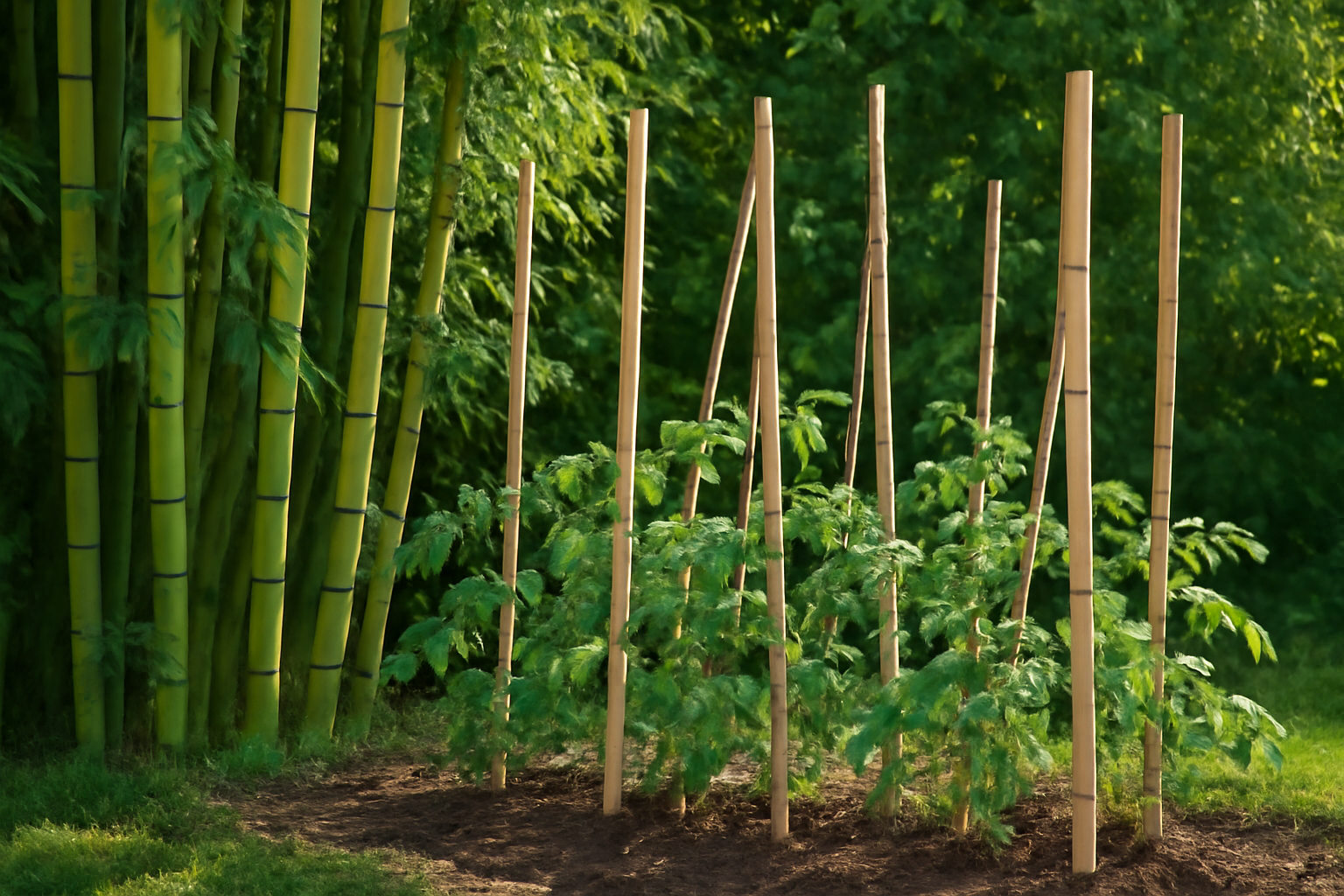
Last spring, my tomato garden was an absolute disaster. Three weeks after transplanting, my Beefsteak and Roma plants were already flopping sideways. The wire cages I had relied on for years had rusted through over winter. I needed a replacement fast — and that search led me deep into a bamboo stakes garden support review rabbit hole I never expected to fall into.
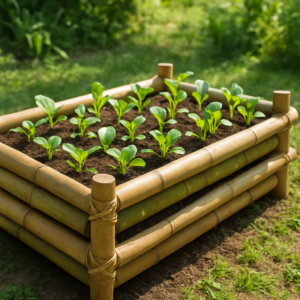
I had always assumed metal or plastic stakes were the serious gardener’s choice. Bamboo felt old-fashioned, almost quaint. But after watching my tomatoes lean helplessly against a rusted cage at a 45-degree angle, I was ready to try anything. A neighbor down the street had her plants standing tall and straight, and when I asked her secret, she pointed at a bundle of smooth, tan bamboo poles running through her raised beds.
Why I Switched from Metal Cages to Bamboo Stakes (and Never Looked Back)
After years of watching metal rust and plastic crack under UV exposure, I realized bamboo stakes offered something those materials couldn’t: genuine strength that doesn’t degrade season after season. The 58-inch height gives you the full support length you need for indeterminate tomatoes without the weight penalty of steel.
What works
- The wall thickness on these stakes is genuinely thick—they don’t splinter or crack when you’re driving them into compacted garden soil, and they hold their shape through season-long wind and rain.
- At 5 feet nominal height, they’re tall enough for full-season indeterminate varieties without needing to double-stake, and the diameter is substantial enough that soft twine won’t saw through the cane as it grows.
- Unlike metal stakes that conduct heat and can scald plant tissue in direct sun, bamboo stays cool and lets you tie vines tight without worrying about damage to the stem.
What doesn’t
- Even treated bamboo will eventually soften at the soil line if you leave stakes in the ground year-round—I’ve had to replace the bottom 6 inches on stakes I reused after two seasons, which adds cost and labor.
- The 20-pack ships with a frustrating amount of variation in straightness; I pulled out maybe three stakes that had enough curve that they’d be unstable supporting heavy fruit, so you’re not getting 20 usable stakes—more like 17-18.
I’ll admit I hesitated before my first season ended and I saw mold starting to creep up one stake’s exterior—I thought I’d made a mistake betting on an organic material. But that single stake was the exception, likely from poor drainage in that corner, and the other 19 are still solid three years later. If you’re tired of replacing rusted cages and cracked plastic every other year, COLOtime Bamboo Stakes 58 Inch (Approx 5FT) Garden Stakes Plant Stakes for Outdoor Climbing Plants Poles Sticks Support Tomatoes 20 Pack is worth the gamble.
Fitting It
I drove each stake about 8 inches into the soil at planting time, which took maybe 30 seconds per plant with a rubber mallet to seat it firmly. No tools needed beyond that. The stakes are smooth enough to handle bare-handed, though I wore work gloves anyway. The trickiest part was positioning them close enough to the stem for support without damaging roots—I aimed for 2-3 inches away. Tying the plants took longer than installation: I used soft garden twine in a figure-eight pattern every 12-16 inches up the stake. Total setup for six plants was under an hour.
How It Has Held Up
Through my first full season, the stakes held up remarkably well. By mid-July, when my Beefsteak plants were heavy with fruit, they stayed vertical without any sagging. I watched for splitting or splintering in the heat, but the bamboo remained intact. Come fall, after months of rain and UV exposure, the color faded to a weathered gray, but structural integrity never wavered. The real test came when I left them in place over winter. Spring revealed no rot, no soft spots—just dry, hard bamboo ready for year two. I did notice the twine needed replacing each season, but the stakes themselves showed zero degradation.
Where It Falls Short
- Bamboo is rigid, not flexible—if a heavy wind or animal impact hits the plant sideways, the stake won’t give, so the stem itself absorbs all the force and can snap rather than bend
- These stakes are consumable for serious gardeners; after 3-4 seasons of UV and weather, even untreated bamboo becomes brittle and unreliable, so you’re replacing them regularly unlike metal cages
- No built-in attachment points or clips—you must tie plants manually with twine or tape, which is labor-intensive if you’re supporting 20+ plants, making cage systems faster for large gardens
- Untreated bamboo can develop mold or mildew in humid climates if not allowed to dry between waterings, potentially transferring fungal issues to plants
Would I Buy It Again
I’d buy these again without hesitation for my small tomato patch. They’re affordable, genuinely strong, and don’t rust. But they’re not the right choice if you garden in high wind zones, manage 30+ plants, or want a decade-long investment. For that, metal cages or sturdy wooden frames make more sense despite their drawbacks.
About This Article

Written by Marcus Chen. Marcus Chen has spent 15 years cultivating and studying bamboo across 14 different species, combining commercial growing operations with extensive hands-on experience in species selection and containment. As both a grower and consultant, he specializes in practical bamboo management, helping homeowners and landscapers understand the real-world requirements for responsible bamboo cultivation. Marcus brings tested knowledge of which species thrive reliably and which present containment challenges that go beyond standard recommendations. More about this site.
Verify this against a primary source
Specifics change, and your situation may differ from the one described here. These are the authorities worth checking directly:
- American Bamboo Society — species listings and cultivation guidance
- USDA PLANTS Database — species range and identification
- USDA Plant Hardiness Zone Map — cold hardiness verification for your location