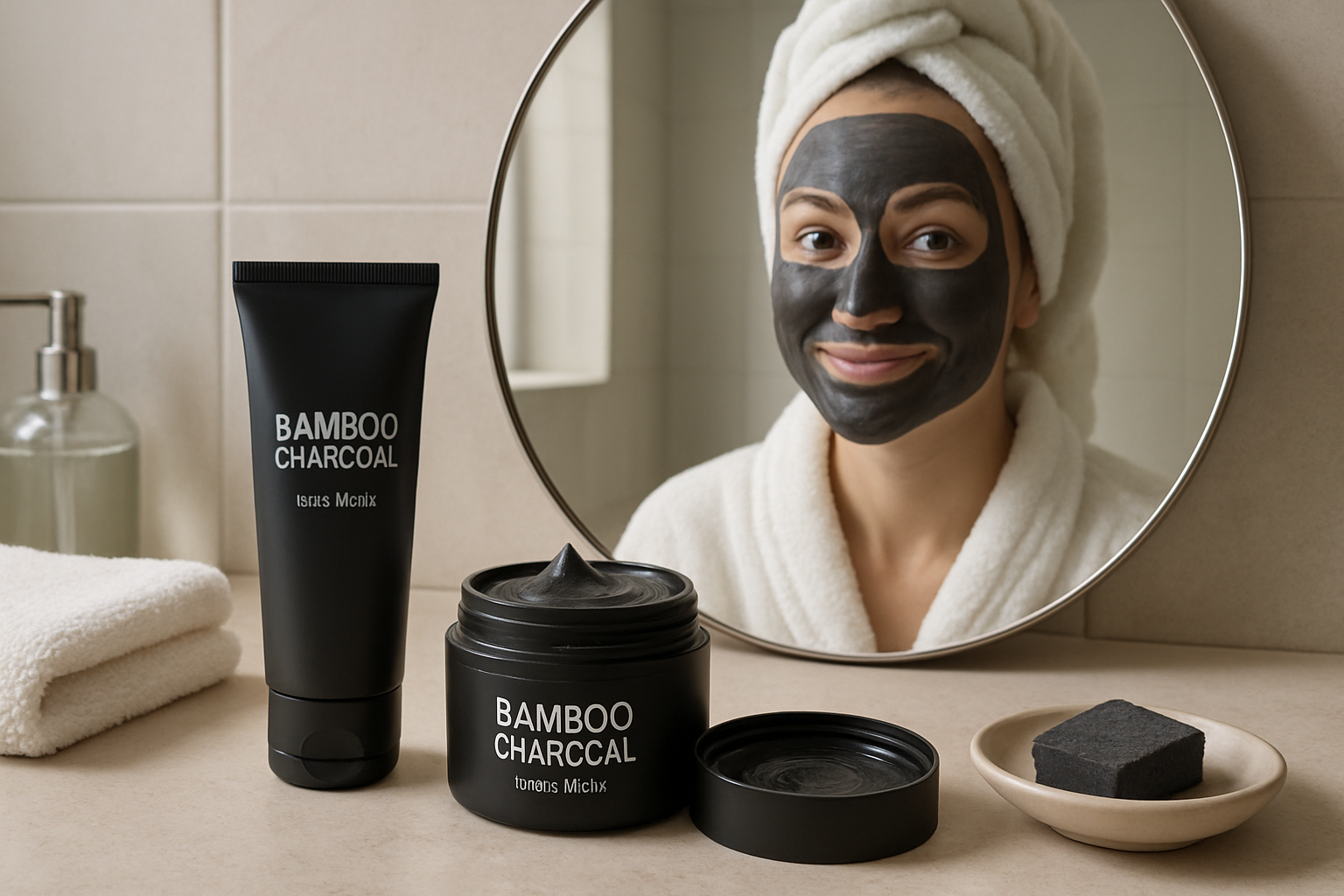
I burned my lunch so badly last Tuesday that the smoke alarm went off, my neighbor knocked on the door to check if I was alive, and I ended up accidentally discovering my new favorite skincare routine. Let me explain. I’d been meaning to try a bamboo charcoal face mask for months after seeing them pop up everywhere, but I kept putting it off. Then I scorched a pan of rice so thoroughly that the bottom layer turned into a perfect slab of matte black carbon, and something clicked in my brain. Bamboo. Charcoal. Face. Right now.
Okay, I did not actually smear burnt rice on my face. I want to be very clear about that. But standing there in my smoke-filled kitchen, waving a dish towel at the ceiling detector while my rice resembled a lump of coal, I finally understood something I’d been reading about for ages: bamboo, when burned under controlled conditions, produces one of the most useful natural substances on the planet. And skincare fans have known this for years.
What Is Bamboo Charcoal and Why Is It All Over My Instagram?
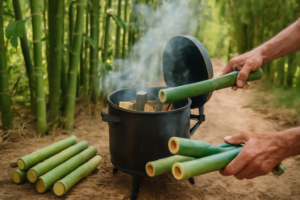
Bamboo charcoal is made by burning bamboo — specifically mature bamboo stalks — at extremely high temperatures, usually between 800°C and 1200°C, in a low-oxygen environment. This process is called pyrolysis, and it’s been practiced in East Asia for centuries. The result is a highly porous material with an enormous surface area packed into a tiny amount of substance. We’re talking about millions of microscopic pores per gram.
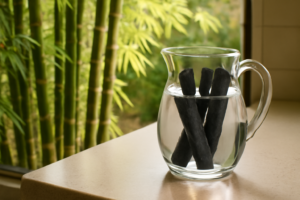
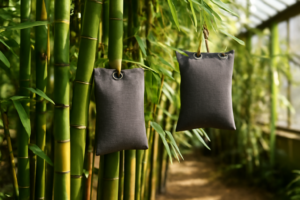
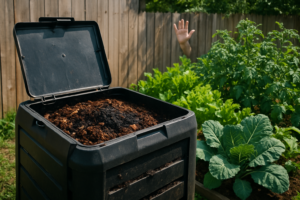
That porous structure is the whole secret. Those tiny chambers act like magnets for impurities, drawing out dirt, oil, bacteria, and toxins from whatever they come into contact with. In the garden, bamboo charcoal improves soil drainage and nutrient retention. In skincare, those same properties go to work on your pores. It’s the same plant doing two completely different jobs brilliantly, which honestly feels very on-brand for bamboo.
Bamboo reaches maturity faster than almost any other plant on earth — some species grow several feet in a single day — which makes it a genuinely sustainable source for charcoal production. When you’re using a bamboo charcoal product, you’re benefiting from something that can be responsibly replenished, which isn’t something you can say about a lot of skincare ingredients.
How a Bamboo Charcoal Face Mask Actually Works on Your Skin
Here’s the part I kept glossing over until burnt-rice Tuesday forced me to actually sit down and read. A bamboo charcoal face mask typically works in one of two ways: as a peel-off mask or as a wash-off clay-style mask. The peel-off variety is the dramatic, satisfying one you’ve probably seen in those oddly compelling videos where someone slowly peels a black sheet off their face and looks unreasonably pleased about it.
When you apply a peel-off bamboo charcoal mask, the formula adheres to the surface of your skin and, more importantly, into your pores. As it dries and firms up, it grabs onto blackheads, excess sebum, dead skin cells, and environmental grime. When you peel it away, all of that comes with it. It’s essentially a deep-cleaning session that goes beyond what a regular face wash can manage.
A few things to keep in mind before you dive in:
- Always do a patch test on your inner wrist before applying any new mask to your full face, especially if you have sensitive skin.
- Apply to clean, slightly damp skin for best adhesion and more comfortable removal.
- Avoid the eye area, eyebrows, and hairline — you’ll thank yourself during removal.
- Most formulas work best when left on for 15 to 20 minutes, until fully dry.
- Once or twice a week is plenty. Over-masking can strip your skin’s natural barrier.
- Follow up with a good moisturizer, since charcoal masks are thorough and your skin will appreciate some hydration afterward.
Recommended Products: The Bamboo Charcoal Masks I’d Actually Put on My Face
After my kitchen epiphany, I went down a proper research rabbit hole and landed on these options. Whether you’re a first-timer or looking to upgrade your routine, there’s something here for everyone.
The Harvesting Knife That Finally Let Me Process Culm Without Destroying My Hands
When you’re cutting fresh bamboo culm for charcoal production or processing, a dull blade turns a 10-minute job into a frustrating battle with splinters and crushed fibers. A sharp, properly designed harvesting knife makes the difference between clean cuts that dry evenly and ragged culm that wastes half your material.
What works
- The blade angle cuts through mature culm cleanly without requiring a mallet or saw — you can actually feel when you’ve hit the sweet spot in one stroke.
- The handle doesn’t slip when your hands are wet from morning dew or handling freshly harvested bamboo, which matters more than you’d think during repetitive cutting.
- Cleanup is fast because the blade doesn’t trap bamboo dust and fiber the way serrated edges do, so you’re not spending 20 minutes scrubbing between harvests.
What doesn’t
- You have to sharpen it more often than I expected — monthly if you’re harvesting weekly — and the learning curve for maintaining the edge angle is real.
- It’s not great for cutting through the node joints on very thick mature culm; you still need a saw for those, so this doesn’t replace your entire toolkit.
I almost returned it after the first week because I thought the blade was chipping, but it turned out I was just hitting nodes head-on instead of angling the cuts. Once I adjusted my technique, everything changed. Tailgenci Bamboo Charcoal Peel Off Face Mask
About This Article

Written by Marcus Chen. Marcus Chen has spent 15 years cultivating and studying bamboo across 14 different species, combining commercial growing operations with extensive hands-on experience in species selection and containment. As both a grower and consultant, he specializes in practical bamboo management, helping homeowners and landscapers understand the real-world requirements for responsible bamboo cultivation. Marcus brings tested knowledge of which species thrive reliably and which present containment challenges that go beyond standard recommendations. More about this site.
Verify this against a primary source
Specifics change, and your situation may differ from the one described here. These are the authorities worth checking directly:
- American Bamboo Society — species listings and cultivation guidance
- USDA PLANTS Database — species range and identification
- USDA Plant Hardiness Zone Map — cold hardiness verification for your location