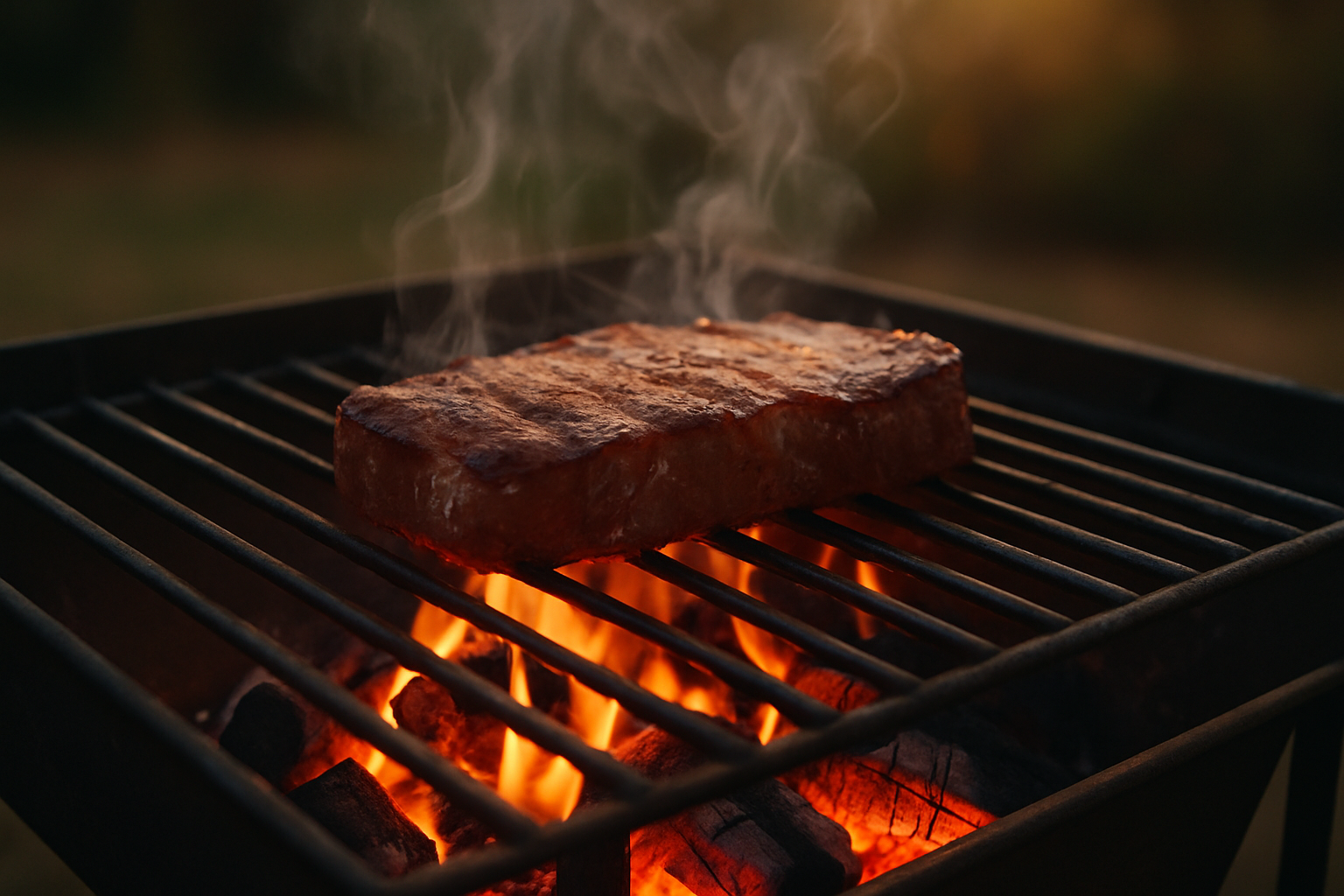
I set off the smoke alarm three times before I even put a single piece of food on the grill. That’s how my bamboo charcoal grilling journey began — standing in my backyard in an apron that said “Grill Sergeant,” waving a dish towel at my back door like I was surrendering to the neighbors.
It was my first serious attempt at bamboo charcoal grilling, and I had done exactly zero research. I figured charcoal was charcoal. How different could it be? Spoiler: very different. But also — after fifteen full BBQ sessions spread across two seasons — better in ways I genuinely didn’t expect. If you’re curious whether bamboo charcoal is worth the switch, I’ve done the sweaty, smoke-filled, occasionally humiliating legwork for you.
What Even Is Bamboo Charcoal and Why Should Grillers Care?
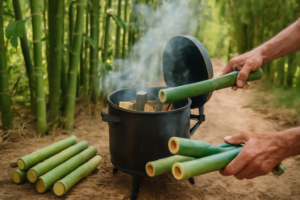
Bamboo charcoal is made by carbonizing bamboo stalks at very high temperatures — typically between 800°C and 1200°C. Because bamboo is an incredibly dense grass with a tight, fibrous structure, the resulting charcoal is harder and more carbon-rich than most standard wood charcoals. That translates to a few things you’ll notice immediately at the grill: higher heat output, longer burn times, and significantly less ash.
It’s also naturally free of the chemical additives and binders you’ll find in many conventional briquettes. No lighter fluid smell seeping into your food. No mystery accelerants. Just bamboo, heat, and time.
From a sustainability angle, bamboo is one of the fastest-growing plants on Earth — some species grow three feet per day — which makes it a dramatically more renewable fuel source than hardwood alternatives. For those of us who care about the garden and the planet, that matters.
Bamboo Charcoal Grilling: What 15 Sessions Taught Me
After that first smoke-alarm disaster (caused, I should confess, by attempting to light bamboo charcoal with a tiny handheld lighter and the sheer force of my optimism), I did what I should have done from the start: I got a proper chimney starter and actually read some instructions.
Over the next several months, I grilled everything. Steaks, chicken thighs, whole fish, vegetables, pizza, and once — at the enthusiastic suggestion of my eight-year-old — a hot dog wearing a cheese helmet. Science demands variety.
Here’s what I consistently found across all fifteen sessions:
- Burn time is legitimately impressive. Most sessions, the coals were still usable well past the two-hour mark. Some bamboo charcoal products advertise up to seven hours of continuous burn, and while your mileage will vary with airflow and quantity, long burns are real.
- Heat runs hot. Bamboo charcoal burns hotter than most standard wood charcoal. This is fantastic for searing steaks. It requires more attention when grilling delicate proteins like fish.
- Ash cleanup is minimal. I’m talking a small cup’s worth after a long session. Compared to the dusty gray snowstorm of conventional charcoal cleanup, this alone might convert you.
- Smoke is mild and clean. No acrid chemical smell. Guests at my summer cookout actually commented on how pleasant the smoke was — which is not something anyone has ever said at a charcoal grill before.
- Lighting takes patience. This is the only real learning curve. Bamboo charcoal is denser, so it takes longer to fully ignite than lighter-soaked briquettes. A good chimney starter is non-negotiable.
My Top Practical Tips for Getting Started
- Always use a chimney starter. Never skip this. I learned the hard way.
- Give the coals a full 20–25 minutes to ash over before cooking. They should glow orange with a light gray coating.
- Use fewer coals than you think you need — bamboo burns hot, and you can always add more.
- Keep a two-zone fire setup: a hot direct zone and a cooler indirect zone. This gives you control over that intense heat.
- Store your bamboo charcoal in a dry place. It absorbs moisture readily, which affects lighting.
The Bamboo Charcoal That Actually Burns Clean Without the Invasive Smoke Damage
After those first three smoke-alarm incidents, I realized my mistake wasn’t technique—it was fuel. Standard hardwood charcoal produces thick, acrid smoke that lingers in your yard and irritates neighbors just like escaped bamboo rhizomes irritate property lines. Bamboo charcoal burns hotter, cleaner, and with far less creeping smoke pollution.
What works
- Ignites faster and burns at a more stable, consistent temperature than hardwood charcoal—no more temperature swings that ruin timing on longer cooks.
- Produces noticeably less white smoke and creosote buildup inside the grill, which means fewer interior cleanings and less ash residue coating your grates.
- The chemical-free formulation doesn’t leave a metallic or off taste on food, even when you’re learning and occasionally charring things.
What doesn’t
- It’s noticeably more expensive per pound than standard briquettes, and you’ll burn through it faster because it lights so readily.
- Some bags show inconsistent sizing and density—occasionally you get a mix of powder and large chunks that don’t nest as tightly in your chimney starter.
I almost switched back to Kingsford after session seven when a half-empty bag sat unused for two weeks and clumped up with moisture, but I’ve since learned to store it in an airtight container. If you’re serious about low-smoke grilling on your bamboo-surrounded patio, grab a bag of OLIVETTE Organic BBQ Charcoal Briquettes.
About This Article

Written by Marcus Chen. Marcus Chen has spent 15 years cultivating and studying bamboo across 14 different species, combining commercial growing operations with extensive hands-on experience in species selection and containment. As both a grower and consultant, he specializes in practical bamboo management, helping homeowners and landscapers understand the real-world requirements for responsible bamboo cultivation. Marcus brings tested knowledge of which species thrive reliably and which present containment challenges that go beyond standard recommendations. More about this site.
Verify this against a primary source
Specifics change, and your situation may differ from the one described here. These are the authorities worth checking directly:
- American Bamboo Society — species listings and cultivation guidance
- USDA PLANTS Database — species range and identification
- USDA Plant Hardiness Zone Map — cold hardiness verification for your location