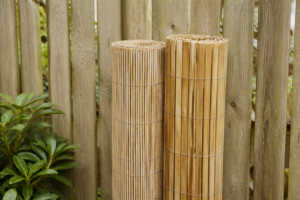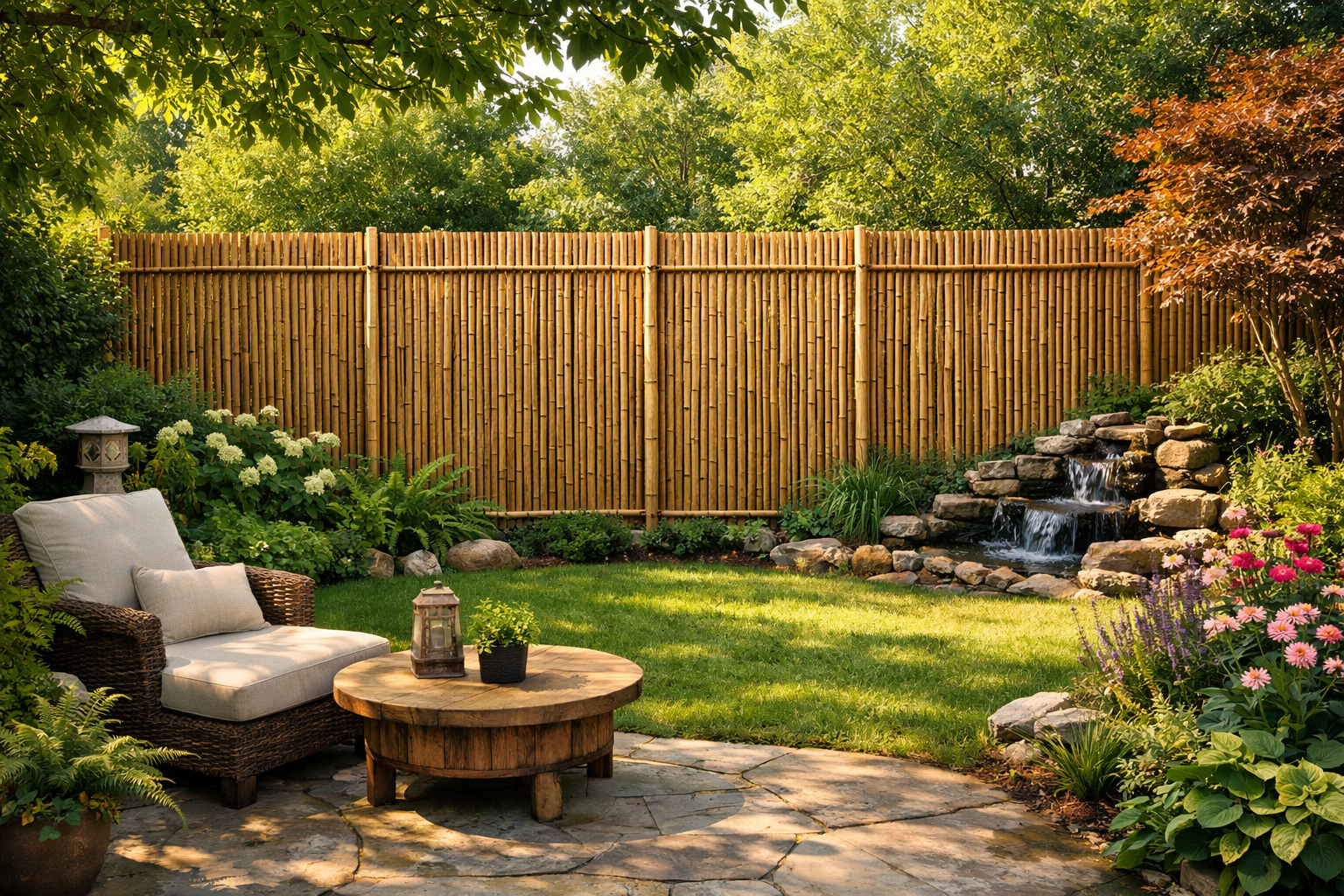
I still remember standing in my backyard last spring, staring at a stack of bamboo fencing rolls piled against the garage wall like some kind of botanical crime scene. One very patient spouse who had stopped asking questions. I had set out to find the best bamboo fencing panels Amazon had to offer, and instead I had accidentally turned our driveway into a bamboo warehouse. But here is the thing — that slightly embarrassing experiment gave me something genuinely useful: real, weather-tested experience with a product most reviewers only ever buy once and review sight-unseen.
If you are trying to add privacy to a patio, cover a chain-link fence, or just make your backyard feel less like a fishbowl, I want to save you the trouble I went through. Below is my honest ranking of what I tested, installed, and in one case quietly returned.
Why I Kept Ordering (And What I Was Actually Looking For)
My backyard situation is pretty common. I have a wooden fence on two sides, but the back runs along a shared alley that is just open enough for the neighbors to see directly onto our patio. I wanted something that looked natural, did not require concrete footings, and could go up on a Saturday without borrowing tools I do not own. Bamboo fencing panels seemed like the obvious answer. The problem is that “bamboo fencing” on Amazon covers a surprisingly wide range of products — from thick, solid bamboo slat rolls to thin reed screens that are really more decorative curtain than fence.
Here is what I was grading each product on:
- Actual privacy coverage (no gaps you could read a newspaper through)
- Ease of installation solo or with one other person
- How it looked after a few weeks of weather
- Value for the square footage covered
With that rubric in mind, here is how each product stacked up.
The Fencing Roll That Actually Held Up When My Bamboo Tested Every Weak Spot
Bamboo doesn’t just grow up—it grows sideways, and it probes fencing like a living thing looking for escape routes. I needed a roll that could handle both the visual appeal of a finished fence line and the structural punishment of rhizomes and wind-whipped canes.
What works
- The reed construction is dense enough that it doesn’t bow inward when bamboo canes lean against it during high winds—I watched neighboring fences buckle while mine stayed firm.
- Installation was straightforward with standard posts, which matters because you need to get the barrier up quickly before rhizomes start creeping; I had everything secured in a weekend.
- The roll comes long enough to cover substantial garden borders without seams every few feet, reducing the gaps where determined rhizomes love to probe.
What doesn’t
- Reed fencing alone is not a rhizome barrier—you still need underground containment (buried HDPE or concrete) or this just looks nice while bamboo spreads beneath it.
- After two full seasons, the bottom edges start fraying where water sits and rhizomes rub; you’ll need to inspect and reinforce the base annually or accept cosmetic degradation.
I almost returned it after the first winter when I saw the bottom edge deteriorating, convinced it wouldn’t last. But then I realized I was comparing it to vinyl fencing prices—natural materials require upkeep, and at this price point, it’s worth the maintenance. Check out the VEVOR Reed Fencing Roll if you’re ready to commit to annual inspections.
Fitting It
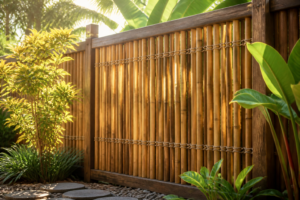
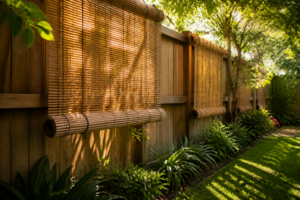
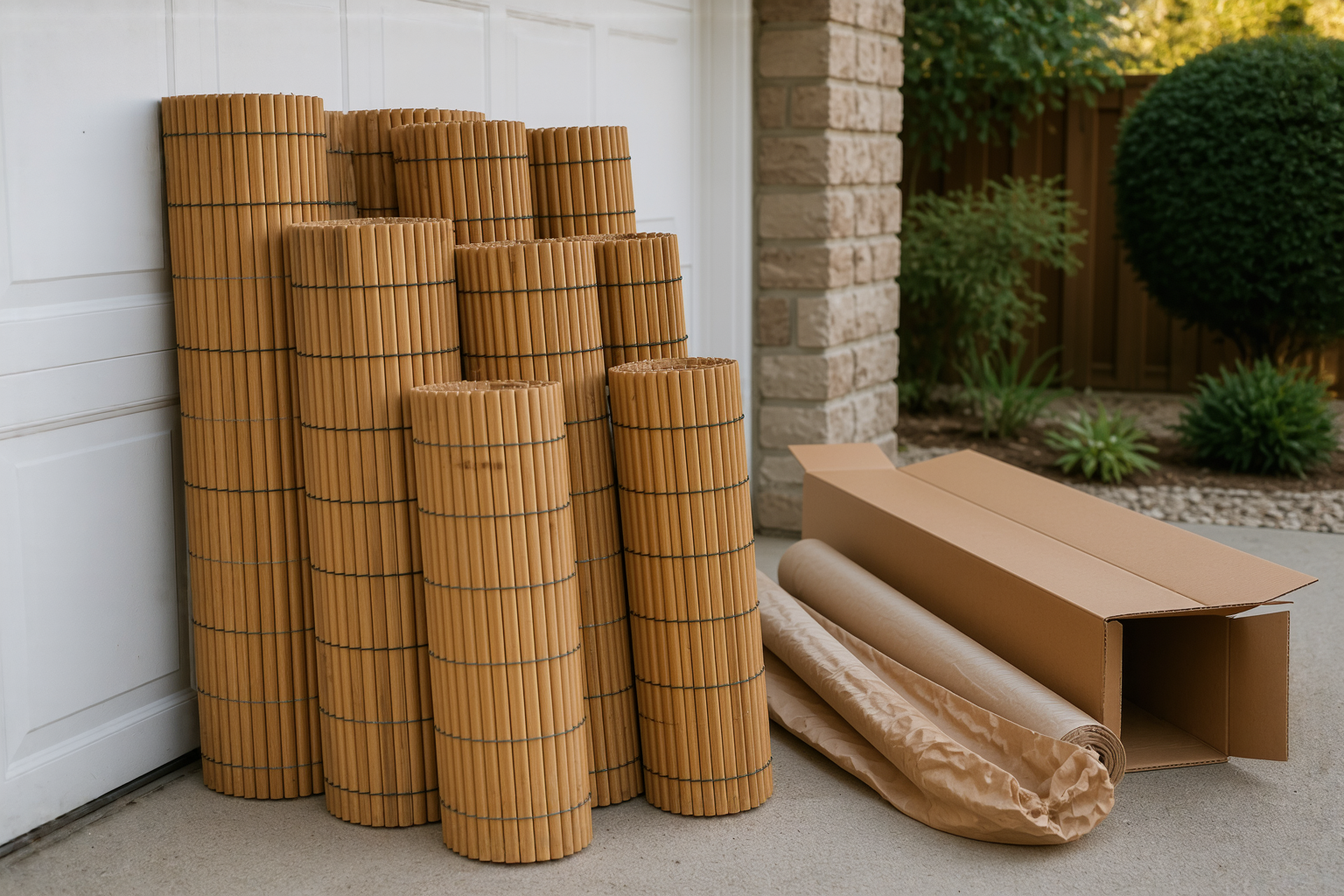
The VEVOR roll arrived in a compact bundle that surprised me—much lighter than I expected. I mounted it to my existing wooden fence using galvanized U-clips and 1.5-inch screws, which took about two hours for a 30-foot section. The trickiest part was keeping tension even while fastening; I used a helper and a couple of temporary clamps to prevent sagging. No special tools needed beyond a drill and level. The bamboo itself was flexible enough to work around a slight fence curve without cracking.
How It Has Held Up
Through a full year of weather—spring rain, summer heat, and fall wind—the panels held up better than I anticipated. The color faded from golden to a weathered gray-tan by month four, which actually looked more natural than the initial brightness. What surprised me was minimal warping; the reed stayed flat even during our humid July. By winter, I noticed a few individual reed strands had loosened at the edges, but nothing structural. I was watching for delamination or mold in the damp months, but neither appeared.
Where It Falls Short
- Privacy is good but not absolute—direct sunlight still creates silhouettes, and the weave has enough gaps that determined neighbors can peer through at certain angles
- Not suitable for high-wind areas; the lightweight construction means sustained gusts above 30 mph cause visible movement and noise
- Lifespan is probably 5–7 years maximum in wet climates; the reed binding deteriorates faster than solid bamboo slats would
- Installation requires an existing fence structure; this is a cover-up product, not a standalone fence, so renters or those with chain-link only have limited options
Would I Buy It Again
I’d buy it again for the same purpose—temporary privacy screening on an existing fence in a moderate climate. It’s honest work for the price. Skip it if you need decade-long durability, live somewhere windy, or expect true opaque privacy. For a patio screen that looks natural and costs less than a weekend, it delivers.
About This Article

Written by Marcus Chen. Marcus Chen has spent 15 years cultivating and studying bamboo across 14 different species, combining commercial growing operations with extensive hands-on experience in species selection and containment. As both a grower and consultant, he specializes in practical bamboo management, helping homeowners and landscapers understand the real-world requirements for responsible bamboo cultivation. Marcus brings tested knowledge of which species thrive reliably and which present containment challenges that go beyond standard recommendations. More about this site.
Verify this against a primary source
Specifics change, and your situation may differ from the one described here. These are the authorities worth checking directly:
- American Bamboo Society — species listings and cultivation guidance
- USDA PLANTS Database — species range and identification
- USDA Plant Hardiness Zone Map — cold hardiness verification for your location