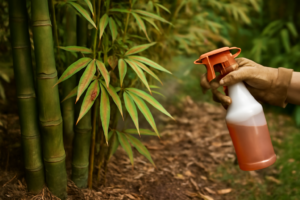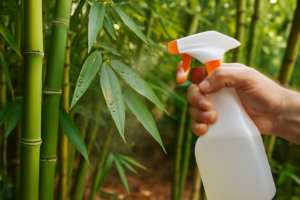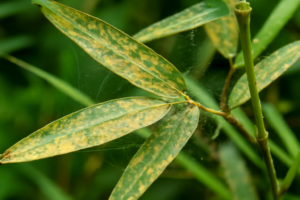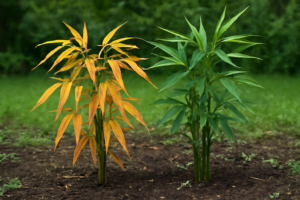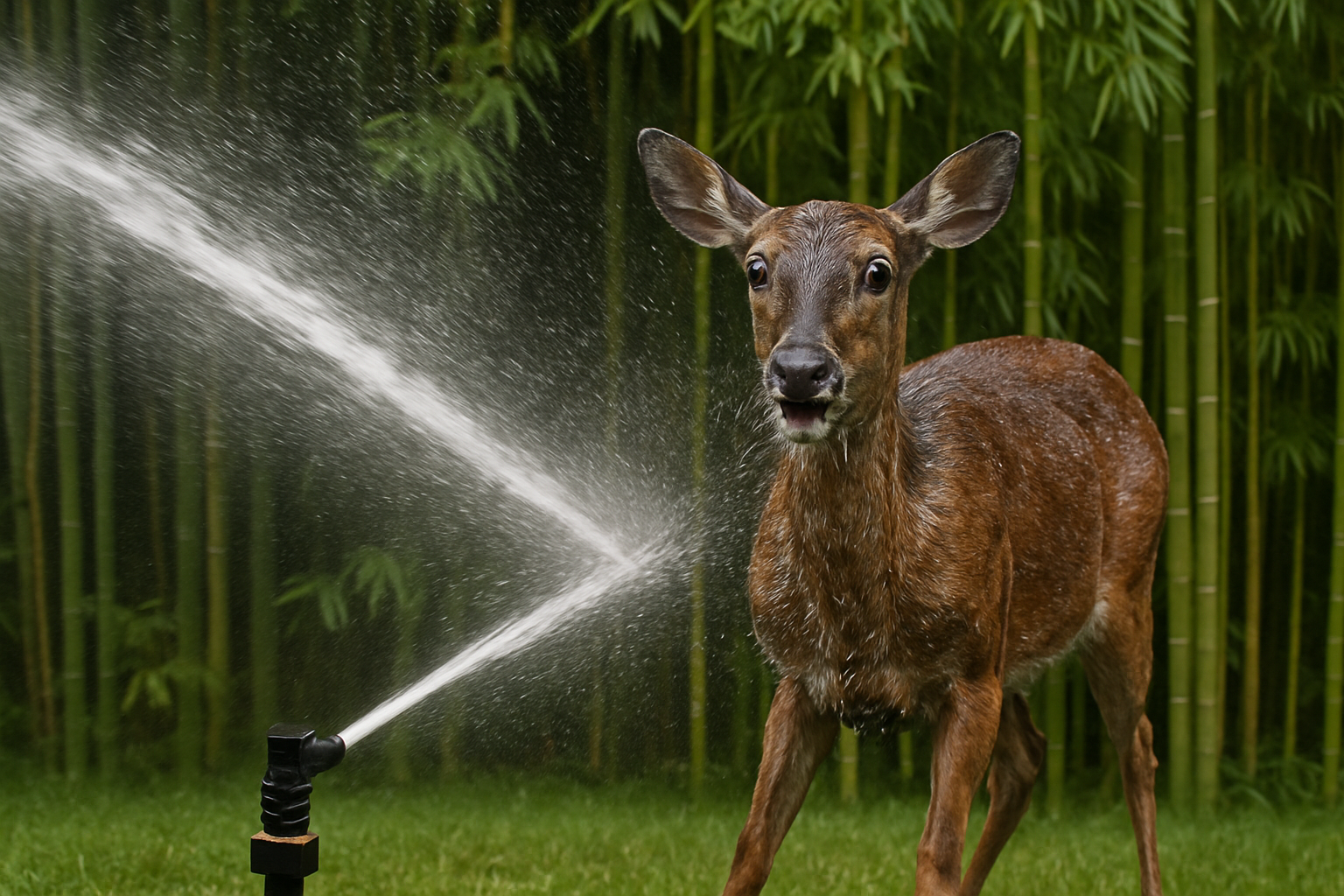
I came outside one morning in my pajamas, coffee in hand, ready to admire my beautiful bamboo grove — and found a deer standing inside it, staring at me like I was the one trespassing. We locked eyes. She chewed slowly, deliberately, like she was making a point. That was the moment I knew I had a deer eating bamboo prevention problem, and absolutely zero plan for solving it.
What followed was about six weeks of increasingly unhinged experiments, one genuinely embarrassing incident involving a garden hose and my own face, and eventually — mercifully — a solution that actually works. If you’re battling deer in your bamboo garden right now, stick with me. I’ll walk you through what failed spectacularly and what finally sent those beautiful, infuriating animals packing.
Do Deer Actually Eat Bamboo?
Let’s clear this up, because I spent an embarrassing amount of time in denial about it. Yes, deer eat bamboo. They’re especially fond of the young, tender shoots that emerge in spring, but they’ll also graze on leaves and strip lower canes during leaner months. Running bamboo varieties with more delicate foliage tend to attract more attention, but clumping types aren’t immune either.
The frustrating part is that bamboo is actually pretty resilient. A healthy, established grove can handle some browsing without suffering permanent damage. But repeated deer visits — especially targeting the new shoots — can seriously stunt growth, thin your canopy, and turn a lush privacy screen into something that looks like it lost a fight. Which, to be fair, it did.
So prevention matters. The trick is figuring out which prevention method doesn’t also make you look like a complete fool in front of your neighbors. (Spoiler: I failed at this.)
Three Deer Eating Bamboo Prevention Methods I Tried (Ranked by Dignity Loss)
The Scent Barrier That Actually Stopped Deer from Browsing My New Culms
Fresh bamboo shoots and young culms are basically candy to deer, and once they find your grove, they’ll return nightly. I needed something that would make my bamboo unappealing without poisoning the plants or requiring me to install a fence across my entire property.
What works
- The scent is genuinely strong enough that deer notice it from the perimeter—I stopped seeing browse damage on the tender spring shoots within two weeks of deploying stations around the grove’s edge.
- Unlike sprinkler systems, these stations don’t interfere with your watering schedule or require batteries; you just clip them to stakes or hang them from canes, and they work through rain and dry spells alike.
- Reusable pouches mean you’re not buying new repellent constantly—I refresh mine every 4–6 weeks during active deer season, which costs far less than replacing eaten culms or investing in structural fencing.
What doesn’t
- The smell is genuinely offensive to humans too—you’ll notice it every time you walk through the garden, and the pungency can be a real deterrent to actually enjoying your bamboo grove during peak season.
- Deer can acclimate to scent repellents over time, especially if you use the same product year-round without rotation; I’ve had to alternate this with motion-activated sprinklers in years when populations were particularly bold.
I went through an entire winter where I thought the stations had stopped working—then realized I’d only deployed half of them after the fall cleanup and deer had simply shifted their browsing to the unprotected section. Safer Brand Deer-Off Repellent Stations actually work best when you commit to full perimeter coverage.
Fitting It
The Safer Brand stations mount on simple stakes that push into soil around the perimeter of the grove—I used five stations spaced roughly 15 feet apart. Setup took maybe 20 minutes total: unwrap, fill the capsules with the repellent pellets, push stakes into ground, done. No tools needed. The fiddly part was getting the capsule lids seated properly so they wouldn’t pop off during wind, but once I figured out the twist-and-click motion, it became routine. Refilling every 30 days is straightforward.
How It Has Held Up
I deployed these in late April when the new shoots were emerging, which is peak deer season. First two weeks were promising—no browsing damage, though I wasn’t sure if the deer had simply moved on. By week three, I spotted fresh tracks nearby but no feeding inside the grove itself. Over the next month into early summer, the pattern held. The repellent smell faded noticeably after about three weeks, so I got into a rhythm of refreshing capsules on the 25th of each month. One heavy rain in June seemed to reset the scent, requiring an early refresh. By midsummer the bamboo had grown enough that even if deer returned, the damage would be minimal.
Where It Falls Short
- Capsules need monthly replacement during active growing season—this adds up to real money and creates ongoing maintenance that other barriers (fencing) don’t require
- Effectiveness depends on deer pressure; in areas with high populations or limited food sources, repellent alone may not deter determined animals
- The smell is noticeable to humans too, especially on warm days or after rain—not ideal if your bamboo grove is near a patio or seating area
- Won’t protect against other deer damage like rubbing or trampling; it only discourages browsing
Would I Buy It Again
I’d buy these again for my specific situation—moderate deer pressure, established grove, willingness to maintain monthly refills. But this isn’t a set-it-and-forget-it solution. If you have heavy deer traffic or need permanent protection, a 6-foot fence is the only honest answer. These stations work best as a supplemental layer, not a complete defense.
About This Article

Written by Marcus Chen. Marcus Chen has spent 15 years cultivating and studying bamboo across 14 different species, combining commercial growing operations with extensive hands-on experience in species selection and containment. As both a grower and consultant, he specializes in practical bamboo management, helping homeowners and landscapers understand the real-world requirements for responsible bamboo cultivation. Marcus brings tested knowledge of which species thrive reliably and which present containment challenges that go beyond standard recommendations. More about this site.
Verify this against a primary source
Specifics change, and your situation may differ from the one described here. These are the authorities worth checking directly:
- American Bamboo Society — species listings and cultivation guidance
- USDA PLANTS Database — species range and identification
- USDA Plant Hardiness Zone Map — cold hardiness verification for your location