I almost set my backyard on fire trying to make a gift.
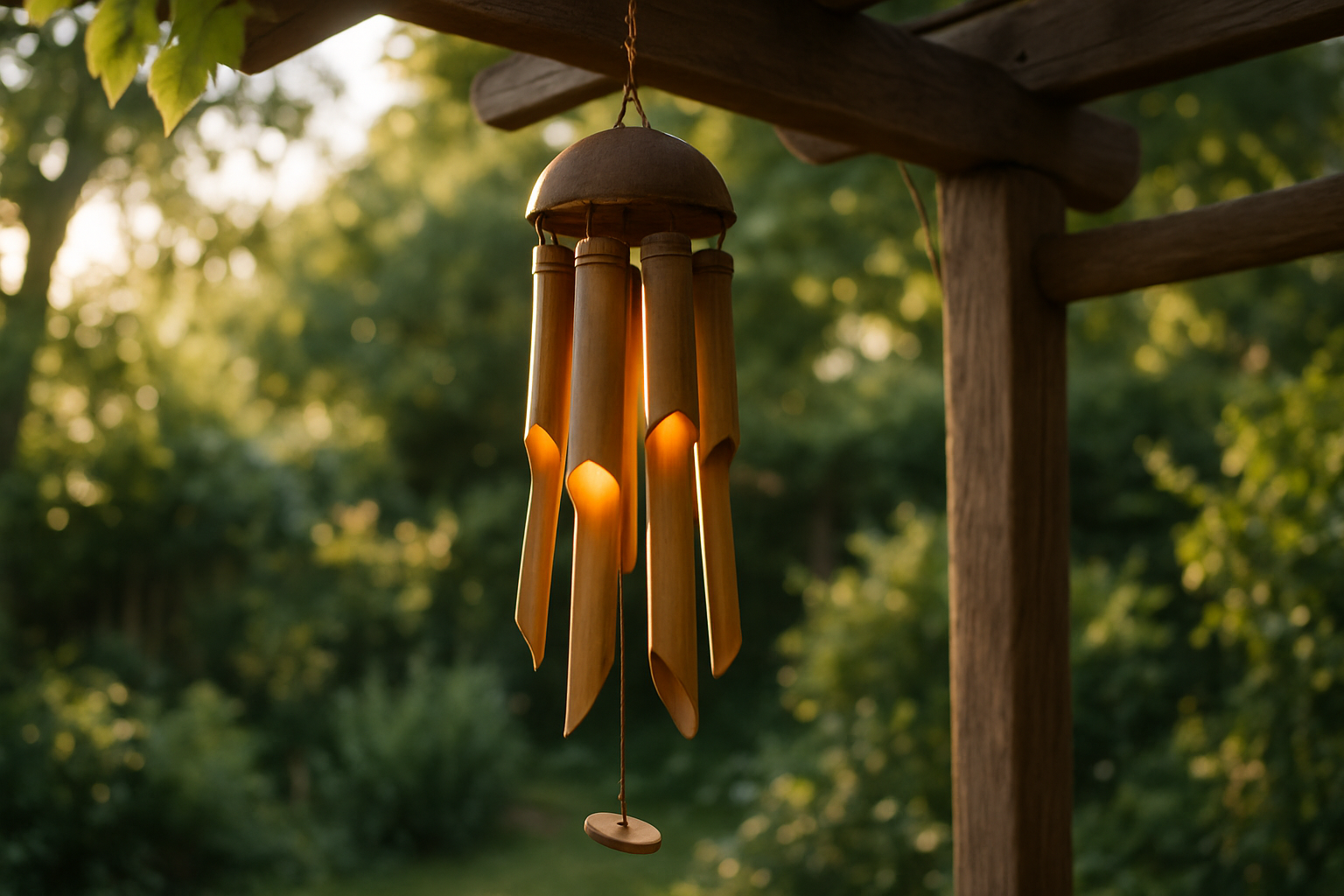
That’s not a metaphor. There was an actual small fire, a very alarmed squirrel, and my garden hose doing the Lord’s work while I stood there in my bathrobe holding a craft knife and a half-finished set of DIY bamboo wind chimes. And yet — somehow — the whole ridiculous ordeal produced the most meaningful gift I’ve ever given anyone. My neighbor Margaret actually cried when she unwrapped them. Happy tears, I promise. She still texts me photos of them hanging on her porch to this day.
Let me back up.
The Wind Chime Incident (A Story of Ambition and Poor Planning)
Margaret had mentioned, approximately forty-seven times over the past year, that she wanted wind chimes for her porch. Something natural. Something with a soft, mellow tone. Not the jangling metal kind from the hardware store, but the deep, woody sound she remembered from a trip to Bali decades ago. I, a person who had never crafted anything more complex than a grilled cheese sandwich, decided I would make them for her birthday.
My first mistake was assuming I could “just wing it.” My second mistake was trying to use a scented candle to heat-treat my bamboo tubes at 6 a.m. on a Saturday, because I’d read that a small amount of heat removes excess moisture and I interpreted “small amount of heat” very loosely. The candle tipped. The bamboo shavings on my workbench caught. The squirrel on the fence screamed (they do that, apparently). The hose saved the day. The bathrobe did not survive with dignity intact.
But you know what? After I cleaned up, made coffee, and actually read a proper guide, the chimes turned out beautifully. And you can skip the squirrel trauma entirely by following the steps below.
Choosing the Right Bamboo for DIY Bamboo Wind Chimes
This is where most beginners go wrong — and where I went wrong first. Not all bamboo behaves the same way when cut into chime tubes. The species, age, and wall thickness of your bamboo all affect the sound it produces. Thick-walled, mature bamboo creates that deep, resonant tone that makes a wind chime feel meditative rather than chaotic.
Here’s what to look for when selecting your bamboo:
- Wall thickness matters most. Thicker walls produce lower, richer tones. Thin-walled bamboo tends to give a sharper, shorter sound — fine for some styles, but less ideal for that mellow Bali vibe Margaret was after.
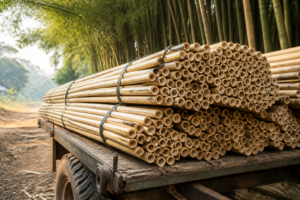
- Use mature culms. Bamboo that’s at least 3–5 years old is drier, denser, and more acoustically resonant than young green canes.
- Cut above the node. Each tube should include a closed node at one end if possible — this affects both the sound and the structural integrity of the chime.
- Dry your bamboo properly. And I cannot stress this enough — do not use a scented candle. Allow cut bamboo to dry in a shaded, ventilated area for several weeks, or purchase pre-dried craft tubes so you can skip this step entirely.
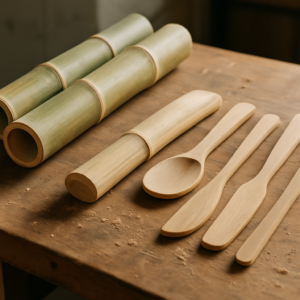
If you don’t have a bamboo grove to harvest from (or you do but it’s the middle of winter), pre-cut bamboo craft tubes are a fantastic shortcut. I’ve used the INature Bamboo Craft Tubes (100 Count, 5″) and been really happy with the consistency — same diameter, already dried, easy to work with. The Rivajam 125 Bamboo Sticks for Crafts are another solid option if you want more pieces to work with or experiment on before committing to your final design. For slightly longer tubes with a bit more acoustic depth, the Rivajam 125 Bamboo Sticks for Crafts Supplies are worth considering — they come in a range of inner diameters which gives you more control over your tonal variety.
Harvesting Straight, Uniform Culms Without the Splitting Nightmare
When you’re cutting bamboo for crafts, you need culms that are actually usable — not splintered, cracked, or warped from a bad harvest. The difference between hacking at mature canes with a dull saw and using properly prepared bamboo tubes is the difference between a wind chime that sings and one that looks like it survived a storm.
What works
- Pre-cut to 5″ length, so you skip the whole “measuring, cutting, and creating a dust cloud in your garage” phase that I somehow managed to turn into a fire hazard.
- The tubes come split-free and already cured, which means no mystery cracks appearing three days after you drill your first hole — I’ve had too many “fresh harvest” projects fail that way.
- Consistent wall thickness across all 100 pieces means your wind chimes actually sound like a set instead of sounding like a percussion accident.
What doesn’t
- You lose the option to customize length, which matters if you want longer tubes for deeper tones — you’re locked into 5″ or you’re buying a different product.
- The joints between nodes aren’t always perfectly clean, so if you’re doing detailed drilling or precise staining, you’ll spend time smoothing them first.
I nearly abandoned this project entirely when I realized I didn’t have a good way to harvest and prep my own mature canes without turning them into splinter factories. INature Bamboo Craft Tubes (100 Count, 5″) saved the whole thing — and Margaret’s tears of joy proved it was worth it.
About This Article

Written by Marcus Chen. Marcus Chen has spent 15 years cultivating and studying bamboo across 14 different species, combining commercial growing operations with extensive hands-on experience in species selection and containment. As both a grower and consultant, he specializes in practical bamboo management, helping homeowners and landscapers understand the real-world requirements for responsible bamboo cultivation. Marcus brings tested knowledge of which species thrive reliably and which present containment challenges that go beyond standard recommendations. More about this site.
Verify this against a primary source
Specifics change, and your situation may differ from the one described here. These are the authorities worth checking directly:
- American Bamboo Society — species listings and cultivation guidance
- USDA PLANTS Database — species range and identification
- USDA Plant Hardiness Zone Map — cold hardiness verification for your location