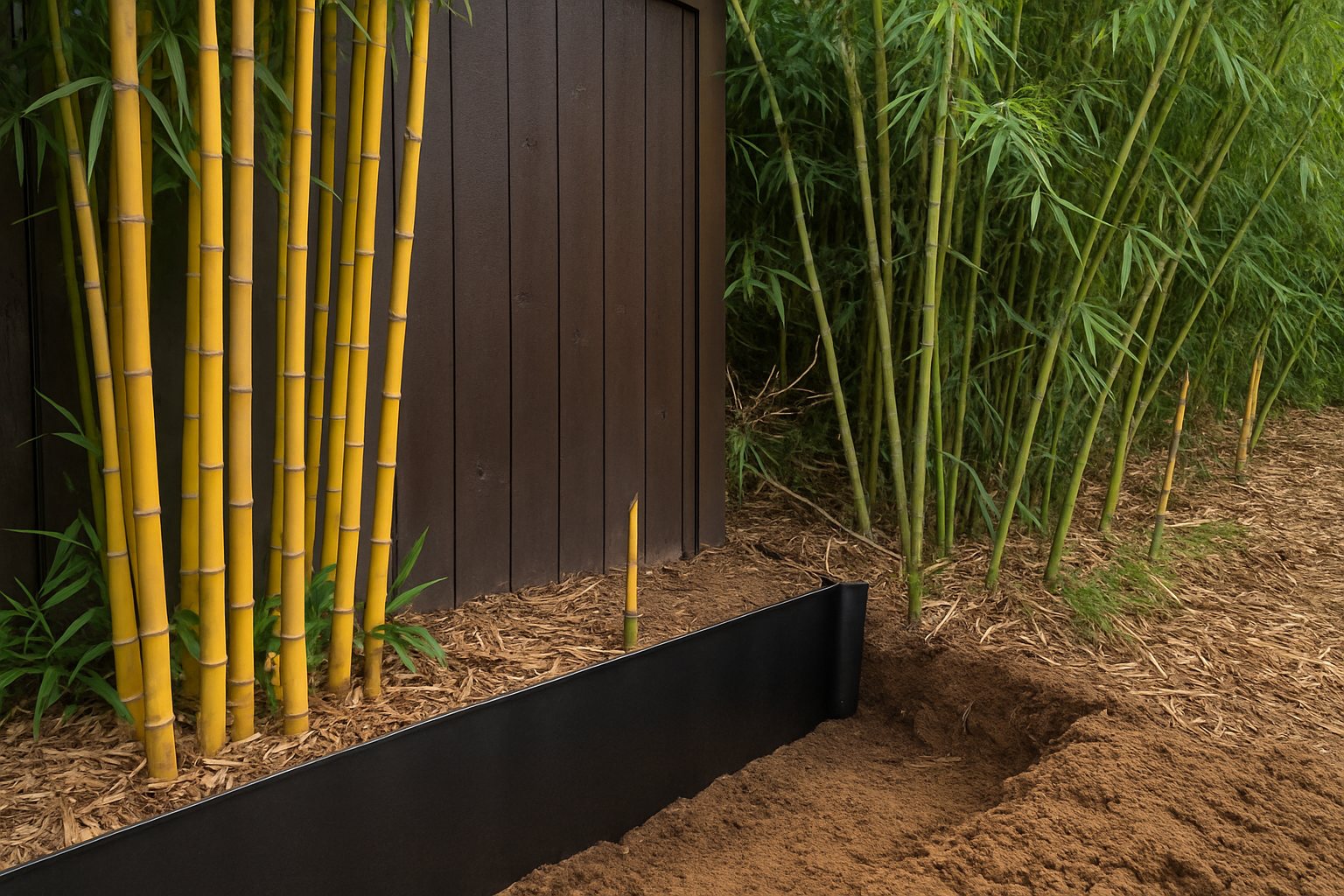
The morning I discovered my entire back fence line had disappeared under a wall of bamboo, I actually laughed — because what else do you do? Then I saw my vegetable garden. Or what used to be my vegetable garden. My neighbor’s bamboo had invaded my yard so completely that the raised beds I’d spent three weekends building were being lifted off the ground by rhizomes pushing up underneath them. I stopped laughing pretty quickly after that.
That was two summers ago. I’m writing this now from a backyard that’s fully mine again — with a cold drink in hand and a clear view of my rebuilt raised beds — and I want to share everything I learned along the way. Because the solution that finally saved me wasn’t a herbicide or a landscaping crew. It was a conversation I wish someone had told me to have much, much earlier.
When Your Neighbor’s Bamboo Invaded Your Yard: Know Your Legal Standing First
Here’s the thing nobody tells you when you’re standing in your yard watching bamboo shoots pop up through your mulch like something out of a horror movie: you probably have legal recourse. In most U.S. states, encroaching plants are treated similarly to encroaching tree branches or roots. The general legal principle is that you have the right to remove any vegetation that crosses your property line — and in some states, your neighbor can actually be held liable for damages caused by their plant.
I had no idea. I spent the first few weeks just pulling shoots by hand, feeling increasingly hopeless and increasingly resentful toward my neighbor, a perfectly nice retired teacher named Gerald. I didn’t want to start a war. I just wanted my yard back.
What finally changed things was a conversation with a local attorney who specializes in property disputes. She told me that before going to court — which is expensive and relationship-ending — most neighbors will respond to a simple written notice. A friendly but formal letter explaining the encroachment, referencing your state’s nuisance vegetation laws, and requesting that they install a root barrier or share in removal costs. That’s it. That’s the legal solution nobody talks about.
I sent Gerald a letter. He called me that same evening, genuinely mortified. He had no idea how far his bamboo had spread. Within a week, we had agreed to split the cost of a professional root barrier installation along the property line, and he offered to help me clear the rhizomes on my side. Our relationship, which had gotten pretty chilly, actually ended up stronger for it.
Understanding What You’re Dealing With: Running Bamboo Is a Different Beast
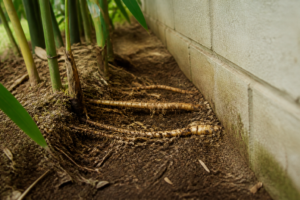
Not all bamboo spreads aggressively. Clumping bamboo varieties stay relatively contained and are generally a responsible choice for home landscapes. The culprit in most neighbor disputes — and in my case — is running bamboo. Running bamboo spreads through horizontal underground stems called rhizomes, which can travel 15 feet or more in a single growing season. They don’t stop at fences. They don’t stop at concrete paths. They will find a way.
Understanding this is important because it shapes your removal strategy. You’re not just dealing with the visible culms (the tall canes you can see). You’re dealing with a massive underground network that can extend in every direction. Cutting down the canes above ground without addressing the rhizomes is like mowing a lawn — it’ll be back before you know it.
The most effective long-term approach combines three things: physical removal of existing rhizomes, prevention of new growth through barrier installation, and ongoing monitoring every spring when bamboo is most active.
The Practical Removal Process (What Actually Worked for Me)
Step 1: Cut Everything Down First
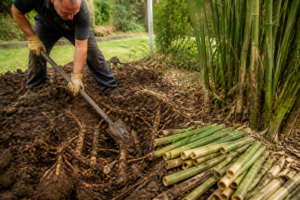
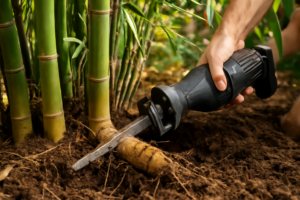
Before you can address the roots, you need to clear the canopy. Cut all the canes down to the ground. This is also a good time to assess the full extent of the spread by looking for new shoots and disturbed soil. Don’t compost the canes — bag them and send them out with yard waste, since some bamboo can re-root from cane segments.
The Root Barrier That Finally Stopped My Neighbor’s Bamboo at the Property Line
After my neighbor refused to install containment on their side, I realized the only defense was installing a physical barrier on my property before the rhizomes spread any further. A 100 mil root barrier is thick enough to actually stop bamboo rhizomes from punching through — unlike the flimsy landscape fabric I’d wasted money on the year before.
What works
- The 100 mil thickness doesn’t degrade in sunlight or get punctured by aggressive running rhizomes the way thinner barriers do — I’ve had it in place for two seasons with zero breaches.
- Bamboo rhizomes actually deflect downward when they hit it instead of growing over or around — you can see the pressure ridge along the top of the barrier where they’ve tried and failed.
- The 50-foot length covers most residential fence lines without needing to splice multiple pieces, which means fewer weak joints where rhizomes can exploit gaps.
What doesn’t
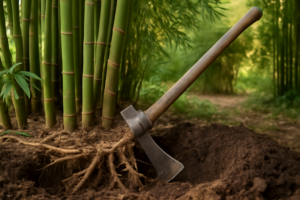
- Installation is backbreaking work — you need to dig a trench at least 24 inches deep and angle it slightly outward, and you can’t cut corners or bamboo will find the weak spot immediately.
- It only works if installed before the bamboo has already fully colonized your yard; once rhizomes are established on both sides, the barrier becomes part of the problem rather than the solution.
I almost returned it after the first day of digging, convinced no barrier was worth this much effort, but the moment I saw those rhizomes actually stop at the line I’d drawn, I understood it was the only investment that mattered. Bamboo Shield — 50 feet x 36 inch x 100 mil
About This Article

Written by Marcus Chen. Marcus Chen has spent 15 years cultivating and studying bamboo across 14 different species, combining commercial growing operations with extensive hands-on experience in species selection and containment. As both a grower and consultant, he specializes in practical bamboo management, helping homeowners and landscapers understand the real-world requirements for responsible bamboo cultivation. Marcus brings tested knowledge of which species thrive reliably and which present containment challenges that go beyond standard recommendations. More about this site.
Verify this against a primary source
Specifics change, and your situation may differ from the one described here. These are the authorities worth checking directly:
- American Bamboo Society — species listings and cultivation guidance
- USDA PLANTS Database — species range and identification
- USDA Plant Hardiness Zone Map — cold hardiness verification for your location