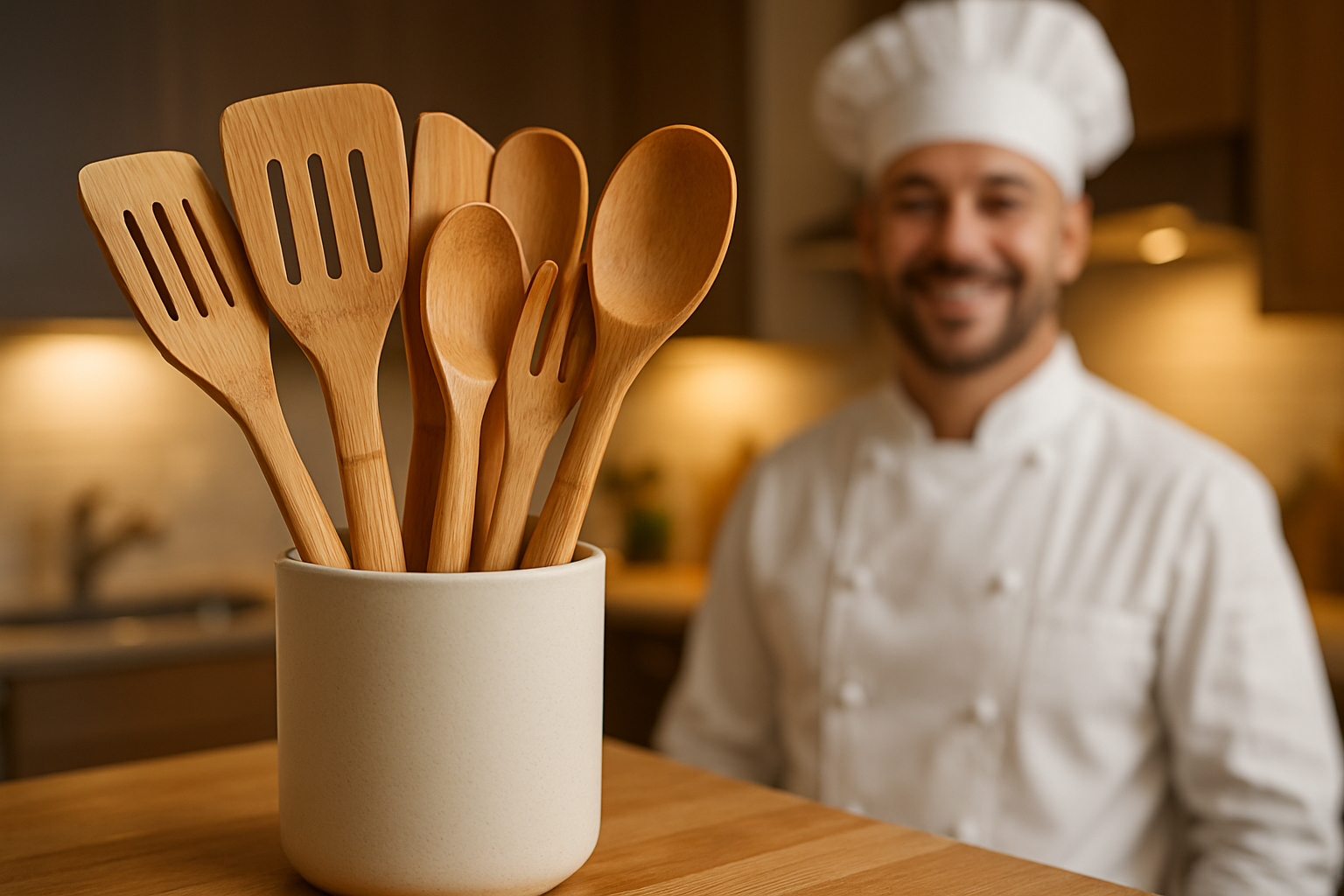
I accidentally threw away every metal utensil in my kitchen. On purpose. In a fit of eco-enthusiasm that I can only describe as “well-intentioned chaos,” I bagged up my entire collection of stainless spatulas, whisks, and slotted spoons and donated them to the thrift store — before my bamboo replacements had even arrived. For four days, I stirred soup with a wooden chopstick and flipped pancakes with the back of a silicone oven mitt. It was exactly as graceful as it sounds. But here’s the thing: ninety days later, after finally getting my hands on a proper bamboo cooking utensils review’s worth of experience, I am absolutely not going back to metal. Let me tell you everything.
Why I Went All-In on Bamboo (and Why My Spatula Paid the Price)
It started with a documentary. You know the type — beautiful cinematography, ominous statistics, a narrator with a voice that makes you want to compost your entire life. I paused it, looked at my kitchen drawer stuffed with plastic-handled spatulas and metal spoons scratching up my nonstick pans, and made a snap decision. Bamboo utensils. All of them. Immediately.
What I did not account for was shipping time. So there I was, a grown adult, attempting to flip a grilled cheese sandwich using the flat edge of a butter knife while my bamboo order sat somewhere in a fulfillment warehouse. A neighbor walked into the kitchen, watched me for a silent moment, and quietly backed out of the room. Smart move.
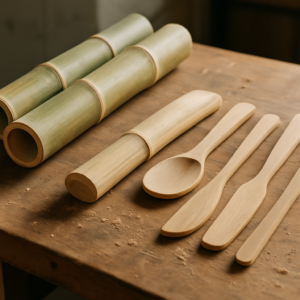
When the packages finally arrived, I tore into them like it was December 25th. And honestly? The quality stopped me in my tracks. I’d half-expected something flimsy and cheap-looking. What I got instead were smooth, sturdy, beautifully finished tools that actually felt good in my hand. I was converted before I even cooked anything.
My Bamboo Cooking Utensils Review After 90 Days of Real Use
I want to be honest with you the way a friend would be — not a glossy magazine, not a brand ambassador with a ring light. Here is what three full months of daily cooking taught me about bamboo utensils.
The Durability Surprised Me
Bamboo is a grass, not a hardwood, and I’ll admit I was a little worried about longevity. Would the spoons split? Would the edges fray? Ninety days later, my primary set looks almost exactly as it did on day one. The key, I learned, is proper care. Bamboo utensils should never be soaked in water or run through the dishwasher — both of those things cause cracking and warping over time. Hand wash them, dry them promptly, and give them an occasional rub with food-grade mineral oil or coconut oil to keep the wood conditioned. I do this about once a month, and it takes about three minutes.
They Are Genuinely Gentle on Cookware
This was the original reason I made the switch, and bamboo absolutely delivers here. My ceramic nonstick pan looks brand new. No scratches, no worn patches, nothing. Bamboo is naturally softer than metal but firm enough to actually scrape the bottom of a pan, flip food cleanly, and stir thick batters without bending. It’s a better tool, not just a gentler one.
Heat Resistance Is Real But Has Limits
Bamboo handles heat much better than plastic, and it won’t conduct heat the way metal does. I’ve rested spoons across a hot pot without any scorching. That said, I wouldn’t leave a bamboo utensil submerged in boiling liquid for an extended period. Use it, stir, rest it on the spoon rest. Treat it like a tool, not a thermometer.
Bamboo Is Naturally Antimicrobial
This is the detail that surprises most people. Bamboo contains a natural antimicrobial agent called bamboo kun, which helps resist the growth of bacteria on the surface. This doesn’t mean you should skip washing — please wash your utensils — but it does mean bamboo is a genuinely hygienic material for kitchen use, not just a pretty one.
Bamboo Utensils That Won’t Splinter or Leach Chemicals Into Your Harvested Shoots
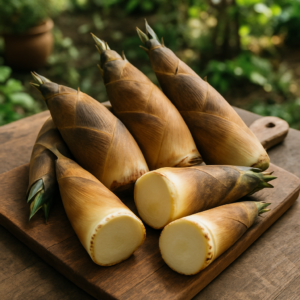
When you’re harvesting bamboo shoots for cooking, the last thing you want is utensils treated with questionable finishes or prone to shedding fibers into your food. I learned this the hard way after my metal-free kitchen experiment forced me to be intentional about what touches my bamboo harvest.
What works
- The grain stays intact after 90+ days of daily use with acidic bamboo shoot preparations—no splintering or surface breakdown that contaminates your harvest.
- These spoons feel substantial enough to stir thick bamboo shoot pastes and broths without flexing or warping, unlike thinner bamboo sets that bow under pressure.
- No chemical smell or taste transfer—important when you’re working with delicate bamboo flavors and want to taste only the plant, not the tool.
What doesn’t
- Hand-washing only, which means no shortcuts in the dishwasher after a long harvest day when you’re exhausted and your hands smell like bamboo soil.
- The finish darkens noticeably over time with repeated moisture exposure—they don’t stay that pretty honey color if you actually use them hard.
I almost switched back to metal when the darkening started (day 45, I nearly panicked), but the utensils are genuinely more functional than they look, and that’s what matters when you’re standing over a pot of fresh bamboo. Get the Riveira Bamboo Cooking Spoons 6-Piece Set.
About This Article

Written by Marcus Chen. Marcus Chen has spent 15 years cultivating and studying bamboo across 14 different species, combining commercial growing operations with extensive hands-on experience in species selection and containment. As both a grower and consultant, he specializes in practical bamboo management, helping homeowners and landscapers understand the real-world requirements for responsible bamboo cultivation. Marcus brings tested knowledge of which species thrive reliably and which present containment challenges that go beyond standard recommendations. More about this site.
Verify this against a primary source
Specifics change, and your situation may differ from the one described here. These are the authorities worth checking directly:
- American Bamboo Society — species listings and cultivation guidance
- USDA PLANTS Database — species range and identification
- USDA Plant Hardiness Zone Map — cold hardiness verification for your location