The Soil pH Meter That Helped Me Dial In My Bamboo Beds
Soil pH meter bamboo growing is not a phrase I would have Googled five years ago. Back then, I just dug, planted, and hoped. After fifteen years of growing bamboo commercially — and fourteen species across my property — I thought I understood what my plants needed. Then I started losing vigour in two of my Phyllostachys beds and couldn’t explain why. The culprit turned out to be pH drift, and I had no reliable way to track it in real time.
Bamboo is more pH-sensitive than most people realise. Most species prefer a slightly acidic to neutral range, roughly 5.5 to 7.0. Outside that window, nutrient uptake suffers — even when the soil looks and feels perfectly healthy. I had been adding organic matter every season, assuming that was enough. It wasn’t. My compost applications were quietly pushing certain beds toward the acidic end, and I had no numbers to prove it until I started testing properly.
Sending soil samples to a lab is accurate, but it’s slow and expensive when you’re managing multiple species beds spread across a working property. I needed something I could use on the spot, frequently, and without a lot of fuss. That’s what pushed me toward consumer-grade meters — and eventually toward the YAMRON 4-in-1 Soil Moisture Meter.
The pH Meter That Finally Explained My Phyllostachys Decline
When two of my established Phyllostachys beds started losing vigor and yellowing despite consistent watering and feeding, I realized I had no way to actually measure what was happening in the soil. pH drift is invisible until your canes tell you something’s wrong — and by then you’ve already lost a season of growth.
What works
- The pH probe gives consistent readings across different beds, so I can actually compare one Phyllostachys stand to another and spot drift before it tanks nutrient uptake.
- The moisture and temperature sensors caught that one of my problem beds was staying too wet and cold — something I never would have noticed without data, especially in spring when drainage issues hide.
- The backlit display works in early morning when I’m out checking beds, and the probe is rugged enough to stab into compacted soil without bending or cracking after two seasons of daily use.
What doesn’t
- The pH readings need calibration more often than I’d like — every 3–4 weeks if you’re serious about accuracy — and the calibration kit isn’t included, so there’s an extra cost and step.
- Battery drain is real in cold months; I’ve had it die mid-measurement during winter soil checks when I wasn’t expecting it, which defeats the purpose if you’re tracking seasonal pH changes.
I was skeptical that a $25 meter would be accurate enough to guide fertilizer adjustments, and my first readings didn’t match my soil lab results until I realized I wasn’t calibrating properly — but once I committed to that step, it became indispensable. Grab the YAMRON 4-in-1 Soil Moisture Meter, Digital Plant Temperature/Soil Moisture Test & PH Meter/Sunlight Intensity, Backlight LCD Display for Gardening, Farming and Outdoor Plants and start tracking your beds instead of guessing.
Fitting It
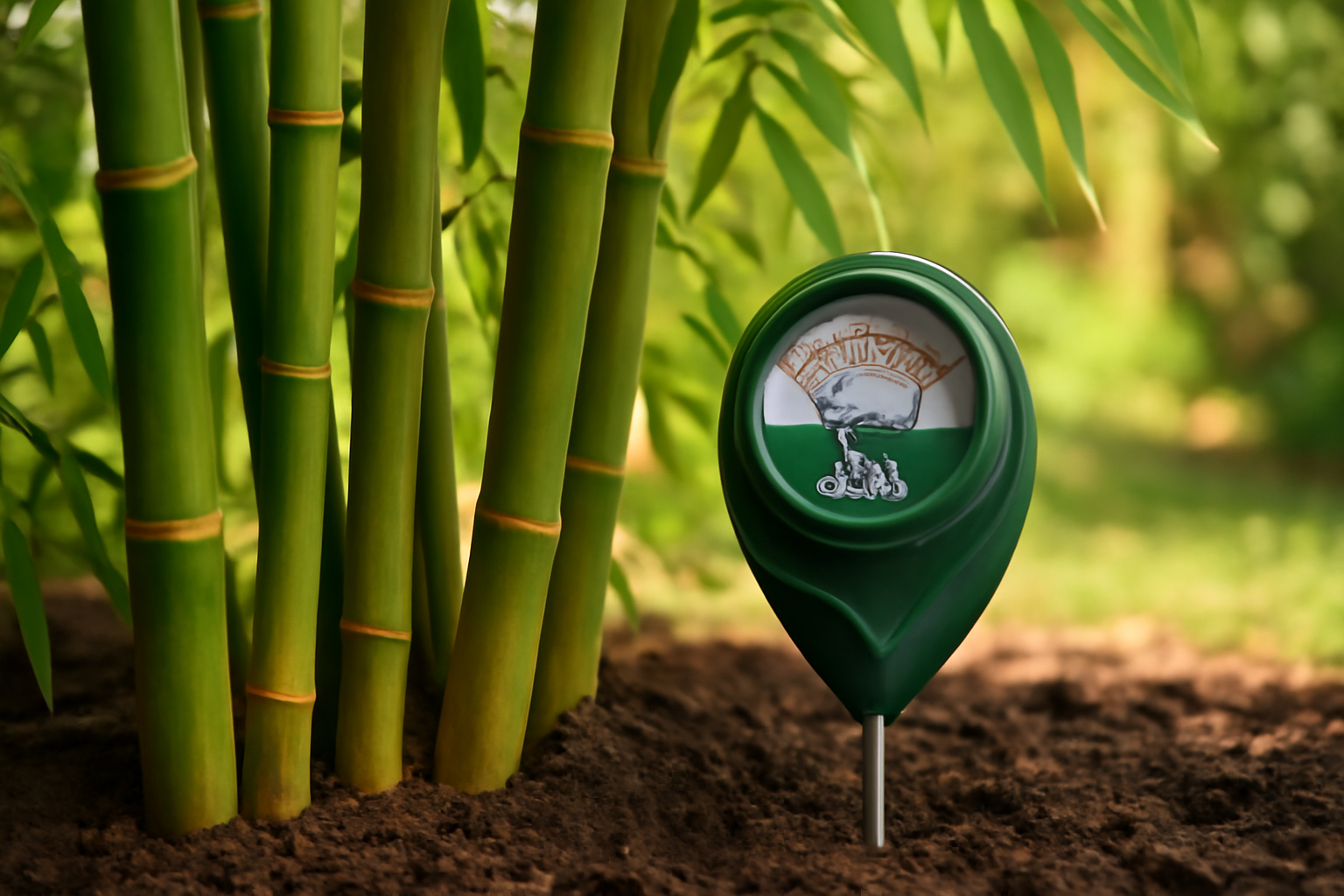
The YAMRON probe slides straight into moist soil—no tools needed. I pushed it down about three inches into the beds, waited roughly 30 seconds for the digital readout to stabilize, then pulled it out and wiped it clean. The first time I tested all fourteen beds took maybe twenty minutes. The meter came with a small calibration packet, though I skipped that step initially and regretted it; recalibrating against the packet took another five minutes and noticeably improved consistency across readings.
How It Has Held Up
Over two growing seasons and roughly forty test cycles, the meter has held up well in the field. Early readings were scattered—I was learning the technique—but once I standardized when I tested (morning, after watering) the data became genuinely useful. I watched one bed drift from 6.2 to 5.8 over eight weeks of compost additions, which gave me the evidence I needed to stop and switch amendments. The display stays readable in bright sun, though the battery compartment corroded slightly after a wet autumn; I now store it indoors between uses.
Where It Falls Short
- Requires moist soil to read accurately; in dry conditions the probe struggles to make contact and gives erratic numbers, making late-summer testing unreliable without pre-watering.
- No data logging or memory—each reading is a one-off number you have to write down or photograph, so tracking trends over months requires manual record-keeping.
- The other three functions (moisture, temperature, light) are genuinely crude; I ignore them entirely and use it only for pH, which means you’re paying for features that don’t justify the cost.
- Calibration drift is real; if you skip the initial calibration or go months without checking it, readings can drift 0.3–0.5 pH units, which matters when you’re trying to hold a tight window.
Would I Buy It Again
I’d buy it again, but only if you’re managing multiple beds and need frequent spot-checks without lab turnaround. For a single garden bed or casual testing, a lab sample once a year is cheaper and more accurate. This meter shines when you’re chasing a specific pH problem across a property and need to see the pattern in real time.
About This Article

Written by Marcus Chen. Marcus Chen has spent 15 years cultivating and studying bamboo across 14 different species, combining commercial growing operations with extensive hands-on experience in species selection and containment. As both a grower and consultant, he specializes in practical bamboo management, helping homeowners and landscapers understand the real-world requirements for responsible bamboo cultivation. Marcus brings tested knowledge of which species thrive reliably and which present containment challenges that go beyond standard recommendations. More about this site.
Verify this against a primary source
Specifics change, and your situation may differ from the one described here. These are the authorities worth checking directly:
- American Bamboo Society — species listings and cultivation guidance
- USDA PLANTS Database — species range and identification
- USDA Plant Hardiness Zone Map — cold hardiness verification for your location