Bamboo Turning Yellow After Transplanting: Shock or Something Worse?

A close-up overhead shot of bamboo leaves in various stages of distress, with some leaves naturally curling at their edges while transitioning from healthy green to pale yellow tones, captured in soft natural window light against a blurred background of more bamboo foliage, with several dried brown leaves visible at the bottom of the frame showing the progressive deterioration, shot in the authentic style of a concerned plant parent documenting their struggling indoor bamboo plant on a bright morning

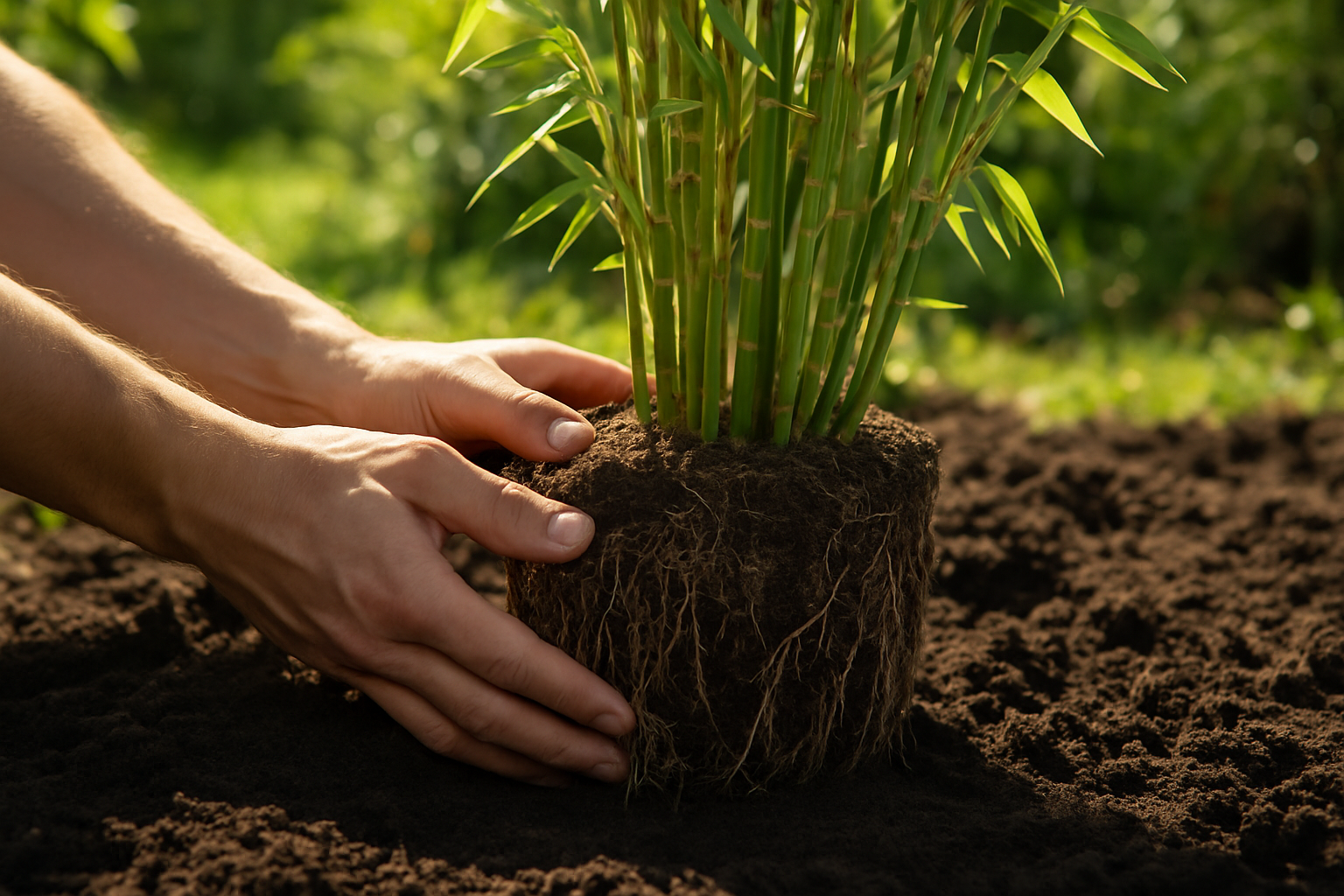
I dug up my Phyllostachys aureosulcata last spring, moved it across the yard, and watched it turn completely yellow within two weeks. My first instinct was panic—I’d killed it. But I didn’t. After sitting with that yellowing bamboo for another four weeks, most of the color came back, new shoots appeared, and by midsummer it … Read more

Ultimate Guide to Choosing Bamboo Varieties for Natural Privacy Barriers

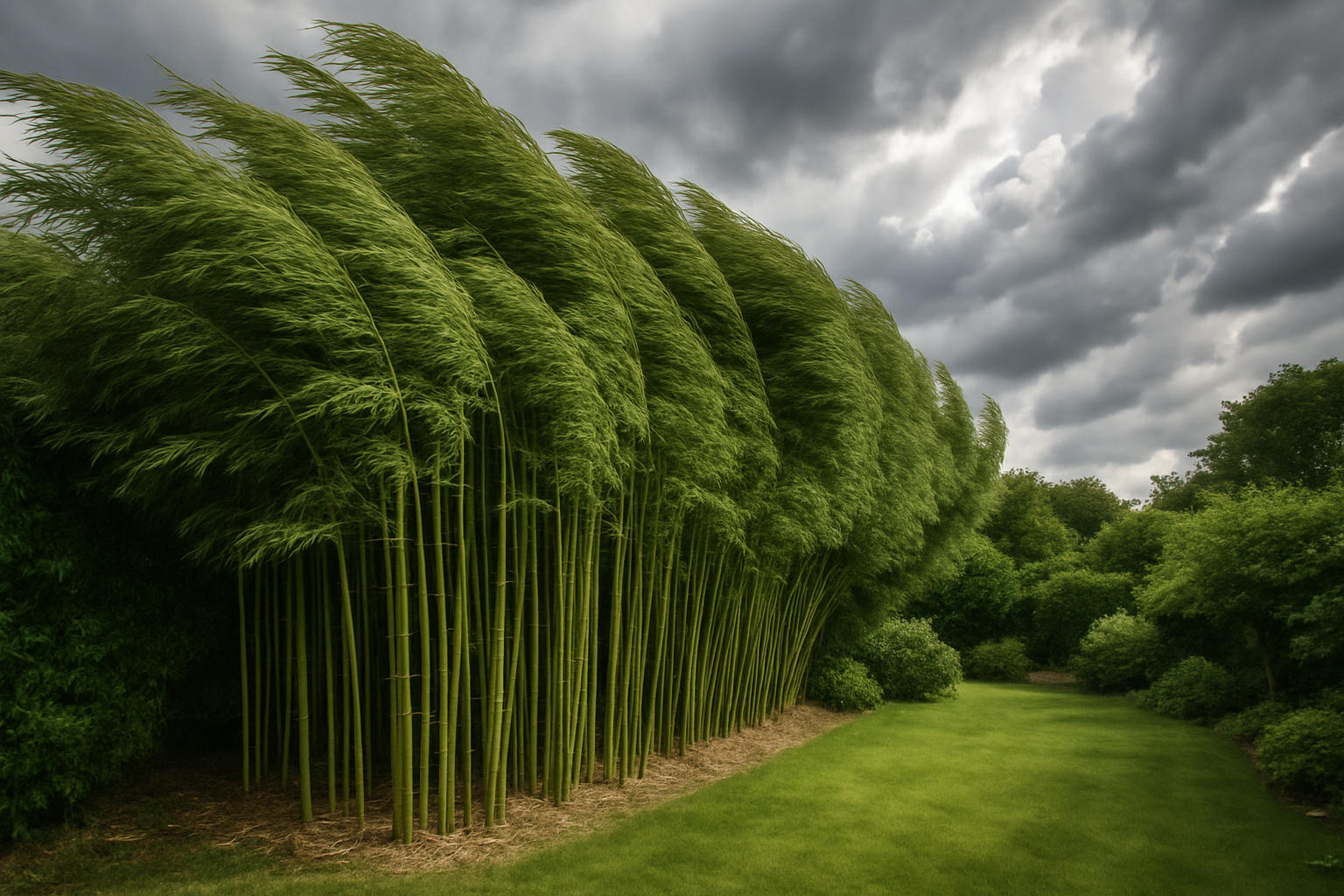
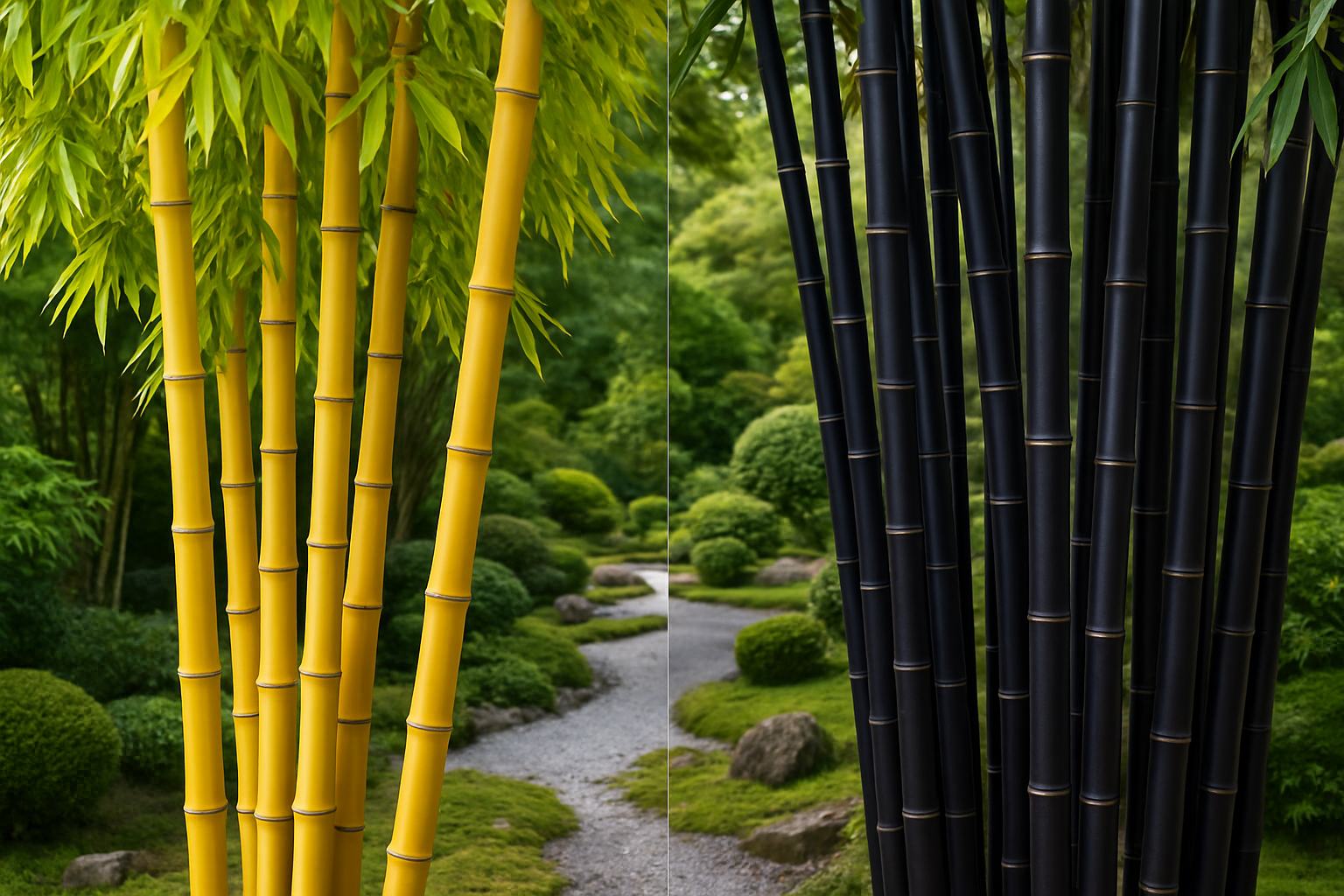
A naturally lit outdoor garden scene photographed during golden hour, featuring multiple varieties of tall bamboo plants creating a lush privacy screen along a residential property line, with dense green culms and feathery foliage at varying heights from six to twenty feet, showcasing different bamboo species side by side including thick-stemmed timber bamboo and delicate clumping varieties, their canes ranging from vibrant green to golden yellow hues, shot from a homeowner's perspective standing in their backyard with shallow depth of field, morning dew glistening on the leaves, authentic lifestyle photography style capturing the natural texture and movement of bamboo stalks swaying gently, with a wooden fence partially visible in the background and soft bokeh of neighboring greenery

Create a private sanctuary in your backyard. Nothing ruins a relaxing afternoon like the feeling of being watched. Whether you live in a crowded suburb or a busy city, privacy remains essential. Traditional fences often look stark and uninviting. Consequently, many homeowners turn to living screens. Bamboo offers a lush, fast-growing solution for natural privacy barriers. However, … Read more

Why Potted and Container Bamboo Turns Yellow (Indoor Care Is Different)

A close-up overhead shot of a bamboo plant in a terracotta pot on a wooden deck, showing numerous stalks with yellowing leaves throughout the entire plant, captured in soft morning sunlight streaming from a nearby window. The scene includes a concerned gardener's hands gently touching the discolored foliage, with a watering can and small gardening tools scattered nearby on the weathered wood surface. The natural lighting creates gentle shadows and highlights the contrast between the healthy green sections and the widespread yellow-brown discoloration affecting multiple leaves and stems, while a blurred indoor plant collection sits in the background near bright windows.

I was staring at my potted Phyllostachys aurea last Tuesday when I noticed the first wave of yellowing leaves. My instinct was to panic and reach for fertilizer, but I stopped myself. This wasn’t the same yellowing I see in field-grown bamboo. The causes were completely different, and treating it like an in-ground problem would’ve … Read more

Bamboo Laws Across America: Your Complete Legal Reference by State

A serene outdoor scene showing a dense, thriving bamboo grove forming a natural green wall along a residential property line, with tall bamboo stalks swaying gently in golden hour sunlight, their lush emerald leaves creating a thick privacy screen between two yards, shot from a low angle that emphasizes the height and fullness of the bamboo barrier, with dappled afternoon light filtering through the canopy, a manicured lawn visible in the foreground, and the natural fence line creating an organic separation that blends seamlessly with the suburban landscape, captured in warm, natural tones with soft bokeh in the background suggesting neighboring homes peacefully coexisting with this living boundary

Understanding bamboo laws can feel overwhelming. Each state approaches this fast-growing plant differently. Some welcome it, while others restrict specific varieties. Why States Regulate Bamboo Bamboo grows incredibly fast, sometimes reaching three feet per day during peak season. Source This rapid growth makes it attractive for privacy screens and landscaping. However, it also raises concerns about invasiveness. … Read more

HOA and Municipal Bamboo Rules: What State Law Doesn’t Cover

A tense suburban backyard scene photographed during golden hour showing two neighboring properties separated by a wooden fence, where thick bamboo stalks have grown through and over the fence line into the adjacent yard, creating visible damage to a well-maintained garden. The foreground shows manicured grass and flower beds being overtaken by invasive bamboo shoots, while the background reveals the source property with dense bamboo groves casting long shadows. Two homeowners stand on opposite sides of the fence in body language suggesting confrontation, one gesturing toward the bamboo invasion while the other stands with arms crossed defensively. Natural afternoon sunlight filters through the bamboo leaves creating dappled light patterns on both yards, shot with shallow depth of field focusing on the problematic bamboo growth breaching the property line, authentic documentary-style composition capturing the real conflict between neighbors over invasive plant species.

I learned the hard way that state-level bamboo laws are only half the story. When I planted a 12-foot stand of Phyllostachys aurea on my property in suburban Colorado, I checked Colorado’s relatively permissive state regulations and thought I was clear. Three months later, my HOA sent a formal notice demanding removal within 90 days. … Read more

How to Install a Root Barrier System for Bamboo Control

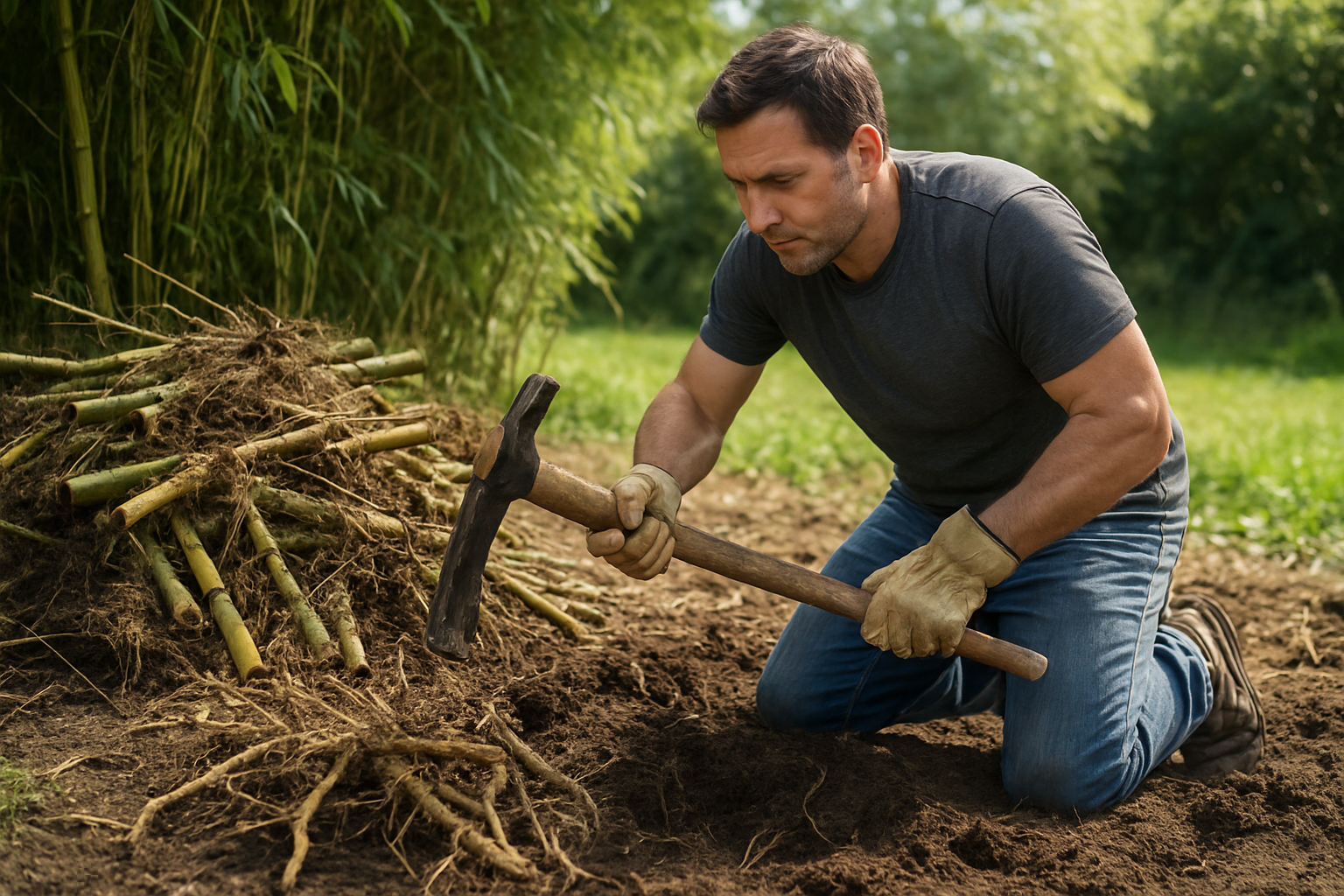
A close-up overhead shot of hands wearing gardening gloves installing a thick black plastic root barrier sheet into freshly dug soil next to a bamboo grove, showing the dark barrier material being positioned vertically in a trench that measures several inches in width, with rich brown earth piled on both sides, green bamboo stalks visible in the soft-focused background, and natural afternoon sunlight casting gentle shadows across the garden workspace

Bamboo adds exotic beauty to any garden. However, its aggressive growth often turns into a landscaping nightmare. Running bamboo species spread rapidly through underground stems called rhizomes. Consequently, these rhizomes invade lawns, crack patios, and annoy neighbors. You must contain them effectively. A high-density polyethylene (HDPE) root barrier offers the best defense. This guide explains … Read more

Bamboo Growth Rate: What to Expect in Your First 3 Years

Bamboo Growth Rate: What to Expect in Your First 3 Years

Understanding Bamboo’s Timeline Planting bamboo in your garden brings excitement and anticipation. You’ve likely heard stories about bamboo’s legendary growth speed. However, the reality of establishing a bamboo colony differs from what many gardeners expect. The first three years require patience as your bamboo builds its foundation underground. The “Sleep, Creep, Leap” Phenomenon Bamboo adheres … Read more

Spreading vs Non-Invasive Bamboo for Small Yards Under a Quarter Acre

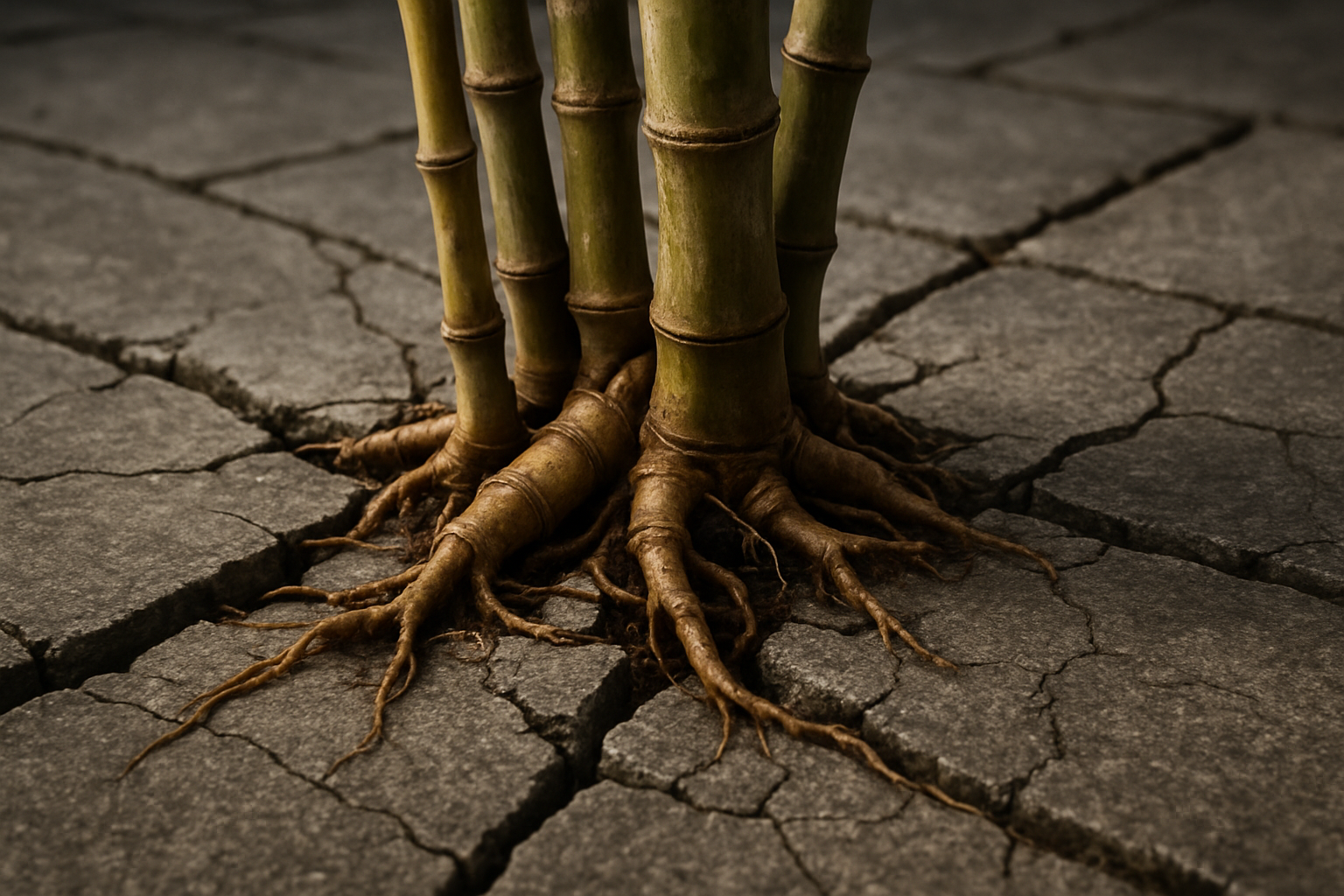
A close-up ground-level photograph capturing thick, woody bamboo rhizomes emerging from rich dark soil, with some rootstock visibly spreading horizontally near the surface. The golden afternoon sunlight filters through tall bamboo canes in the soft-focused background, creating dappled shadows across the earth. Several pale cream-colored rhizomes are breaking through gaps in the mulched garden bed, their knobby nodes and fibrous roots clearly visible against the chocolate-brown soil. A gardener's gloved hand reaches into the frame, touching one of the spreading underground stems. The shallow depth of field emphasizes the intricate root system in the foreground while green bamboo leaves blur softly in the background. Natural outdoor lighting creates warm tones and authentic texture, shot from a low angle as if documenting a real gardening moment for social media.

I learned the hard way that bamboo for small yards isn’t just “pick clumping, avoid running.” When you’re working with under a quarter acre—maybe 8,000 to 10,000 square feet total—a single containment failure with a spreading species can consume your entire usable yard within 18 months. I’ve watched neighbors’ Phyllostachys aurea rhizomes tunnel under fences … Read more

Running vs Clumping Bamboo: A 5-Minute Decision Checklist

A close-up garden scene showing two distinct types of bamboo plants side by side in a lush backyard setting, with morning sunlight filtering through the tall green stalks creating dappled shadows on the ground. The left side features spreading bamboo with visible underground rhizomes breaking through rich dark soil, while the right side shows compact clumping bamboo with tight, dense growth patterns at the base. Frost-protective burlap wrapping is loosely draped around the base of the younger bamboo shoots, with a light dusting of morning dew catching the golden hour light. The background shows a residential garden fence softly blurred, with various bamboo heights creating natural depth, all photographed from a low angle emphasizing the contrast between the two growth habits in authentic outdoor gardening conditions.

I’ve installed running bamboo in three gardens and clumping bamboo in five. One choice nearly cost me a friendship. The difference between these two growth patterns isn’t just botanical—it’s about whether your bamboo stays where you plant it or becomes your neighbor’s problem in year three. What I actually use: Stops running bamboo from spreading … Read more