If you have just typed “bamboo seeds” into a search box, here is the answer I wish someone had given me fifteen years ago: for almost every reader, you do not want bamboo seed. Buy a potted plant from a nursery that names the species, or get a division from an established clump. Those routes give you a plant you can identify, a habit you already know, and a usable screen in a few seasons instead of several years. Seed is a route for specialists who have a specific reason and fresh, verifiable material. For everyone else it is mostly a way to spend money on something that will not germinate, or will germinate as the wrong plant.
Does bamboo have seeds?
Yes. Bamboo is a grass, and grasses flower and set seed. The seeds are real, they are typically small and grain-like, and in some species they are edible. So the question is not whether bamboo has seeds. The question is why you almost never see them for sale, and why the packets you do find so often disappoint.
Why bamboo seed is so hard to get
Most bamboo species do not flower on a predictable yearly schedule. Many flower at intervals measured in decades, and some are reported at very long intervals than that. When a species does flower, the plants of that clone tend to flower together, across a wide area, from one original source. This is called gregarious flowering. Each plant sets seed, and then most of them die. This pattern is also monocarpic, meaning the plant flowers once and then dies, which is why a grove can vanish seemingly overnight. If you want to understand that in more depth, the post on why a mature grove can suddenly die off explains the mechanics.
The practical consequence is simple. For most species, in most years, there is no seed, because the plants are not flowering. Seed of a named, desirable species is therefore genuinely scarce. When a flowering event does happen, nurseries, collectors and specialist growers tend to buy up what is available quickly. Seed of a popular ornamental does not sit in a general seed catalog year-round the way a packet of carrots does. If you see plenty of stock of a named species, be suspicious of the stock.
Bamboo seed does not keep
Even when you have genuine seed, time is working against you. Bamboo seed is short-lived. It loses viability within weeks to months rather than years, and it does not store well. Think about the journey: seed is collected, dried, packed, shipped, held in a warehouse, and then sold. By the time it reaches a buyer, it may already be dead, and the buyer has no way to tell from the outside. A packet that looks perfect can be a packet of inert husks.
What is actually in those packets
I have looked at enough of these listings, and sometimes bought the packets myself to see what came out, to say that the failures fall into a few common patterns.
The first is seed of an entirely different plant. It is often a fast-germinating grass or an unrelated ornamental, sold with a photo of a bamboo grove. The seed is genuine, it may even sprout, and it is not bamboo. The photo is the sales tool, and the seed is the product.
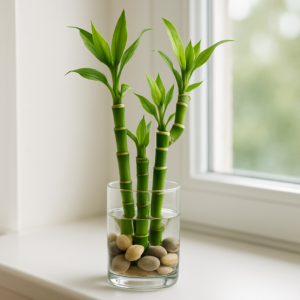
The second is “lucky bamboo” seed. Lucky bamboo is not bamboo at all. It is a Dracaena, and it is propagated from cuttings, not from seed. Any listing for lucky bamboo seed is a red flag, and it tells you the seller either does not know what they are selling or is counting on you not knowing. If you want to understand what that plant actually is and how it grows, read the post on lucky bamboo, which is not bamboo.
The third is seed of a real but undesirable bamboo, usually a vigorous running species that the buyer would never knowingly plant next to a boundary. The seller may describe it as a “fast-growing privacy bamboo” or something similar. The plant is real, the seed may be viable, and the result is a running species in your garden that you did not choose and will spend years trying to contain. Whether a species clumps or runs is the single most important thing to know before you plant anything, and the guide on whether a species clumps or runs covers how to tell.
The fourth is genuine seed of a species that will not survive your climate. Bamboo is very much a climate-matched plant. A species that thrives in a mild, humid region can die the first hard winter in a colder one. Good seed of the wrong species is still the wrong seed for you.
How to spot a bad listing
You do not need to be an expert to filter most of the bad listings out. Watch for these patterns:
- Germination promises that sound implausible, such as near-certain sprouting with no conditions attached.
- A photo that does not match the named species, or a photo of a mature grove standing in for a packet of seed.
- No botanical name, just a common name such as “giant bamboo” or “fast privacy bamboo.” Common names for bamboo are notoriously loose.
- A “bamboo tree” framing. Bamboo is a grass, not a tree, and sellers who use the word tree are often selling something else.
- Enormous seed counts for a trivial price. Genuine seed of a named species is scarce, so abundance at a bargain should make you wary.
- Growth claims presented as records, such as heights or growth rates with no source, trial or grower behind them.
- No collection year stated. Without it, you cannot judge viability at all.
The two things I would insist on before buying anything are a full botanical name and a stated collection year. If the seller will not give you either, walk away. A reputable seller who has genuine seed will be able to tell you what it is and when it was collected. If they cannot, they probably do not know, and neither will you once it arrives.
Why seedlings are a gamble for named species
Suppose you do get viable seed of the species you want. There is still a problem. Seed-grown bamboo does not reliably reproduce the parent’s characteristics. Culm color, mature height, leaf size, hardiness and clumping versus running habit can all vary from seedling to seedling. If you chose a species because of a dark culm or a specific mature size, seed is a lottery for that trait. Most growers propagate named bamboo vegetatively, by division or rhizome work, precisely because it keeps the plant the same as the parent. Seed is for breeding and discovery, not for getting a predictable copy of the plant you saw in a garden.
What to buy instead
For almost everyone, the best route is a potted plant from a nursery that names the species. You get a known species, a known habit (clumping or running), a known hardiness range, and a plant that establishes in one season rather than several years. Before you buy, check that the species suits your climate and your site. The post on choosing and planting a species properly walks through that decision, including containment, which matters a great deal for any running type.
The second route is a division from an established clump. This is how bamboo is overwhelmingly propagated in practice, and it is often free. A neighbor with a clump they want to thin, or a local plant swap, can be a good source. Clumping species divide readily, and the guide on dividing an established clump covers the work step by step. A division is the same plant as its parent, so you know exactly what you are getting. The division is also much more forgiving if you have a clear idea of its origin.
Rhizome cuttings are the third route, and they are honest work with mixed results. They are most often used with running species, where a piece of rhizome with a healthy bud and some roots can grow into a new plant. They work best when the rhizome is fresh, the bud is alive, and the cutting is timed to the growing season. They fail when the rhizome dries out, when it is damaged, or when it is put in the ground during a cold spell. I have had success with them and I have had plenty of failures, and the difference was almost always in the timing and handling.
Culm cuttings are the fourth route. They work well for some tropical clumping genera and poorly for the temperate running species most readers have in mind. If you are growing a tropical clumper in a warm, humid place, culm cuttings may be a practical option. If you are growing a hardy running type in a temperate garden, do not expect much from them. The species matters more than the technique here.
Then there is the timeline, which is where the honest comparison bites. A nursery plant or a healthy division gives you a usable screen in a few seasons, depending on size and climate. Seed, even when it germinates, adds years before the plant is doing anything useful. A bamboo seedling is a thin little grass for a long time, and you may spend the first year or two wondering whether anything is happening at all.
Here is how the routes compare:
| Propagation method | Availability | Time to a usable plant | Reliability of species | Best for |
|---|---|---|---|---|
| Seed | Rare and irregular | Years | Poor | Specialists with fresh, verified seed |
| Nursery plant | Common when stocked | A few seasons to a usable screen | High, if the species is named | Most readers |
| Division | Often free or low cost | Depends on size of division | High, same plant as parent | Clumpers and anyone with access to a clump |
| Rhizome cutting | From an existing plant | Slow | High, same plant as parent | Running species, if timed and handled well |
| Culm cutting | From an existing plant | Variable | High, but success depends on genus | Some tropical clumping genera |
If you already own a bamboo plant and need to move it, the guide on moving a bamboo plant without killing it covers the part most people get wrong. Transplanting is often the difference between a division that thrives and one that sulks for two seasons.
If you genuinely have real seed
Some readers will have obtained real seed from a flowering event, a specialist grower, or a trusted contact. If that is you, you deserve a practical answer.
Sow as fresh as possible. Viability is the limiting factor, and every week you wait costs you germination. Use a free-draining seed mix, not garden soil, which compacts and holds too much water. Sow the seed on the surface or cover it very shallowly. Bamboo seed generally does not want to be buried.
Keep the seed warm and consistently moist, but never waterlogged. Overwatering rots seed faster than drought dries it, so err toward even dampness. Germination temperatures vary by species, so I will not give you a figure, but you should aim for warmth and check what the specific species needs before you start. A humidity cover, such as a propagator lid or a clear bag, helps hold moisture, but it brings a mold risk. Vent the cover regularly, remove any moldy seed or medium at once, and keep air moving.
Germination is patient and erratic. Some seeds come up within a short window, others trickle out over weeks, and some never do. Do not throw the tray away early. Once seedlings appear, they are fragile and grow slowly. Expect the first year or two to be a matter of keeping them alive, protected from drying, strong sun and overwatering, and do not judge the project by how big they look in the first season.
A note on legality and shipping
Importing live plant material and seed across borders is regulated, and it is easy to get wrong. Some running bamboo species are restricted or listed in some places, and a packet arriving from overseas may be both illegal to bring in and worthless once it arrives. Before you buy seed or plants from another country, check the rules for your location. The guide on where running species are restricted is a good starting point for the planting side of that question.
My advice is simple. If you are buying seed for a specific species, a specific size or a specific color, the odds are against you on all three. If you are buying seed because it seems cheap and it might be fun, you will probably end up with a packet of something other than what you wanted. The sensible money goes into a named plant, a division from someone local, or a carefully chosen species that fits your climate and site.
Frequently Asked Questions
Can you grow bamboo from seed?
Yes, in principle, with fresh and viable seed of a known species. In practice it is slow, unreliable and rarely worth it for a home garden, because seedlings do not reliably match the parent and take years to become useful. Most growers propagate named bamboo by division or rhizome work instead.
Does bamboo have seeds?
Yes. Bamboo is a grass, and grasses flower and set seed. The difficulty is that most species flower only rarely, at very long intervals, and then tend to die after setting seed, so genuine seed of a named species is scarce and short-lived.
How much are bamboo seeds?
Prices vary widely, and I will not quote a figure because it would not help you. The more useful point is that a very cheap packet is usually the wrong plant, mislabeled, or dead, and genuine seed of a named species is rarely sold at a bargain. Judge the listing by its botanical name and collection year, not by its price.
When should I plant bamboo seeds?
As soon as you have it, under protection, rather than waiting for a calendar date. Viability drops quickly, and storage is what kills most bamboo seed, so the timing is set by the seed’s age, not by the season.
How can I tell a bad bamboo seed listing?
Insist on a full botanical name and a stated collection year before you buy. Be wary of implausible germination promises, photos that do not match the named species, “bamboo tree” framing, and lucky bamboo seed, which does not exist because lucky bamboo is a Dracaena propagated from cuttings.
About This Article

Written by Marcus Chen. Marcus Chen has spent 15 years cultivating and studying bamboo across 14 different species, combining commercial growing operations with extensive hands-on experience in species selection and containment. As both a grower and consultant, he specializes in practical bamboo management, helping homeowners and landscapers understand the real-world requirements for responsible bamboo cultivation. Marcus brings tested knowledge of which species thrive reliably and which present containment challenges that go beyond standard recommendations. More about this site.
Verify this against a primary source
Specifics change, and your situation may differ from the one described here. These are the authorities worth checking directly:
- American Bamboo Society — species listings and cultivation guidance
- USDA PLANTS Database — species range and identification
- USDA Plant Hardiness Zone Map — cold hardiness verification for your location